Emerging Trends in Natural Organic Food for Dogs and Cats
In recent years, the pet food industry has witnessed a remarkable shift towards natural and organic options, driven by increasing consumer awareness about ingredient quality and overall pet health. Owners are now more informed and conscious about what goes into their pets’ diets, leading to a surge in demand for healthier alternatives. As this market expands, several emerging trends are shaping the way we feed our furry companions.
Numerous studies indicate that pets with diet diversity and natural ingredients enjoy enhanced health benefits, such as better digestion and improved energy levels. Additionally, the rise of sustainable practices within the food industry is encouraging the development of environmentally friendly pet food options. It is essential for pet owners to stay abreast of these trends to ensure optimal nutrition for their pets.
This article will explore the Top 5 emerging trends in natural and organic food for dogs and cats. From innovative ingredient sourcing to holistic approaches, these trends are not only beneficial for our pets but also foster a more responsible pet ownership. Get ready to dive into the latest developments that could redefine your pet’s dining experience!
Top 5 Emerging Trends in Natural and Organic Foods for Dogs and Cats
As more pet owners successively align with the broader movement towards healthier and more sustainable lifestyles, the pet food industry has witnessed a profound transformation. The focus has gravitated towards natural and organic foods for our beloved dogs and cats. This evolving trend reflects not only a shift in consumer consciousness but also an intense desire to enhance the health and lifespan of pets. In this article, we delve deeper into the top five emerging trends that are reshaping the pet food landscape. From cutting-edge nutritional innovations to embracing transparency, these trends are guiding pet food brands in new and promising directions.
5. Plant-Based Diets and Alternatives
In recent times, the growing awareness of animal welfare and environmental concerns has brought plant-based diets to the forefront of the pet food industry. This movement is gaining traction as pet owners look for alternatives to traditional meat-based diets, and manufacturers respond to this demand with innovation and creativity.
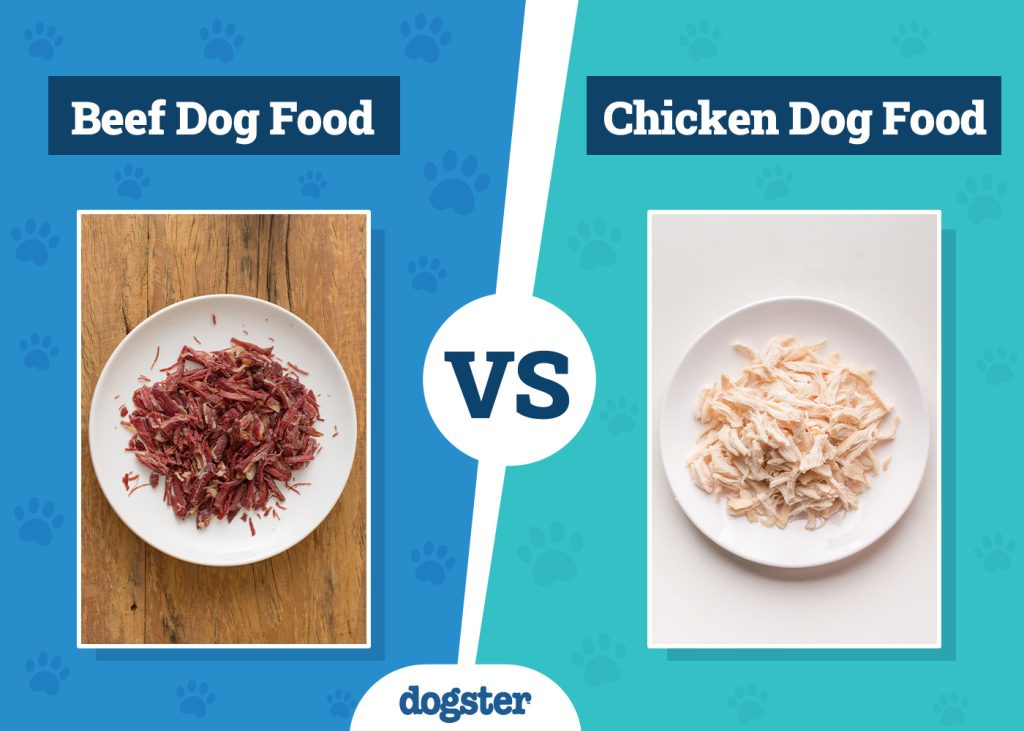
At the core of plant-based diets for pets are protein-rich ingredients such as peas, lentils, and quinoa. These ingredients serve as the foundation for plant-based pet foods, providing essential nutrients while reducing the ecological footprint associated with meat-heavy diets. For instance, peas are not only a good source of protein but also provide vital fiber and vitamins. Lentils, on the other hand, are rich in iron and folate, making them an ideal supplement for a balanced diet.
While there is ongoing research into the exact nutritional needs of different pet breeds, studies indicate that many pets, particularly dogs, can adapt and thrive on a well-balanced plant-based diet when monitored by a veterinarian. Brands are also prioritizing palatability, using natural flavors and textures to ensure these diets are appealing to pets.
4. Locally Sourced Ingredients
The movement towards locally sourced ingredients reflects a broader trend of returning to roots in pursuit of quality. Pet food companies are increasingly championing the use of locally farmed and produced ingredients, thus not only ensuring product integrity but also promoting local economic growth.
By sourcing ingredients locally, pet food brands are better positioned to guarantee the freshness and nutritional value of their products. This paradigm is akin to farm-to-table concepts in human food, where the closer proximity between production and consumption means less degradation of nutrients. Furthermore, reduced transportation requirements inherently diminish the carbon footprint, aligning with eco-conscious consumer values.
Transparency in sourcing is pivotal. Brands that embrace this ethos are often more trusted by pet owners who seek reassurance about the quality and origin of the food they provide to their pets. As a result, local sourcing has not only environmental benefits but also builds trust and customer loyalty.
3. Transparency and Ethical Labeling
Demands for transparency and ethical labeling in pet foods echo similar trends within the broader food industry. As consumers become more informed, they want clear and honest information about what their pets are consuming. The surge of interest in ethical labeling is pivotal, prompting pet food manufacturers to be more open about sourcing and production practices.
Leading brands are therefore implementing comprehensive and detailed labeling systems. These labels often go beyond mere ingredient lists, offering insights into production processes, sourcing methods, and quality control measures. Some brands are also obtaining third-party certifications, such as organic and cruelty-free designations, to provide additional verified assurances to consumers.
Educational efforts by brands help demystify ingredients and production methods, empowering consumers in their purchasing decisions. As informed pet owners increasingly choose products aligned with ethical standards, brands that transparently communicate their values likely will stand out in the competitive marketplace.
2. Functional Ingredients
The inclusion of functional ingredients marks a significant evolution in the pet food sector, as owners seek to address specific health issues and enhance overall pet wellbeing through diet. This trend involves the strategic addition of probiotics, omega fatty acids, and superfoods to create functional foods that support diverse health benefits.
Probiotics, known for promoting gut health, play a crucial role in maintaining the digestive system’s balance. When integrated into pet food, these beneficial bacteria can enhance nutrient absorption and strengthen immune function. Omega fatty acids, often found in fish oils and flaxseeds, contribute to a lush coat and healthy skin, while also supporting cognitive function.
Superfoods like blueberries, kale, and turmeric are highly sought for their antioxidant properties, which help in combating cellular damage caused by free radicals. These powerful ingredients also provide vitamins, minerals, and natural compounds that promote overall health, making them a popular choice for pet owners looking to provide comprehensive nutrition.
1. Customizable Meal Plans
Top on the list of trends reshaping the pet food landscape is the advent of customizable meal plans. This approach signifies a shift towards personalized nutrition, tailored to meet the unique needs of each pet, considering factors such as age, breed, and lifestyle.
Advancements in data analysis and technology enable brands to offer highly specialized meal kits, delivered directly to consumers’ doors. These customizable plans are informed by detailed insights into an individual pet’s dietary preferences and health requirements, often gathered through comprehensive questionnaires or even genetic testing.
This personalization trend not only caters to specific health concerns like allergies or weight management but also allows for adjustments based on evolving pet needs. Engaging pet owners with feedback loops ensures continuous adaptation and optimization of meal plans, leading to the ultimate goal: optimum health and wellness outcomes for their furry companions.
In conclusion, the trajectory of natural and organic foods in the pet industry reflects a profound shift towards health-focused, sustainable practices. As pet owners become better informed and more environmentally and ethically conscious, these trends offer frameworks through which they can enhance their pets’ lives. Staying abreast of these developments is essential for making informed choices that align with both health and sustainability goals, ensuring a brighter future for pets and the planet alike.
| Category | Benefits |
|---|---|
| Organic Ingredients | Using organic ingredients ensures that food is free from harmful pesticides and synthetic fertilizers, enhancing pet health and sustainability. The absence of artificial additives may lead to fewer allergic reactions and improved digestion in pets. |
| Sustainable Sourcing | Emerging trends emphasize the importance of sustainable sourcing, indicating that pet food companies are starting to consider the environmental impact of their ingredients. This commitment not only supports local farmers but also contributes to a broader approach in reducing carbon footprints. |
| Superfood Ingredients | The inclusion of superfood ingredients such as quinoa, chia seeds, and spirulina offers enhanced nutritional benefits, boosting the overall health of pets. These superfoods are rich in vitamins, minerals, and omega fatty acids, promoting shiny coats and increased energy levels. |
| Customized Nutrition | The trend of customized nutrition encourages pet owners to tailor their pets’ diets based on individual health needs, ages, and activity levels. This personalized approach can lead to better health outcomes and increased satisfaction among pet owners. |
Frequently Asked Questions about Emerging Trends in Natural and Organic Pet Foods
What is driving the trend towards natural and organic pet foods?
The surge in popularity of natural and organic pet foods is primarily driven by a heightened awareness among pet owners regarding the ingredients in their pets’ diets. People are increasingly looking for foods that are not only devoid of harmful chemicals but also sourced from humane and sustainable practices. This shift mirrors the human food industry’s trend towards transparency and healthfulness. Additionally, there is a growing belief that natural and organic foods can contribute to better health outcomes in pets, such as shinier coats, increased energy levels, and fewer allergies.
Are natural and organic pet foods more expensive than traditional options?
In general, natural and organic pet foods tend to be more expensive than conventional options. This is due to the higher cost of quality ingredients and more rigorous production processes. Organic certifications and ensuring sustainable practices also contribute to the increased cost. However, many pet owners perceive this as a worthwhile investment in their pet’s long-term health and well-being, reducing potential veterinary costs associated with diet-related health issues.
How can I verify if a pet food truly is natural or organic?
To determine the authenticity of natural or organic pet food, it’s essential to scrutinize the label carefully. Look for certifications from reputable organizations like the USDA Organic seal for organic products. For natural foods, check for claims about the absence of artificial additives, colors, and preservatives. Transparency is key; brands that provide detailed information about their sourcing and production methods are typically more trustworthy. Additionally, researching the brand’s reputation and customer reviews can provide further insights.
What nutritional benefits do organic pet foods offer over conventional options?
Organic pet foods are often favored for being free from antibiotics, synthetic hormones, and genetically modified organisms (GMOs), which are common in conventional pet foods. These foods also tend to include higher quality protein sources, fruits, and vegetables, which may enhance nutrient intake. Some studies suggest that pets eating organic diets exhibit better overall health, fewer allergies, and improved digestion, although more research is needed to solidify these claims.
Are there any potential drawbacks to switching my pet to a natural or organic diet?
While many pet owners report positive changes, switching to a natural or organic diet isn’t without its considerations. Some pets may experience initial digestive upset during the transition period. It’s crucial to switch diets gradually to allow your pet’s digestive system to adjust. Additionally, not all natural and organic foods are created equal, and some may lack the comprehensive nutrition that high-quality conventional foods provide. Consulting with a veterinarian before making significant dietary changes ensures that your pet’s nutritional needs are still being met.
Conclusion: A Growing Trend in Pet Nutrition
The exploration of emerging trends in natural and organic foods for dogs and cats reveals a dynamic shift in pet nutrition. As pet owners increasingly treat their furry companions as family members, the demand for wholesome and organic food options is on the rise. This trend is driven by a growing awareness of the ingredients in pet food and the potential health benefits of a natural diet.
In our journey through this topic, we identified the top five trends shaping this market. First, the rise of raw and minimally processed diets indicates a significant shift towards foods that more closely resemble the natural diets of dogs and cats in the wild. Secondly, the use of superfoods packed with nutrients gains traction, promising to enhance the overall health and wellbeing of pets. Thirdly, the growing importance of transparency in ingredient sourcing is making pet owners more conscious about the origins of what they feed their animals.
Furthermore, trends such as personalized nutrition, tailored to the specific needs of pets, and the increasing availability of plant-based alternatives represent significant shifts in consumer preferences and demands. As these trends continue to evolve, they reflect broader societal movements towards sustainability and health consciousness.
Understanding the implications of these emerging trends is crucial for both pet owners and industry stakeholders. The shift towards natural and organic pet foods underscores a significant transformation in how we perceive pet nutrition, aligning with broader trends in human food consumption. Whether it’s for health reasons or ethical considerations, the movement towards better pet food options is here to stay, promising a healthier future for our beloved pets. As this trend grows, it encourages further investigation and innovation in pet nutrition, paving the way for new discoveries and advancements.
Related posts:
Impact of Diet on the Dental Health of Pets
The Influence of Diet on the Longevity of Pets
Conscious Eating: How Nutrition Affects Animal Adoption Behavior
Nutritional Supplements: When and How to Introduce Them in Your Pet's Diet
The Revolution of Plant-Based Diets for Pets: Benefits and Challenges
The Effects of Obesity in Pets and How to Prevent It

Linda Carter is a writer and pet care expert specializing in pet health, grooming, and wellness. With extensive experience helping pet owners create safe, loving, and enriching environments for their animals, Linda shares her knowledge on our platform. Her goal is to empower readers with practical advice and strategies to ensure their pets thrive and lead joyful, healthy lives.