Unlock Effective Dog Training The Power of Positive Reinforcement

Training a dog can be a rewarding yet challenging experience for any pet owner. Understanding the best methods to achieve a well-behaved furry companion is crucial in creating a harmonious living environment. One of the most effective and humane approaches is through positive reinforcement, a method that encourages desired behaviors with rewards.
Research has shown that positive reinforcement not only enhances learning but also strengthens the bond between the dog and its owner. This training technique is rooted in the principles of behavioral psychology, emphasizing the importance of motivation and trust. Here are some reasons why this approach is essential:
- Improves Learning: Dogs trained with positive reinforcement learn faster and retain lessons longer.
- Builds Trust: Encouraging good behavior creates a positive relationship between the dog and owner.
- Reduces Anxiety: Positive reinforcement fosters a stress-free training environment.
As a pet owner, recognizing the impact of positive reinforcement is vital for effective dog training. In this article, we will delve into the top 5 methods of positive reinforcement, providing you with practical examples and insights to enhance your training experience with your furry friend.
The Importance of Positive Reinforcement in Dog Training
Training dogs is not just about teaching them commands and tricks. It’s about establishing a line of communication and fostering a deeper connection between humans and their canine companions. Positive reinforcement has become a fundamental strategy in dog training, proving to be more effective and humane compared to traditional methods. This article explores the top five reasons why positive reinforcement is pivotal in dog training, ranked from least to most significant.
5. Builds Trust Between Dog and Owner
Trust forms the cornerstone of any successful relationship, and this is especially true between a dog and its owner. Positive reinforcement training, which involves rewarding a dog for good behavior, significantly enhances this bond. By using treats, verbal praise, or play as rewards, dogs begin to associate their owner with safety and positivity. Therefore, they feel more secure and are more likely to engage actively with their caregiver. Unlike punitive measures that may create fear and hesitation, positive reinforcement communicates that training is a collaborative effort, fostering a strong relationship built on trust.
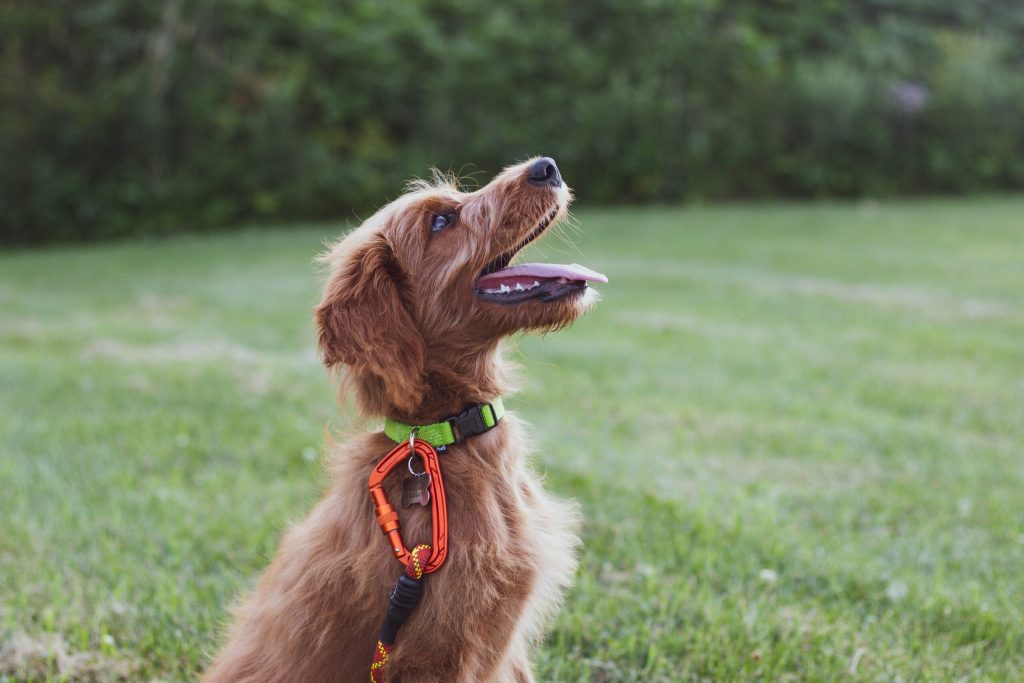
For instance, consider a dog that consistently receives treats for sitting on command. Over time, the dog learns to expect good things from their owner, making them more receptive and attentive. This level of communication and trust is essential for subsequent training exercises, ensuring a mutual understanding between pet and owner.
4. Encourages Repeat Behavior
Positive reinforcement acts as a motivational tool, instigating dogs to repeat desired behaviors. The psychology behind this method is straightforward: behaviors followed by rewarding consequences tend to happen more frequently. This idea isn’t limited to dogs; it is a principle grounded in operant conditioning, a learning process explored by psychologist B.F. Skinner.
Once a dog learns that sitting politely earns them a treat, they quickly make the connection and are more than willing to offer the behavior again. This consistency allows trainers to create a predictable and efficient learning environment, promoting enthusiasm and a desire to perform well. In contrast, training centered around punishment may suppress behavior temporarily but often fails in encouraging the dog to act voluntarily.
Many seasoned trainers announce significantly higher success rates with positive reinforcement techniques, citing not just obedience but also improved dog-owner interactions as critical successes.
3. Reduces Fear and Anxiety
Fear and anxiety can significantly interfere with a dog’s ability to learn. Training methods that rely on punishment often exacerbate these issues, leading to additional behavioral problems, such as aggression or withdrawal. In stark contrast, positive reinforcement diminishes fear and anxiety by emphasizing a safe and nurturing atmosphere.
Dogs trained with kindness and encouragement tend to exhibit relaxed body language, marked by wagging tails, soft eyes, and an eagerness to engage. This positive emotional state is crucial, as it provides the mental clarity needed for effective learning. Cases abound where frustrated and fearful dogs have transformed into confident, relaxed pets simply by switching to positive methods. Researchers have also observed a notable decrease in stress-related behaviors, such as excessive barking or chewing, when dogs are trained with affection rather than fear.
2. Enhances Learning and Retention
Learning is a more enjoyable experience for dogs when it is paired with rewards. A positive training atmosphere encourages dogs to be curious and enthusiastic about learning new commands. Additionally, the neural pathways for memory and learning are more efficiently activated when a dog experiences joy and satisfaction.
Interactive training methods, which involve using positive reinforcement, create engaging sessions that captivate both the dog and trainer. This engagement fosters attention and stimulates mental agility. Furthermore, studies indicate that commands learned in a positive context are better retained over time. Dogs are seen to remember and respond to these cues long after initial training, highlighting the superiority of positive reinforcement over punitive methods with regards to memory retention.
1. Promotes a Happy and Well-Adjusted Dog
Ultimately, the goal of training is to encourage a behaviorally balanced and emotionally content dog. Positive reinforcement facilitates this by crafting an environment conducive to emotional growth. When dogs receive acknowledgment and rewards, they reap a sense of achievement and happiness.
A content dog that feels confident in their environment is more likely to explore and interact with it positively. This sense of well-being not only contributes to a dog’s happiness but also reduces the likelihood of problematic behavior. As a result, the household becomes a more harmonious space. Happy dogs, which are less prone to behavioral issues, typically reflect their owner’s efforts in training, showcasing the subtle yet impactful power of positive reinforcement.
Moreover, dog training ceases to be a chore and becomes a rewarding experience for both parties. An owner gets to witness their pet’s growth and delight in small victories. In turn, the dog looks forward to the bonding sessions, leading to an improved quality of life for both.
In conclusion, positive reinforcement in dog training is a powerful technique that goes beyond simply teaching commands. It lays a solid foundation of trust, instills a desire for repeat behavior, reduces fear, enhances learning, and helps cultivate a joyful, well-adjusted pet. The journey of training a dog can be deeply transformative when approached with empathy and understanding. By embracing positive reinforcement, pet owners can create an enriching atmosphere that nurtures both the dog’s development and the bond shared between them.
| Category | Details |
|---|---|
| Behavioral Changes | Positive reinforcement encourages dogs to repeat desired behaviors, leading to lasting behavioral changes that are beneficial for both pet and owner. |
| Trust Building | Trust between the dog and the owner is significantly enhanced through positive reinforcement, as it creates a safe and rewarding learning environment. |
| Enhances Learning | Dogs trained using positive reinforcement tend to learn commands and tricks more quickly, as they are motivated by the rewards offered, such as treats or praise. |
| Mitigates Fear | By focusing on rewards, positive reinforcement helps reduce anxiety and fear in dogs, making them more open to training and new experiences. |
Utilizing positive reinforcement in dog training is not just a method but a philosophy that fosters a healthy relationship between humans and their canine companions. As the relationship grows, the mutual understanding and communication improve significantly. When dogs are consistently rewarded for the right behaviors, they begin to associate the training process with fun and enjoyment, which can lead to faster and more enthusiastic responses to commands. For example, a dog learning to sit when asked is likely to repeat this behavior if every successful sit is met with a treat or verbal praise. This consistent reinforcement can transform training sessions into an engaging and fulfilling experience for the dog.Moreover, positive reinforcement is particularly effective in addressing behavioral issues. A dog that jumps up on guests, for instance, can be taught to greet visitors calmly instead. By rewarding the dog when it remains seated and behaves appropriately, unwanted behaviors can diminish while desirable ones flourish. The result is not just obedience but a deeper understanding of what is expected of them. Additionally, positive reinforcement contributes to the overall well-being of dogs. Training that incorporates plenty of rewards is not only enjoyable for dogs but also meets their emotional needs. Dogs are social animals that thrive on interaction, and a training regime that emphasizes positive engagement can help alleviate feelings of loneliness or boredom. By embedding positive reinforcement into daily routines and interactions, owners can unlock a world of potential in their pets, allowing for healthy behaviors to take center stage. This transformative approach to training not only helps in building obedient and well-mannered dogs but also enhances the bond shared between dog and owner, making it a truly enriching experience for both parties involved.
Frequently Asked Questions About Positive Reinforcement in Dog Training
What is positive reinforcement in the context of dog training?
Positive reinforcement is a training method where a desired behavior is followed by a reward. This reward might be treats, verbal praise, or even playtime. The technique is based on the psychological principle that behavior which is rewarded is likely to be repeated. It’s crucial to provide this reinforcement immediately after the desired action so that the dog can associate the behavior with the positive outcome. According to studies, using positive reinforcement can significantly boost learning and improve behavior in dogs.
How does positive reinforcement differ from other training methods?
Unlike methods based on punishment or correction, positive reinforcement focuses on encouraging good behavior rather than punishing bad behavior. Training approaches like dominance or force-based techniques often rely on the concept of correcting unwanted behaviors through penalties. Conversely, positive reinforcement creates a constructive and trusting environment for the dog to learn, which can lead to better compliance and a stronger human-animal bond. This method not only reduces anxiety and fear in dogs but also fosters a stable emotional environment for ongoing growth and learning.
Why is timing important in positive reinforcement?
The timing of the reward is critical to the success of positive reinforcement. For the dog to make an accurate connection between its behavior and the reward, the reinforcement must be given immediately after the action. Any delay might confuse the animal, making it difficult to pinpoint which behavior is being reinforced. Experts suggest that the optimal time to provide a reward is within a few seconds of the action. Consistency in timing ensures that the dog learns effectively and maintains the behavior you wish to encourage.
Can positive reinforcement be used for behavior problems?
Yes, positive reinforcement can be highly effective in addressing behavior problems such as excessive barking, jumping, or aggression. By rewarding alternative, desired behaviors, you can redirect your dog’s actions. For instance, teaching a dog to sit quietly when guests arrive can be reinforced with treats or praise, thereby replacing the unwanted jumping behavior. This approach not only targets specific issues but also contributes to improving overall behavioral patterns over time.
Is positive reinforcement suitable for all dog breeds and ages?
Positive reinforcement is versatile and typically suitable for dogs of all breeds and ages. Whether you are training a young puppy or an older rescue dog, the principles of positive reinforcement can be applied. The key is to find a reward that motivates your dog, be it food, toys, or affection. While some breeds may respond more enthusiastically to certain types of rewards, the fundamental idea of reinforcing good behavior remains applicable. With patience and consistent application, positive reinforcement can yield beneficial results across diverse canine temperaments.
Conclusion: The Lasting Impact of Positive Reinforcement in Dog Training
In the realm of dog training, the implementation of positive reinforcement stands out as a method that not only enhances the bond between humans and their canine companions but also promotes a harmonious household. This approach, which centers around rewarding desirable behavior rather than punishing undesirable actions, has proven to be effective in cultivating well-adjusted pets. Throughout our exploration of this topic, several key takeaways have emerged.
Transforming Behavior Through Reward
Positive reinforcement works by leveraging rewards to reinforce good behavior, making it more likely to recur. From verbal praises and treats to playtime and affection, these rewards can be tailored to suit any individual dog’s preferences. What is essential is the consistency and immediacy of delivering these rewards, fostering a clear connection between the dog’s actions and the positive outcome.
Benefits Beyond Training
This training style extends benefits beyond mere obedience. Integrated into the daily lives of pets, positive reinforcement can reduce anxiety, increase concentration, and curb destructive habits. It encourages dogs to think more independently, sparking curiosity and eagerness to learn, which enriches their lives and, by extension, the lives of their owners.
Science and Success Stories
The scientific community has largely endorsed positive reinforcement, with studies revealing its significant efficacy in comparison to other methods. Moreover, success stories abound, where previously troubled dogs have transformed into exemplary companions. These instances underscore its potential as a powerful tool in canine education.
In summary, embracing positive reinforcement is a gateway to a more fulfilling and congenial relationship with your pet. This method not only cultivates desired behaviors but also nurtures a nurturing and compassionate environment. As our understanding of companion animal psychology continues to grow, the value of positive reinforcement in training is increasingly undeniable, paving the way for more enlightened and joyful connections between humans and their pets.
Related posts:
Using Treats Wisely: The Dos and Don'ts of Reward-Based Training
Effective Puppy Training Techniques for First-Time Dog Owners
Understanding the Impact of Environment on Pet Training Success
Training Techniques for Senior Pets: Adapting Methods for Older Animals
Overcoming Common Behavioral Issues in Adult Dogs Through Training
Training for Fun: Engaging Games to Teach Your Pets New Tricks

Linda Carter is a writer and pet care expert specializing in pet health, grooming, and wellness. With extensive experience helping pet owners create safe, loving, and enriching environments for their animals, Linda shares her knowledge on our platform. Her goal is to empower readers with practical advice and strategies to ensure their pets thrive and lead joyful, healthy lives.