Conservation Ethics Debating Exotic Pets in Home Settings
The Rise of Exotic Pets: A Controversial Trend
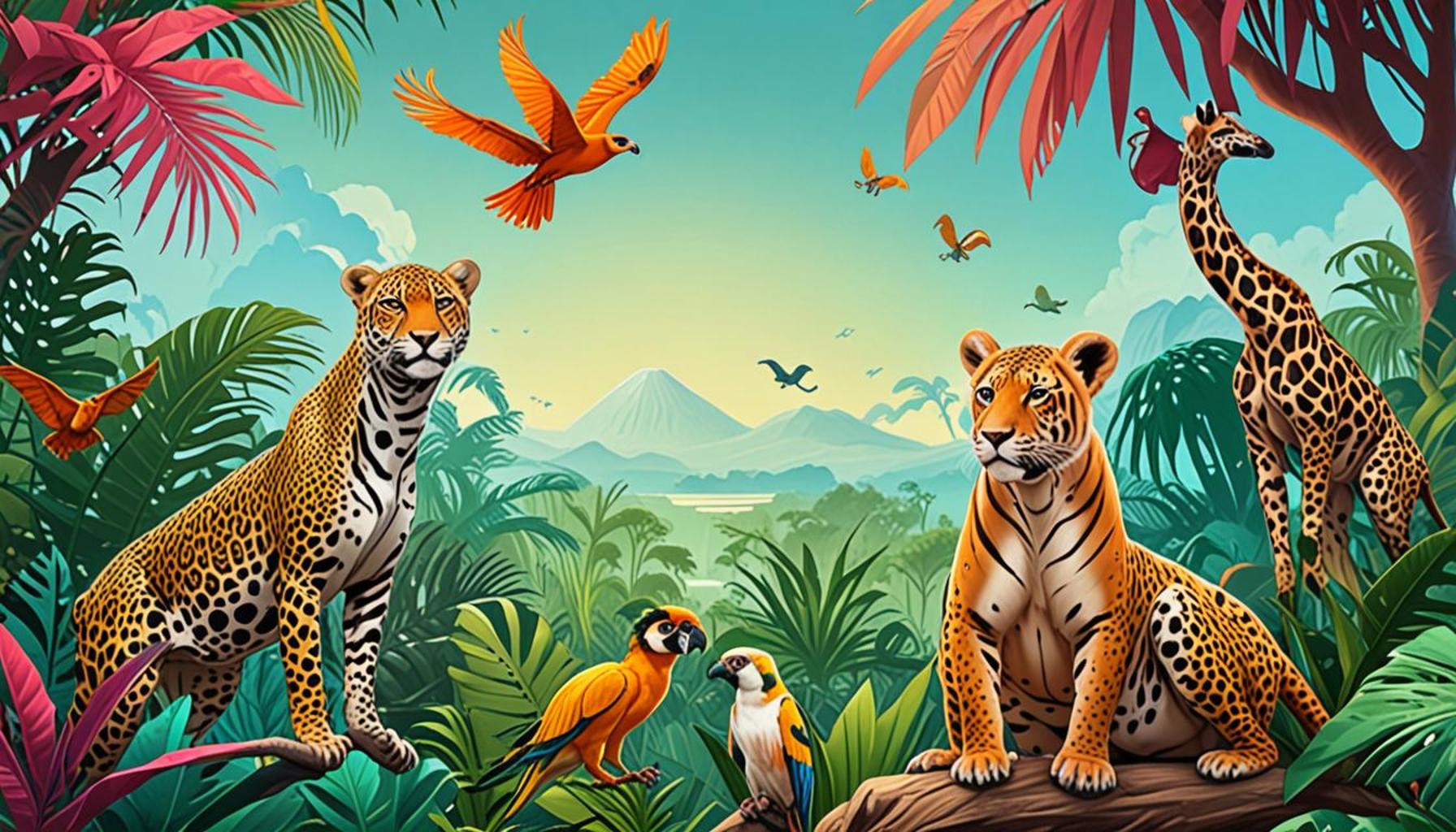
The growing trend of keeping exotic animals as pets has sparked significant controversy across various communities globally. From brightly colored parrots to majestic reptiles, these unique creatures capture curiosity and desire, enticing people to adopt them into their homes. However, as these animals gain popularity, discussions surrounding conservation and ethics have become increasingly essential and unavoidable.
Conservation Concerns
One of the primary concerns is how private ownership affects conservation efforts. While some might argue that keeping exotic pets can aid in preserving certain species, others worry that it drives up demand illegally, encouraging poaching and smuggling. This poses a significant threat to wildlife populations in their natural habitats. For example, the illegal trade in wild parrots for the pet market is a leading cause of their declining numbers in the wild.
Well-being of Exotic Species
The well-being of exotic species in home environments is another crucial consideration. These animals have complex needs, often requiring specialized diets, environments, and medical care that can be challenging to meet adequately in captivity. Improper care can lead to poor health and even death. For instance, reptiles like iguanas need specific temperature conditions, which can be difficult to maintain consistently in domestic settings.
Legal and Moral Implications
Lastly, the legality and morality of acquiring exotic animals pose further ethical dilemmas. Laws and regulations vary greatly by region, with some areas allowing the ownership of certain exotic species and others outright banning it. Beyond legality, there is a moral question of whether it is right to keep these animals as pets in the first place, considering their needs and natural behaviors.
This article delves into these essential discussions by presenting the Top 5 considerations regarding keeping exotic animals as pets. Join us as we uncover the complexities that lie at the intersection of pet ownership and wildlife conservation, urging us to ponder our responsibilities towards animals that are as intriguing as they are vulnerable.
Top 5: Conservation and Ethics – The Debate Around Keeping Exotic Animals as Pets
As more people express interest in keeping exotic animals as pets, a spirited debate unfolds across various platforms, touching on critical issues of conservation and ethics. From the vibrant Amazon rainforest to the dense African savannah, these animals capture our imagination, but their journey from the wild into our living rooms is fraught with moral and ecological questions. This discourse delves into concerns about animal welfare, biodiversity, and the broader impact on their natural habitats. This article explores the five most significant aspects of this debate, shedding light on the nuanced dynamics of exotic pet ownership.
5. Legal Regulations and Their Effectiveness
In contemplating the ownership of exotic animals, legal restrictions form a fundamental framework. The legislation concerning exotic pet ownership often varies significantly, with each jurisdiction adopting different standards based on local ecological and ethical considerations. In the United States, for example, rules range drastically from stringent bans to laissez-faire regulations. States like California and Hawaii have strict bans on most exotic pets, reflecting their commitment to ecosystem preservation, while other states may only require simple permits or have few regulations at all.
These inconsistencies present a challenge: while advocates for stricter regulations push for nationwide uniformity to ensure animal welfare and control illegal trade, critics warn against potential overreach that could encroach on personal freedoms. Internationally, organizations such as CITES (Convention on International Trade in Endangered Species of Wild Fauna and Flora) work globally to protect endangered species, but enforcement remains uneven. This patchwork of laws can both complicate and undermine efforts to standardize exotic animal trade and ownership, leading to significant ethical and ecological issues.
4. The Ethics of Capture and Trade
The commerce surrounding exotic animals raises profound ethical questions. A thriving, albeit sometimes shadowy, market exists for these creatures, driven by demand for novelty and status. Annually, millions of animals are trafficked across borders, often enduring inhumane conditions from capture through transport to final sale. This trade has severe consequences, contributing directly to the depletion of animal populations in their native habitats and occasionally driving species towards extinction.
Critics highlight the profoundly disturbing conditions that many captured animals face, such as overcrowded cages, lack of food and water, and high mortality rates during transit. The World Wildlife Fund has documented how the illegal pet trade can destabilize ecosystems by removing key species, thereby altering biodiversity dynamics. On the other hand, some argue for the potential of captive breeding programs which, when ethically conducted, might relieve pressures on wild populations. Yet, these programs must be carefully regulated to avoid becoming complicit in the larger exploitative system.
3. The Importance of Conservation Education
Education stands as a pillar in reconciling the appeal of exotic pets with conservation efforts. Understanding an animal’s natural history, habitat requirements, and ecological role prepares would-be owners to make informed decisions about the feasibility and ethics of keeping such animals. Educational institutions and wildlife organizations provide crucial resources to potential exotic pet owners, often emphasizing the importance of pet-owner responsibility and long-term commitment.
Programs such as the Exotic Pet Care Initiative focus on practical and ethical aspects, from dietary needs to health monitoring and legal compliance. By providing this knowledge, these programs aim to foster a culture where potential pet owners can evaluate the environmental and ethical ramifications of their choices. Empowering individuals with information is a stepping stone towards building a society that harmonizes personal interests with larger conservation goals. Well-informed consumers can champion reforms and become advocates for sustainable and ethical treatment of wildlife.
2. The Impact on Biodiversity and Ecosystems
The repercussions of introducing non-native species into local ecosystems can be catastrophic. For instance, the release or escape of exotic pets such as Burmese pythons in Florida has led to increased competition for food with native species, significantly impacting the local fauna. These invasive species can also act as vectors for diseases previously foreign to indigenous wildlife, leading to further ecological imbalances.
Researchers have documented how such disruptions threaten biodiversity, often leading to a cascading series of negative effects throughout an ecosystem. The ecological chain reaction can be extensive, affecting predator-prey relationships and resulting in considerable shifts in native biodiversity. This highlights the critical importance of assessing potential ecosystem risks before adopting exotic animals and underscores the need for robust strategies to mitigate these risks.
1. Ethical Animal Care and Welfare Standards
Foremost among the concerns surrounding exotic pet ownership is the welfare of the animals themselves. Unlike more conventional pets like dogs and cats, exotic animals often have precise habitat, dietary, and social requirements that are challenging—and sometimes impossible—to replicate in a domestic environment. Without such accommodations, these animals may suffer physical and psychological stress that could lead to health deterioration and ethically questionable living conditions.
To address these concerns, animal welfare organizations stress rigorous pre-ownership education and ethical guidelines ensuring potential owners are ready for the responsibility they are assuming. Institutions like the Humane Society have developed best practice frameworks intended to guide exotic pet care, emphasizing enrichment, nutrition, and veterinary care necessary to maintain the animal’s health and well-being.
In conclusion, the debate surrounding the conservation and ethics of keeping exotic animals as pets is complex and multifaceted. Each facet of this debate contributes to a broader conversation about humanity’s relationship with nature, emphasizing responsible decision-making and thorough education. As this dialogue continues, society must strive to balance personal freedom with an unwavering commitment to ethical treatment and conservation of wildlife.
The discussion surrounding the conservation and ethics of keeping exotic animals as pets is a multifaceted issue, requiring a careful examination of the implications for animal welfare, biodiversity, and human engagement with wildlife. As society becomes increasingly aware of conservation efforts, the debate intensifies, raising critical questions about the morality and practicality of such practices.
One significant argument that arises in this discourse is the potential for enhancing conservation awareness among pet owners. By having exotic animals within their homes, individuals may develop a deeper appreciation for these species and the ecosystems they originate from. This personal connection can spur pet owners to support conservation initiatives, whether through financial donations, advocacy, or volunteer work. Furthermore, it can foster a sense of responsibility towards wildlife protection, as owners may become more informed about the endangered status of certain species and the environmental challenges they face.
Additionally, there is the aspect of research and education. Exotic pets can provide unique opportunities for studying species behavior and biology that might not be possible in a strictly wild setting. For example, interactions observed in captivity might yield valuable insights into a species’ needs and vulnerabilities in the wild. Furthermore, educational programs incorporating exotic pets can attract interest and enthusiasm in younger audiences, potentially cultivating future generations of conservationists.
On the flip side, one cannot ignore the risks associated with keeping exotic animals as pets. The black market and illegal wildlife trade can be stimulated by a demand for exotic pets, causing immense harm to natural populations and habitats. Additionally, many exotic species require specialized care, diet, and environments that the average pet owner may not be equipped to provide. This often leads to significant issues of animal neglect and abandonment, further complicating the ethical landscape of pet ownership.
As the debate continues, it becomes increasingly clear that understanding the complexities of both conservation benefits and ethical concerns is essential. Engaging in informed discussions and exploring alternatives to private ownership, such as wildlife sanctuaries and conservation partnerships, may present pathways that align the desires of pet enthusiasts with the broader goals of species preservation and ecological balance.
| Category | Description |
|---|---|
| Conservation Awareness | Owning exotic pets can lead to increased interest and engagement in conservation efforts and environmental education. |
| Research Opportunities | Captive conditions can foster research on animal behavior and biology, enhancing knowledge vital for conservation. |
| Black Market Issues | The demand for exotic pets may inadvertently support illegal wildlife trade and a decline in global populations. |
| Care Requirements | Exotic animals often have complex care needs that typical owners may struggle to meet, leading to neglect and abandonment. |
Frequently Asked Questions about Exotic Animals as Pets
What are the ethical concerns surrounding keeping exotic animals as pets?
The ethical debate centers around the potential harm and suffering that exotic animals may experience in captivity. Many experts argue that these species have complex environmental, nutritional, and social needs that are difficult to meet in a household setting. Additionally, the capture and trade of these animals can have a negative impact on their populations in the wild. However, some owners and breeders believe that with proper care and attention, exotic pets can thrive in captivity and even serve as a means of conservation education.
How does the ownership of exotic pets affect conservation efforts?
The impact on conservation largely depends on the species involved. In some cases, illegal trade and poor regulation can threaten wild populations, especially when animals are captured from their natural habitats. Conversely, some breeders argue that captive breeding for pets can serve as a genetic reservoir for endangered species. Nonetheless, organizations like the International Union for Conservation of Nature (IUCN) stress the importance of preserving natural ecosystems over keeping wildlife in private settings.
What laws and regulations govern the keeping of exotic animals as pets?
Laws vary significantly between countries and even regions. In some areas, owning certain exotic species is prohibited entirely, while others require specific permits. The Convention on International Trade in Endangered Species of Wild Fauna and Flora (CITES) regulates international trade to ensure that it does not threaten the survival of wild species. Prospective owners need to thoroughly research and understand the regulations applicable to their location before acquiring an exotic pet.
Are there any benefits to having exotic pets?
Exotic pets can offer educational insights and foster a sense of responsibility towards wildlife conservation. Owners often become advocates for the protection of their species, motivated by a personal connection. Furthermore, the exotic pet trade can sometimes fund conservation projects. However, the debate persists on whether these benefits outweigh the ethical and environmental concerns associated with keeping such animals in captivity.
What should potential exotic pet owners consider before acquiring an animal?
Prospective owners should thoroughly research the specific needs of the species they are interested in, including habitat, diet, and social requirements. It is critical to consider the animal’s lifespan and potential challenges, such as healthcare and legality issues. Consulting with a veterinarian experienced in exotic animals and considering the broader ethical implications can guide informed and responsible decisions.
Conclusion: The Complex Interplay of Conservation and Ethics in Exotic Pet Ownership
The debate over keeping exotic animals as pets is a multifaceted issue that intertwines the threads of conservation efforts, ethical considerations, and human curiosity. It raises essential questions about the welfare of animals and the responsibilities of humans as stewards of wildlife. In examining this topic, several critical takeaways emerge, encouraging ongoing reflection and dialogue among enthusiasts, conservationists, and policymakers.
Main Considerations and Future Implications
- Conservation Impact: The removal of wild animals from their natural habitats can severely impact biodiversity, potentially leading to the extinction of vulnerable species. This highlights the importance of balancing human interests with ecological sustainability.
- Ethical Concerns: The ethics of domesticating exotic species involve assessing the quality of life and welfare these animals can achieve outside their natural environments. Ensuring humane treatment remains a paramount consideration.
- Legislation and Enforcement: While laws exist to regulate the trade and ownership of exotic pets, enforcement varies globally, sometimes allowing illegal trade to flourish. Robust and consistent legal frameworks are crucial for progress.
- Education and Awareness: Raising public awareness about the complexities of exotic pet ownership can foster informed decision-making and promote responsible stewardship.
- Ecological Responsibility: Pet owners and potential buyers need to understand their role in conservation and ethical considerations, taking into account not just personal desires but the greater environmental good.
As society continues to grapple with the delicate balance between human fascination with exotic creatures and the imperatives of conservation and ethics, it invites a broader discussion around sustainable practices and the role of individuals in preserving our planet’s diverse species. By considering these dynamics, stakeholders can work towards solutions that respect both the natural world and the inherent rights and dignities of all living creatures. The conversation is far from over, and it stands as a testament to the evolving relationship between humans and the animal kingdom.
Related posts:
Exotic Animals and Conservation: How Adoption Can Impact Wild Species
Impact of Exotic Animal Breeding on Local and Global Biodiversity
Exotic Animals and the Need for Specific Veterinary Care
Demystifying Myths: Truths and Falsehoods about Exotic Animals as Pets
The Growing Popularity of Exotic Pets in American Homes
The Interaction between Exotic Animals and Children: Benefits and Precautions

Linda Carter is a writer and pet care expert specializing in pet health, grooming, and wellness. With extensive experience helping pet owners create safe, loving, and enriching environments for their animals, Linda shares her knowledge on our platform. Her goal is to empower readers with practical advice and strategies to ensure their pets thrive and lead joyful, healthy lives.