The Role of Body Language in Training Your Pet

The Importance of Body Language in Pet Interaction
Have you ever watched your dog tilt its head or your cat arch its back? These movements are not mere quirks; they are vital indicators of how your pet perceives its environment and its relationship with you. Understanding this non-verbal communication is key to building a strong bond and enhancing the training experience for both you and your pet.
To grasp the significance of body language in pet communication, let’s delve into some essential components:
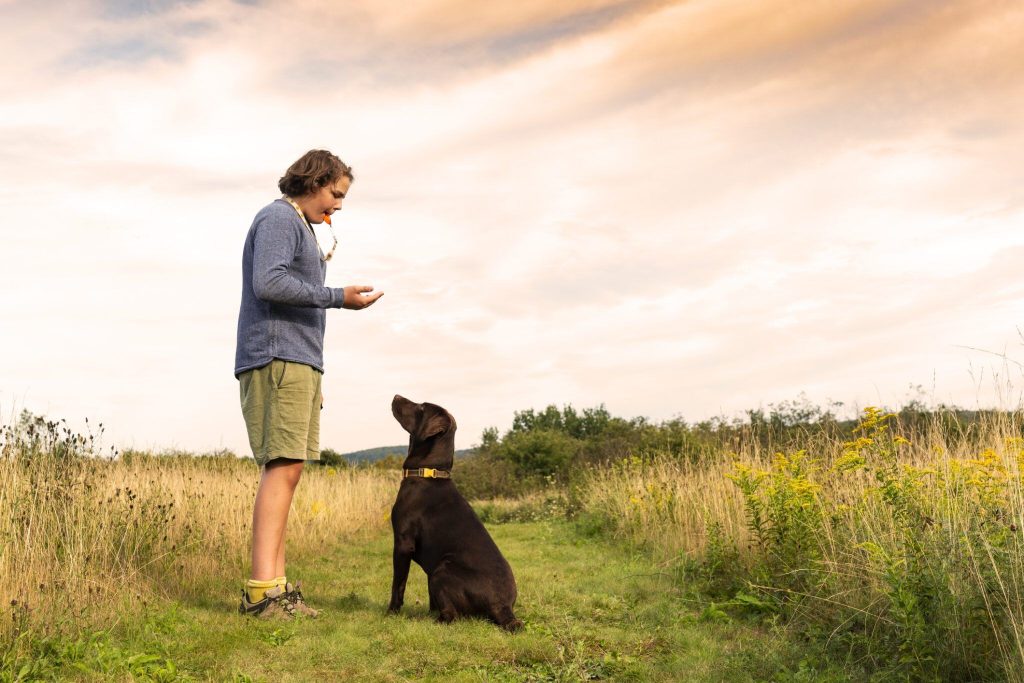
- Gestures: Hand signals can significantly reinforce verbal commands. For instance, using a raised hand for ‘sit’ along with the word can help your dog associate the action with both visual and auditory cues. Many trainers recommend gestures as they provide clearer guidance, especially in distracting environments.
- Posture: Your own stance can influence your pet’s confidence levels. For example, if you bend down to your pet’s level, you convey approachability and friendliness. Conversely, standing tall with crossed arms may intimidate some animals, leading them to feel more insecure or hesitant in your presence.
- Facial Expressions: Believe it or not, your face holds great power in communicating with your pet. A soft smile can make your dog feel at ease, while a frown or pursed lips might send mixed signals. Research has shown that animals are adept at reading human emotions, meaning your expression can directly impact their behavior.
Evidence suggests that both dogs and cats are remarkably skilled at interpreting human emotional cues. One study highlighted that dogs often look to their owner’s face for clues about how to react in uncertain situations. This illustrates just how critical being aware of your own body language is when training and interacting with your pet.
As you explore pet training, remember that adapting your body language is transformative. It not only improves your pets’ behavior but fosters an environment of trust and understanding. For instance, if your dog seems anxious during training, modifying your tone and posture can lead to a more relaxed session, allowing for better learning outcomes.
In conclusion, mastering your own body language and understanding your furry companion’s signals can lead to a fulfilling relationship. Pay attention to the subtleties of movement and expression, and encourage a positive dialogue with your pet. This journey not only enhances their training experience but also enriches the bond you share, paving the way for a happy, well-adjusted pet.
DIVE DEEPER: Click here to discover essential tips for a pet-friendly space
Decoding Your Pet’s Behavior through Body Language
When it comes to pet training, the ability to decode your furry friend’s body language is crucial. Pets communicate primarily through their physical movements, and recognizing these cues can make all the difference in understanding their needs and emotions. This understanding not only helps in effective training but also strengthens the bond you share. By learning to interpret these signals, you can create a more harmonious environment for learning. Below are some ways to identify and respond to common body language signals exhibited by pets:
- Tail Position: For dogs, a wagging tail often signifies excitement or happiness, but it’s essential to consider the speed and position. A low wag might indicate submission, while a stiff, high-held tail can signal alertness or aggression. Understanding these nuances can help you assess your dog’s emotional state during training.
- Ear Movements: A dog’s ears can tell you a great deal about how they are feeling. Erect ears generally indicate interest or attentiveness, while flattened ears can suggest fear or submission. In cats, ears that swivel can indicate curiosity, whereas ears pinned back can signal annoyance or fear. Reacting appropriately to these signals can prevent training setbacks.
- Vocalizations: While vocal communications like barking, meowing, or whining are more apparent, they often accompany body language. An encouraging tone can increase your pet’s motivation. Mix verbal commands with positive vocalizations to reinforce desired behaviors.
- Body Posture: A confident stance, with a relaxed body, shows that your pet is at ease. Conversely, a rigid body or a lowered stance suggests fear or anxiety. By adopting a more welcoming posture, such as kneeling down or facing your pet side-on, you promote a sense of security, making it easier for them to engage in training sessions.
Moreover, recognizing the interplay between your body language and your pet’s can lead to more effective communication. When you notice your dog becoming anxious or distracted, adjusting your energy can foster a calmer environment. Techniques such as relaxing your stance or softening your voice can reduce stress for both you and your pet.
Studies have shown that pets are remarkably skilled at picking up on human emotions. A smiling face may encourage your dog to follow commands more eagerly, while a tense or frustrated expression might lead to confusion or reluctance. Consequently, being aware of your own body language during training is just as important as understanding your pet’s cues.
In essence, body language serves as a critical factor in successful pet training. By paying close attention to the messages conveyed through gestures, postures, and expressions, you can tailor your training methods to suit your pet’s unique personality and emotional state. This awareness fosters a cohesive learning atmosphere that not only enhances their training experience but also nurtures your mutual relationship.
The Importance of Understanding Body Language
Understanding body language is vital when training your pet effectively. Pets, particularly dogs and cats, communicate primarily through their physical cues. Recognizing these signals can enhance the training experience, lead to quicker learning, and strengthen the bond between you and your furry friend. For instance, a wagging tail doesn’t always indicate happiness. It can also signal excitement or anxiety. Similarly, a cat arching its back can reflect a desire to play or a defensive attitude, depending on the context. Moreover, applying body language effectively can contribute significantly to the training process. When a trainer mirrors a pet’s body language, it can create a sense of connection and understanding. This technique can help in establishing trust, essential for any successful training. For example, kneeling down to your dog’s level shows that you are approachable, which can significantly reduce their anxiety when learning new commands.Furthermore, utilizing the right body language can help reinforce positive behaviors. For instance, using open gestures and an upbeat posture when rewarding your pet can enhance their understanding of what pleases you. This technique fosters an environment where your pet feels more relaxed and open to learning.In the following section, we will provide insights into the specific body language cues to watch for in your pet and how these can influence training outcomes.
| Body Language Cues | Impact on Training |
|---|---|
| Tail Position | Indicates excitement or relaxation; crucial for interpreting emotional state. |
| Ear Movement | Shows alertness and interest; understanding tension can aid in guidance. |
By deciphering these body language cues, pet owners can create a more harmonious and productive training atmosphere. This knowledge not only enhances communication but also leads to a deeper relationship with your pet, making learning a more enjoyable journey for both parties.
DISCOVER MORE: Click here to learn about the latest trends
Enhancing Training with Your Own Body Language
While decoding your pet’s body language is pivotal for effective training, the way you carry yourself also plays a critical role. Understanding how your physical presence and movements impact your pet’s behavior is essential to fostering a positive training experience. Here are some ways in which your body language can enhance training efforts:
- Consistent Signals: When training your pet, consistency is key. Your body language should align with your verbal commands. For instance, if you’re teaching a dog to sit, consider using a clear hand signal along with the command. This visual cue reinforces the message, making it easier for your pet to grasp expectations.
- Calm Energy: Animals are highly attuned to the energy of those around them. If you approach training with a calm demeanor, your pet is more likely to feel at ease. Use slow, controlled movements, and maintain an even tone. A hurried approach can create anxiety, hindering the learning process and potentially leading to frustration for both you and your pet.
- Eye Contact: Establishing eye contact can strengthen the bond between you and your pet. It signals attentiveness and engagement. However, it’s essential to ensure that your gaze remains relaxed rather than intense. If your pet looks away, they may need a moment to process what you’re saying or may feel overwhelmed. Allowing them space to breathe is just as important as making connections through gaze.
- Body Orientation: The way you position your body during training significantly impacts your pet’s receptiveness. Facing your pet directly can create a more assertive atmosphere, which might feel intimidating. Instead, try facing them at an angle to appear less confrontational. Kneeling down to their level can also make you appear more approachable, facilitating a more comfortable learning environment.
Real-life examples highlight how tailored body language can make a difference in training outcomes. A dog trainer in California observed that her puppies responded better when she crouched beside them rather than hovering above them. By altering her stance, she created a more inviting space, boosting their confidence and eagerness to engage. Similar principles apply when working with other pets, like rabbits or birds, which often respond to gentle movements and soft voices.
Behavioral trainers emphasize the importance of mirroring, which involves reflecting your pet’s behavior in a controlled manner. If your dog becomes excited when practicing a new trick, display your own enthusiasm through playful gestures or uplifting vocalizations. This not only reaffirms the pet’s behavior but also reinforces a positive emotional connection, making the training experience more enjoyable for both parties.
The impact of body language on training extends beyond immediate interactions. Regular practice of mindful communication can lead to long-term behavioral transformations. For instance, consistent use of specific hand signals combined with a friendly approach can establish a language that your pet begins to recognize instinctively. Creating a training routine that emphasizes cooperation and mutual respect can turn each session into a rewarding experience.
Ultimately, body language in pet training is a two-way street. By learning to interpret the signals your pet sends while simultaneously refining your own physical presence, you foster an environment rich with understanding and respect. This dual focus can significantly enhance training efficacy, creating lasting bonds and obedient companions.
DISCOVER: Click here to read inspiring success stories
Conclusion: The Transformative Power of Body Language in Pet Training
In the intricate dance of pet training, body language emerges as a vital partner. Understanding and leveraging your own physical cues can significantly shape the way your pet interprets training sessions. Throughout this article, we’ve explored how consistency, energy, eye contact, and body orientation transform the dynamic between you and your pet, paving the way for a more rewarding learning experience.
The journey toward effective training begins with a dual acknowledgment: not only is it crucial to read and respond to your pet’s signals, but your own body language also communicates a wealth of information. By fostering a calm atmosphere and using positive reinforcement, you create a training environment that nurtures trust and builds confidence. Tailoring your approach based on your pet’s behavior cultivates a rich narrative of shared understanding.
For aspiring pet owners and seasoned trainers alike, the dynamics of body language offer a layer of complexity and depth that enhances traditional training methods. As you embrace these principles, remember to approach each session with an open mind and heart. The synergy of human and animal communication can lead to remarkable transformations, establishing long-lasting bonds characterized by respect and affection.
As you embark on your training journey, consider diving deeper into the nuances of body language. Investigate resources on canine and feline behavior or connect with local trainers who emphasize these skills. In the end, the impact of mindful communication transcends simple obedience; it fosters a fulfilling relationship that enriches the lives of both you and your beloved companion.
Related posts:
Positive Reinforcement Strategies for Training Cats
The Benefits of Socialization in Dog Training
Effective Puppy Training Techniques for First-Time Dog Owners
Utilizing Technology: Apps and Tools to Enhance Your Pet Training Experience
Integrating Training Sessions into Daily Routines for Busy Pet Owners
The Role of Consistency in Verbal Cues: How Words Shape Your Pet's Training Success

Linda Carter is a writer and pet care expert specializing in pet health, grooming, and wellness. With extensive experience helping pet owners create safe, loving, and enriching environments for their animals, Linda shares her knowledge on our platform. Her goal is to empower readers with practical advice and strategies to ensure their pets thrive and lead joyful, healthy lives.