Creative Techniques for Training Multiple Pets at Once
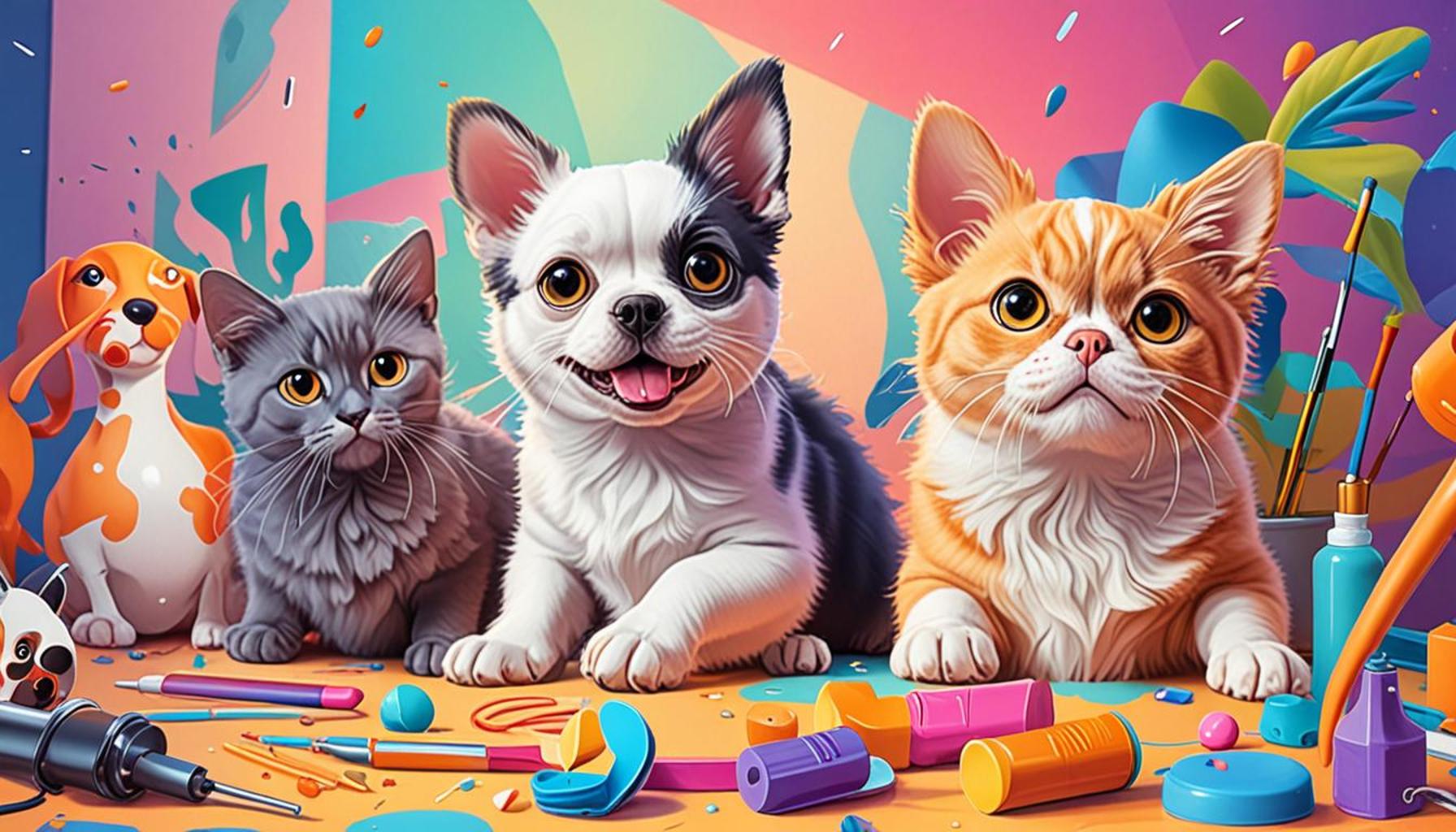
Understanding the Dynamics of Training Multiple Pets
Training more than one pet can be both rewarding and complex, requiring a thoughtful approach that acknowledges the unique personalities and needs of each animal. Using creative techniques not only streamlines the training process but also fosters a positive environment that encourages learning and interaction among your pets.
The trend of training pets simultaneously is gaining momentum among pet owners for numerous reasons. Here are several key advantages:
- Efficiency: Training multiple pets together allows you to maximize your time and resources. Instead of conducting separate sessions, you can address various commands and behaviors in a single training session. For example, while one dog learns to sit, a second can work on staying in that position until released, making the most of your training time.
- Socialization: Learning in a pack setting enables pets to observe and mimic each other’s behaviors. Puppies and kittens often learn commands more quickly when they see their companions responding positively. This dynamic helps reduce behavioral issues, such as anxiety or fear, as pets become more familiar with social settings.
- Consistency: Training multiple pets together ensures that commands and routines are reinforced uniformly. This is crucial for fostering an understanding among the pets about acceptable behaviors. For instance, if you consistently use the same commands across both pets, they’re more likely to respond similarly, leading to harmonious interactions.
With the right techniques, even the most energetic households can evolve into structured sanctuaries. Methods such as utilizing group commands, incorporating interactive play, and applying positive reinforcement strategies can significantly enhance the training experience. For example, using a single command like “come” for all pets can create a cohesive and coordinated response. Rewarding them simultaneously can also enrich their experience and reinforce desired behaviors.
Wondering how to effectively implement these strategies? Delving into various training techniques can unveil new pathways to establishing a well-organized environment that thrives on joy and discipline. Researching techniques such as clicker training, where pets receive a reward for completing a desired action, can also contribute to effective learning sessions.
As you navigate through this guide, prepare to discover innovative strategies designed to make training enjoyable and productive. Collaborating with your furry companions in this new way promises a fulfilling experience that can deepen your bond while instilling good behavior.
DISCOVER MORE: Click here for essential tips
Effective Approaches to Collaborative Training
When embarking on the journey of training multiple pets, recognizing the dynamics at play is paramount. Each pet possesses distinct personality traits, learning speeds, and preferences. Employing a mix of innovative techniques can create a nurturing training environment that is engaging for all involved. Here are some practical strategies that can help streamline your group training sessions:
1. Group Commands: Fostering Unity
Utilizing group commands is a highly effective way to connect your pets during training. Instead of individual commands for each pet, opt for broader cues that everyone learns to respond to. For instance, the command “settle down” can be employed to encourage all pets to find a calm space. This approach not only promotes cohesiveness but also enhances the learning experience, as pets often look to each other for cues. Additionally, ensuring that your communication is clear and consistent across all pets will reinforce their understanding and obedience.
2. Interactive Play with Purpose
Integration of interactive play into training creates an element of fun while simultaneously teaching important skills. Activities such as fetch or tug-of-war can become effective training tools. For example, when playing fetch, utilize moments where pets need to release the ball to reinforce commands like “drop it” or “leave it.” This serves a dual purpose: the pets will associate playtime with obedience, and it provides an opportunity for engaging with multiple animals in a harmonious manner.
3. Positive Reinforcement Techniques
Positive reinforcement is a cornerstone of effective training, especially when working with several pets at once. Finding a method that rewards collaborative behavior can be beneficial. Use treats, praise, or playtime to positively reinforce successful actions. For example, if all pets successfully execute a group command, reward them simultaneously. This dramatically enhances the training atmosphere and encourages team effort among your pets.
4. Structured Learning Sessions
Creating a structured training schedule can significantly enhance the effectiveness of your sessions. Allocate specific times during the week for training, ensuring consistency. Incorporating short but engaging sessions—around 10 to 15 minutes—can help maintain a pet’s focus. Additionally, diversity within sessions can capture their interest, such as introducing new commands or integrating agility techniques that involve both pets navigating through an obstacle course together.
As you apply these creative techniques, be mindful of the unique personalities of your pets. Adjust your methods accordingly to capitalize on their strengths and accommodate their weaknesses. Whether you’re training two kittens or three dogs, the emphasis on collective learning and interaction lays the groundwork for not only effective training but enriched companionship.
As you delve deeper into the specifics of implementing these strategies, consider exploring resources that can boost your understanding of animal behavior. This intricate knowledge will allow for an even more successful training experience.
| Training Technique | Benefits |
|---|---|
| Positive Reinforcement | Encourages good behavior without intimidation, fostering a strong bond. |
| Group Commands | Promotes teamwork among pets and streamlines training sessions effectively. |
| Interactive Toys | Stimulates mental engagement, making training fun for multiple pets. |
| Timed Training Sessions | Increases focus and keeps the training fresh to avoid boredom. |
| Positive Association Techniques | Strengthens pets’ trust in their handlers and minimizes anxiety. |
To effectively train multiple pets at once, employing a blend of diverse and creative techniques is essential. Techniques like positive reinforcement not only motivate pets but also cultivate an atmosphere of trust between the pet and trainer. Moreover, introducing group commands can unify your pets, emphasizing the idea of teamwork while simplifying training sessions.Interactive toys can further ignite a pet’s enthusiasm for learning, turning sessions into delightful, engaging experiences. Limiting the duration of training through timed sessions prevents monotony and keeps pets on their toes, ensuring they remain attentive.Finally, utilizing positive association techniques to connect actions to rewards helps in managing multiple animals while lessening their anxiety. With these innovative strategies, effective training becomes not just possible but also an enjoyable venture for both the trainer and the pets involved.
DISCOVER MORE: Click here to learn about the rising trends in exotic pet ownership
Advanced Strategies for Enhanced Training
As you delve further into the art of training multiple pets, it’s essential to explore more advanced strategies that build upon foundational techniques. These methods can not only improve the efficiency of training sessions but also foster a stronger bond between you and your pets. Here’s how to elevate your training game:
5. Individual Attention with Group Dynamics
While group training is essential, carving out moments for individual attention is equally important. Each pet has unique needs that may not be addressed in a group setting. Schedule short one-on-one sessions during group training, where you can focus on a particular pet’s challenges or strengths. This strategy allows you to work on tailored cues or behaviors that might be specific to one animal, while the others remain engaged in a different activity, like basic obedience practice or group play. Mixing individual and group training helps each pet benefit from focused instruction while still being part of the larger ensemble.
6. Utilizing Scent and Food Puzzles
Incorporating scent and food puzzles into your training routine serves dual purposes: mental stimulation and teamwork. Because animals process scent differently, utilizing their most effective sense can encourage collaboration. Place small treats in various toys or hiding spots and instruct your pets to work together to sniff them out. This collaborative play teaches them not only to use their instincts but also to rely on one another. Moreover, when pets are engaged in activities that involve their natural behaviors, they are more likely to succeed, solidifying their learning and creating a playful training atmosphere.
7. Target Training as a Coordination Tool
Target training is an engaging way to teach multiple pets while focusing on coordination. Using a target stick or your hand, guide pets to touch or follow the target. This can be particularly effective during group training as pets learn to look to the target while learning to follow cues in unison. This technique encourages focus and concentration, as they work together rather than competing for your attention. Not only does it promote an organized learning environment, but it also enhances their ability to cooperate with each other.
8. The Power of Timing and Meals
Timing can greatly affect training success, especially when incorporating mealtime into the mix. Utilize meal times as an opportunity for training reinforcement. For example, before placing their food bowls down, have all pets perform a specific command like “sit” or “stay.” This connection between fulfilling needs and obedience teaches pets the importance of listening and enhances their excitement for training. Moreover, knowing they will receive their meal for completing the task successfully creates anticipation, promoting better behavior, and making the training process enjoyable.
9. Make Training a Family Affair
Involving family members in the training process can provide multiple perspectives and create variety in training styles. Different family members might interact with pets in unique ways, resulting in diverse experiences that aid in their learning. This not only builds trust with your pets but also creates a sense of community around the principles of training. Assign specific commands or responsibilities to each person, making training sessions feel like a fun family project rather than a chore.
In exploring these advanced strategies, remember that patience and consistency remain critical elements in the training process. By blending focus with an exciting approach, you can nurture well-behaved pets that thrive in a multi-animal setting, creating a harmonious household environment.
DISCOVER MORE: Click here to learn effective training techniques
Conclusion
Training multiple pets at once can be a rewarding yet challenging endeavor, requiring creativity, patience, and a structured approach. By utilizing innovative techniques such as individual attention within group settings, incorporating engaging scent and food puzzles, and employing coordination tools like target training, you can streamline the learning experience for each of your pets. Coupled with strategic timing around meals, you’ll create not only a successful training routine but also a joyous atmosphere where pets enjoy learning together.
Moreover, the idea of making training a family affair further enriches the experience, turning training sessions into collaborative family projects. This not only broadens the perspective through varied training styles but also fosters a strong sense of community among your pets and family. Remember, consistency and patience are key components that contribute significantly to training success. The ultimate goal is to build well-behaved, harmonious relationships with each of your pets while enhancing their ability to connect with one another.
As you embark on this exciting journey, let your creativity shine. Don’t hesitate to adapt techniques that suit your household dynamic best. By remaining open to exploration and innovation in training, you’ll not only discover new methods that work best for your unique set of pets, but also create a delightful atmosphere that strengthens the bond between you and your furry friends!
Related posts:
The Benefits of Socialization in Dog Training
Positive Reinforcement Strategies for Training Cats
The Science Behind Timing in Reward-Based Training Methods
The Role of Body Language in Training Your Pet
Building a Training Schedule: How Consistency Affects Your Pet's Learning
Integrating Training Sessions into Daily Routines for Busy Pet Owners

Linda Carter is a writer and pet care expert specializing in pet health, grooming, and wellness. With extensive experience helping pet owners create safe, loving, and enriching environments for their animals, Linda shares her knowledge on our platform. Her goal is to empower readers with practical advice and strategies to ensure their pets thrive and lead joyful, healthy lives.