Incorporating Clicker Training into Your Pet’s Routine
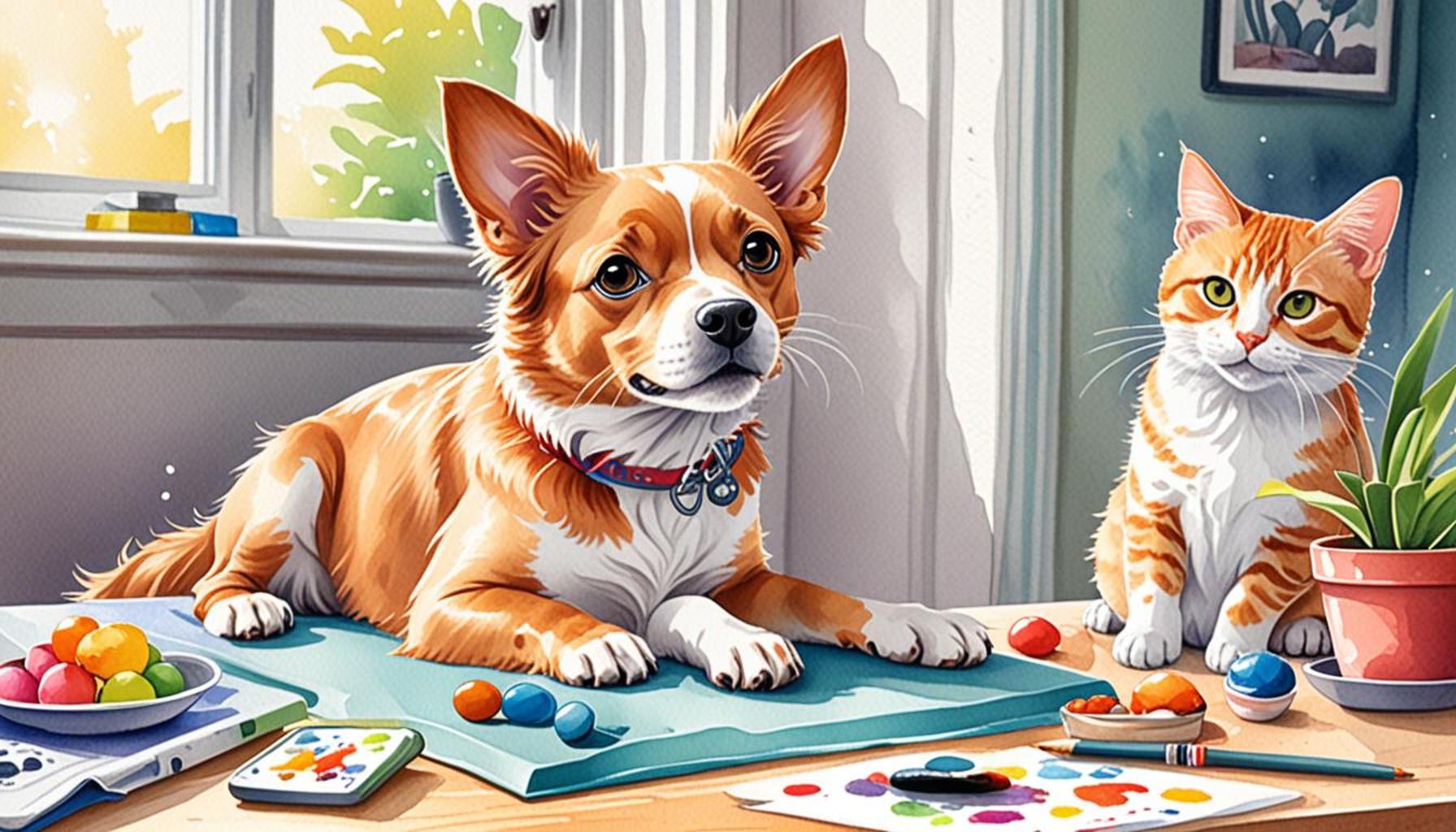
Unlocking the Benefits of Clicker Training
Clicker training is a powerful method for enhancing your pet’s learning experience. With its simple concept, you can turn training sessions into fun activities that strengthen the bond between you and your furry friend. Here’s why you should consider incorporating clicker training into your pet’s routine:
- Positive Reinforcement: Clicker training emphasizes rewarding good behavior, making it an enjoyable process for pets. This technique involves using a small handheld device that makes a distinctive “click” sound when pressed. Animals respond more eagerly when they know that behavior they’ve performed will receive a treat or praise immediately after the click, creating a positive feedback loop.
- Clear Communication: The distinct sound of the clicker helps your pet understand exactly which behavior is being rewarded. This clarity is crucial; unlike verbal commands that can be misinterpreted, the click is a specific marker. For instance, if you ask your dog to sit and click the moment their bottom touches the ground, they learn that sitting is what gets rewarded.
- Increases Focus: Using a clicker can improve your pet’s concentration during training sessions. The sound of the clicker commands attention, making it an effective tool in noisy or distracting environments. This heightened focus can also lead to faster learning rates, as pets are more engaged and motivated.
This method is not just about teaching tricks; it lays the foundation for effective communication and a cooperative relationship throughout your pet’s life. Studies have shown that pets trained with a clicker are not only more engaged and responsive but also demonstrate behaviors more typical of well-mannered companions. As you build on these skills, interactions become smoother, enriching both your lives.
Examples of Commands to Teach
Thinking about some skills you can teach? Start with these popular commands:
- Sit: A fundamental command that establishes control and a starting point for further training.
- Stay: Essential for keeping your pet safe in potentially dangerous situations.
- Come: This command is vital for outings where your pet could wander off.
- Shake hands: A fun trick that can impress friends while reinforcing cooperation.
As you delve into clicker training, the versatility and effectiveness of this technique become increasingly apparent. Whether you’re rehabilitating a shelter dog or enhancing the obedience of your long-time pet, you’ll find that clicker training can transform your training experience. With consistency and patience, the bond you share with your pet will not only grow stronger but also foster a deeper level of understanding between you. This harmonious relationship can lead to a lifetime of happiness and companionship, making clicker training a worthwhile commitment for pet owners eager to see their furry friends thrive.
DISCOVER MORE: Click here to learn effective training tips
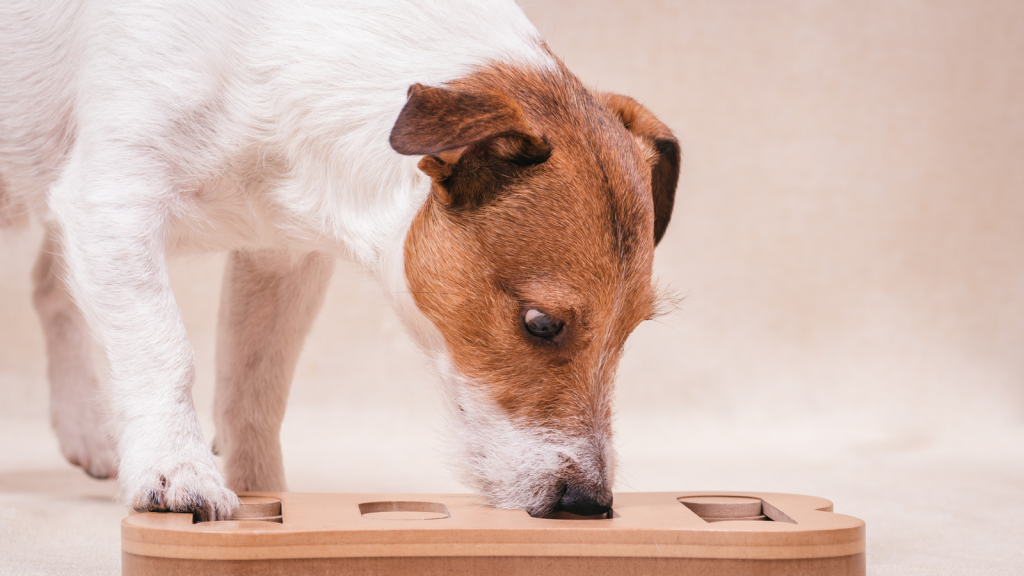
Getting Started with Clicker Training Techniques
The initial step towards successful clicker training is acquiring the right tools and developing an understanding of the method itself. Before you begin incorporating clicker training into your pet’s routine, it’s essential to select an appropriate clicker. These devices are widely available at pet stores and online, and they come in various types, including those with adjustable volume settings for different environments. Your clicker should be easy to use and responsive, ensuring that you can click quickly in response to your pet’s good behavior.
Once you have your clicker, the next phase is to introduce it to your pet. Start by allowing them to familiarize themselves with the sound of the clicker. You might want to click it a few times, immediately rewarding your pet with a treat afterward. This process, known as “charging the clicker,” helps your animal associate the sound with positive reinforcement. The goal here is to create a strong connection between the click sound and the subsequent reward — whether it is a treat, a toy, or affection.
Establishing a Routine
Incorporating clicker training into your pet’s routine requires consistency and dedication. It’s recommended to allocate a specific time each day for training sessions, ideally when your pet is most alert and focused. Sessions should be short, ranging from 5 to 15 minutes, to keep your pet engaged without overwhelming them. Frequent, short training sessions tend to yield better results than infrequent, lengthy ones.
- Consistency is Key: Use the clicker and rewards consistently to reinforce desired behaviors. For example, if teaching the ‘sit’ command, click every time your pet performs the action correctly.
- Practice Patience: Different pets learn at different rates. Celebrate small victories and be patient with your pet’s learning journey.
- Mix it Up: To keep training fun, vary the location of your sessions. Different environments can enhance your pet’s ability to generalize the behavior you’re reinforcing.
Tracking your pet’s progress is also invaluable. Maintain a training journal where you document each session, noting what commands were practiced, what your pet excelled at, and where they might need more work. This can help you identify patterns and adjust your training approach as necessary. Additionally, recording your progress can be motivating for you and help gauge how your pet is responding to the clicker training.
As you delve into these routines, remember that the ultimate goal of clicker training is to strengthen your relationship while teaching your pet essential commands and good behavior. Start with simple commands, gradually advancing to more complex tasks as your pet becomes proficient. The positive nature of clicker training creates an engaging atmosphere where both you and your pet can thrive, setting the stage for many enjoyable bonding moments in the training process.
| Category | Advantages |
|---|---|
| Clear Communication | Clicker training provides a precise sound that signals to your pet exactly when they’ve done something right, minimizing confusion. |
| Quick Learning | Utilizing positive reinforcement through clicks fosters faster learning, as pets associate the sound with rewards and positive outcomes. |
| Building Bond | Engaging in clicker training enhances the bond between pet and owner, promoting trust and a cooperative spirit. |
| Versatility | This method can be applied to various behaviors, from simple commands to complex tricks, making it an effective training tool. |
Incorporating clicker training into your pet’s routine is not only an effective training method but also a way to deepen your relationship with your furry companion. The targeted sound of the clicker clearly communicates to your pet what behavior is being rewarded, leading to a much clearer understanding of expectations. This clarity is crucial, as it enables quicker learning and retention of commands. Additionally, clicker training fosters a positive environment where your pet can feel encouraged and motivated to learn new skills. By associating the click sound with treats or praise, you are effectively using the principles of positive reinforcement, which can transform even the most stubborn pets into eager learners. Furthermore, this interactive form of training can be adapted for a wide range of behaviors, whether you want to teach basic commands or more advanced tricks, making it a versatile approach.
DIVE DEEPER: Click here to discover more
Enhancing Clicker Training with Interactive Activities
As you progress in incorporating clicker training into your pet’s routine, it’s vital to integrate interactive activities that help reinforce the behaviors you are teaching. Utilizing games and challenges can elevate the training experience for both you and your pet, making it not only effective but also enjoyable.
Engaging Games for Learning
One effective way to utilize clicker training is through interactive games. For example, a game of “Find It” can be a thrilling way to enhance your pet’s scent detection and recall skills. Begin by showing your pet a treat and then hiding it in a familiar area within your home. Use the clicker to signal when your pet successfully finds the treat. This game can gradually increase in difficulty by hiding the treat in harder-to-find spots, encouraging your pet to use their natural instincts.
- Tug of War: Not only is tug of war a fun activity, but it can also be used to reinforce commands. For instance, you can teach your pet to “drop it” when they are holding onto a toy. Once they release the toy, click and reward them.
- Obstacle Courses: Set up a mini obstacle course within your home or yard using items like chairs, cones, and tunnels. Click and reward your pet as they successfully navigate through the course, teaching them commands like “over,” “under,” and “through.”
These games not only provide physical exercise but also stimulate mental engagement, which is essential in effective training. The more your pet is engaged, the more quickly they will learn, turning training into a joy rather than a chore.
Incorporating Clicker Training in Everyday Life
In addition to formal training sessions, try to carry the principles of clicker training into your pet’s daily life. For example, if your dog politely waits at the door before going outside or your cat uses their scratching post instead of the furniture, seize these moments. Click and reward them, reinforcing their good behavior asynchronously and magically blending training with daily interactions.
Dogs, in particular, thrive on routine, so adding clicker training to routine activities can reinforce good behavior consistently. Incorporate the clicker when feeding time arrives. If your dog waits calmly or follows your command to sit before receiving their food, acknowledge their behavior with a click followed by a reward. This not only instills practical commands but enhances their patience and discipline.
Maintaining Motivation Levels
Keeping your pet motivated during training sessions is crucial for successful learning outcomes. Treats are effective, but some pets may lose interest in the same reward over time. Experiment with a variety of treats, toys, and praise, and observe what excites your pet the most. Also, consider utilizing higher-value rewards for more challenging tasks, ensuring your pet feels adequately rewarded for their efforts.
In the realm of clicker training, enthusiasm can fade if your pet senses monotony. Rotate activities frequently and introduce new commands gradually to keep the training fresh and engaging. By creating a vibrant and dynamic training atmosphere, your pet will look forward to these sessions, fostering a stronger bond and an eagerness to learn.
Combining structured training with enriching activities and incorporating clicker methodology into daily situations can transform your pet’s routine into an interactive and fulfilling experience. This approach nurtures not only skills but the vital bond that exists between you and your pet, ensuring a harmonious and happy coexistence.
DISCOVER MORE: Click here to learn about effective cat training
Conclusion
Incorporating clicker training into your pet’s routine offers a remarkable opportunity to strengthen the bond between you and your furry friend while enhancing their obedience and social skills. This method not only fosters a fun learning environment through engaging games and challenges but also bridges the gap between structured training and everyday behaviors. By seizing spontaneous moments to reward good behavior with clicks and treats, you subtly weave training into daily interactions, making it a seamless aspect of life.
Additionally, maintaining your pet’s motivation is key. It is important to regularly introduce new activities, rewards, and commands to keep training sessions exciting and fulfilling. A pet that is eager to participate in training not only learns more effectively but also enjoys the process, leading to a happier and healthier relationship. Remember, a routine rich in structure combined with dynamic interactions promotes not just skills but enriches your pet’s overall quality of life.
As you explore the world of clicker training, consider the unique personality and learning style of your pet. Each animal responds differently, which provides a personalized approach to training that can yield fantastic results. Embracing this innovative method ensures that your furry companion thrives, creating a joyful and constructive atmosphere that prioritizes both learning and companionship.
In conclusion, the path to effectively incorporating clicker training into your pet’s routine is paved with patience, creativity, and a deep understanding of your pet’s needs. Whether you are a seasoned trainer or a newcomer, implementing these strategies will undoubtedly lead to an enriched, harmonious relationship with your beloved pet.
Related posts:
Utilizing Technology: Apps and Tools to Enhance Your Pet Training Experience
Creative Techniques for Training Multiple Pets at Once
Building a Training Schedule: How Consistency Affects Your Pet's Learning
Overcoming Common Behavioral Issues in Adult Dogs Through Training
The Importance of Patience in Training: How to Cultivate a Positive Learning Environment
Using Obstacle Courses to Enhance Your Pet's Training Experience

Linda Carter is a writer and pet care expert specializing in pet health, grooming, and wellness. With extensive experience helping pet owners create safe, loving, and enriching environments for their animals, Linda shares her knowledge on our platform. Her goal is to empower readers with practical advice and strategies to ensure their pets thrive and lead joyful, healthy lives.