Understanding the Impact of Environment on Pet Training Success
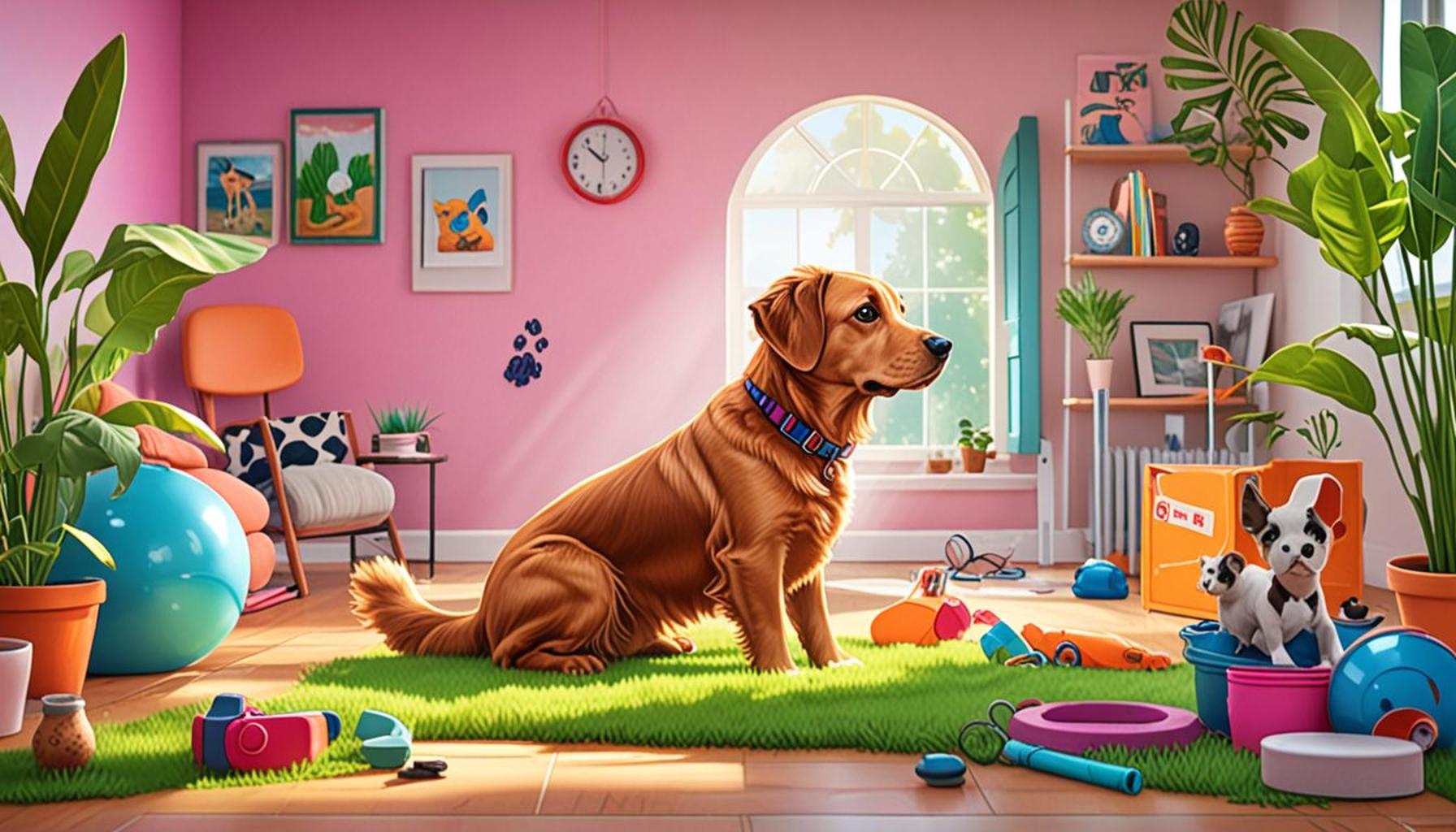
Understanding How the Environment Influences Pet Training
For pet owners, the importance of training cannot be overstated. Effective training not only contributes to a pet’s good behavior but also strengthens the bond between owner and pet. However, environmental factors can heavily influence the success of these training efforts. A deeper understanding of these influences can empower owners to enhance their training methods significantly.
Distractions are perhaps one of the most significant environmental factors affecting training. Pets raised in urban areas might face constant stimulation from traffic, other animals, and people, which can hinder their ability to focus. For instance, a dog trained in a bustling city park may struggle to respond to commands due to the distractions of passing cars, children playing, and other dogs barking. Conversely, a rural setting, with its quieter atmosphere and natural surroundings, may allow a dog to concentrate better on training sessions.
Comfort is another crucial element in the training environment. A pet that feels secure and familiar is more likely to engage during training sessions. This is particularly true for rescue animals, who may come from unstable or stressful backgrounds. Setting up a training space that includes their favorite toys or blankets can provide a sense of safety, making them more receptive to learning. For example, using a quiet room in the home where a cat feels secure can facilitate a successful training session for litter box use or positive scratching behavior.
The space available during training also impacts results. Ample room to run and play can enhance the effectiveness of training exercises that involve physical activity, such as agility or fetch. In contrast, a cramped environment may limit a dog’s ability to learn new commands or tricks, leading to frustration for both pet and owner. Owners who have a backyard or access to large open spaces can take advantage of these environments to introduce more dynamic training exercises.
Moreover, different species and breeds exhibit unique responses to their surroundings. For example, dogs often benefit from social environments where they can interact with other dogs and people, aiding their socialization skills. In contrast, cats generally prefer peaceful, less chaotic environments for training, as they are more susceptible to stress. This preference highlights the importance of tailoring training methods to suit each pet’s individual needs.
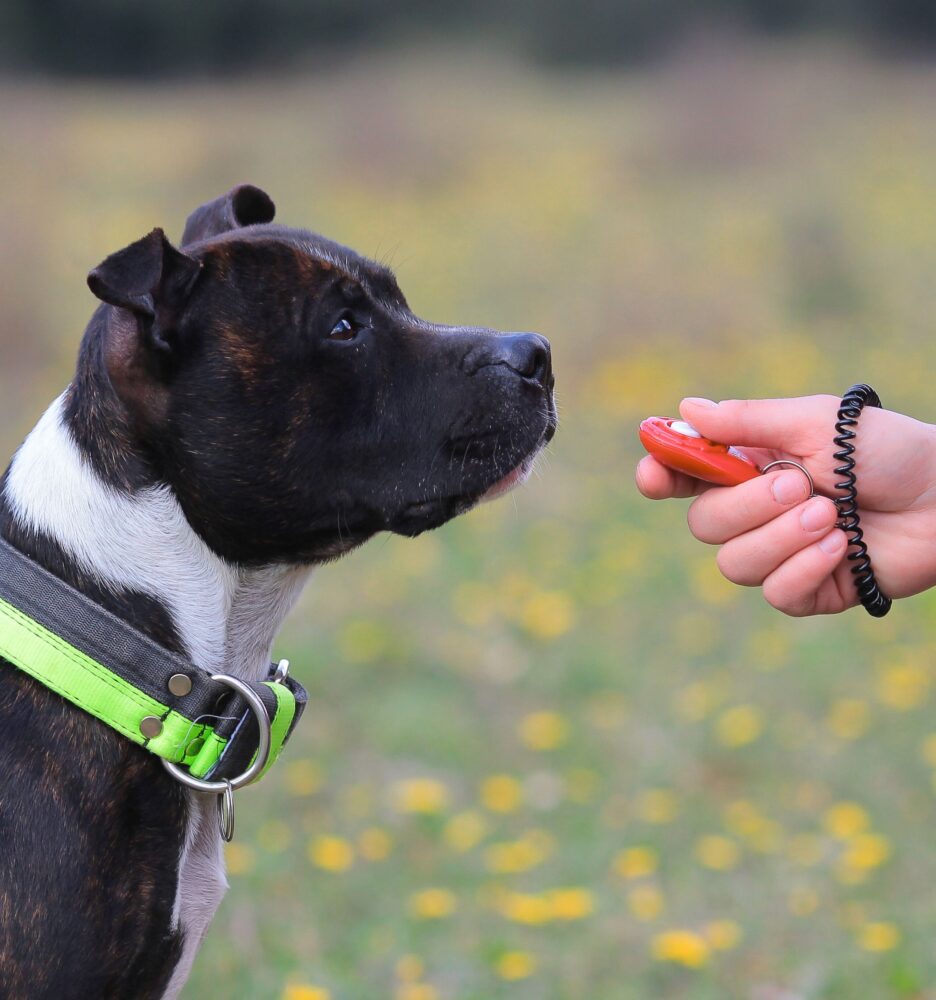
By recognizing the impact of environment on training, both pet owners and professional trainers can adapt their strategies for maximum effectiveness. Engaging with these factors allows for the development of more successful, enjoyable training experiences. For those looking to deepen their understanding, exploring resources on animal behavior can provide valuable insights into how further adjustments to the training environment can lead to better outcomes.
DISCOVER MORE: Click here to learn about the latest trends in exotic pet ownership
Recognizing Key Environmental Factors for Training Success
To maximize the potential of pet training, it is crucial to delve deeper into the multifaceted characteristics of the training environment. The environment isn’t just a backdrop; it plays an active role in shaping a pet’s learning process. Pet owners should consider various environmental aspects that directly correlate with training outcomes, such as noise levels, social interactions, and even visual stimuli.
The Role of Noise in Training Environments
Noise can be a significant barrier to effective training. Loud sounds, such as honking horns or construction activities, can easily disturb a pet’s concentration, leading to a frustrated and distracted learner. A study conducted by the University of Pennsylvania found that pets trained in quieter environments showed a 30% increase in successful command execution compared to those exposed to constant noise. Owners should consider conducting training sessions during quieter times of the day or choosing soundproof spaces when possible.
Social Interactions and Their Impact
Another critical environmental factor is the presence of social interactions. Pets who undergo training in environments filled with other animals or people often experience different learning outcomes compared to those trained in solitude. For instance, dogs can gain confidence and improve their social behaviors when exposed to other friendly dogs during training. Conversely, over-stimulation from excessive interaction can lead to anxiety or excitement, hampering the learning process. Owners can gauge what works best for their pets through a few trial sessions in varying environments.
Visual Stimulation and Learning
The visual stimuli present in a pet’s environment can also influence training success. Bright colors, moving objects, or unfamiliar decor may capture their attention, leading to distractions that interrupt learning. For example, a dog may struggle to focus on commands if there are children playing with toys, or if a squirrel is scurrying by outside the window. Creating a visual space that minimizes potential distractions—such as training in a room with neutral colors and minimal decoration—can enhance training effectiveness. Concealing distractions can make a world of difference in a pet’s ability to concentrate.
Creating an Optimal Training Environment
In summary, ensuring an appropriate training environment involves a combination of understanding noise levels, managing social interactions, and minimizing visual distractions. Pet owners can follow these tips to create an ideal training environment:
- Choose quiet times for training sessions to minimize external noises.
- Limit interactions with other pets and people during focused training.
- Reduce visual stimuli by selecting simple, calm training spaces.
By being mindful of these environmental factors, owners can establish a conducive training atmosphere that fosters better learning and stronger pet-owner bonds.
| Category | Benefits/Aspects |
|---|---|
| Environmental Enrichment | Promotes natural behaviors, reducing stress and anxiety in pets. |
| Consistency in Training | A stable environment fosters better learning and retention of commands. |
The role of the environment in pet training cannot be overstated. It encompasses various aspects, from physical surroundings to social stimuli, all of which influence a pet’s learning curve. For example, environmental enrichment is essential in promoting instinctual behaviors, thereby significantly reducing stress and anxiety. Animals that experience a stimulating environment will be more engaged during training sessions, making them more responsive to commands.On the other hand, consistency in training is pivotal; a stable environment is foundational for reinforcing learned behaviors. When pets are trained in a calm and predictable setting, they are more likely to grasp commands effectively and retain that learning over time. This consistency not only assists with obedience but also enhances the overall relationship between the pet and trainer.Understanding these factors will encourage pet owners to consider their training environments strategically, leading to improved pet behavior and training outcomes.
DIVE DEEPER: Click here to learn more about conservation ethics
Exploring Additional Environmental Variables Affecting Training
While noise, social interactions, and visual stimuli are crucial environmental factors influencing pet training success, several other variables contribute significantly to the overall training experience. These include temperature and weather conditions, space availability, and the familiarity of the training environment. Understanding these elements can further enhance an owner’s ability to create optimal conditions for their pets to thrive during training sessions.
Temperature and Weather Conditions
The temperature and weather conditions in which a pet is trained can have a profound impact on their ability to focus and learn. Extreme heat or cold can cause discomfort, leading to distractions that interfere with training. For instance, training a dog outdoors on a sweltering summer day may lead to lethargy and a lack of enthusiasm, while chilling temperatures could result in shivering or malcontent behavior. Research indicates that animals are most responsive to commands within a comfortable temperature range (about 68°F to 72°F for most pets). Therefore, owners should consider conducting training indoors on particularly hot or cold days to keep their pets comfortable and engaged.
The Influence of Space Availability
The amount of space available during training plays a role in a pet’s learning efficiency. Dogs and cats require ample space to execute commands, especially those involving movement such as ‘come’, ‘stay’, or agility training. A cramped environment can make it difficult for pets to understand and follow commands due to physical limitations. For instance, attempting to teach a dog to retrieve a ball in a small apartment may not fully illustrate the action’s scope, thereby confusing the pet. Emphasizing an environment that allows for appropriate movement and exploration can catalyze a more successful training experience.
The Importance of Familiarity in Training Settings
The familiarity of the training environment can also enhance a pet’s comfort level and responsiveness. Pets often perform better in spaces they know well, as these areas are less likely to induce anxiety or distraction. For instance, training sessions conducted in a pet’s regular park or familiar backyard may yield improved results compared to unfamiliar locations that can trigger stress or curiosity. Keeping training environments consistent, especially for initial lessons, can solidify foundational skills and boost a pet’s confidence during learning. Gradually introducing new training spaces may help in adapting the pet to various environments but should be done thoughtfully to avoid overwhelming them.
Adapting Training Sessions to Environmental Changes
Adaptability is key when considering environmental factors that can change frequently. Pet owners should remain flexible and attuned to their pet’s needs, making adjustments as necessary based on environmental conditions such as weather changes or social settings. Incorporating diverse training environments over time can also prepare pets for real-world applications of their training, helping them to generalize commands in varying situations.
By examining and adjusting these additional elements—temperature, space availability, and familiarity—owners can create an enriching training atmosphere that addresses both the physical and psychological needs of their pets, thereby facilitating success and improving the overall training journey.
DISCOVER MORE: Click here to learn about responsible pet adoption
Conclusion: Creating an Optimal Training Environment for Pets
In the journey towards successful pet training, understanding the multitude of environmental factors at play is absolutely essential. As explored, elements such as temperature and weather conditions, space availability, and the familiarity of the training environment can significantly influence a pet’s ability to engage and respond effectively during training sessions. By being vigilant and responsive to these factors, pet owners can tailor their training methods to cultivate a more conducive learning atmosphere.
Moreover, adaptability stands out as a vital trait for pet owners. As conditions vary—a sunny day may suddenly turn rainy or a previously quiet park may become bustling with activity—flexibility can ensure that training continues to be effective rather than stressful. The continuous acclimatization to different environments not only enriches a pet’s learning experience but also prepares them for real-life scenarios, promoting a well-rounded behavioral development.
Ultimately, the insights gleaned from this exploration underscore the notion that a thoughtful approach to training environments, along with a commitment to understanding individual pet needs, can pave the way for extraordinary success in training. By fostering settings that align with a pet’s comfort and natural inclinations, owners can unlock their furry companions’ full potential, paving the way for a harmonious coexistence and a lasting bond.
Related posts:
Using Treats Wisely: The Dos and Don'ts of Reward-Based Training
Training Your Pet for Real-Life Situations: Practical Skills for Everyday Challenges
Utilizing Technology: Apps and Tools to Enhance Your Pet Training Experience
Training Techniques for Senior Pets: Adapting Methods for Older Animals
Overcoming Common Behavioral Issues in Adult Dogs Through Training
Effective Puppy Training Techniques for First-Time Dog Owners

Linda Carter is a writer and pet care expert specializing in pet health, grooming, and wellness. With extensive experience helping pet owners create safe, loving, and enriching environments for their animals, Linda shares her knowledge on our platform. Her goal is to empower readers with practical advice and strategies to ensure their pets thrive and lead joyful, healthy lives.