The Importance of Hydration in Pet Diets
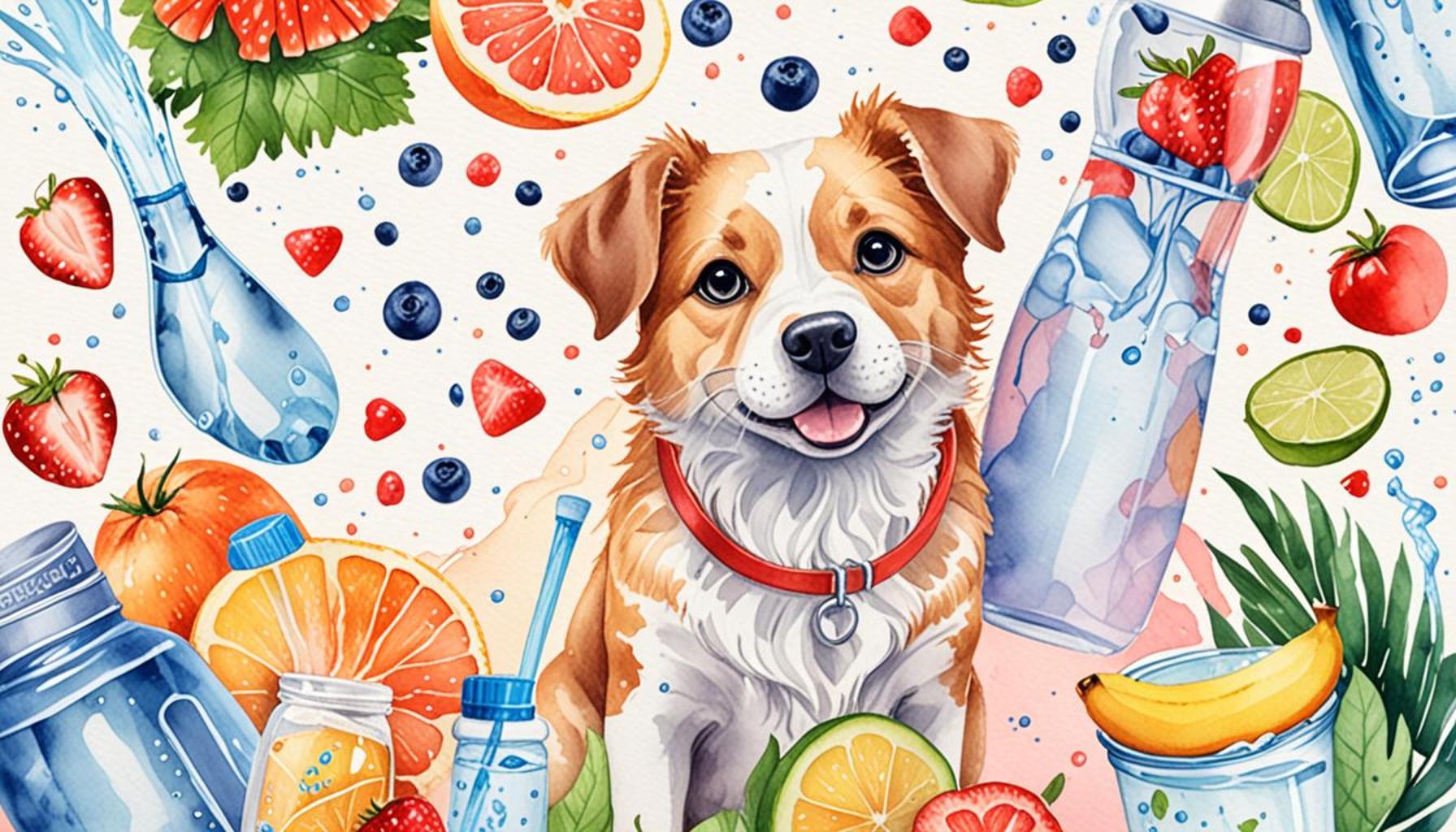
The Importance of Hydration for Pets
Keeping our pets hydrated is not just important; it is essential for their overall health. Water plays a crucial role in various bodily functions, including:
- Temperature regulation: Water assists in maintaining a stable body temperature, which is particularly crucial during warm weather. Dogs and cats can quickly become overheated, and adequate water intake is vital for cooling them down.
- Digestive health: Water is essential for digestion and nutrient absorption. It helps break down food and allows for smooth passage through the gastrointestinal tract. Without enough water, pets can suffer from constipation and other digestive issues.
- Joint lubrication: Water acts as a lubricant for joints, which is especially important for active pets or those suffering from arthritis. Proper hydration helps keep joints healthy and functioning smoothly, allowing pets to engage in physical activities comfortably.
It is common for many pet owners to overlook hydration, thinking that food alone suffices for their pets’ hydration needs. However, proper hydration is a fundamental aspect of a balanced diet. In fact, studies indicate that:
- Pets can suffer from dehydration just like humans. Dehydration can lead to serious health complications, including kidney problems and urinary tract infections.
- Some medical conditions require increased fluid intake for recovery. For example, pets battling certain infections or recovering from surgery may need more water to support their healing process.
- Hydrated pets tend to have more energy and better overall mood. This can lead to a happier and more active pet, enhancing the bond between them and their owners.
It’s important to note that not all pets have the same hydration needs. Factors such as age, size, and activity level can significantly influence how much water they require daily. For example, active dogs or those on dry food diets typically need more fluids than sedentary pets or those eating wet food.
Additionally, environmental factors play an important role in hydration requirements. Heat, humidity, and altitude can all impact your pet’s need for water. In the hot summer months, your pets may need access to fresh water at all times to remain hydrated, especially after exercise.
In the upcoming sections, we will delve deeper into understanding how to ensure your pet is adequately hydrated and the serious implications that arise from neglecting their water needs. Stay tuned to discover practical tips and tricks to enhance your pet’s hydration and overall health!
DISCOVER MORE: Click here to enhance your pet’s training
Understanding Your Pet’s Hydration Needs
The foundation of ensuring optimal hydration for your pet lies in recognizing their unique requirements. Each pet is an individual, and factors such as age, size, breed, and activity level all play pivotal roles in determining how much water they should consume daily. For instance, adult dogs typically require approximately 1 ounce of water per pound of body weight each day, while cats may need about 3.5 to 4.5 ounces for every 5 pounds. However, this can vary significantly based on their specific circumstances.
Moreover, nutritional choices heavily influence hydration levels. A pet that consumes predominantly dry kibble will generally need more water compared to one that feasts on wet food, which contains a significant amount of moisture. In fact, wet foods can contribute up to 78% water to your pet’s diet, making them an excellent option for enhancing hydration. It’s essential for pet owners to assess their pet’s dietary choices to ensure they meet their hydration needs.
Additionally, climate and seasonal changes affect hydration needs as well. During hot summer months, increased physical activity, like outdoor play or long walks, can deplete your pet’s water reserves more rapidly. This underscores the necessity of providing easy access to fresh, clean water throughout the day. As a responsible pet owner, being proactive can make all the difference. Here are some signs that may indicate your pet is not getting enough fluids:
- Loss of appetite: A hydrated pet typically shows interest in food, while dehydration can lead to decreased or complete loss of appetite.
- Lethargy: If your pet is unusually inactive or sluggish, it may be a signal that they need more hydration.
- Dry gums: Checking for dry or sticky gums can be a quick way to assess your pet’s hydration levels.
- Sunken eyes: Deep-set eyes can indicate dehydration and should prompt immediate action.
Regular check-ups with a veterinarian can also help in assessing your pet’s hydration status, especially for those with specific health issues or older pets who might be more susceptible to dehydration. Early intervention is crucial; in some cases, chronic dehydration can lead to grave consequences, including kidney disease and urinary blockages.
In the next segment of this article, we will explore practical strategies to enhance hydration in your pet’s diet. From innovative feeding techniques to clever hydration solutions, our goal is to equip you with tools to keep your furry companion healthy and thriving. Stay tuned as we unravel the mysteries of pet hydration!
The Importance of Hydration in Pet Diets
Maintaining adequate hydration is crucial for pets, as it plays a pivotal role in their overall health and well-being. Water is essential for various bodily functions, including digestion, nutrient absorption, and temperature regulation. A pet’s need for water varies depending on factors like size, activity level, age, and diet type, making it vital for pet owners to be aware of their specific hydration needs.
Moreover, the composition of a pet’s diet significantly impacts their water intake. Dry commercial pet foods, while convenient, often contain lower moisture content, necessitating increased water consumption. This can lead to issues if a pet does not drink enough, resulting in dehydration, urinary problems, and even kidney issues.
On the other hand, wet food options typically provide higher moisture levels, aiding in hydration and enticing picky eaters. Freshwater availability is equally important. Pet owners should ensure that their pets always have access to clean drinking water to promote healthy hydration habits.
| Advantage | Description |
|---|---|
| Improved Digestion | Adequate hydration aids in breaking down food and enhances nutrient absorption. |
| Enhanced Kidney Function | Proper water intake helps flush toxins from the kidneys, reducing the risk of urinary tract issues. |
Understanding the connection between hydration and diet can empower pet owners to make informed decisions for their furry companions. Regular monitoring of water intake and adjusting diets accordingly are key steps to ensure pets receive the hydration necessary for a long and healthy life.
LEARN MORE: Click here to discover the value of patience in training
Effective Ways to Enhance Your Pet’s Hydration
Once you understand your pet’s specific hydration needs, the next step is to implement practical strategies to ensure they stay hydrated. Dogs and cats can be picky drinkers, and some may not regularly consume enough water on their own. Therefore, exploring various methods to boost their fluid intake can be highly beneficial.
One of the most effective ways to enhance hydration is by integrating a variety of wet foods into your pet’s diet. Not only do these foods provide essential moisture, but they are also rich in nutrients that can contribute to overall health. According to the Association of American Feed Control Officials (AAFCO), many high-quality wet foods contain substantial water content, often exceeding 75% moisture. This makes them an excellent choice for pets who may shy away from drinking water, especially in the warmer months.
In addition to offering wet food, consider employing some innovative feeding techniques. Mixing water into your pet’s dry kibble is a simple yet effective way to elevate moisture levels without changing their diet significantly. Aim for a ratio that ensures the kibble is moist but not overly soggy, as pets generally prefer the texture of slightly hydrated kibble.
Some pet owners find that adding broth to their pet’s food can entice them to eat more and, in turn, consume more fluids. Opt for low-sodium or homemade broth that does not contain onion or garlic, both of which are toxic to pets. Just a splash of broth can make a world of difference in increasing the moisture intake in your pet’s meal.
Another intriguing way to encourage hydration is through pet water fountains. Pets are often instinctively attracted to running water. Fountains can help keep water fresh and oxygenated, appealing to their natural instincts. Particularly for cats, who may prefer still water, a fountain can entice them to drink more often and regularly. According to a survey by the American Animal Hospital Association, over 60% of pet owners who switched to a fountain reported an increase in their pet’s water consumption.
Additionally, offering your pets a variety of water sources can stimulate their interest in drinking. Consider placing multiple water bowls around your home, ensuring they are easily accessible. Some pets may be discouraged from drinking if their primary water source is contaminated with food debris or if they feel conflicted by other pets competing for the same water bowl. Making them available in different rooms can motivate curious pets to engage with them more regularly.
Lastly, consider seasonal changes in hydration needs. During summer walks, carry a portable water bottle designed for pets, allowing you to hydrate your furry friend during errands or outdoor play. A collapsible bowl can come in handy as well, ensuring your pet always has access to fresh water when on the go.
As you adopt these innovative practices, remaining vigilant and observant of your pet’s routine can enhance your understanding of their hydration habits. The journey toward optimal hydration is a critical part of your pet’s nutritional well-being and long-term health.
DIVE DEEPER: Click here to discover effective training techniques
Conclusion: Prioritizing Hydration for Optimal Pet Health
In conclusion, hydration is an essential, yet often overlooked aspect of your pet’s diet that can profoundly impact their overall health and well-being. Just like humans, pets rely on water for critical bodily functions, including digestion, circulation, and temperature regulation. A well-hydrated pet is not only more likely to enjoy better physical health but also exhibit enhanced moods, energy levels, and longevity.
Incorporating wet food, using creative feeding methods, and providing multiple water sources are just a few strategies to boost your furry friend’s fluid intake. It’s important to remain attentive to the signs of dehydration, such as decreased energy or increased lethargy, and adjust their hydration habits accordingly. By being proactive about your pet’s hydration, you actively contribute to their overall nutritional equilibrium, paving the way for fewer health complications down the line.
Additionally, recognize that hydration needs may fluctuate based on a variety of factors including age, activity level, and environmental conditions. As conscientious pet owners, investing time in understanding and implementing hydration practices tailored to your pet can significantly enhance their quality of life.
Remember, a well-hydrated pet is a happy pet, and adopting these hydration-focused strategies not only fosters a better diet but ultimately strengthens the bond between you and your beloved companion. For further exploration, consider consulting your veterinarian for tailored advice on incorporating hydration-friendly practices into your pet’s meal plan.
Related posts:
Nutritional Supplements: When and How to Introduce Them in Your Pet's Diet
The Influence of Homemade Food on Pets' Health and Well-Being
Impact of Diet on the Dental Health of Pets
Nutrition for Senior Pets: Necessary Adjustments for a Healthy Life
The Role of Special Diets in Managing Chronic Diseases in Pets
Personalized Nutrition: How to Adjust Your Pet's Diet to Specific Needs

Linda Carter is a writer and pet care expert specializing in pet health, grooming, and wellness. With extensive experience helping pet owners create safe, loving, and enriching environments for their animals, Linda shares her knowledge on our platform. Her goal is to empower readers with practical advice and strategies to ensure their pets thrive and lead joyful, healthy lives.