Natural Foods vs. Processed Feed: What is Better for Your Animal?
The Importance of Choosing the Right Diet for Your Pet
Pet ownership has soared in recent years, reshaping how we understand animal nutrition. As pet owners become increasingly invested in their companions’ well-being, the debate surrounding natural foods versus processed feed draws more attention. Understanding the nutritional needs of our pets can unlock insights that significantly improve their health and happiness.
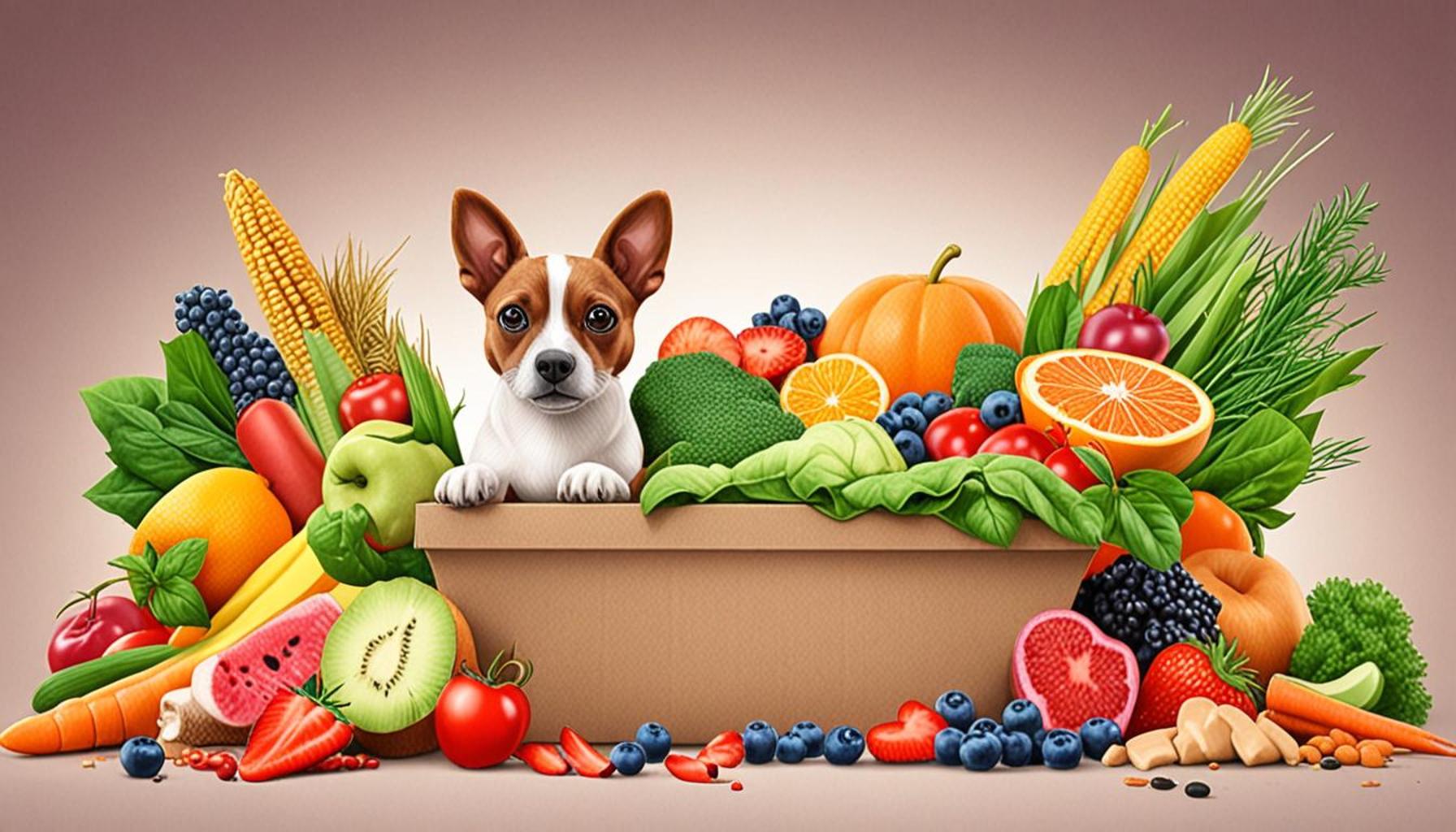
Natural foods encompass a range of items that are close to their original state. These include fresh fruits, vegetables, and high-quality proteins, which are devoid of artificial additives or preservatives. On the other hand, processed feed, typically available in convenient kibble or canned formats, often contains fillers and preservatives designed to enhance shelf life but not necessarily nutritional value.
- Natural Foods: Foods like carrots, blueberries, and lean meats can provide essential vitamins, minerals, and antioxidants. For example, blueberries are recognized for their cancer-fighting properties, while lean meats can supply the necessary proteins that dogs and cats require for muscle strength.
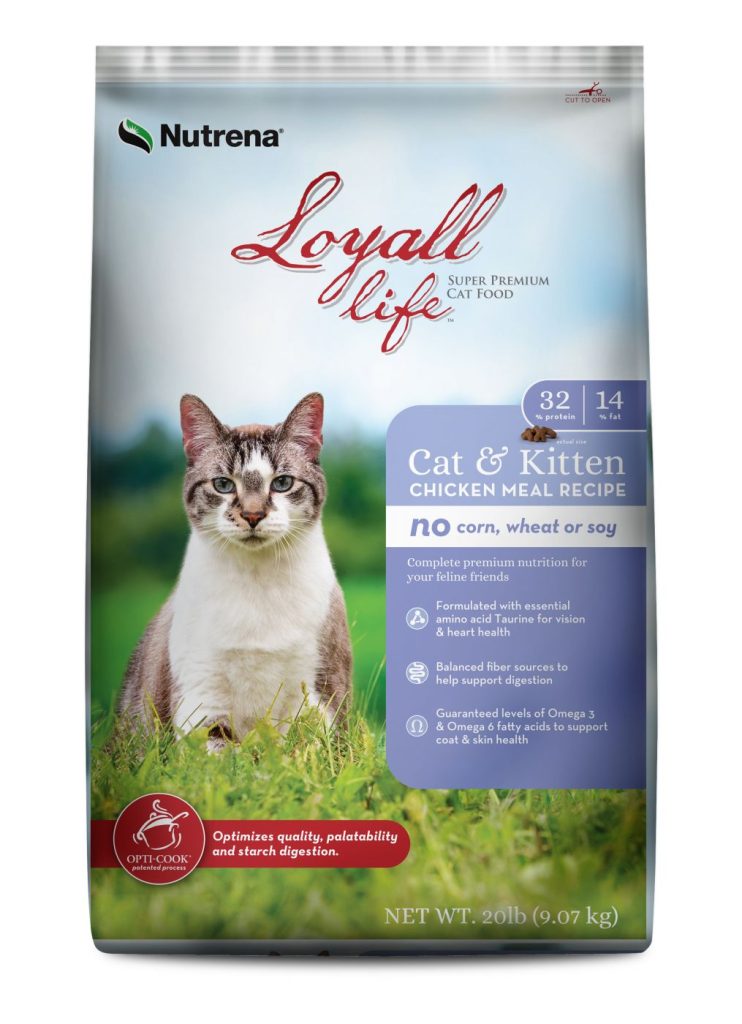
- Processed Feed: While many brands of processed pet food are formulated to meet complete nutritional standards, they often contain by-products and artificial flavors. Brands like Science Diet or Purina may offer convenience and straightforward feeding guidelines for pet owners juggling busy lifestyles, but they can vary significantly in quality.
When it comes to nutritional benefits, natural foods may pace ahead as they tend to provide better quality nutrients. Animals can typically absorb these nutrients more effectively than those found in highly processed options. For instance, introducing fresh vegetables into your pet’s diet can lead to improved digestion and regular bowel movements. However, a well-chosen commercial diet can still provide balanced nutrition if natural foods are not feasible due to availability or cost.
Convenience is another compelling factor. Processed feed usually requires minimal preparation—simply measure and serve—which is a significant advantage for busy pet owners. The predictable nature of these products ensures consistent nutrient delivery day in and day out. In contrast, preparing a natural diet may require careful planning and understanding of nutritional balance, which can be time-consuming.
Concerns about allergens are another element influencing dietary decisions. Some pets may have intolerances or allergies to common ingredients found in processed feeds, such as grains or certain proteins. By transitioning a sensitive pet to a natural diet tailored to their specific needs, many owners have observed improvements in their pets’ skin and coat health, mood, and energy levels.
Understanding the critical distinctions between natural and processed nutrition empowers pet owners to make informed choices that can lead to happier, healthier lives for their beloved companions. The ideal decision hinges on individual pet health, lifestyle, and preferences. As you navigate this complex landscape, remember that each pet is unique, and what works for one may not necessarily work for another. This exploration into your pet’s nutrition is not just a dietary choice; it’s a commitment to their overall well-being, enhancing the bond you share with your furry friend.
LEARN MORE: Click here for essential tips
Examining the Nutritional Value of Natural Foods
When determining what’s better for your pet, the nutritional value of their food takes center stage. Natural foods are often championed for their purity, offering a wealth of benefits derived from whole, minimally processed ingredients. This means that foods like fresh meats, vegetables, and fruits retain their inherent vitamins, minerals, and enzymes. For example, carrots are not just a crunchy treat; they are also rich in beta-carotene, which supports eye health, while leafy greens can offer a boost in antioxidants that contribute to overall well-being.
Moreover, pets that receive a diet rich in natural foods may experience better digestion, thanks to the higher fiber content found in fresh produce. Increased fiber promotes healthy gut bacteria and can even alleviate common digestive issues like constipation or diarrhea. The raw state of these foods allows animals to absorb essential nutrients more efficiently, leading to improved energy levels and vitality.
Benefits of Processed Feed
On the flip side, processed feed offers its own distinct advantages, especially for busy pet owners. These products are meticulously designed to meet specific nutritional profiles, providing a convenient and accessible option for pet feeding. Many reputable brands formulate their kibble and canned foods to contain balanced ratios of protein, carbohydrates, and fats, ensuring that your pet receives complete nutrition with each meal.
- Consistency: Processed feeds allow for consistent nutrition. Each serving provides a measure of the same nutrients, which can help maintain steady health outcomes in your pet.
- Convenience: For those with demanding schedules, processed feed can minimize meal prep time. Simply pour or open a can, and you’re ready to feed your furry friend.
- Variety: Many brands offer a wide range of flavors and formulations tailored to different life stages, breeds, or dietary needs, making it easier to cater to individual pet preferences.
However, it is essential to scrutinize ingredient labels when selecting processed foods. While many products boast quality ingredients, some may include low-quality fillers such as corn or soy, designed to bulk up the food without providing meaningful nutrition. By-products, potentially referred to in vague terms, can also sneak into the ingredient list, raising questions about the nutritional content and source quality. Awareness and thorough research can help ensure you’re making an informed choice for your pet’s diet.
Beyond just health, the debate between natural foods and processed feed also encompasses ethical and environmental considerations. Many pet owners prefer the concept of feeding their animals natural, ethically sourced foods, seeing it as a reflection of their values and lifestyle choices. On the other hand, processed feed manufacturers are increasingly adopting sustainable practices in sourcing their ingredients, thus appealing to environmentally-conscious consumers.
In a world filled with an array of feeding options, understanding the intricate benefits of natural foods versus processed feed requires careful consideration. Each has its merits, and it may be worth exploring the possibility of a balanced approach to ensure your pet thrives.
| Natural Foods | Processed Feed |
|---|---|
| Whole nutrients from natural foods contribute to overall health. | Convenience of processed feed saves time in meal preparation. |
| Higher digestibility, aiding in better absorption of vitamins and minerals. | Standardized nutrition ensures a consistent supply of nutrients. |
| Reduced allergens due to fewer synthetic ingredients. | Cost-effective when compared to premium natural alternatives. |
Natural foods provide a plethora of advantages that can significantly enhance the well-being of animals. They are rich in whole nutrients that contribute to robust health, while their higher digestibility allows for better absorption of essential vitamins and minerals. Additionally, natural foods often contain fewer synthetic ingredients, which can lead to a reduction in allergens and promote a healthier environment for your pets.On the other hand, processed feed offers a unique set of benefits that can be appealing to pet owners. The convenience of ready-to-use meals saves valuable time, and the standardized nutrition ensures that pets receive a consistent supply of essential nutrients. Moreover, for those mindful of budgets, processed feed can prove to be cost-effective compared to premium natural alternatives, making it an attractive option for many households.As you delve deeper into the advantages of each, it’s essential to consider the individual needs of your animals and weigh these factors accordingly. The ongoing debate between natural foods and processed feed invites further exploration, presenting a landscape rich with potential discoveries regarding animal health and well-being.
DISCOVER MORE: Click here
Exploring the Impacts on Animal Health and Behavior
While examining the nutritional composition of natural foods and processed feed is essential, it’s equally important to consider the broader impacts these diets might have on animal health and behavior. Pets are not just creatures of habit, they are also influenced significantly by what they consume, which can play a pivotal role in their overall quality of life.
Research suggests that animals fed a diet rich in whole, unprocessed foods tend to exhibit notable differences in behavior. A study published in the Journal of Animal Behaviour contrasted the behavior of dogs fed commercial kibble versus those on a raw, natural diet. Results indicated that dogs receiving natural foods displayed increased energy and engagement during play, as well as a reduction in anxiety-related behaviors. The amino acids and fatty acids found in natural meat sources, for example, may positively affect a pet’s neurotransmitter balance, promoting mental clarity and emotional stability.
Weight Management and Obesity Risks
Furthermore, the link between diet and weight management cannot be ignored. In the United States, over 50% of pets are considered overweight or obese, which can lead to serious health complications such as diabetes and joint issues. The high fiber content in natural foods can help pets feel fuller longer, reducing the likelihood of overeating. Comparatively, many processed feeds can be calorie-dense, often leading to excessive weight gain, particularly if they contain low-quality fillers.
For pet owners concerned about maintaining their animal’s weight, incorporating natural, whole foods into meals might provide a more satisfying option. For example, adding vegetables like pumpkin or sweet potatoes to meals can offer a great fill-in without excessive calories.
Potential Allergies and Sensitivities
Another critical aspect involves food sensitivities and allergies. A growing number of pets suffer from conditions linked to poor-quality ingredients found in certain processed feeds. Common allergens like chicken by-products or peas may cause reactions in sensitive animals. Switching to a natural diet allows for better control over ingredients. By opting for high-quality proteins and whole foods, pet owners may reduce the risk of allergic reactions, giving their pets a more comfortable and healthier lifestyle.
- Ingredient Transparency: With natural foods, pet owners usually select specific items, improving the transparency of what goes into their animal’s diet.
- Customization: This approach also enables personalized meal plans tailored to the pet’s unique health needs, whether it’s low carbohydrates for weight loss or higher protein for muscle maintenance.
- Environmental Enrichment: Many natural foods, especially those designed for foraging or hunting behavior, encourage mental stimulation, contributing to overall well-being.
The choice between natural foods and processed feed is deep-rooted in personal philosophy but becomes pivotal when evaluating your pet’s health and happiness. With both options presenting distinct advantages and drawbacks, pet owners are encouraged to stay informed and seek advice from veterinarians or animal nutritionists to establish what best suits their beloved companions. Adapting each pet’s diet accordingly can be a powerful way to enhance their health and quality of life.
DISCOVER MORE: Click here to learn about how nutrition affects your pets’ mental health
Conclusion: Making Informed Choices for Your Pet’s Diet
In the ongoing debate of natural foods vs. processed feed, it is essential to acknowledge that both options have unique merits and potential drawbacks. The health and well-being of our pets hinge significantly on the quality of their diet, making it crucial for pet owners to delve deeper into the implications of their food choices. Natural foods typically promote better behavioral outcomes, weight management, and fewer allergic reactions, primarily due to their whole and unprocessed nature. The transparency and customization options available in natural diets allow owners to cater specifically to their pets’ needs, enhancing overall health and happiness.
On the other hand, while processed feed can offer convenience and affordability, one must consider its potential health risks linked to low-quality ingredients and high caloric density. As more pet owners become aware of these factors, the call for better nutrition and food quality is growing in importance, especially in the context of the rising obesity rates among pets in the United States.
Ultimately, the decision should reflect an understanding of individual animal needs and lifestyle choices. Consulting with veterinarians or animal nutritionists can provide valuable insights into crafting the perfect dietary strategy. Whether you lean toward natural foods or trust processed feeds, being informed and engaged with your pet’s nutrition will go a long way in enhancing their health and extending their joy-filled years by your side.
Related posts:
Feeding and Behavior: How Nutrition Affects Pets' Mood
The Influence of Homemade Food on Pets' Health and Well-Being
Emerging Trends in Natural Organic Food for Dogs and Cats
Nutritional Supplements: When and How to Introduce Them in Your Pet's Diet
The Revolution of Plant-Based Diets for Pets: Benefits and Challenges
Nutrition and Digestive Health: How Diet Affects Pets' Gastrointestinal System

Linda Carter is a writer and pet care expert specializing in pet health, grooming, and wellness. With extensive experience helping pet owners create safe, loving, and enriching environments for their animals, Linda shares her knowledge on our platform. Her goal is to empower readers with practical advice and strategies to ensure their pets thrive and lead joyful, healthy lives.