Nutrition and Digestive Health: How Diet Affects Pets’ Gastrointestinal System
Navigating the Complex Relationship Between Diet and Digestive Health in Pets
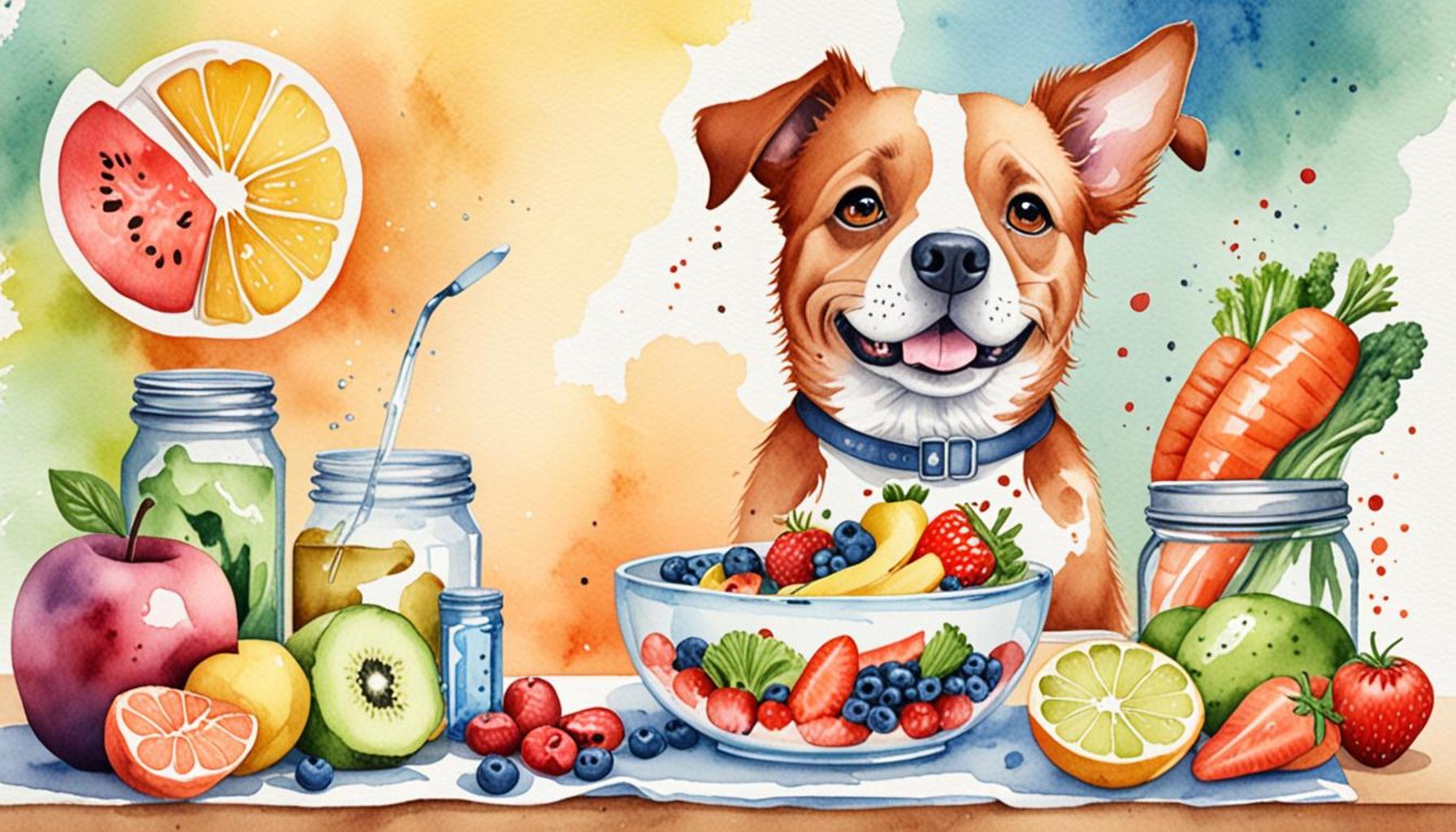
When it comes to our pets’ well-being, nutrition plays a pivotal role. Just like humans, animals rely on a balanced diet to support their bodily functions, especially the gastrointestinal system. A well-formulated diet can enhance their digestive health, while poor nutrition may lead to various gastrointestinal issues. The implications of these dietary choices can be profound, showcasing just how critical it is to understand what goes into your pet’s food.
The importance of diet in pet health cannot be overstated. Consider the following points:
- Common Digestive Disorders: Many pets suffer from conditions like diarrhea, vomiting, and constipation, which can significantly affect their quality of life. For instance, a dog experiencing frequent diarrhea may not only feel uncomfortable but can also suffer from dehydration if left unchecked. Regular episodes can prompt many pet owners to seek veterinary advice, highlighting the need for preventive measures through diet.
- Impact of Ingredients: The type and quality of ingredients in pet food can influence digestive efficiency. High-quality proteins and wholesome carbohydrates can be easier for some pets to digest compared to fillers and artificial additives. Ingredients such as chicken, salmon, or sweet potatoes tend to be gentler on the stomach while providing essential nutrients.
- Nutritional Requirements: Different pets have distinct dietary needs based on their breed, age, and health conditions. For example, puppies require higher protein levels for growth while senior dogs may benefit from diets lower in calories but higher in fiber to support digestion and weight management.
Pet guardians often overlook how specific nutrients affect their pets’ gut health. For instance, fibers from sources like pumpkin or beet pulp can help regulate bowel movements, while proteins sourced from animals such as turkey and lamb can improve overall digestive health. Probiotics are another crucial component, as they promote a healthy balance of gut bacteria essential for optimal digestion.
Moreover, recent studies indicate a direct correlation exists between diet and gastrointestinal health in pets. The right foods can alleviate existing conditions and may even prevent future issues, saving time, money, and discomfort in the long run. For instance, specialized diets formulated for sensitive stomachs are designed to minimize reactions and support overall gut health.
As we delve deeper into the correlation between nutrition and the digestive system, pet owners will discover effective strategies to ensure their furry companions thrive with a healthy gut. Regular consultations with veterinarians and nutritionists can provide insight tailored for each pet, making it easier to navigate the overwhelming choices available in pet food aisles. Understanding labels, recognizing ingredients, and adapting diets according to age and health are essential steps towards enriching your pet’s life through diet.
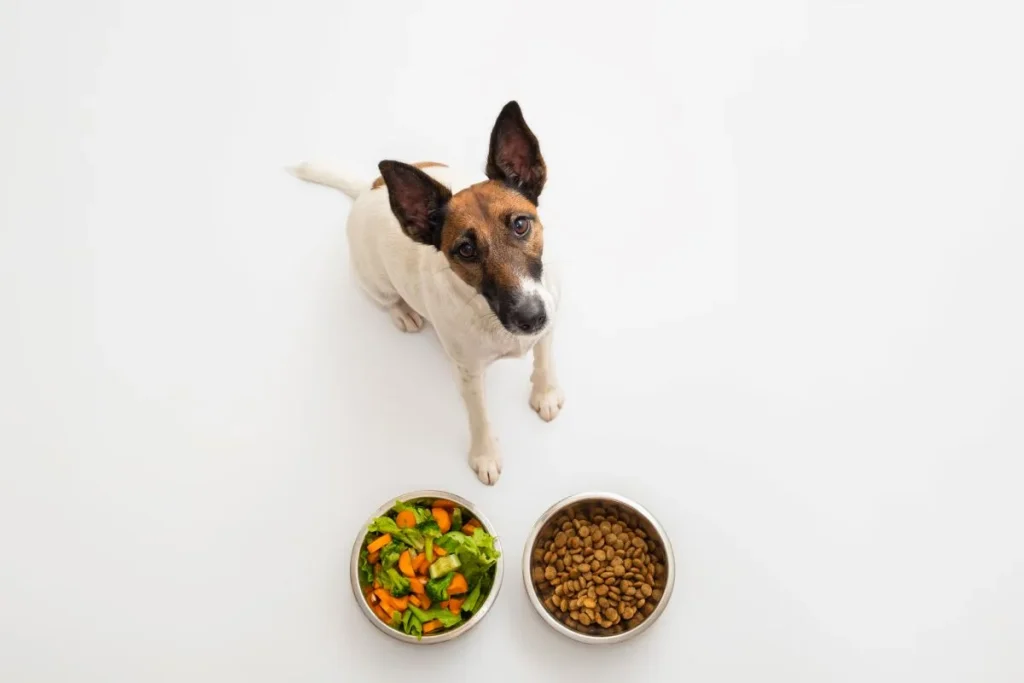
DISCOVER MORE: Click here for essential tips
Understanding the Building Blocks of Digestive Wellness in Pets
In the intricate world of pet nutrition, diets featuring the right balance of nutrients can dramatically enhance a pet’s gastrointestinal health. When we think about our furry companions, it’s essential to understand how the composition of their food directly impacts their digestive capabilities. The ingredients and nutritional value in their daily meals can either fortify their digestive systems or leave them struggling to process their food, which may lead to discomfort or illness.
One of the most significant components concerning nutrition and digestion is the presence of dietary fiber. Fiber plays a crucial role in promoting digestive health by aiding in the regulation of bowel movements. For instance, soluble fiber, found in ingredients like oats and brown rice, can help absorb excess water in the intestines, making stools firmer and more manageable. Conversely, insoluble fiber, often sourced from vegetables such as carrots and leafy greens, facilitates proper digestion by adding bulk to the stool and enhancing the movement through the gastrointestinal tract.
Moreover, pet owners should closely monitor the sources of protein in their pets’ diets. Different proteins—ranging from chicken and beef to fish and plant-based alternatives—can have varying effects on digestion. For example, fish-based proteins are generally easier to digest and can be beneficial for pets with sensitive stomachs. Additionally, animal-based proteins offer necessary amino acids that are vital for overall health and support the functional integrity of the gut lining.
When it comes to understanding the types of ingredients that contribute to a healthy gastrointestinal system, consider the following:
- Probiotics: These beneficial microorganisms can be found in fermented foods and supplements. They help maintain a balanced gut flora, which is pivotal for effective nutrient absorption and a robust digestive system.
- Prebiotics: Often considered the food for probiotics, prebiotics promote the growth of healthy bacteria in the gut. Key sources include chicory root and inulin, which can be found in certain dog and cat foods.
- Quality of Ingredients: High-quality, minimally processed ingredients tend to be more digestible. Foods that are rich in whole foods and free from fillers will generally promote better gut health.
It’s important to recognize that dietary adjustments can yield swift improvements in a pet’s gastrointestinal condition. For instance, transitioning to a grain-free or hypoallergenic diet can alleviate symptoms seen in dogs and cats with specific food intolerances or sensitivities. Moreover, monitoring for potential allergens in a pet’s existing diet can help ensure they receive optimal nutrition while keeping digestive issues at bay.
As we further explore the relationship between nutrition and digestion, it’s vital for pet owners to stay informed and proactive in seeking out diets best suited for their specific pets. Consultation with animal nutritionists can pave the way for creating tailored meal plans that enhance digestive health and overall well-being. Each pet is unique, and understanding their individual needs is the cornerstone for fostering a healthy gut and a happy life.
| Category | Details |
|---|---|
| Dietary Fiber | Promotes healthy bowel movements and aids in digestion |
| Probiotics | Supports beneficial gut bacteria, enhancing nutrient absorption |
| Meat Quality | High-quality proteins promote better digestive health |
| Grain-Free Options | May prevent allergies and digestive upsets in sensitive pets |
Diet plays a crucial role in maintaining a healthy gastrointestinal system for pets. A well-balanced diet that includes sufficient dietary fiber can help regulate the digestive process, ensuring healthy bowel movements and preventing constipation. Additionally, the presence of probiotics in their diet supports the balance of beneficial gut bacteria, which is essential for optimal nutrient absorption and overall health.The quality of protein sources is another vital element. Pets thrive on high-quality meats that provide essential amino acids necessary for repair and maintenance of their digestive organs. Moreover, with the increasing prevalence of food sensitivities, many pet owners are turning to grain-free options. This choice could potentially minimize allergic reactions and other digestive issues in sensitive pets.By understanding how various dietary components affect their pets’ gastrointestinal systems, owners can make informed choices that contribute to overall pet wellness.
DISCOVER MORE: Click here for essential tips on senior pet nutrition
The Role of Hydration in Pet Digestive Health
While much emphasis is placed on the nutritional content of pet food, another crucial aspect that is often overlooked is the role of hydration in maintaining digestive health. Water plays an instrumental role in various bodily functions, including digestion and nutrient absorption. For pets, adequate hydration ensures that food can move smoothly through the digestive tract, preventing constipation and other gastrointestinal disorders.
Interestingly, many pet owners may not realize that pets derive much of their water intake from the food they consume. Consequently, moisture-rich diets, such as canned or raw foods, can be beneficial for pets who may not drink enough water on their own. These types of diets not only provide hydration but can also enhance palatability, encouraging pets to eat more, especially those with diminished appetites or particular health challenges.
On the other hand, dry kibble diets can sometimes lead to dehydration, as these foods often lack sufficient moisture. Pet owners can help combat this by incorporating wet food into their pets’ meals, adding water to kibble, or ensuring that fresh water is always available. Hydration is especially critical for older pets and those with pre-existing health conditions, such as kidney disease, where additional water intake is vital.
The Impact of Fatty Acids on Digestive Health
In the quest for optimal digestive health, it is also important to consider the significance of fatty acids in a pet’s diet. Essential fatty acids, particularly Omega-3 and Omega-6, play a key role in maintaining gut health. These fatty acids help protect the intestinal lining, reduce inflammation, and promote a healthy immune response within the gut.
Fatty acids can be sourced from various ingredients, such as fish oil, flaxseed, or chicken fat. Including these high-quality fats in pet diets not only supports digestive wellness but also contributes to healthy skin and a shiny coat. Research has shown that diets rich in Omega-3 fatty acids can improve inflammatory bowel disease symptoms in pets, showcasing their importance in long-term digestive care.
- Balanced Fat Content: Fats are essential, but balance is key. Excessive saturated fats can lead to obesity and other health issues, while appropriate levels of healthy fats support overall digestive function.
- Digestive Enzymes: Many pet food formulations come with added digestive enzymes, such as amylase and protease, which can aid in breaking down food more effectively, enhancing nutrient absorption, and minimizing gastrointestinal distress.
Identifying Food Sensitivities and Allergies
Food sensitivities and allergies are increasingly recognized as significant contributors to digestive issues in pets. Common allergens often include grains, dairy, and certain proteins. Symptoms can vary widely, including gastrointestinal upset, skin irritations, or chronic ear infections, potentially resulting in discomfort for pets.
Identifying these sensitivities often requires a bit of detective work. Pet owners are advised to observe their pets for signs of discomfort or inconsistency in bowel habits after changes in diet. A controlled elimination diet can help pinpoint specifics allergens, allowing for tailored nutrition that caters to individual gastrointestinal needs.
Innovative dietary options, such as novel protein diets or hypoallergenic formulas, are now available to address these challenges, allowing pets to thrive without undergoing digestive distress. Working closely with a veterinarian or pet nutritionist can facilitate the understanding of these issues and help in creating a diet that supports both digestive health and overall vitality.
DIVE DEEPER: Click here for effective puppy training techniques
Conclusion: Nurturing Pets Through Nutrition
In summary, nutrition profoundly shapes the digestive health of our beloved pets, underlining the necessity for pet owners to make informed dietary choices. An optimal diet not only provides essential nutrients but also supports vital functions such as hydration, gut protection, and digestive efficiency. Recognizing the importance of incorporating moisture-rich foods and healthy fats can significantly enhance a pet’s quality of life, particularly in managing conditions like inflammatory bowel disease or food sensitivities.
Moreover, pet parents must be vigilant about identifying potential food allergies that may arise, creating tailored diets that address individual needs while ensuring their pets thrive. Collaborating with a veterinarian or pet nutritionist can empower owners to craft nutritionally balanced meals that cater to their pet’s specific digestive requirements, paving the way for better overall health and vitality.
As we explore the intricate relationship between dietetics and gastrointestinal well-being, it becomes clear that our furry companions deserve our attention to their diet. Embracing a holistic approach to nutrition can transform their lives, leading not only to a healthier digestive system but also to enhanced longevity and happiness. Therefore, as responsible pet owners, let us champion their nutritional needs and foster a brighter, healthier future for our animal companions.
Related posts:
Nutrition for Senior Pets: Necessary Adjustments for a Healthy Life
Natural Foods vs. Processed Feed: What is Better for Your Animal?
Tips for Identifying Food Allergies in Pets and Nutritional Alternatives
The Revolution of Plant-Based Diets for Pets: Benefits and Challenges
Balanced Nutrition Key to Long-Term Pet Health and Well-Being
Trends in Pet Food: What's New in Animal Nutrition

Linda Carter is a writer and pet care expert specializing in pet health, grooming, and wellness. With extensive experience helping pet owners create safe, loving, and enriching environments for their animals, Linda shares her knowledge on our platform. Her goal is to empower readers with practical advice and strategies to ensure their pets thrive and lead joyful, healthy lives.