The Influence of Diet on the Longevity of Pets
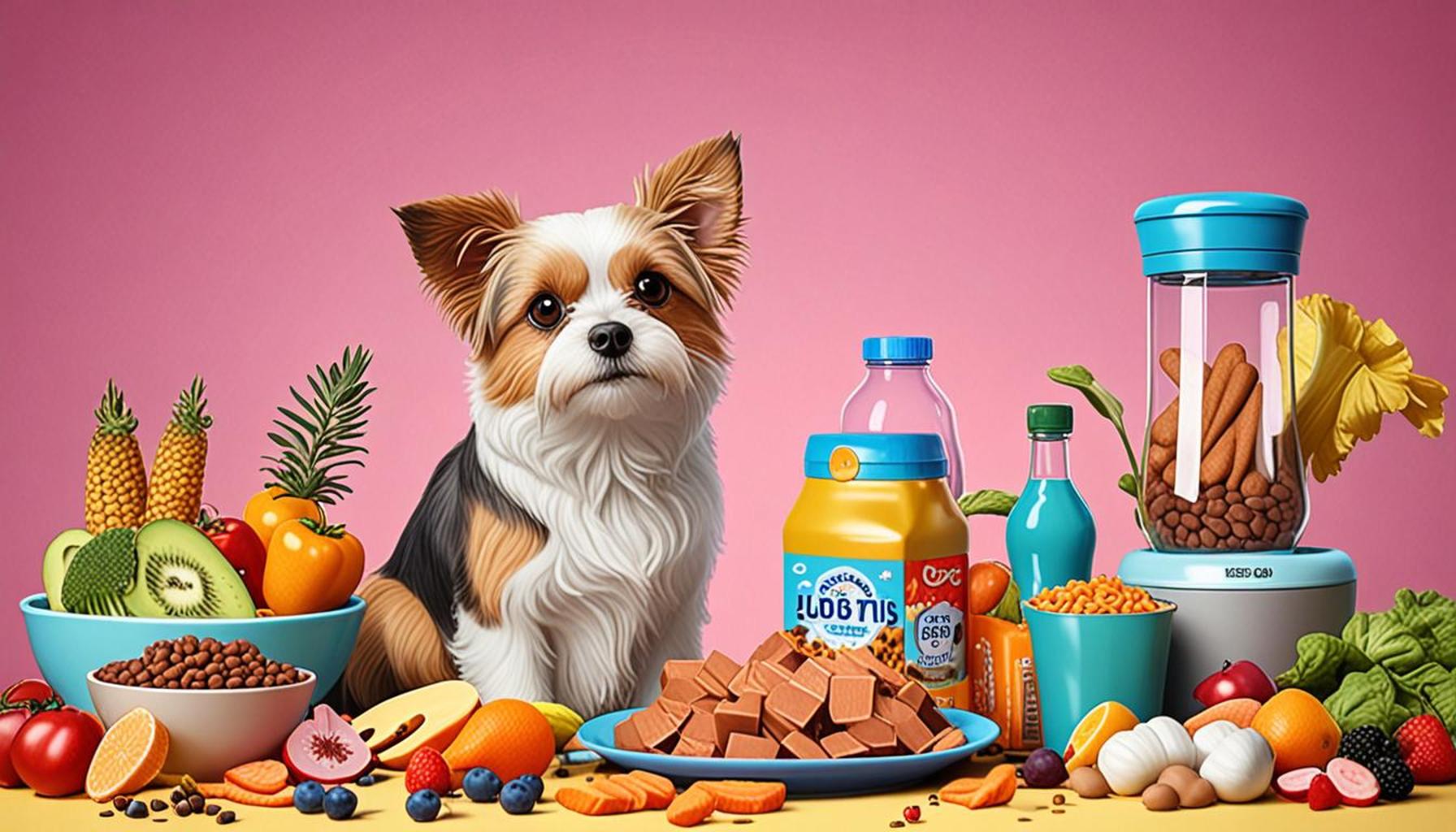
Exploring the Impact of Nutrition on Pet Longevity
What if the secret to your pet’s longer life lies in their bowl? Recent studies reveal a compelling relationship between nutrition and lifespan in pets. As the pet care industry evolves, pet owners are increasingly aware that a well-balanced diet can significantly impact their furry friends’ health and longevity. In fact, experts believe that the right dietary choices can add years to a pet’s life and enhance their overall quality of existence.
When evaluating your pet’s diet, it is essential to consider several key factors:
- Quality of ingredients: Prioritize whole, natural foods over fillers and by-products. For example, look for brands that utilize real meat, such as chicken or beef, as the primary ingredient. High-quality foods often have fewer preservatives and artificial additives, which can negatively impact your pet’s health over time.
- Age-appropriate nutrition: Tailor your pet’s diet according to their specific life stage—puppy, adult, or senior. Puppies require energy-rich food to support growth, while senior pets benefit from diets that are lower in calories but rich in joint support nutrients like glucosamine.
- Portion control: Overfeeding is a common issue that can lead to obesity, which is a precursor to numerous health problems, including diabetes and heart disease. Utilizing portion recommendations on pet food packaging or consulting with a veterinarian can help you maintain your pet’s ideal weight.
Research indicates that certain diets contain nutrients essential for enhancing vitality. For instance:
- Omega-3 fatty acids: Found in fish oil and flaxseed, these can support heart health, cognitive function, and even promote healthier skin and coat.
- Antioxidants: Present in fruits and vegetables such as blueberries and carrots, antioxidants help combat oxidative stress, thereby reducing the risk of chronic diseases and potential aging.
- Protein levels: An adequate intake of protein is crucial for muscle maintenance and overall strength, especially in aging pets. Look for food that lists high-quality protein sources as primary ingredients.
As responsible pet owners, understanding the influence of diet on the longevity of pets is essential. The choices we make at mealtime could directly affect not only their health but also the quality of their lives. By incorporating high-quality ingredients, monitoring portion sizes, and adapting to their life stages, we create a nourishing environment that promotes longevity and vitality.
Explore how simple dietary adjustments can breed significant improvements in your pet’s health, making their golden years not just longer, but also full of happiness and vitality. By investing in their nutrition, you pave the way for their health, happiness, and your shared journey together.
DISCOVER MORE: Click here for the latest trends in pet food
Understanding the Nutritional Needs of Our Pets
The foundation of ensuring a long, healthy life for your pets starts with understanding their unique nutritional needs. As pets age, their metabolism, activity level, and overall health can change significantly, necessitating a reassessment of their dietary requirements. Recognizing these changes and adapting their diets accordingly is an essential factor in fostering longevity.
Pets often rely on foods that not only satiate their hunger but also deliver the essential nutrients needed for maintaining optimal health. A well-balanced diet can offer pets the best chance at longevity, but it requires a combination of knowledge and dedication from pet owners. Below are some key aspects of pet nutrition that can significantly influence their lifespan:
- Balanced Macronutrients: A diet that includes the right ratios of carbohydrates, fats, and proteins is crucial. Each nutrient plays a vital role in overall health. For instance, fats provide energy and support cellular functions, while proteins are essential for muscle growth and repair.
- Essential Vitamins and Minerals: Vitamins such as A, D, E, and K, along with minerals like calcium and phosphorus, are important for maintaining strong bones and a robust immune system. Pets need balanced amounts of these nutrients to prevent deficiencies that could lead to health issues later in life.
- Hydration: Water is an often-overlooked component of a pet’s diet. Proper hydration is necessary for digestion, nutrient absorption, and waste elimination. Dehydration can lead to serious health complications and even shorten your pet’s lifespan.
Indeed, the interplay between nutrition and longevity is supported by scientific findings. Research shows that pets receiving dietary supplementation with antioxidants can experience a decrease in cellular aging, thereby slowing the aging process. Additionally, omega-3 fatty acids not only support cognitive function but also combat inflammation, a common issue in aging pets that may contribute to various health problems.
It’s essential for pet owners to keep informed about the specific dietary needs based on their pet’s breed, size, and age. For instance, large breeds may require different nutritional profiles compared to small breeds, particularly regarding joint health. Consulting with a veterinarian can illuminate areas in which your pet’s diet may be lacking. They can suggest tailored food brands or homemade alternatives that ensure your pet receives optimal nutrients without excess additives.
Incorporating high-quality foods made with real ingredients can significantly improve your pet’s health and lifespan. As awareness grows about the long-term impacts of pet nutrition, owners are encouraged to take a proactive approach in evaluating their pets’ diets. With vigilant attention to ingredient quality and nutritional balance, you can take measurable steps toward enhancing your pet’s longevity and overall well-being.
The diet of our beloved pets significantly influences their overall health and longevity. What many pet owners may not realize is that certain nutrients can optimize their pet’s lifespan and quality of life. For example, high-quality proteins support muscle maintenance, while essential fatty acids enhance skin health and coat shine. Moreover, the inclusion of antioxidants, such as vitamins C and E in your pet’s diet, can help combat oxidative stress, a major contributor to aging.
It is essential to understand that not all diets are created equal. Commercial pet foods often include fillers and artificial additives that may harm pets in the long run. Home-cooked meals, prepared under vet guidance, can offer tailored nutrition and improve overall wellness. Additionally, integrating fresh fruits and vegetables into a pet’s diet can provide much-needed fiber and hydration, ensuring optimal digestive health.
Weight management is another critical aspect of diet that directly correlates with pet longevity. Obesity can predispose pets to numerous health issues, including diabetes, heart disease, and joint problems. Therefore, monitoring caloric intake and ensuring a balanced diet becomes paramount in promoting a longer and healthier life for pets.
As pet owners, it is essential to advocate for better nutritional choices for pets. By making informed decisions about their diet, we can significantly impact their health and well-being. This proactive approach to nutrition not only enhances longevity but can also improve the quality of life, ensuring our pets thrive throughout their years.
| Diet Type | Advantages for Longevity |
|---|---|
| High-Quality Proteins | Supports muscle maintenance and energy levels. |
| Essential Fatty Acids | Enhances skin and coat health, leading to overall vitality. |
| Antioxidant-rich Foods | Fights oxidative stress and supports immune function. |
| Home-Cooked Meals | Tailored nutrition that avoids fillers and artificial additives. |
| Weight Management | Reduces the risk of obesity-related health issues. |
DIVE DEEPER: Click here to learn how to address these issues
The Role of Special Diets and Nutritional Supplements
Beyond the fundamental nutritional needs of pets, the consideration of special diets tailored to specific health conditions can play a pivotal role in enhancing their longevity. Many pets, particularly as they age, develop health issues that require specialized dietary interventions. Conditions such as obesity, diabetes, kidney disease, and food allergies are increasingly common, and managing these conditions through diet can significantly impact a pet’s quality of life and lifespan.
For instance, weight management is crucial, particularly in companion animals where obesity often leads to diabetes, joint issues, and other health concerns. Veterinary-approved weight loss diets typically focus on high fiber content, moderate fat, and controlled calories. Low-calorie treats and appropriate portion sizes can help your pet maintain a healthy weight, thereby reducing the risks associated with extra weight.
Likewise, pets diagnosed with kidney disease may benefit from renal diets that restrict protein and phosphorus while ensuring essential nutrients are still met. Such diets are designed to minimize the workload on the kidneys and can help pets live longer lives despite chronic conditions. It’s important to note that these diets should always be introduced and monitored under veterinary guidance.
Beyond special diets, nutritional supplements are gaining recognition for their potential role in extending pet life. For example, glucosamine and chondroitin supplements are widely used for promoting joint health, especially in older dogs experiencing arthritis or mobility issues. Meanwhile, fatty acid supplements, particularly those rich in omega-3, can help reduce inflammation and support cognitive function. These supplements can be a powerful adjunct to a balanced diet, creating a more holistic approach to pet health.
The Impact of Home-Cooked Meals and Raw Diets
The trend toward home-cooked meals and raw diets is also gaining popularity among pet owners who wish to control the ingredients their pets consume. Advocates argue that these diets allow for a high level of customizability and can provide fresher, less processed food options. However, there is growing debate about whether home-prepared diets can meet the optimal nutritional standards pets need. Consulting a veterinarian or pet nutritionist when considering these diets is essential to ensure that they are complete and balanced.
On the other hand, raw diets must be carefully considered as they run the risk of bacterial contamination and potential nutritional imbalances if not correctly formulated. The American Veterinary Medical Association has expressed concerns regarding the safety of raw feeding, highlighting that those diets could increase the risk of foodborne illnesses for both pets and humans in the household.
- Probiotic supplements: Can support digestive health and enhance the immune system, potentially leading to longer, healthier lives.
- Antioxidants: These compounds, often derived from fruits and vegetables, may protect against free radicals, supporting cellular health.
In the quest for longevity, pet owners must be proactive about dietary adjustments during various life stages, especially as their pets enter senior years. Each pet’s unique health status requires careful consideration and, ideally, collaboration with a veterinarian. By maintaining a focus on nutrition and dietary quality, pet owners can help steer their beloved companions toward a longer, healthier life. The choice of diet not only nourishes but may significantly influence overall longevity, leading committed pet owners on a rewarding journey of care and companionship.
DIVE DEEPER: Click here to uncover the secrets of body language in pet training
Conclusion: The Vital Connection Between Diet and Pet Longevity
In conclusion, the evidence underscores the profound influence of diet on the longevity of pets. From addressing specific health concerns through special diets to incorporating nutritional supplements, pet owners have numerous tools at their disposal to enhance the health and lifespan of their companions. A well-balanced diet, tailored to the individual needs of each pet, serves as a foundation for promoting overall well-being, ensuring that pets can thrive well into their senior years.
Moreover, the growing trends of home-cooked meals and raw diets, while appealing for their customizability, necessitate careful planning and veterinary consultation to safeguard against nutritional deficiencies. The potential benefits of these diets are compelling; however, they must be approached with caution. Ensuring that pets receive the right combination of proteins, fats, carbohydrates, vitamins, and minerals is essential for comprehensive health support.
As our understanding of pet nutrition evolves, ongoing research and veterinary guidance can illuminate how to best provide for our furry friends. By remaining proactive about dietary choices, especially during critical life stages, pet owners can significantly impact their pets’ quality of life and lifespan. With every meal, we have the power to enhance their vitality and deepen the bonds we share with them. The journey of responsible pet ownership, in many ways, starts with what’s in their bowl. Ultimately, a thoughtful approach to animal nutrition can lead our beloved companions on a path toward a longer, healthier, and happier life.
Related posts:
Emerging Trends in Natural Organic Food for Dogs and Cats
Nutrition and Digestive Health: How Diet Affects Pets' Gastrointestinal System
The Role of Special Diets in Managing Chronic Diseases in Pets
Impact of Diet on the Dental Health of Pets
Natural Foods vs. Processed Feed: What is Better for Your Animal?
The Effects of Obesity in Pets and How to Prevent It

Linda Carter is a writer and pet care expert specializing in pet health, grooming, and wellness. With extensive experience helping pet owners create safe, loving, and enriching environments for their animals, Linda shares her knowledge on our platform. Her goal is to empower readers with practical advice and strategies to ensure their pets thrive and lead joyful, healthy lives.