The Influence of Homemade Food on Pets’ Health and Well-Being
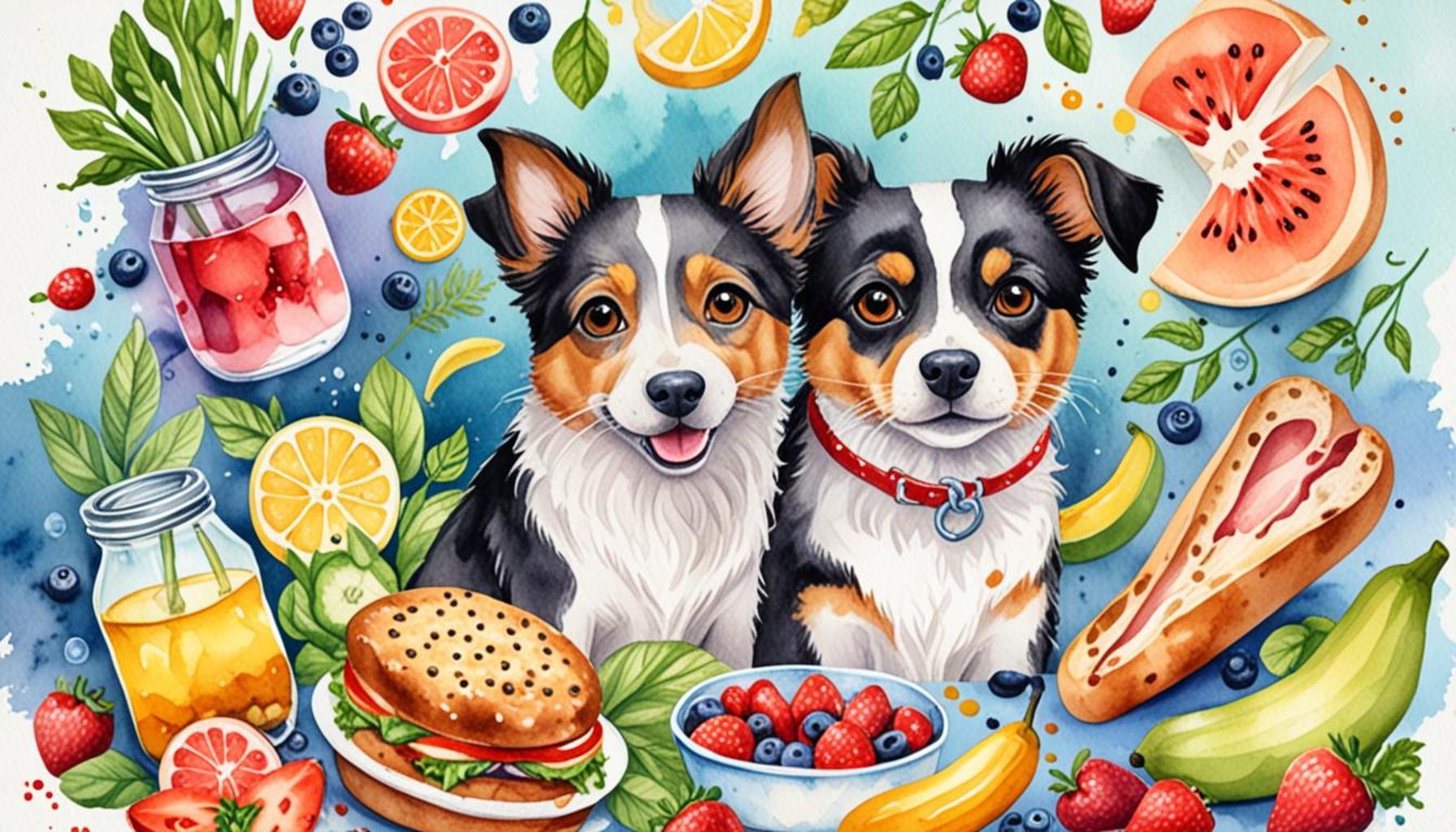
The bond between pets and their owners is undeniably close, often characterized by mutual love, trust, and companionship. However, the everyday choices that pet owners make play a considerable role in shaping the quality and longevity of their furry friends’ lives. One emerging trend that has caught the attention of many pet owners is the preparation of homemade food, which has the potential to enhance pet health and well-being. As this practice gains popularity across the United States, a clear understanding of its benefits and challenges becomes increasingly essential.
Benefits of Homemade Pet Food
- Fresh Ingredients: One of the most appealing aspects of homemade pet meals is the ability to choose fresh ingredients. Unlike most commercial kibble, which may contain dubious fillers and artificial preservatives, homemade meals can be crafted with whole foods. For instance, using organic vegetables and high-quality proteins like chicken, beef, or fish ensures that pets receive a nutritious diet free from harmful additives.
- Custom Nutrition: Each pet is unique, and their dietary needs can vary based on age, breed, size, and health conditions. Homemade meals provide the opportunity for owners to tailor recipes specifically for their pets. For example, a dog with allergies to grains can be fed a grain-free diet consisting of vegetables, meat, and certain fruits. This level of customization helps to address specific health concerns and contributes to overall well-being.
- Enhanced Flavor: Pets are often more enthusiastic about meals that are freshly prepared. The enhanced flavor profile of homemade pet food can make mealtime more enticing, encouraging picky eaters to consume their meals. For instance, adding a splash of homemade bone broth can elevate a dish, making it not only more nutritious but also incredibly palatable.
While the prospect of preparing pet food at home can seem like an enjoyable culinary endeavor, it brings forth important questions regarding nutritional balance. Understanding the fundamental dietary components—proteins, carbohydrates, and fats—is vital to ensure that pets receive a balanced diet.
Potential Risks
- Nutritional Imbalance: Creating balanced and complete meals for pets requires a significant understanding of animal nutrition. Without comprehensive knowledge, there is a real risk that homemade diets may lack essential nutrients. Pet owners should consider consulting with veterinarians or pet nutritionists to develop well-rounded meal plans that meet all of their pets’ dietary needs.
- Time Investment: Preparing balanced and nutritious meals is not a quick task. For busy pet owners juggling work and personal commitments, finding the time to consistently make meals can become overwhelming. It necessitates a willingness to dedicate time and effort to research and prep, which not everyone can manage.
- Safety Concerns: Not all human foods are safe for pets. Ingredients such as chocolate, grapes, onions, and garlic can be toxic to animals. Thus, it’s crucial for pet owners to educate themselves on which foods are safe to include in homemade meals and which should be strictly avoided.
The journey into homemade pet food is just one dimension of a larger conversation about pet health trends. As pet owners explore the numerous implications associated with their dietary choices, they are empowered to shape their pets’ futures more thoughtfully. It opens doors for further research and consideration as we celebrate the unbreakable bond between pets and their humans.
DISCOVER MORE: Click here to learn how to seamlessly integrate training sessions
Understanding the Impact of Homemade Diets on Pets
The shift towards homemade pet food is not just a fleeting trend; it reflects a growing awareness among pet owners about the significant role that diet plays in their pets’ overall health. With rising concerns regarding pet obesity, allergies, and chronic health issues, many owners are keen to explore alternatives to commercial diets. Homemade food offers the opportunity to provide a well-rounded and nutritious diet tailored to individual pets’ needs, which is essential for their happiness and longevity.

The primary advantage of feeding pets homemade meals is the ability to control what goes into their food. Ingredients are selected with care, allowing pet owners to avoid harmful additives, preservatives, and fillers commonly found in commercial kibble. Pet owners can use fresh, whole foods like lean meats, nutrient-rich vegetables, and wholesome grains, which leads to better digestion and absorption of nutrients. This is especially beneficial for pets that may suffer from sensitive stomachs or food allergies.
Key Nutritional Components for Pets
Providing a balanced diet is paramount when transitioning to homemade food. A well-rounded meal should include:
- Proteins: Essential for muscle development and repair, proteins should come from high-quality sources such as chicken, turkey, beef, fish, or eggs. These proteins support energy levels and contribute to a healthy immune system.
- Fats: Healthy fats, such as those found in fish oil or flaxseed oil, play a crucial role in maintaining a shiny coat and healthy skin. They are also vital for brain function and overall cellular health.
- Carbohydrates: While pets primarily derive energy from proteins and fats, carbohydrates from sources like sweet potatoes, brown rice, or oats can provide additional energy and aid in digestion through fiber.
- Vitamins and Minerals: These micronutrients support various bodily functions, including immune response and bone health. Incorporating a variety of vegetables, such as spinach, carrots, and broccoli, along with supplements when necessary, can help meet these requirements.
Moreover, the freshness of homemade food also contributes to better taste and aroma, which can encourage pets to eat. Dogs and cats are more likely to show enthusiasm for flavorful, fresh meals compared to pre-packaged options that may sit on shelves for extended periods. This enthusiasm for mealtime is essential for maintaining a healthy appetite and overall well-being.
However, a homemade diet is not without its challenges. The complexity of crafting a nutritionally balanced diet can be daunting for many pet owners. Missteps in meal preparation can lead to deficiencies or excesses that could endanger pets’ health. Consequently, understanding the rudiments of animal nutrition is crucial for those embarking on this culinary journey.
As you delve deeper into the world of homemade pet food, it is important to consider not only the benefits but also the associated risks. With the right preparation and knowledge, pet owners can create delightful, nourishing meals that foster healthier, happier lives for their beloved companions.
| Advantages | Details |
|---|---|
| Nutritional Control | Preparing homemade food allows pet owners to ensure high-quality ingredients that suit their pet’s specific dietary needs. |
| Allergy Management | Homemade meals can help identify and eliminate allergenic ingredients, reducing health issues in sensitive pets. |
| Weight Management | Custom recipes provide the opportunity to control portion sizes, helping in maintaining a healthy weight for pets. |
| Enhanced Taste | Enjoying flavorful homemade meals can lead to improved meal acceptance, ensuring pets are more likely to consume their food. |
The incorporation of homemade food into a pet’s diet is not merely a trend; it reflects a growing understanding of the critical link between diet and well-being. Cooking for your pet can invigorate their daily meals, while also nurturing their physical and emotional health. In an age where pet owners are increasingly conscious about the sources of their food, offering homemade meals can also enhance the bond between pets and owners. Feeding practices that involve home-cooked meals may not only lead to healthier pets but can also be a fun and rewarding experience, allowing owners to experiment with various recipes and ingredients tailored specifically for their furry friends.
DISCOVER MORE: Click here to learn about the best feeding options for your pets
The Importance of Tailoring Diets to Individual Pets
Each pet has unique dietary needs influenced by factors such as age, breed, size, and health conditions. This is where the advantage of homemade meals shines, as it allows pet owners to customize their pets’ diets to meet these specific requirements. For instance, a senior dog may require lower protein levels and additional joint support through ingredients like glucosamine, while a growing puppy may need higher calorie intake and micronutrients for optimal development.
Addressing Common Health Issues
Another notable aspect of homemade food is its potential to address prevalent health issues among pets. A growing number of pets suffer from obesity, which is linked to several health risks, including heart disease, diabetes, and arthritis. By preparing homemade meals, pet owners can control portion sizes and ingredient quality, ensuring that pets maintain a healthy weight. In fact, studies have shown that dogs fed a balanced homemade diet have significantly lower rates of obesity compared to those consuming commercial kibble loaded with empty carbohydrates.
Moreover, pets with food allergies may experience a marked improvement in their health when transitioned to homemade diets. With the rise of food intolerances and skin conditions, pet owners can create elimination diets that pinpoint allergens and foster recovery. Ingredients known to cause sensitivities, like corn or artificial flavoring, can be omitted altogether, replaced by wholesome alternatives tailored to dietary restrictions.
The Role of Hydration in Homemade Diets
An often-overlooked component of pet health is hydration, which can significantly impact overall well-being. Homemade meals can be made more nutritious by incorporating hydrating elements. For instance, adding water or broth to a meal can promote hydration and enhance palatability. This is particularly important for pets that might not drink enough water throughout the day. Inadequate hydration can lead to serious health issues, including kidney problems, urinary tract infections, and digestive complications. By choosing homemade food, owners can instill hydration as an integral aspect of their pets’ diets.
Ensuring Nutritional Completeness
While the flexibility of homemade diets is a significant benefit, it is vital to ensure that meals are nutritionally complete. This is where expert guidance can come into play. Consultation with a veterinary nutritionist can provide insight into the appropriate balance of nutrients, help refine recipes, and ensure that all essential vitamins and minerals are included. Resources such as websites, books, and veterinarian recommendations also offer guidance on formulating well-rounded recipes.
- Consultation: Collaborating with professionals ensures dietary needs are met, and potential deficiencies are identified.
- Research: Extensive research and use of reliable resources can aid in preparing meals that align with pet health requirements.
Furthermore, the act of preparing food can strengthen the bond between pets and their owners. The time spent cooking and the care taken to craft each meal can enhance the emotional connection, resulting in happier, more well-adjusted pets. The decision to transition to a homemade diet can inspire pet owners to invest in their pets’ well-being in a way that primarily commercial diets may not offer.
Ultimately, the journey into homemade pet food entails continuous learning about nutrition, health, and individual preferences, ensuring that pets thrive in an environment tailored specifically for their needs. The potential benefits of homemade diets undeniably extend beyond mere nutrition, impacting pets’ overall health, vitality, and happiness.
DISCOVER MORE: Click here to learn about special diets for pets
Conclusion: Elevating Pets’ Health Through Homemade Nutrition
In conclusion, homemade food represents a transformative approach to pet nutrition that caters to the individual needs of our furry companions. The ability to customize diets based on age, breed, and specific health requirements empowers pet owners to make informed choices that can lead to enhanced health and vitality. As we’ve explored, homemade meals offer substantial benefits, including weight management for pets dealing with obesity, targeted nutrition for those with allergies, and improved hydration—an often-neglected aspect of pet care.
The journey into crafting homemade pet meals is not just about the food itself; it is about fostering a deeper bond with our pets. The shared experience of preparing meals can enhance emotional connections, leading to happier and more content animals. Furthermore, engaging with veterinary professionals and conducting thorough research will ensure that these meals are nutritionally complete and cater to each pet’s unique dietary needs, paving the way for a healthier lifestyle.
As pet ownership continues to evolve, the paradigm shift toward homemade diets invites pet owners to embrace a more hands-on approach in nurturing their pets. The profound impact homemade food can have on pets’ health and well-being is a compelling reason to explore this option further. With dedication and care, homemade meals can lead not only to better health but also to a fulfilling, enriched life for our beloved pets.
Related posts:
Conscious Eating: How Nutrition Affects Animal Adoption Behavior
Personalized Nutrition: How to Adjust Your Pet's Diet to Specific Needs
Trends in Pet Food: What's New in Animal Nutrition
The Effects of Obesity in Pets and How to Prevent It
Impact of Diet on the Dental Health of Pets
The Importance of a Balanced Diet for Pet Health

Linda Carter is a writer and pet care expert specializing in pet health, grooming, and wellness. With extensive experience helping pet owners create safe, loving, and enriching environments for their animals, Linda shares her knowledge on our platform. Her goal is to empower readers with practical advice and strategies to ensure their pets thrive and lead joyful, healthy lives.