Nutritional Supplements: When and How to Introduce Them in Your Pet’s Diet

Understanding Nutritional Supplements for Pets
As loving pet owners, we are constantly on the lookout for ways to enhance the health and happiness of our furry friends. One of the often-overlooked aspects of pet care is the incorporation of nutritional supplements. These products can play a vital role in ensuring our pets maintain optimal health, especially when their dietary needs change over time.
Benefits of Nutritional Supplements
Nutritional supplements serve various purposes and can be particularly beneficial in several circumstances:
- Addressing specific health concerns: For pets susceptible to conditions such as joint issues, supplements containing glucosamine and chondroitin can offer support. Additionally, omega-3 fatty acids may help alleviate allergy symptoms and improve skin and coat health.
- Supporting immunity: Aging pets are more vulnerable to illnesses. Strengthening their immune system through supplements rich in antioxidants—like vitamins C and E—can be crucial. Certain probiotics can also enhance gut health, further supporting their immune response.
- Enhancing overall vitality: Pet travel can lead to stress, and recovery from illness can deplete energy levels. Supplements containing B vitamins and adaptogens may assist in improving vitality and reducing stress levels during these times.
When to Introduce Nutritional Supplements
Timing is everything when it comes to introducing supplements into your pet’s diet. Here are several guidelines to ensure you’re making the right choices:
- Consult with your veterinarian: A veterinarian can help identify any nutritional gaps based on your pet’s individual health profile, offering tailored recommendations that suit their needs.
- Monitor your pet’s age, breed, and activity level: Different ages and breeds have unique dietary requirements. For instance, younger, more active dogs may require different supplements than older, less active ones.
- Gradually introduce supplements: Start with small doses to observe how your pet reacts. Not all pets respond the same way to supplements, so it’s important to monitor for any adverse effects or significant benefits.
The Road Ahead
Integrating nutritional supplements into your pet’s diet can indeed be transformative. The right products can support not just physical health, but also emotional well-being. Understanding the myriad options available—from multivitamins to specific formulas—is essential for informed decision-making. As pet owners, we owe it to our companions to explore the vast world of pet nutrition, ensuring our beloved fuzzy companions lead happy and healthy lives.
Stay tuned for detailed discussions on various types of supplements, real-life examples, and practical strategies on how to seamlessly incorporate these valuable products into your pet’s daily routine.
LEARN MORE: Click here for insights on breed-specific training
Types of Nutritional Supplements for Pets
Understanding the various types of nutritional supplements available in the market is crucial for making informed decisions about your pet’s diet. While there are countless options, focusing on the most widely used categories will help you navigate this realm more effectively.
1. Multivitamins
Much like humans, pets can benefit from a daily multivitamin that fills nutritional gaps in their diet. These are particularly useful for pets on homemade or specialty diets where specific vitamins and minerals may be lacking. The right multivitamin can provide essential nutrients such as vitamins A, D, E, K, as well as crucial minerals like calcium and phosphorus.
2. Joint Health Supplements
Joint health becomes an increasing concern as pets age. Supplements targeting this issue typically include ingredients like glucosamine, chondroitin, and methylsulfonylmethane (MSM). By introducing these supplements, you can help maintain mobility and alleviate discomfort in older dogs or those who are prone to joint problems. Regular use has shown promising results, particularly in breeds predisposed to hip dysplasia.
3. Omega-3 Fatty Acids
Already known for their anti-inflammatory properties in people, omega-3 fatty acids are just as beneficial for our furry friends. These supplements can improve skin health, reduce shedding, and even help in managing allergies. Fish oil is a common source, providing both EPA and DHA, which are essential for maintaining various physiological functions in the body.
4. Probiotics
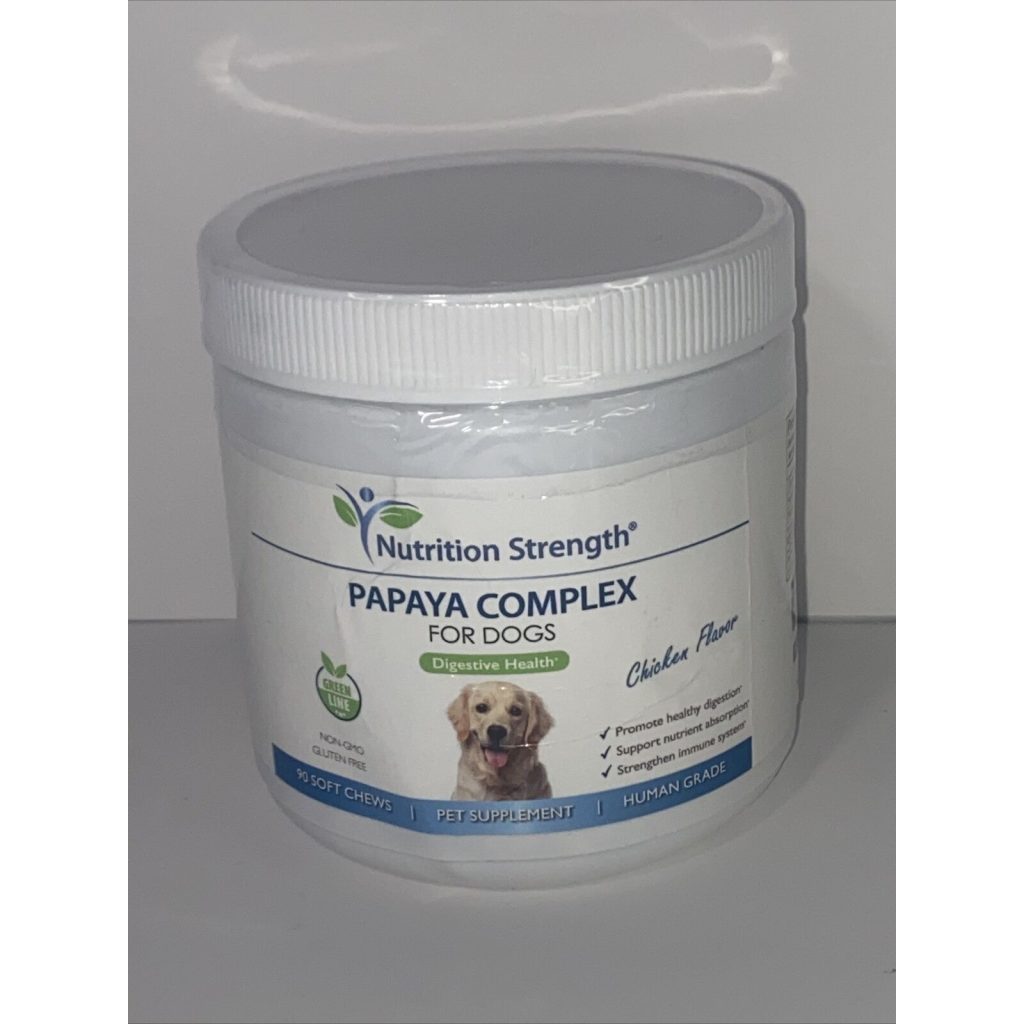
Gut health is critical for overall wellness, and adding probiotics to your pet’s diet can enhance digestion and strengthen the immune system. Probiotics introduce beneficial bacteria into the gut, helping to balance the microbiomic environment, ultimately leading to better nutrient absorption and reduced gastrointestinal issues.
5. Herbal Supplements
Herbal supplements can offer a variety of health benefits depending on the ingredients used. Common herbs such as milk thistle may support liver health, while chamomile could help calm anxious pets. However, it’s essential to consult your veterinarian before introducing any herbal remedies to ensure they’re safe and appropriate for your pet’s specific health needs.
How to Choose Quality Supplements
Not all nutritional supplements are created equal. Here are a few tips to consider when selecting the right products for your pet:
- Check for AAFCO compliance: Look for products that meet the standards set by the Association of American Feed Control Officials (AAFCO), ensuring they are safe and formulated properly.
- Ingredient sourcing: Research where the ingredients are sourced from. High-quality sources usually indicate better absorption and effectiveness.
- Read reviews and testimonials: Utilize online resources and forums to gauge the effectiveness of a supplement based on other pet owners’ experiences.
Understanding the different types of nutritional supplements available and how to choose quality products will empower you to make informed decisions that contribute to your pet’s overall health and well-being. As we delve further into the topic, we will explore how to seamlessly introduce these supplements into your pet’s diet.
| Type of Supplement | Advantages |
|---|---|
| Probiotics | Promotes a healthy gut flora, enhancing nutrient absorption and improving digestion. |
| Omega-3 Fatty Acids | Supports cardiovascular health, reduces inflammation, and improves skin and coat condition. |
| Vitamins & Minerals | Fills gaps in nutrition, bolstering immune system function and supporting overall health. |
| Amino Acids | Essential for muscle growth, repair, and overall metabolic processes within the body. |
As pet owners become increasingly aware of the role of nutrition in overall pet health, the question of when and how to introduce nutritional supplements to a pet’s diet takes center stage. Understanding the unique needs of each pet is crucial, as nutritional requirements can vary based on age, breed, and health status. For instance, introducing probiotics can significantly improve a pet’s digestive health, especially after antibiotic use or during periods of stress.Introducing supplements should be a gradual process. Start with a small amount, monitoring your pet for any adverse reactions, and consult a veterinarian for personalized advice. This tailored approach can help in selecting the right supplements while minimizing risks, making the transition smoother for your furry friend. Whether it’s enhancing their coat quality with omega-3 fatty acids or boosting immunity with vitamins and minerals, each supplement serves a purpose in enriching your pet’s diet. Exploration of these options opens an exciting avenue for improving your pet’s health, and it is worth discussing with your veterinary professional to enhance your pet’s well-being.
DISCOVER MORE: Click here to learn about positive reinforcement
Introducing Nutritional Supplements Into Your Pet’s Diet
Introducing nutritional supplements to your pet’s diet can seem like a daunting task, but with the right approach, it can be a smooth and beneficial experience. Understanding when and how to incorporate these supplements is vital for ensuring that your pet receives the maximum benefits they offer. Here, we outline effective strategies for a seamless transition.
1. Start Slowly
Whenever you introduce any new supplement, it’s best to take a gradual approach. Start with a small amount, allowing your pet’s digestive system to acclimate. For instance, if you’re introducing a probiotic, begin with half the recommended dosage for the first few days. Monitor your pet for any signs of discomfort or adverse reactions, such as changes in appetite, behavior, or bowel movements. If all goes well, gradually increase to the full dosage.
2. Mix with Food
One of the easiest ways to incorporate supplements is by mixing them with your pet’s food. If the supplement comes in powder form, sprinkle it over their favorite meal or mix it into wet food. For pills or soft chews, you can use treats designed to conceal medication, or even a small dab of peanut butter to entice them to consume the supplement without hesitation. This method not only masks the supplement’s taste but also ensures that your pet enjoys their meal while reaping the health benefits.
3. Consider Your Pet’s Specific Needs
Each pet is unique, and their dietary needs can vary significantly based on breed, age, weight, and health conditions. For example, older pets or those with osteoarthritis may significantly benefit from joint health supplements, while young, active dogs may need more support for muscle recovery. It’s essential to tailor the supplements to your pet’s individual requirements, which may involve consulting with your veterinarian for personalized recommendations.
4. Monitor and Adjust
Once you’ve introduced a supplement, monitoring your pet’s response is crucial. Keep an eye on their behavior, energy levels, and any changes in their physical condition. If the supplement appears to be benefiting them, great! However, if you notice any negative reactions or lack of improvement, it may be time to reconsider the supplement type or dosage. Regular follow-ups with your veterinarian will provide a framework for evaluating your pet’s progress and making any necessary adjustments.
5. Use Quality Supplements
As previously mentioned, not all supplements are created equal. When searching for the right product, prioritize established brands that have a solid reputation for quality. Reading labels is essential. Look for products that are free from fillers, artificial preservatives, and low-quality ingredients that can compromise your pet’s health. A reputable supplement will often have its ingredients and manufacturing processes third-party tested for verification, ensuring your pet gets exactly what they need.
6. Consult Your Veterinarian
Perhaps the most essential step in the process is to engage with your veterinarian throughout this journey. Unfortunately, some supplements might interact negatively with medications or pre-existing conditions your pet may have. Your vet can help you identify unnecessary supplements and recommend a tailored approach based on your pet’s specific health needs. A collaborative effort ensures that you are providing the most comprehensive and safe care possible.
Armed with this knowledge, you are now better prepared to introduce nutritional supplements into your pet’s diet thoughtfully and effectively. This purposeful introduction will not only enhance their well-being but can also lead to longer, healthier lives for our beloved furry companions.
DISCOVER MORE: Click here to learn how consistency impacts your pet’s training
Final Thoughts on Nutritional Supplements for Pets
In conclusion, the incorporation of nutritional supplements into your pet’s diet can play a transformative role in enhancing their overall health and quality of life. As we have explored, the key steps include starting slowly, mixing supplements with their food, considering their specific health needs, and regularly monitoring their response to these additions. This conscientious approach not only fosters a smoother transition but also maximizes the potential benefits of the supplements.
It’s essential to recognize that no two pets are alike. Thus, tailoring the type and dosage of supplements to suit your pet’s individual needs is critical. Consulting with your veterinarian ensures that you make informed choices, avoiding harmful interactions with medications or pre-existing health issues. Furthermore, investing in high-quality products can safeguard against unnecessary risks associated with inferior supplements.
As pet owners, we bear the responsibility to advocate for our furry friends’ health. By keeping ourselves educated about when and how to introduce supplements into their diets, we not only empower ourselves but also pave the way for happier, healthier lives for our companions. So, take the time to research, engage with your vet, and explore the wide array of available supplements. The health of your pet is an investment that pays dividends through their vitality and joy as they share life with you.
Related posts:
Feeding and Behavior: How Nutrition Affects Pets' Mood
The Effects of Obesity in Pets and How to Prevent It
The Importance of a Balanced Diet for Pet Health
Trends in Pet Food: What's New in Animal Nutrition
Emerging Trends in Natural Organic Food for Dogs and Cats
Conscious Eating: How Nutrition Affects Animal Adoption Behavior

Linda Carter is a writer and pet care expert specializing in pet health, grooming, and wellness. With extensive experience helping pet owners create safe, loving, and enriching environments for their animals, Linda shares her knowledge on our platform. Her goal is to empower readers with practical advice and strategies to ensure their pets thrive and lead joyful, healthy lives.