Demystifying Myths: Truths and Falsehoods about Exotic Animals as Pets
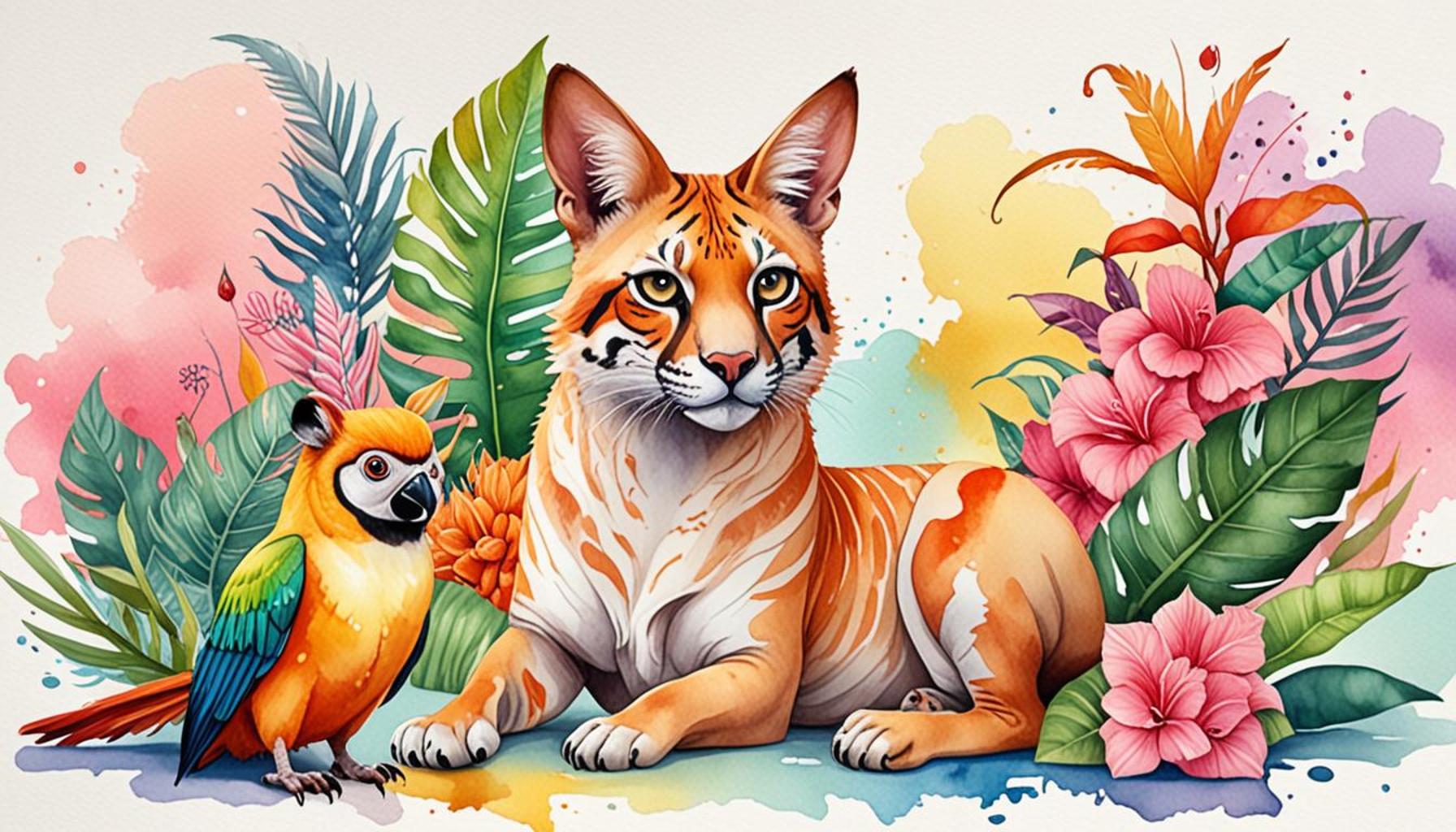
The Fascination of Exotic Pets
In the vast realm of pet ownership, exotic animals captivate many with their unique visuals and behaviors. However, the allure of creatures like snakes, lizards, and exotic birds often comes wrapped in a myriad of myths and misconceptions that can mislead potential owners. Gaining an accurate understanding of what it truly means to care for these unique companions is paramount, not only for the well-being of the animals but also for the potential owner’s peace of mind.
Misconceptions That Mislead
- Myth 1: Exotic pets are easy to care for.
- Myth 2: All exotic animals can be domesticated.
- Myth 3: Exotic pets do not require veterinary care.
These widely held misconceptions can lead to significant challenges for both the animal’s welfare and the owner’s experience. Many new pet owners assume that caring for a creature like a ferret or a parrot is akin to managing more traditional pets such as dogs or cats. This assumption overlooks the intricate needs and social behaviors specific to exotic species.
For instance, ferrets require a rich environment with opportunities for play and exploration, while parrots need not only stimulation but also social interaction with their owners to thrive. Unlike pets like cats or dogs, which have been domesticated over thousands of years, many exotic animals retain wild instincts that can manifest in unexpected behaviors if their needs are not adequately met.
Essential Considerations for Exotic Pet Ownership
- Exotic animal care demands extensive research into their diet, habitat, and social needs. For example, reptiles may require specific lighting conditions to ensure proper vitamin absorption.
- Potential owners must also be aware of legal restrictions, as certain species may be prohibited in various states across the U.S. Some areas require permits or have outright bans on specific animals.
- Furthermore, locating a veterinarian experienced in exotic animal care can pose a challenge. Many conventional vets may not possess the specialized knowledge needed to treat exotic species, leading to additional hurdles for owners seeking healthcare services.
As we further explore the nuances of exotic pet ownership, we aim to dispel myths and provide clarity on the responsibilities involved. These animals are undeniably fascinating, but they come with specific needs that require commitment and understanding and should never be taken lightly. By shining a light on these realities, we hope to inform and empower prospective pet owners to make well-rounded, informed decisions. Join us as we delve deeper into the captivating world of exotic pets, revealing the truths that lie beneath the surface of their enchanting exteriors.
DISCOVER MORE: Click here to learn how nutrition impacts your pets’ mental health

Understanding the Realities of Exotic Pets
While the allure of exotic animals as pets can be undeniable, it is essential for potential owners to peel back the layers of enchantment and demystify the realities that accompany these unique creatures. One of the most prevalent myths is the belief that exotic pets are easy to care for. This notion can lead to disappointment and distress for both the animals and their human companions. Unlike traditional pets, exotic animals often have complex needs that require dedicated time, research, and financial resources.
Take, for instance, the popular choice of a ball python. Many first-time owners may think these snakes are simply low-maintenance. However, a proper ball python habitat demands specific temperature gradients, humidity levels, and regular feeding schedules that can fluctuate based on the animal’s age and health. Ignoring these requirements can result in stress, illness, or even death for the animal. Thus, understanding the importance of proper care and husbandry is vital for any prospective exotic pet owner.
Debunking the Inventiveness of Domestication
The second misconception—that all exotic animals can be domesticated—is particularly hazardous. While some species, like sugar gliders or mini pigs, have been bred in captivity for generations and exhibit companionable behaviors, the same cannot be said for all exotic animals. Many retain inherent wild instincts that may render them unsuitable as household pets. For instance, while macaws can be affectionate and social, they also possess a strong need for mental stimulation and social interaction, often leading to challenging behaviors if neglected.
Moreover, understanding the social structures of certain exotic animals can aid in responsible ownership. Some species are naturally social and thrive in groups, while others are solitary by nature. Consider the case of African grey parrots, renowned for their intelligence and need for mental engagement. Failing to recognize their need for social interaction—either with humans or other birds—can lead to significant behavioral issues and health problems.
The Importance of Veterinary Care
Another prevalent myth is the belief that exotic pets do not require veterinary care. On the contrary, exotic animals often need specialized medical attention that goes beyond what standard veterinary practices offer. Many inexperienced owners underestimate the importance of finding a veterinarian with experience in treating exotic species, which can lead to severe consequences if health problems arise.
- Regular health check-ups are crucial for early detection of potential illnesses.
- Many exotic pets require preventative care, including vaccinations and parasite control.
- Acquiring knowledge about common health issues specific to species can save time, stress, and financial resources.
By understanding and addressing these misconceptions, prospective owners can foster a more informed and responsible approach to exotic pet ownership. Committing to thorough research and realistic expectations not only enhances the experience of caring for these incredible animals but also significantly contributes to their well-being. With the right mindset, individuals can embark on a rewarding journey with their exotic companions, enriching both their lives and those of the animals they choose to care for.
| Category | Key Features |
|---|---|
| Behavioral Traits | Understanding the natural instincts of exotic pets is crucial for proper care. |
| Common Misconceptions | Many believe exotic animals are easily tamed, not recognizing their wild ancestry. |
| Health and Care Needs | Exotic pets often require specialized diets and habitats, which can be complex and costly. |
| Legal Considerations | Ownership laws vary significantly; many places restrict or ban certain species. |
Exploring the idea of bringing exotic animals into our homes often evokes a range of strong emotions and beliefs. While some view them as fascinating companions, others raise concerns over their natural behavior and welfare. It is vital to recognize that each species has its unique needs and that not all make suitable pets. For instance, while exotic reptiles can be visually stunning, they often need highly regulated environments to thrive. Furthermore, despite their cute appearances, many require advanced knowledge and commitment to ensure their needs are met, which is sometimes overlooked by potential owners. Additionally, as pets, these animals may not easily adapt to regular home settings, leading to common challenges in behavior and health management. As you delve deeper into the world of exotic animals, it is essential to educate yourself about the responsibilities that come with their care.
DISCOVER MORE: Click here to learn how nutrition impacts your pet’s mood
Common Misconceptions About Exotic Animal Behavior
Another vital aspect to consider when it comes to exotic pets is their behavioral expectations. Many potential pet owners are led to believe that all exotic animals are inherently friendly and suitable for handling. However, this expectation can lead to misunderstandings and negative interactions. Some species, such as certain reptiles and rodents, may display skittishness or territorial behavior, which can be misconstrued as aggressive. For example, a bearded dragon may prefer to bask in its habitat rather than interact closely with its owner. Understanding these behavioral traits is crucial for fostering a safe environment for both human and pet.
Additionally, many people are unaware of the concept of animal stress. Exotic pets can be far more sensitive to their environments than many traditional pets. A change in habitat, sudden loud noises, or even the presence of unfamiliar visitors can stress them out. For example, exotic birds might exhibit signs of distress through feather plucking or excessive vocalization if they feel threatened or insecure. Therefore, creating a stable, calm, and enriching environment is essential for the mental and emotional well-being of these creatures.
Legal and Ethical Considerations
It is also important to address the legalities surrounding the ownership of exotic animals. Many individuals assume that owning an exotic pet is free from government regulation, leading to the acquisition of species that are illegal or restricted in certain states. For instance, some states in the U.S. have strict laws governing the ownership of large reptiles, primates, or even certain species of birds. Failing to adhere to these regulations can result in severe penalties or the confiscation of the animal. Prospective pet owners must thoroughly investigate local laws and regulations to ensure compliance.
- Many states require permits for owning specific species of exotic animals.
- Some species may be banned entirely due to ecological concerns, including those that can become invasive if released into the wild.
- Understanding the impact of illegal pet trade is essential, as it contributes to habitat degradation and population decline for many species in the wild.
Responsible Sourcing and Conservation Efforts
Another common misconception is that all exotic animals available for purchase are sourced ethically. Unfortunately, many exotic pets sold in the market come from unsustainable breeding practices or illegal wildlife trade. This practice can have devastating consequences on wildlife populations and ecosystems. Reputable breeders adhere to ethical standards, which not only prioritize the health of the animals but also aim to minimize the impact on their wild counterparts.
Moreover, conscientious ownership plays a role in conservation efforts. By educating themselves and advocating for responsible pet ownership, individuals can contribute to initiatives aimed at protecting endangered species and their habitats. For example, participating in local wildlife conservation programs or supporting sanctuaries can create a ripple effect of positive change, reflecting a commitment to responsible and ethical practices in exotic pet ownership.
By unraveling these misconceptions, potential owners can approach the idea of having an exotic pet with greater awareness and responsibility. Recognizing the unique challenges associated with caring for these animals not only influences the decision to bring one into a home but also ensures that their welfare and needs are appropriately met throughout their lives.
LEARN MORE: Click here to discover how diet impacts your pet’s digestive health
Conclusion
In exploring the complex landscape of owning exotic animals as pets, it becomes clear that a multitude of misconceptions can cloud judgment and lead to misguided decisions. Understanding the reality of animal behavior, the necessity of creating a stress-free environment, the legal ramifications involved in ownership, and the ethical sourcing of these creatures is crucial for any potential owner. Each exotic pet brings unique challenges that differ significantly from traditional pets, necessitating a greater degree of commitment, education, and responsibility.
Legal issues surrounding exotic pet ownership must not be overlooked, especially in a country like the United States, where regulations can vary widely from state to state. Ignoring these laws can lead to unintended consequences, both for the pet and the owner. Thus, thorough research is imperative to ensure compliance and safeguard the welfare of the animals involved.
Moreover, responsible sourcing and a commitment to ethical practices can have a profound impact on conservation efforts. By choosing to adopt from reputable breeders or supporting wildlife sanctuaries, pet owners can contribute positively towards the protection of endangered species and their habitats. This perspective fosters a culture of awareness and compassion, which is essential in today’s rapidly changing environmental landscape.
Ultimately, demystifying the myths surrounding exotic pets allows for a deeper appreciation of their needs and challenges. Through informed and conscientious ownership, individuals can share their homes with these extraordinary animals responsibly, creating a harmonious relationship that benefits both pets and humans alike.
Related posts:
The Legal Challenges and Responsibility of Exotic Animal Owners in Different States
The Role of Exotic Animals in Assisted Therapies: Benefits and Challenges
Impact of Exotic Animal Breeding on Local and Global Biodiversity
Exotic Animals and Conservation: How Adoption Can Impact Wild Species
The History of Exotic Animal Adoption and Its Cultural Influences in the USA
Emotional and Financial Preparation for Exotic Animal Adoption

Linda Carter is a writer and pet care expert specializing in pet health, grooming, and wellness. With extensive experience helping pet owners create safe, loving, and enriching environments for their animals, Linda shares her knowledge on our platform. Her goal is to empower readers with practical advice and strategies to ensure their pets thrive and lead joyful, healthy lives.