How to Prepare Your Home for an Exotic Pet: Tips and Considerations

Understanding Exotic Pet Ownership
Welcoming an exotic pet into your home can be an exhilarating experience, filled with excitement and a dash of mystery. However, it also demands thorough preparation and understanding of their specific needs. Unlike traditional pets like dogs or cats, exotic pets, which include reptiles, birds, and small mammals, require specialized care and environments tailored to their natural instincts and behaviors.
Before diving into the joys of having an exotic companion, consider several crucial factors to ensure a harmonious home. Each point is essential in crafting a safe and nurturing environment for your new friend.
- Research the Species: Different exotic pets have unique habitat preferences, diet requirements, and social interactions. For instance, while a corn snake may thrive in a temperature-controlled terrarium, a parakeet needs a spacious cage where it can fly and play. Delving into the specific needs of species like the African Grey parrot, known for its intelligence and need for social interaction, can guide you in providing adequate enrichment.
- Space Requirements: Many exotic pets necessitate larger enclosures and specialized environments to thrive. For example, iguanas require expansive terrariums that mimic their natural humid and warm habitats, while hedgehogs need a secure, spacious area to roam. Without sufficient space, these pets can experience stress, leading to health problems and behavioral issues.
- Diet and Nutrition: Understanding their dietary needs is vital to preventing health complications. A bearded dragon, for example, requires a varied diet consisting of live insects and fresh vegetables. On the other hand, a sugar glider needs a diet enriched with fruits and specialized pellets. Researching accepted food items, including what to avoid, can prolong your pet’s life and enhance its quality.
- Legal Considerations: Some exotic pets are subject to specific state laws or regulations regarding ownership. In certain states, like California and New York, keeping certain reptiles or large mammals may be prohibited. Familiarizing yourself with local laws can help you avoid potential legal issues and ensure you are making a responsible choice in your pet ownership.
Taking these steps can significantly impact the well-being of your new pet. Thorough preparation can help mimic their natural environments, adjusting factors such as lighting, humidity, and temperature in habitats. Equally important is to prepare yourself mentally and emotionally for the commitment required in caring for an exotic species. Unlike more conventional pets, these animals may not exhibit affection in traditional ways but require attentive care and patience.
By following these tips and considerations, you will be well on your way to providing a loving and suitable home for your exotic pet. Understanding their needs not only paves the path for a rewarding relationship but also contributes to the larger conversation about responsible exotic pet ownership and conservation efforts in the wild. Embrace the adventure of finding your perfect companion, keeping these factors front of mind to ensure both your and your pet’s happiness.
DISCOVER MORE: Click here for practical tips
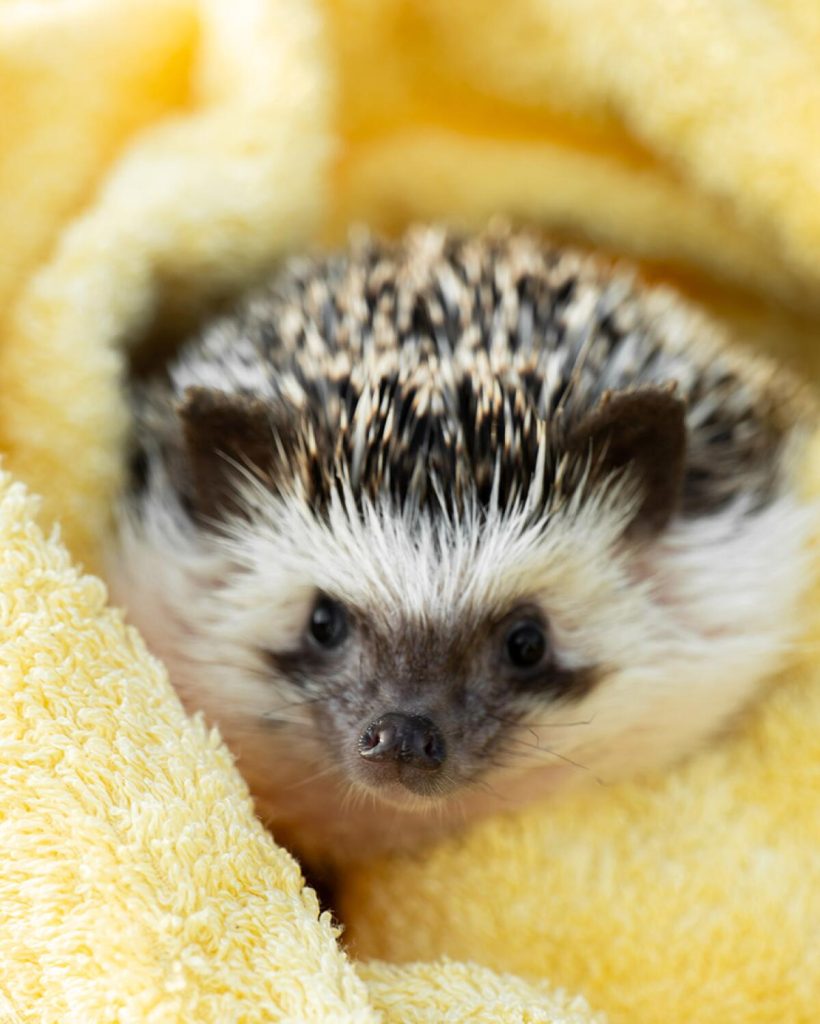
Preparing the Environment: Creating a Suitable Habitat
Building an ideal habitat is one of the most important considerations when preparing your home for an exotic pet. Each species comes with its own set of habitat requirements that replicate its natural environment. This not only enables the pet to thrive but also contributes to its overall mental and physical well-being.
Invest in Proper Housing: The first step is to select the right enclosure that caters to the specific needs of your exotic pet. For instance, reptile enthusiasts often require glass terrariums with specific heating and humidity systems to accommodate species like boa constrictors or chameleons. A general rule of thumb is to research the minimum enclosure size recommended for your pet—many reptiles are often sold without a proper understanding of their housing needs, leading to improper care.
Temperature and Humidity Control: Many exotic pets, especially reptiles and amphibians, rely heavily on temperature gradients and humidity levels that mimic their natural habitats. Utilizing heat lamps, under-tank heating pads, or even ceramic heat emitters can provide the warmth they need. Additionally, maintaining humidity through the use of misting systems, water bowls, or hygrometers is vital. For example, a ball python thrives in a habitat where humidity levels are around 50-60%. Ensuring you have the right equipment to monitor these conditions is essential to maintaining a healthy habitat.
- Substrate Selection: The type of substrate or bedding material used in your pet’s habitat can significantly affect their health. For reptiles, a substrate that allows for burrowing, like coconut fiber, can help replicate their natural environment, while small mammals may benefit from bedding designed to control odors and absorb moisture.
- Enrichment Opportunities: Exotic pets require stimulation just as much as traditional pets do. Be it climbing structures, interactive toys, or even safe plants for chewing, providing enrichment opportunities helps prevent boredom and encourages natural behaviors. For instance, parrots enjoy various perches and toys that challenge their intelligence and movement.
- Secure Environment: Security is paramount when housing exotic pets. Many species may try to escape their enclosures, so it’s crucial to ensure that all cages and terrariums are secure and escape-proof. This not only protects your pet but also prevents potential hazards to your home and family.
As you prepare your home, remember that establishing a suitable habitat goes beyond just aesthetics. It involves creating a safe and secure environment that meets the physical and emotional needs of your exotic pet. Pay close attention to temperature, humidity, substrate choice, and enrichment opportunities to foster a nurturing living space for your new companion.
In summary, investing time and resources into crafting a tailored living environment can make a significant difference in the overall well-being of your exotic pet. Following these tips and considerations sets the foundation for a successful companionship that will not only enhance your life but also contribute positively to the life of your new pet.
Creating a Safe Environment
When introducing an exotic pet into your home, the first step is to ensure that your living space is safe and welcoming. Exotic pets can have unique needs compared to traditional pets, and it’s essential to minimize hazards that could harm them. For instance, consider your furniture arrangements and remove any sharp objects or toxic plants that could pose risks. Additionally, securing loose wires, cords, and small objects keeps your exotic friend safe from chewing and swallowing.
Understanding Species-Specific Needs
Each kind of exotic pet has specific requirements regarding their habitat, temperature, and dietary preferences. For instance, reptiles often benefit from a controlled environment with proper heating and lighting. Birds, on the other hand, require adequate space for flying and enrichment activities to support their mental health. Researching these species-specific needs allows you to create a tailored living environment that promotes their well-being.
Investing in Proper Enclosures
Investing in high-quality enclosures is vital for maintaining the health and safety of your exotic pet. Depending on the species, the enclosure should provide adequate space, ventilation, and security. A well-structured habitat not only keeps your pet contained but also mimics their natural environment, which is crucial for their psychological well-being. Consider features like ramps, hiding spaces, and climbing structures, all of which contribute to a stimulating habitat.
Routine Maintenance and Cleanliness
Maintaining cleanliness within your exotic pet’s habitat is essential for their health. Regularly cleaning their enclosure reduces the risk of diseases and parasites. Establishing a routine that includes cleaning food and water dishes, removing waste, and replacing bedding helps keep their environment fresh. Additionally, ensuring proper humidity levels and temperature control, especially for reptiles, contributes to their overall health.
| Category | Considerations |
|---|---|
| Safety Features | Ensure no hazards or toxic plants are present |
| Species Needs | Research requirements for habitat and diet |
Taking these factors into consideration can drastically improve your exotic pet’s quality of life. The more informed you are, the better equipped you will be to provide a foster home that aligns with their unique needs. As you prepare your home, always remember that diligence and care are key elements of responsible exotic pet ownership.
DIVE DEEPER: Click here to learn more
Essential Supplies: Stocking Up for Your New Companion
Once you have established a suitable habitat for your exotic pet, the next stage of preparation involves acquiring essential supplies. Just like any pet, exotic animals require a variety of items that ensure their health, safety, and comfort. Failing to have the right tools and resources can compromise the quality of life for your new companion and may lead to preventable health issues.
Feeding Essentials: One crucial aspect of caring for an exotic pet is understanding its dietary needs. Research the specific dietary requirements for your pet species—some may require commercial diets, while others might thrive on varied options like fresh fruits, vegetables, or live insects. For instance, bearded dragons necessitate a well-balanced diet that includes greens, insects, and sometimes fruits. Ensuring you have the correct food type on hand not only promotes optimal health but also aligns with your pet’s natural eating habits.
Health and Wellness Supplies: Just like traditional pets, exotic animals require regular health check-ups and attention to their overall wellness. Schedule a visit with a veterinarian experienced in exotic animal care before bringing your pet home. Stock up on supplies like vitamin or mineral supplements, specific grooming tools, and even first-aid kits tailored to the needs of exotic pets. These essentials can be lifelines during minor health incidents or emergencies.
- Cleaning Supplies: Maintaining a clean habitat is non-negotiable when it comes to exotic pet care. Invest in suitable cleaning products that are safe for your pet, such as natural pet-safe disinfectants. Regular cleaning not only prevents the buildup of harmful bacteria but also promotes a healthy living environment that reduces the risk of disease.
- Behavioral Training Tools: Many exotic pets can benefit from behavioral training. Depending on the species, training aids like clickers, harnesses, or even specialized cages can help establish a routine and create a bond between you and your pet. For example, birds can be trained using clicker methods to perform tricks, enhancing their mental stimulation and strengthening the owner-pet relationship.
- Safety Gear: Safety is paramount, especially with exotic pets that possess reactive instincts. Invest in proper handling gear, like gloves for handling snakes or sturdy harnesses for navigating outdoor adventures with your pet. Introducing your exotic companion to a secure and balanced environment ensures safety for both them and your family members.
Furthermore, as you gather these essentials, it’s important to adjust your home environment to accommodate the specific behaviors and needs of your exotic pet. Some animals, like hedgehogs, are nocturnal, which might affect their habitat’s placement within your home. Understanding their natural tendencies can help you create a harmonious living space.
Lastly, consider connecting with fellow exotic pet owners or online communities where you can exchange tips and gather insights regarding products and practices that work best for your particular species. A supportive network can provide valuable guidance, enhancing your experience and ensuring that your preparation is as complete and informed as possible.
LEARN MORE: Click here to discover how nutrition can strengthen your pet’s immunity
Conclusion: Welcoming Your Exotic Companion
Preparing your home for an exotic pet is a multifaceted process that requires careful consideration and dedication. As we’ve explored, each step—ranging from establishing a suitable habitat to stocking up on essential supplies—is crucial to ensuring a safe and comfortable environment for your new companion. Understanding the specific needs of your chosen species not only enhances their well-being but also cultivates a rewarding relationship between you and your pet.
Moreover, engaging with communities of fellow exotic pet owners can offer you invaluable insights and support as you embark on this journey. They can share personal experiences, advice, and tips that can make a significant difference in your pet’s quality of life. Committing to ongoing education in exotic animal care will ensure that you are well-equipped to handle all aspects of your pet’s health, behavior, and habitat requirements.
Finally, always remember that owning an exotic pet is a long-term commitment that comes with unique challenges and rewards. By approaching this responsibility with thorough preparation, informed choices, and an understanding of your pet’s quirks, you create a nurturing environment that allows both you and your exotic companion to thrive.
As the world of exotic pet ownership continues to expand, making the right preparations will not only enhance your home but also your life. So, embrace the adventure, do your research, and get ready to enjoy the wonderful experience of sharing your space with an extraordinary animal.
Related posts:
Legality and Ethics in the Possession of Exotic Animals in the United States
Exotic Animals and the Need for Specific Veterinary Care
Care and Challenges in Keeping Reptiles as Pets
The Interaction between Exotic Animals and Children: Benefits and Precautions
Conservation Ethics Debating Exotic Pets in Home Settings
Impact of Exotic Animal Breeding on Local and Global Biodiversity

Linda Carter is a writer and pet care expert specializing in pet health, grooming, and wellness. With extensive experience helping pet owners create safe, loving, and enriching environments for their animals, Linda shares her knowledge on our platform. Her goal is to empower readers with practical advice and strategies to ensure their pets thrive and lead joyful, healthy lives.