The Therapeutic Benefits of Exotic Animals as Companions

Understanding the Allure of Exotic Companionship
In today’s fast-paced society, where stress and uncertainty can feel overwhelming, the idea of companionship offers a sense of comfort. While traditional pets like dogs and cats have long been beloved for their ability to provide emotional support, there is a fascinating trend emerging around the world: the rise of exotic animals as unique companions that can elevate our emotional well-being.
But what exactly qualifies as an exotic pet? These are animals that are not commonly found in the average household pet category. Examples include:
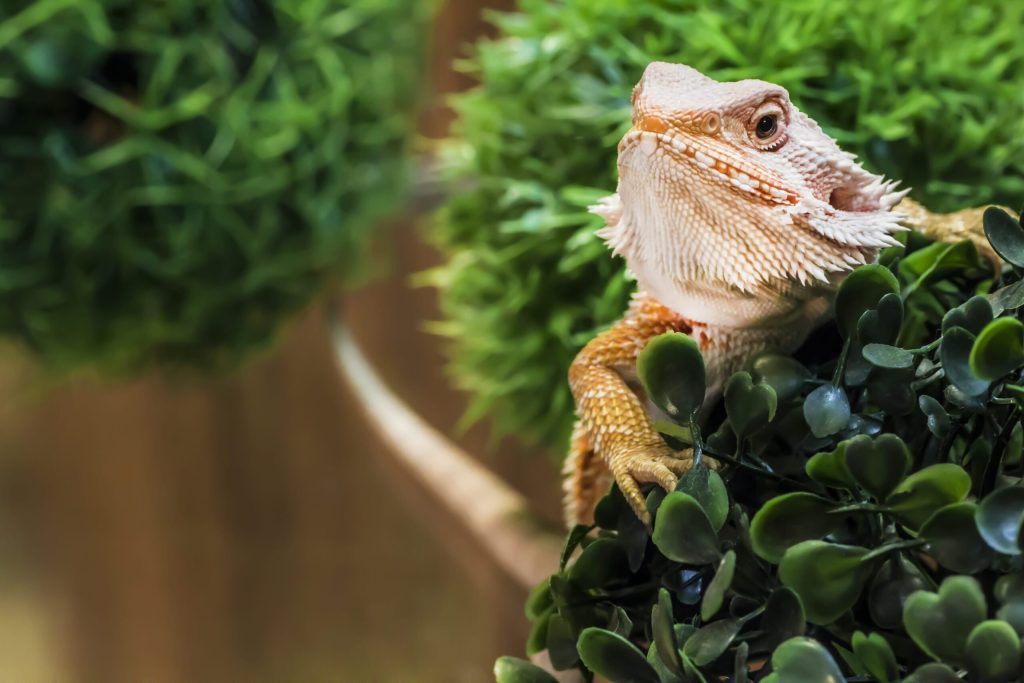
- Small reptiles like geckos, which are known for their vibrant colors and interesting behaviors, and snakes, often revered for their silent grace and unique charm.
- Birds such as macaws, noted for their remarkable intelligence and social nature, alongside cockatoos, captivating with their vocal abilities and affectionate demeanor.
- Small mammals like ferrets, known for their playful antics, and hedgehogs, which are increasingly recognized for their quirky personalities and unique appearances.
- Even larger animals like miniature pigs, which are celebrated not just for their intelligence but also for their affectionate behavior and ability to bond with humans.
These unconventional companions offer more than just an interesting conversation starter; they can significantly contribute to one’s mental health. Scientific research has shown that interacting with exotic pets can:
- Reduce feelings of loneliness as these unique animals can forge deep emotional connections that transcend traditional pet ownership.
- Enhance mood and reduce anxiety, potentially because their distinct behaviors often bring joy and stimulate curiosity, distracting from daily stresses.
- Encourage social interaction. Owning an exotic pet can serve as a bridge for connecting with others, whether through community forums, social networks, or pet expos where enthusiasts gather.
The bond that forms between humans and exotic animals can provide a profound sense of purpose and joy, making everyday life feel more vibrant and meaningful. As awareness about the emotional and psychological benefits of these unique companions grows, an increasing number of people are exploring how exotic creatures can enrich their lives.
In conclusion, the allure of exotic companionship opens up a world of possibilities for individuals seeking a deeper connection beyond what conventional pets can offer. Engaging with these fascinating beings may just be the key to transforming lonely days into lively adventures. Join us as we further explore the profound impact of exotic animals on mental health and the rewards they deliver to those brave enough to embrace the extraordinary.
DISCOVER MORE: Click here to find out how homemade food impacts your pet’s health
Exploring the Emotional Connection
The therapeutic benefits of having exotic animals as companions extend beyond merely owning a pet; they delve into the realm of emotional connectivity that can foster profound changes in mental health. Studies indicate that the human-animal bond can lead to increased levels of oxytocin, the hormone associated with emotional bonding, which plays a crucial role in reducing stress and boosting overall happiness. This biological reaction is notably influenced by the unique characteristics of exotic pets.
One of the key aspects of an exotic pet’s appeal lies in their diverse behaviors and characteristics that are often quite different from more traditional animals. For instance, consider the iridescent feathered macaws. They are not only stunning to look at but are also highly intelligent and social creatures. Engaging with a macaw can stimulate the mind and have a soothing effect, as their playful antics provide laughter and joy. Such interactions can contribute to the reduction of anxiety and promote a sense of calm, offering therapeutic effects that are often sought after in today’s high-stress environment.
Moreover, exotic animals frequently demand a different level of care and attention that can be therapeutic in itself. The responsibilities associated with their care, such as setting up their habitats, ensuring proper diet, and engaging in play, can distract individuals from their worries and cultivate routine — a stability that many crave. By investing time and focus into an exotic animal, individuals may find a newfound sense of purpose that alleviates feelings of isolation.
Furthermore, the vibrant community surrounding exotic pets cannot be overlooked. Owners often find themselves engaged in a network of other enthusiasts who share valuable insights and experiences. This connectivity fosters an environment of support and camaraderie, which can be instrumental in combating feelings of loneliness. Interactions at events like pet expos, where owners can showcase their exotic companions, create opportunities for socialization and friendships that might not develop through other channels.
The Unique Behavioral Traits of Exotic Pets
The distinct behavior patterns exhibited by exotic animals play a significant role in their therapeutic impact. Here are a few examples:
- Geckos often engage in fascinating behaviors such as climbing, shedding, and basking, which can intrigue owners and spur interactions that enhance mood.
- Ferrets are notorious for their playful nature, often performing amusing antics that can bring smiles and laughter, effectively lifting the spirits of those around them.
- Cockatoos can mimic speech and expressions, allowing owners to engage in a unique form of companionship that stimulates communication and emotional expression.
- Miniature pigs exhibit endearing characteristics, such as an ability to bond closely with humans, making them excellent companions for those seeking deeper emotional connections.
As more individuals contemplate the aspects of emotional health, the allure of exotic animals stands out as not just a personal choice, but as a journey toward discovering an enriching bond that can enhance one’s mental health. Delving into the world of these extraordinary companions reveals insights that may transform how we perceive our relationships with animals and their impact on our lives.
| Category | Advantages |
|---|---|
| Social Connection | Exotic animals can foster unique social interactions, enhancing emotional connections among their owners. |
| Mental Health | Companionship with exotic animals can significantly reduce feelings of isolation and anxiety, promoting overall well-being. |
| Educational Opportunities | Owning an exotic animal provides an educational aspect, encouraging individuals to learn about diverse species and their habitats. |
| Therapeutic Engagement | Engaging with exotic pets often involves distinct forms of therapy, contributing to enhanced stress relief and personal joy. |
The therapeutic connection fostered by exotic animals as companions reaches beyond mere companionship. Engaging with these unique creatures often opens up avenues for social connection, allowing individuals to bond over shared interests in animal care and conservation. This shared experience acts as a catalyst for forming relationships, especially among those who may feel isolated or disconnected from conventional social networks. Additionally, the mental health benefits derived from owning exotic pets are significant. Studies have shown that interacting with animals can lead to the release of endorphins, providing a soothing effect that promotes emotional stability and reduced anxiety levels. The exotic nature of these animals often draws attention, which can lead to enriching conversations and connections with others, thus battling feelings of loneliness. Moreover, embracing exotic pets can expand one’s knowledge and appreciation for wildlife. Each species brings its unique traits and needs, allowing owners to actively engage in educational learning about their habitats, behaviors, and conservation efforts. Many find that the responsibility and commitment involved in caring for exotic animals lead not just to personal growth but also to an increased awareness of global wildlife issues. In this way, the therapeutic benefits of exotic animals extend far beyond companionship, encompassing social engagement, emotional healing, and valuable educational experiences. The array of advantages associated with these unique companions showcases their potential as profound agents of change in personal well-being and community interaction.
LEARN MORE: Click here for deeper insights
Enhancing Mental Health Through Exotic Companionship
The mental health benefits of owning exotic animals extend into various therapeutic realms, presenting a unique avenue for emotional and psychological healing. Research has shown that spending time with animals can lower levels of cortisol, the stress hormone, while simultaneously increasing feelings of happiness and satisfaction. This physiological reaction is essential for those battling mental health disorders such as depression and PTSD, where traditional treatments alone may not suffice.
Furthermore, having exotic pets can profoundly impact routine and structure in daily life. It is not uncommon for owners of creatures like hedgehogs, tarantulas, or python snakes to spend time establishing and maintaining their habitats, which can lead to increased feelings of accomplishment and responsibility. This meticulous care often translates into improved time management skills and a greater sense of purpose, pivotal for those stricken by feelings of ineffectiveness.
Beyond routine, the simple act of interacting with exotic animals contributes to a natural boost in mood. For example, sugar gliders, with their playful and curious demeanor, offer companionship that encourages laughter and joy, known antidotes to stress and anxiety. Engaging in playful activities with these small marsupials can initiate light-hearted moments that release endorphins, promoting a more positive outlook and emotional fulfillment.
Social Interaction and Community Engagement
The social aspect of owning exotic animals cannot be underestimated. Many enthusiasts find themselves joining local or online communities that celebrate their unique interests, fostering connections that can alleviate loneliness. Such networks often organize events, educational sessions, and even rescue operations, forming strong bonds among participants. Not only do these interactions provide vital support systems, but they also empower individuals through shared knowledge and experiences, creating a sense of belonging.
Moreover, professionals in occupational therapy have increasingly recognized the role of exotic animals in therapeutic settings. They often employ species such as miniature goats or miniature horses in programs designed for individuals with disabilities or behavioral issues. These animals encourage social communication and teamwork, facilitating therapeutic engagements that enhance interpersonal skills and emotional resilience.
Additionally, individuals experiencing severe anxiety or social phobia may benefit significantly from having exotic pets. The presence of a gentle capybara or an approachable senegal parrot can provide comfort during moments of distress, allowing individuals to engage with their surroundings at their own pace. This gradual exposure to social interaction can help alleviate the fear associated with social situations, ultimately contributing to improved mental well-being.
Bridging the Gap Between Nature and Humanity
As modern society increasingly recognizes the importance of mental health, the therapeutic properties of exotic animals offer an intriguing bridge between nature and humanity. The opportunity to form unexpected bonds with unique species invites individuals to step outside conventional experiences typically offered by more traditional pets. As one’s understanding of animal behaviors deepens, so too does the connection, ultimately enriching the lives of both the human and animal involved.
With varied experiences, such as encountering the iridescent colors of a chameleon or the gentle nudges of a rhinoceros iguana, exotic animals can provide a robust framework for reinforcing emotional ties and enhancing mental health. As exploration of these extraordinary relationships continues, the therapeutic potential of exotic pets remains an evolving field that opens doors to new understandings of companionship and emotional health.
DISCOVER MORE: Click here to find out about the latest trends
Conclusion: A New Frontier in Emotional Well-being
The exploration of therapeutic benefits stemming from exotic animals as companions unveils a fascinating intersection of psychology and the natural world. As we have discussed, these unique creatures can lower stress levels, promote heightened moods, and foster a sense of purpose among their owners. With their distinctive charms and often captivating behaviors, exotic animals such as miniature goats and sugar gliders encourage emotional connections that enrich daily life and provide psychological support that may be transformative for many individuals.
The burgeoning interest in such unconventional companions not only encourages a deeper understanding of exotic species but also highlights the importance of community engagement and shared experiences. Through virtual networks and local events, individuals are afforded the chance to connect, share knowledge, and cultivate social ties that combat feelings of loneliness. This aspect emphasizes that the mental health benefits derived from exotic animals extend far beyond the individual, creating supportive environments that empower those involved.
As mental health continues to gain priority in the realms of public policy and personal well-being, the therapeutic potential of these non-traditional pets invites further research and understanding. Integrating exotic animals into therapeutic practices opens new avenues for treatment, shedding light on solutions for individuals facing challenges with emotional well-being. Through an appreciation for these extraordinary relationships, we continue to bridge the gap between nature and humanity, enriching lives and fostering positive mental health.
Related posts:
How to Prepare Your Home for an Exotic Pet: Tips and Considerations
The Role of Exotic Animals in Assisted Therapies: Benefits and Challenges
Demystifying Myths: Truths and Falsehoods about Exotic Animals as Pets
Exploring Diversity: Exotic Animals and Their Specific Needs
Exotic Animals and Conservation: How Adoption Can Impact Wild Species
Emotional and Financial Preparation for Exotic Animal Adoption

Linda Carter is a writer and pet care expert specializing in pet health, grooming, and wellness. With extensive experience helping pet owners create safe, loving, and enriching environments for their animals, Linda shares her knowledge on our platform. Her goal is to empower readers with practical advice and strategies to ensure their pets thrive and lead joyful, healthy lives.