The Impact of Social Networks on the Adoption of Exotic Animals as an Incentive for Awareness
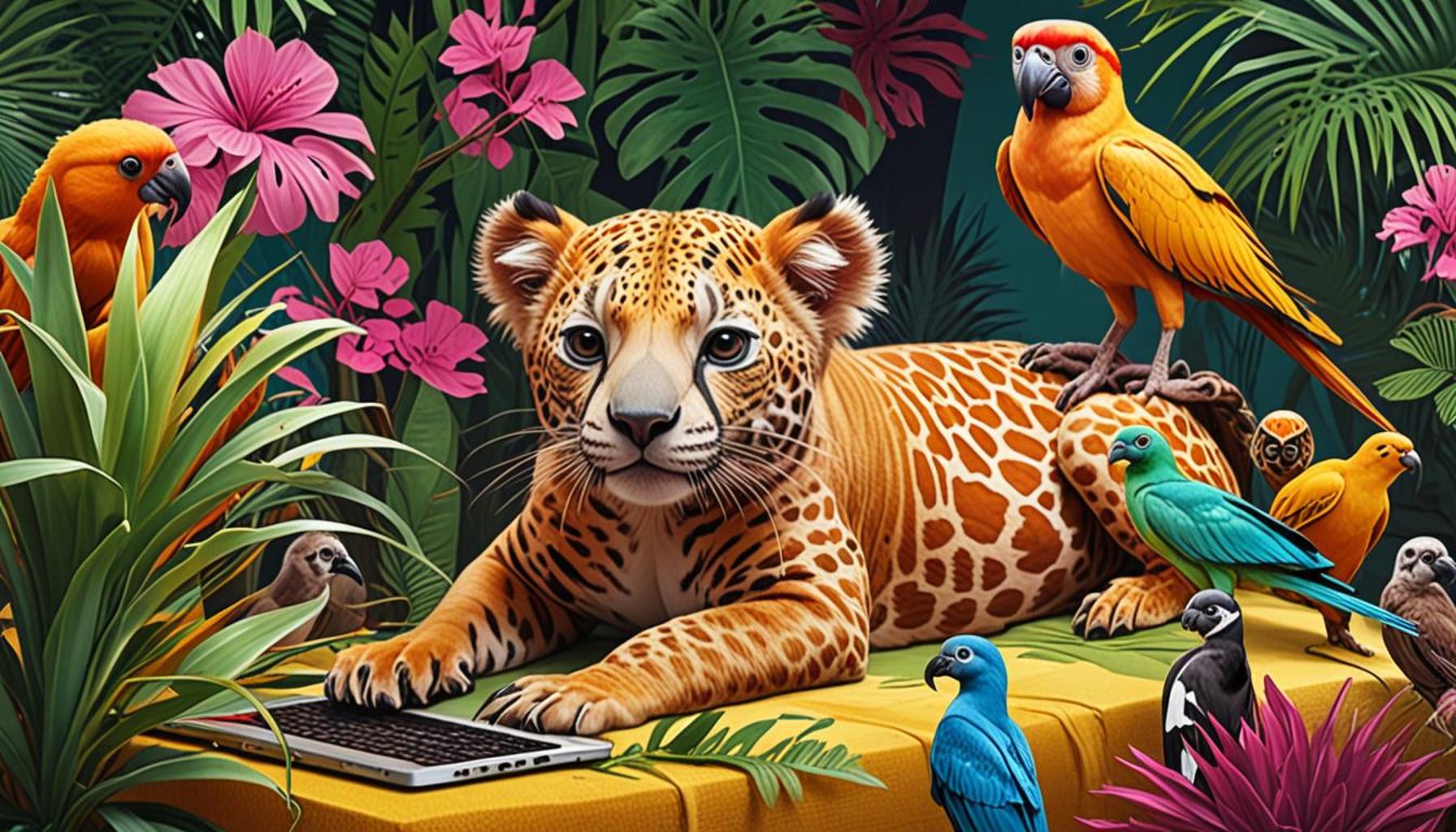
Exploring New Trends in Animal Adoption
The evolution of social networks has significantly reshaped the landscape of animal adoption. Especially in recent years, platforms like Instagram, TikTok, and Facebook have allowed enthusiasts to share their stories, pictures, and videos featuring both common and exotic pets. Exotic animals, often considered unconventional choices for companionship, are becoming increasingly popular as more individuals showcase their unique experiences online.
As social media continues to expand its influence, the movement towards adopting exotic pets is notable, bringing both new opportunities and challenges for wildlife awareness and conservation. Key aspects contributing to this phenomenon include:
- Viral Trends: Animals like capuchin monkeys, sugar gliders, and even reptiles can attain viral status through flurries of posts by social media influencers. For instance, videos of a sloth at home can attract millions of views, quickly generating interest and prompting viewers to consider adopting such animals themselves.
- Awareness Campaigns: Numerous organizations utilize social media to disseminate information about the responsibilities of owning an exotic pet. Campaigns highlight that while these animals may appear cute and fun, they require specialized care, appropriate habitat, and sometimes extensive veterinary care. Initiatives like National Pet Month and the ASPCA’s outreach efforts aim to educate the public on these critical considerations.
- Community Support: Online communities dedicated to exotic pet ownership are proliferating, offering spaces for owners to seek advice and share their experiences. Platforms such as Reddit and Facebook Groups allow individuals to exchange best practices, advocate for humane treatment, and connect with other enthusiasts, ultimately fostering a sense of belonging and shared responsibility among exotic pet owners.
The collaboration between social networks and the promotion of exotic animal adoption serves a dual purpose: it raises awareness about these remarkable creatures while underscoring the necessity of responsible care. However, the rise in popularity of exotic pets brings crucial discussions about animal welfare and conservation ethics to the forefront. For instance, the illegal pet trade has leveraged social media to undermine conservation efforts by promoting the availability of endangered species.
As this trend evolves, it is vital to consider how social media can both enlighten and mislead potential pet owners. Some users may romanticize the idea of owning an exotic pet, ignoring the complexities involved in their care. Moreover, prospective adopters must be equipped with knowledge regarding local laws, habitat needs, and the long-term commitment required to ensure the well-being of these animals.
To navigate the intersection of social media and wildlife conservation effectively, it is essential to champion responsible ownership while embracing the passion that drives individuals to connect with these extraordinary animals. By fostering informed discussions and promoting ethical practices, the online community can play a transformative role in supporting both animal welfare and conservation initiatives.
DISCOVER MORE: Click here to enhance your pet training experience
The Rise of Exotic Animal Adoption in the Digital Age
As social media platforms continue to burgeon in their reach and influence, the phenomenon of adopting exotic animals is gaining unprecedented traction. The power of visual storytelling and the viral nature of content on platforms such as Instagram and TikTok have transformed how potential pet owners engage with the idea of exotic pets. This burgeoning trend prompts intriguing questions about not only the impact on adoption rates but also the broader implications for wildlife conservation and animal welfare.
One of the most compelling elements contributing to this surge in exotic animal adoption is the role of influencers. These digital personalities curate an aspirational lifestyle that often includes pets, from ferrets to tarantulas, leading their followers to seek similar experiences. A particularly viral video showcasing a captivating interaction between a user and a unique pet can ignite a widespread interest, effectively normalizing the idea of non-traditional pet ownership.
Statistics reveal a notable increase in the number of exotic pets adopted in recent years. According to the American Pet Products Association, around 5.1 million households in the United States now own exotic pets, highlighting a distinct shift from conventional cats and dogs to more unconventional companions. This rise is not merely anecdotal; the data reflects a changing perception of what constitutes a “pet” in American society.
- Influencer Marketing: Many influencers actively promote exotic animals by sharing their daily lives with these pets, leading to a secure follower base that aspires to emulate these lifestyles.
- Access to Information: Social networks provide a constant flow of accessible information regarding the care, behavior, and legalities associated with exotic pets, enabling potential adopters to make informed choices.
- Visual Appeal: The predominantly visual nature of platforms like TikTok and Instagram attracts viewers with engaging content that showcases the beauty and charm of exotic animals.
Moreover, the popularity of exotic animals on social networks does not come without its complications. The glorification of exotic pets can lead to impulsive decisions by potential adopters who may not be fully aware of the considerable responsibilities involved. For instance, an Instagram feed filled with photographs of enthralling exotic reptiles might obscure the complex care requirements and legal restrictions these animals often entail.
In response to the challenges posed by this trend, many advocacy groups leverage the very platforms that fuel the adoption craze to foster awareness about responsible ownership. Programs that educate prospective pet owners provide a necessary counterbalance, highlighting crucial factors such as the long-term commitment, specialized care, and ethical considerations of adopting exotic pets. These campaigns emphasize that while social media can celebrate the uniqueness of exotic animals, it is imperative to blend this enthusiasm with informed decision-making that prioritizes animal welfare.
This dialogue around responsible ownership is essential not only for potential pet owners but also for the overall health of wildlife populations. As social media influences underscore the need for informed choices, it becomes increasingly vital for communities and organizations to harness the power of these platforms to further advocate for wildlife awareness and conservation efforts. Ultimately, the intersection of social networks and exotic animal adoption presents an intriguing case study in modern consumer behavior, one that will require ongoing evaluation and consideration as the dynamics evolve.
The evolution of social networks has notably transformed the way individuals and communities interact with information regarding exotic animals. One significant impact is the rapid dissemination of content focused on species conservation and welfare. Platforms like Instagram and Facebook are filled with images and videos of exotic animals that capture the attention of users, often leading to heightened interest and engagement. This instant access to visual stimuli not only raises awareness but also encourages discussions around ethical considerations regarding the ownership and treatment of these animals.Moreover, social networks serve as hubs for community-building among animal enthusiasts and advocates. Online groups and pages create space for exchanging knowledge, sharing experiences, and organizing campaigns aimed at protecting wildlife. Hashtags such as #ExoticPets and #WildlifeConservation help link individuals to broader movements and initiatives, promoting lobbying efforts and educational resources. The collective voice amplified through social platforms can catalyze significant change: awareness turns into action when communities rally to address issues like illegal wildlife trade or habitat destruction.However, while these digital platforms provide an avenue for raising awareness, they can also contribute to a culture of irresponsibility regarding exotic animal ownership. The glamorization of these creatures online can lead to an increase in demand, prompting individuals to seek out exotic pets without fully understanding the responsibilities and ethical ramifications involved. This duality presents a challenge for advocates who strive to instill responsible practices and educate potential owners about the implications of their choices. With millions of users engaging in these online discussions, the challenge remains to use the reach of social media not just to showcase these captivating animals, but to drive home the message of conservation, responsibility, and ethical treatment. By transforming interest into informed action, social networks can position themselves as powerful platforms for change, creating a more positive impact on both exotic animals and their habitats. As the dialogue continues, it’s clear that awareness is just the starting point for deeper engagement and meaningful action. The advent of influencer culture has also intersected with this issue. Influencers often have a substantial impact on their followers’ views and can promote positive messages about the dangers of illegal wildlife trades or advocate for adoption rather than purchase. When influencers share educational content alongside entertaining posts, they have the potential to drive this critical conversation forward, encouraging responsible choices in exotic animal adoption.In summary, the dynamic between social networks and the adoption of exotic animals as an awareness incentive is multifaceted. It highlights both the potential for advocacy through awareness-raising, as well as the responsibilities that come with the increased visibility of exotic species. The challenge continues: to harness this influence for greater good, ensuring that the allure of exotic animals is matched by a commitment to their conservation and ethical treatment.
DIVE DEEPER: Click here to discover how diet affects your pet’s dental health
The Role of Community and Advocacy in Promoting Responsible Adoption
As the allure of exotic pets gains momentum across social networks, the role of community engagement emerges as a vital component in navigating the complexities of this trend. Social media not only catalyzes the spread of images and videos showcasing these animals, but it also serves as a platform for discussions surrounding the ethical considerations of exotic pet ownership. Numerous online communities and forums dedicate themselves to the responsible adoption of such pets, emphasizing the importance of creating an informed and supportive network.
Social media initiatives, often spearheaded by wildlife advocacy organizations, focus on promoting responsible ownership through educational campaigns that leverage the very platforms fueling the trend. For instance, awareness campaigns on Facebook and Twitter utilize attractive visuals and informative content to guide potential adopters about the specific needs of various exotic species. These educational posts remind audiences that while exotic pets may be enchanting, they require significant time, financial resources, and specialized care.
Furthermore, platforms like Instagram often facilitate community connections among exotic pet owners. Hashtags such as #ExoticPets or #ResponsibleOwnership feature user-generated content showcasing both the beauty of these animals and the challenges their owners face. This transparency helps potential adopters gain realistic insights into the day-to-day responsibilities that come with caring for exotic pets. Engaging content educates users as they explore adorable pictures and captivating videos, effectively reminding followers that the fantasy depicted on social media is intertwined with practical realities.
- Peer Support: Online communities provide potential exotic pet owners with access to advice from experienced caretakers who share their journeys. These interactions foster a sense of accountability and highlight the importance of preparation before deciding to adopt an exotic animal.
- Resource Distribution: Organizations and advocacy groups use social media to distribute crucial resources, including checklists and guides that outline the temperament and environment requirements of specific exotic species.
- Legal and Ethical Guidance: Social networks are instrumental in raising awareness of the legal implications of ownership. Many states have strict regulations surrounding exotic pet ownership, which can vary dramatically, making education on legalities a top priority for advocacy groups.
Countless success stories arise from social media-driven advocacy efforts that have led to responsible exotic pet adoption. Examples abound of individuals who, initially drawn to exotic pets by viral content, later became ambassadors for responsible ownership. These advocates often use their social media platforms to share their experiences—both rewarding and challenging—ultimately educating others and promoting a more informed adoption culture.
The implications of these online communities extend beyond mere education; they help establish a perception that responsible exotic pet ownership is not a niche but a shared value among a growing segment of society. As more individuals adopt exotic animals with a commitment to understanding their requirements, the discourse shifts from whimsical fascination to a more profound respect for animal welfare and environmental sustainability.
By fostering a culture of transparency and knowledge-sharing, social networks have the potential to redefine the exotic pet adoption landscape. As the interactivity afforded by these platforms continues to engage users, stakeholders in wildlife conservation will undoubtedly have a unique opportunity to influence public perception, combining the thrill of exotic animals with a passionate call for ethical responsibility and awareness.
LEARN MORE: Click here to discover how environment influences pet training success
Conclusion
In summary, the impact of social networks on the adoption of exotic animals serves as both an engaging trend and a crucial platform for fostering awareness about responsible ownership. As our exploration indicates, the enchanting allure of exotic pets often captured in vibrant online posts comes with complex layers of ethical considerations, which need to be navigated carefully. Social media has evolved into a double-edged sword; it not only accelerates the allure of these captivating creatures but also empowers users with vital educational resources and community support.
Through various initiatives and campaigns, organizations leverage these platforms to promote informed decision-making among potential adopters. By enhancing awareness about the specific requirements and legalities involved in owning exotic pets, social networks are reshaping public perception. It is this ongoing discourse that compels audiences to view exotic pet ownership through a more sustainable and ethical lens.
As communities continue to thrive on platforms like Instagram and Facebook, potential pet owners are increasingly equipped with hands-on experiences shared by seasoned caretakers. The narratives surrounding responsible ownership are not only inspiring but also contribute to a wider societal shift towards valuing animal welfare and environmental sustainability.
Ultimately, the challenge remains: to strike a balance between the fascination with exotic animals and a profound respect for their needs. By cultivating a culture of education and advocacy, social networks have a unique opportunity to transform the exotic pet adoption landscape from a trend driven by whimsy into a movement grounded in ethical responsibility. Users, stakeholders, and wildlife advocates are called upon to continue this dialogue, ensuring that the allure of exotic pets is matched by a genuine commitment to their well-being and conservation.
Related posts:
The Growing Popularity of Exotic Pets in American Homes
The Legal Challenges and Responsibility of Exotic Animal Owners in Different States
Care and Challenges in Keeping Reptiles as Pets
Impact of Exotic Animal Breeding on Local and Global Biodiversity
Exotic Animals and the Need for Specific Veterinary Care
The Role of Exotic Animals in Environmental Education and Conservation Programs

Linda Carter is a writer and pet care expert specializing in pet health, grooming, and wellness. With extensive experience helping pet owners create safe, loving, and enriching environments for their animals, Linda shares her knowledge on our platform. Her goal is to empower readers with practical advice and strategies to ensure their pets thrive and lead joyful, healthy lives.