The Interaction between Exotic Animals and Children: Benefits and Precautions
The Allure of Exotic Animals for Young Minds
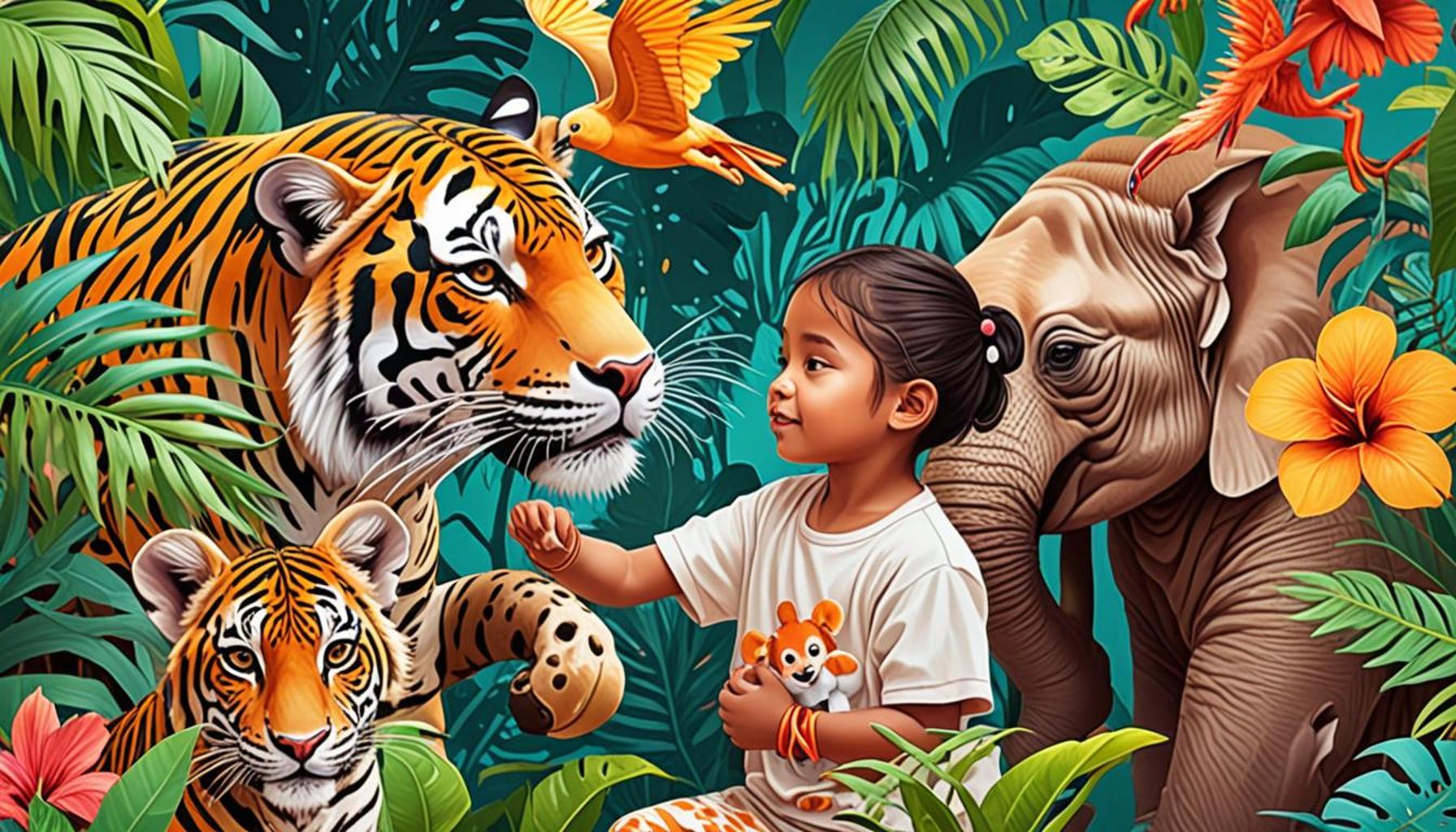
Exotic animals have long intrigued children, sparking a sense of wonder and curiosity. From the colorful plumage of tropical birds to the striking patterns on a tiger’s coat, these creatures offer a visual feast that captivates young imaginations. Furthermore, the behaviors exhibited by these animals—be it the playful antics of a capuchin monkey or the mesmerizing movements of a chameleon—add layers of excitement that keep children engaged and eager to learn more.
However, while the interaction with exotic animals can present a wealth of advantages, it is crucial to engage in this exploration with care and responsibility. Parents and guardians should approach these experiences thoughtfully, bearing in mind several key factors that can shape a child’s understanding and appreciation of wildlife.
Positive Aspects of Interaction
- Education: Exposure to exotic animals can cultivate a love for wildlife and nature, encouraging children to learn about different ecosystems and conservation efforts. Educational programs, such as visits to sanctuaries or wildlife reserves, provide opportunities to learn directly from experts.
- Compassion: By understanding the needs and lives of animals, children gain valuable lessons in empathy. Activities like volunteering at animal shelters or engaging in animal rescue initiatives can deepen their bond with all living beings, fostering a sense of connection to the larger world.
- Responsibility: Caring for a pet or participating in hands-on experiences with animals teaches accountability. Children learn that animals require daily attention and care, and taking on this responsibility can promote maturity and a sense of ownership.
Potential Risks to Consider
While there are undoubtedly many benefits to interacting with exotic animals, certain precautions must be taken to prevent potential pitfalls that could arise from these encounters.
- Safety Risks: Some exotic animals may pose physical dangers if not handled properly. For instance, reptiles like snakes or alligators can be unpredictable, and young children might not understand how to safely interact with them.
- Health Concerns: Certain exotic pets carry zoonotic diseases, which are illnesses that can be transmitted from animals to humans. For example, touching reptiles could expose children to salmonella, a common bacteria that can cause serious illness.
- Legal Issues: Laws regarding exotic pet ownership vary widely across different states in the U.S. Many regions have strict regulations, sometimes prohibiting the private ownership of specific species to protect both the animals and the public. Parents should always familiarize themselves with local laws before acquiring any unusual pet.
Exploring the vibrant world of exotic animals can be an amazing experience for children; however, it is important to strike a balance between the joys of discovery and the need for safety and legality. By adhering to essential guidelines and instilling respect for nature, young animal lovers can cultivate enriching and responsible relationships with exotic creatures. Join us as we further delve into the intriguing dynamics of this relationship, uncovering how to navigate the joys and challenges of interactions with the wild.
DISCOVER MORE: Click here to learn how nutrition can enhance your pet’s immunity
Unleashing Learning Opportunities
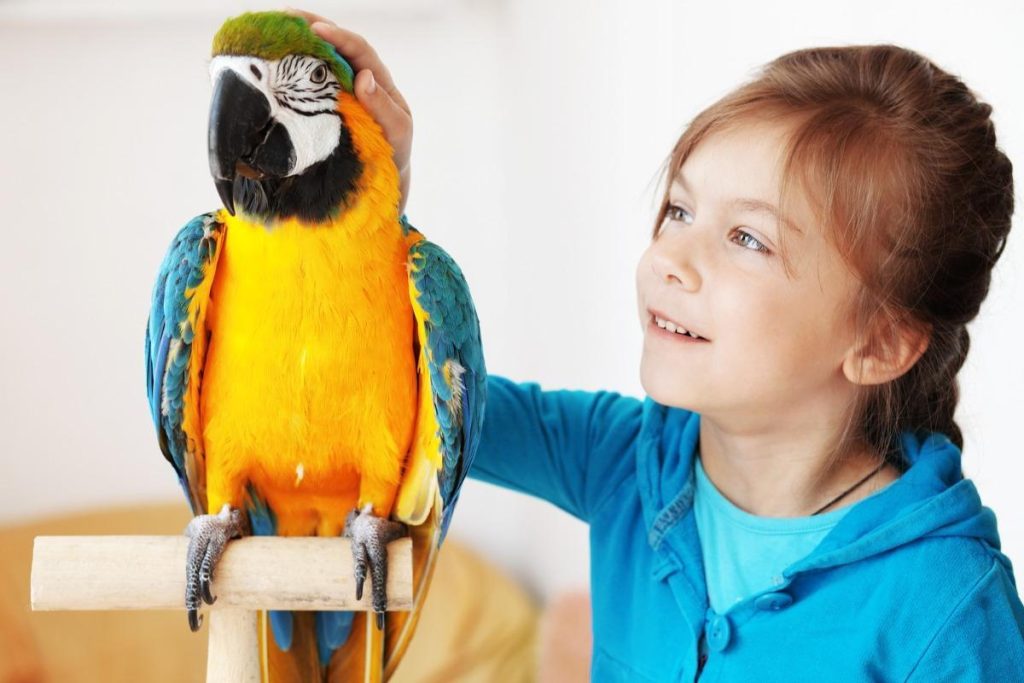
The interaction between children and exotic animals can serve as a powerful educational tool, enhancing learning experiences in ways that traditional subjects cannot. Children often respond positively to hands-on learning methods, and the presence of exotic animals stimulates inquiry and exploration. Wildlife encounters can ignite a passion for science, promoting discussions about biology, ecology, and environmental stewardship. For example, observing a colorful parrot can lead to conversations about species diversity, habitats, and the significance of protecting animal environments.
Moreover, educational programs featuring exotic animals are increasingly common in schools and community centers across the United States. These programs allow children to discover the intricacies of animal behavior through guided interactions. Specialists, often with backgrounds in wildlife biology or conservation, provide essential insights, ensuring that children not only appreciate these unique creatures but also understand their roles in the ecosystem.
Building Empathy Through Animal Interaction
Engaging with exotic animals fosters a deeper sense of empathy among children. Experiencing the gentle nudge of a lemur or the soft fur of a capybara encourages kids to recognize the emotions and needs of living beings beyond their own. This notion of empathy can extend into their everyday interactions, promoting kindness and respect towards others, be it human or animal.
- Understanding Needs: When children learn about an animal’s lifestyle and habitat, they develop a greater appreciation for its well-being. Programs that include feeding sessions or animal care teach kids the importance of meeting animals’ nutritional, social, and environmental needs.
- Connecting with Nature: Building a connection through animal interactions can positively influence children’s perceptions of the natural world. By witnessing the beauty and complexity of exotic fauna, they are more likely to advocate for conservation efforts and protect natural habitats.
- Fostering Teamwork: Collaborative experiences, such as working with peers in wildlife exhibits or participating in animal rescue initiatives, encourage teamwork and communication skills. These essential life skills become ingrained through shared responsibilities and goals.
While the benefits of interaction with exotic animals are significant, it is important to remember that these experiences should not come at the cost of safety or neglect health considerations. As children engage with wildlife, understanding potential risks becomes paramount. The balance between education, empathy, and proper precautions will ensure that these interactions remain enriching and safe.
In the following sections, we will delve deeper into the specific health risks associated with exotic animal encounters and the critical guidelines that parents should follow to navigate these experiences responsibly. By prioritizing the well-being of both children and animals, we can create lasting, nurturing bonds that enrich lives.
The Interaction between Exotic Animals and Children: Benefits and Precautions is a fascinating topic that raises important questions about child development, animal behavior, and safety. As more families explore the realm of exotic pets, understanding the implications of these interactions is vital for promoting positive experiences.
Exotic animals can play enriching roles in children’s lives, facilitating engagement with nature and fostering a sense of empathy. By interacting with animals such as reptiles, birds, or small mammals, children can learn about different species, their habitats, and their behaviors. This hands-on experience fosters curiosity and a willingness to explore the world around them.
Moreover, studies indicate that children exposed to animals often exhibit improved social skills and emotional intelligence. The responsibility of caring for a pet can teach kids essential life skills, including patience and compassion. Exotic pets, when handled appropriately, can encourage children to develop a bond of trust and care, enhancing their emotional well-being.
However, it is crucial to approach these interactions with caution. Exotic animals can carry unique health risks, posing potential challenges such as zoonotic diseases. Educating children on safe handling practices is essential to mitigate these risks. Additionally, understanding the specific needs of each exotic species can prevent behavior issues and ensure the safety of both the animal and the child.
For parents considering the introduction of exotic animals into their homes, it is recommended to conduct thorough research. Knowledge of appropriate habitats, dietary needs, and social behaviors of the exotic species in question can help create a safe and enriching environment for children.
| Advantages | Precautions |
|---|---|
| Promotes Empathy | Children must learn safe handling practices to avoid undue stress on exotic animals. |
| Enhances Learning | Regular vet check-ups are necessary to prevent zoonotic diseases. |
Interacting with exotic animals can be a beneficial and educational experience for children when approached with appropriate understanding and care. As parents and guardians, taking time to ensure safety and promote healthy interactions will go a long way in enriching children’s lives while mitigating potential risks.
DISCOVER MORE: Click here to learn about the impact of nutrition on animal adoption
Health Considerations and Safety Precautions
While the benefits of interacting with exotic animals are compelling, it is crucial to address the health considerations and safety precautions that must accompany these experiences. Exotic animals, although fascinating, can carry zoonotic diseases—illnesses that can be transmitted from animals to humans. Common examples include Salmonella from reptiles and various parasites from mammals that may pose a risk to children, whose immune systems are still developing. Recognizing these risks is vital for ensuring safe interactions.
It is recommended that children engage with exotic animals under the supervision of trained professionals. Workshops or educational programs led by wildlife experts typically emphasize hygiene and proper handling protocols. Before engaging with animals, children should be informed about the importance of washing hands thoroughly after any contact. This simple act can mitigate the risk of disease transmission significantly.
Your Guide to Safe Interactions
To support safe and informed interactions, here are several critical guidelines that parents and guardians should consider:
- Choose Reputable Programs: Enroll children in programs that are certified and led by professionals experienced in animal care and education. Look for organizations that adhere to established guidelines for animal handling and welfare.
- Be Aware of Allergies: Before participating in animal encounters, ascertain if the child has any allergies to specific types of animals, such as fur or dander. It’s essential to communicate any concerns to program facilitators to ensure appropriate accommodations.
- Age-Appropriate Engagement: Select programs designed for a child’s age group. Younger children may require more hands-on supervision than older children and may need modified interactions to suit their developmental stage.
- Education on Animal Behavior: Teaching children about animal behavior is vital. Children should understand how to approach animals safely and respectfully, recognizing signs of distress or discomfort from the animals themselves.
- Limit Physical Contact: In many cases, minimizing direct contact is the safest option, especially with certain species that are more prone to stress or aggression. Observing animals from a safe distance can be equally educational and rewarding.
In addition to the potential health risks, ethical considerations also arise when exposing children to exotic animals. The impact on animal welfare should not be overlooked. Programs should prioritize the comfort and health of the animals involved, ensuring they are kept in environments that mimic their natural habitats. Support for sanctuaries or wildlife rescue organizations can often provide a more ethical alternative to traditional petting zoos or interactive exhibits, aligning educational goals with animal welfare.
Therefore, the interaction between children and exotic animals can present unique opportunities for learning and growth, provided that all necessary precautions are taken. Ongoing education for children about both the benefits and responsibilities of interacting with wildlife will cultivate a generation that not only cherishes but also respects our natural world.
DISCOVER MORE: Click here to learn about how environment affects pet training
Final Thoughts on Engaging with Exotic Animals
In conclusion, the interaction between children and exotic animals offers a wealth of educational benefits that extend beyond mere fascination. These experiences can instill a sense of wonder, enhance empathy towards living beings, and foster a deeper understanding of biodiversity. When children engage with exotic animals in controlled environments, they develop crucial life skills, including responsibility, compassion, and awareness of environmental conservation. However, these enriching opportunities must be approached with caution and diligence.
Recognizing the potential health risks and ethical considerations is paramount. It is essential to prioritize safety by relying on reputable programs led by knowledgeable professionals, ensuring proper hygiene, and minimizing direct animal contact whenever necessary. By educating children about animal behavior and welfare, we empower them to interact responsibly and respectfully with wildlife.
As stewards of future generations, parents and guardians play a vital role in guiding children’s experiences with exotic animals. This guidance should include open discussions about both the magic of these encounters and the responsibilities they entail. For those interested in further exploration, supporting local wildlife sanctuaries or conservation initiatives can provide avenues for safe and ethical interactions.
Ultimately, fostering a love and respect for exotic animals through informed engagement can lead to a lifelong commitment to both animal welfare and environmental stewardship. The key lies in balancing curiosity with care, ensuring that children not only learn from these experiences but also contribute positively to the health of our ecosystems.
Related posts:
The Legal Challenges and Responsibility of Exotic Animal Owners in Different States
Emotional and Financial Preparation for Exotic Animal Adoption
Impact of Exotic Animal Breeding on Local and Global Biodiversity
The Impact of Social Networks on the Adoption of Exotic Animals as an Incentive for Awareness
Exotic Animals as Pets: The Influence of Sustainability and Conservation Trends
Legality and Ethics in the Possession of Exotic Animals in the United States

Linda Carter is a writer and pet care expert specializing in pet health, grooming, and wellness. With extensive experience helping pet owners create safe, loving, and enriching environments for their animals, Linda shares her knowledge on our platform. Her goal is to empower readers with practical advice and strategies to ensure their pets thrive and lead joyful, healthy lives.