The Influence of Pop Culture on the Adoption of Exotic Pets
Exploring the Exotic Pet Trend in the U.S.
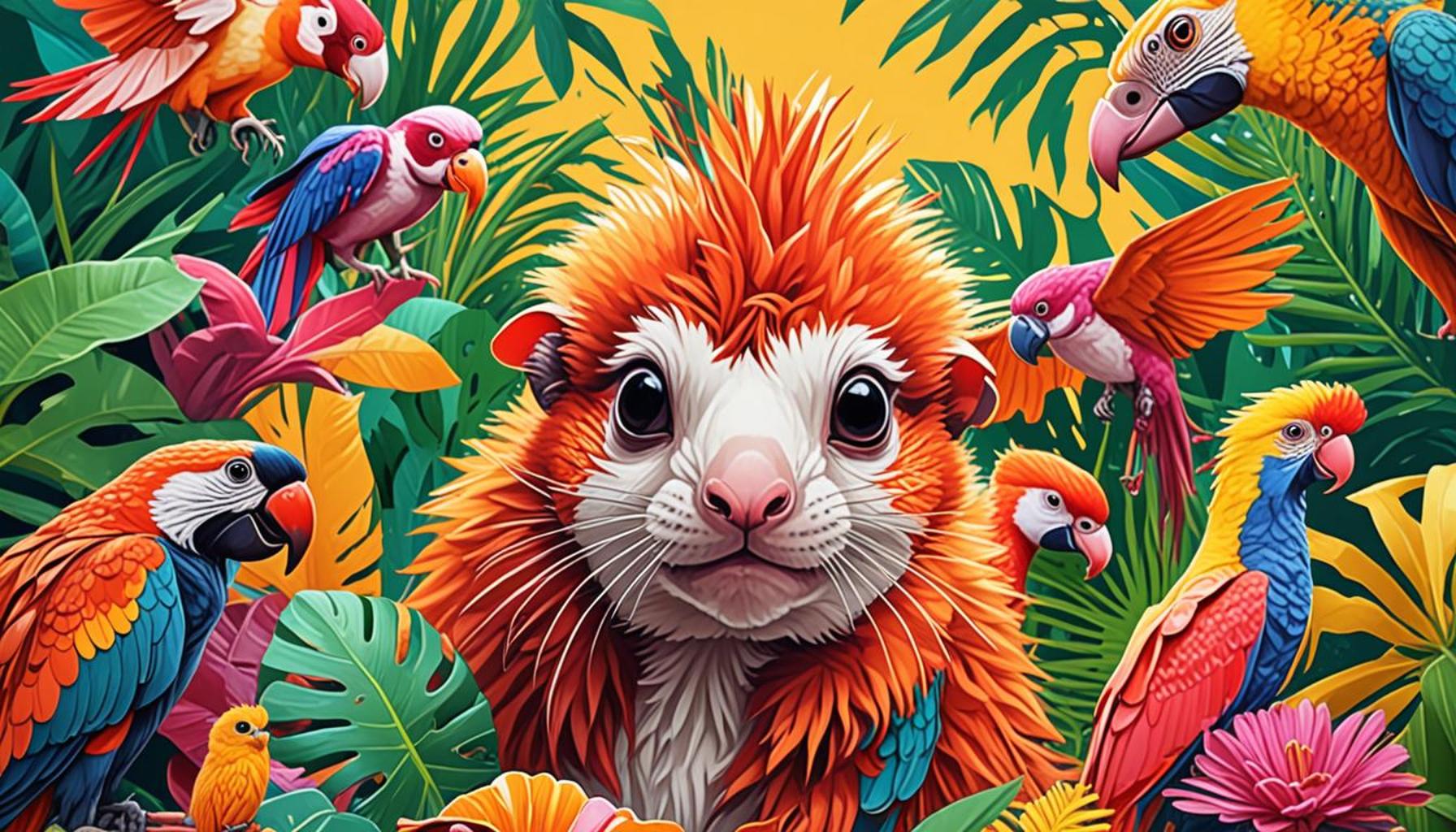
Exotic pets are no longer a niche interest; they have become a burgeoning trend among pet lovers in the United States. This shift is largely influenced by the pervasive reach of pop culture. The visibility provided by various media platforms plays a crucial role in shaping public interest in unique animals, redefining the concept of pet ownership.
Influences from Pop Culture
One of the most compelling aspects of this trend is the role of influential celebrities. A-list stars often feature their exotic pets in memorable ways. For instance, Miley Cyrus has notably shared her experiences with a variety of unique animals, from a pet pig named Bubba Sue to multiple rescue cats. Similarly, Justin Bieber has drawn attention for his ownership of a monkey named Mally, which he brought into the limelight during his early career. These high-profile displays not only entertain fans but also plant the seeds of curiosity toward non-traditional pets.
Television Programming and Fascination
Television entertainment also plays a significant role in driving interest in exotic pets. Shows such as “Finding Bigfoot” delve into cryptozoology, while programs on channels like Animal Planet regularly introduce viewers to fascinating species and their behaviors. The accessibility of these shows has made exotic animals more relatable and appealing. As audiences tune in, they become more eager to learn about the needs and care of less conventional pets.
The Digital Age and Viral Sensations
Social media is perhaps the most powerful facilitator of this trend. Platforms like Instagram and TikTok are teeming with accounts dedicated to showcasing unusual pets. From capybaras lounging in bathtubs to colorful chameleons basking in the sun, these posts generate millions of views. Pet influencers such as JiffPom, the Pomeranian who interacts with various exotic species, create a captivating narrative that merges cuteness with exoticism, influencing potential pet owners in the process.
Ethical Considerations
While the allure of owning an exotic animal can be enticing, this interest raises critical questions about responsibility and sustainability. The burgeoning demand for exotic pets can lead to negative consequences for both the animals and ecosystems. Many exotic species are captured in the wild, leading to population decline and habitat destruction. Additionally, potential pet owners must consider whether they are fully equipped to meet the complex needs of these animals, which often require specialized care, diets, and environments.
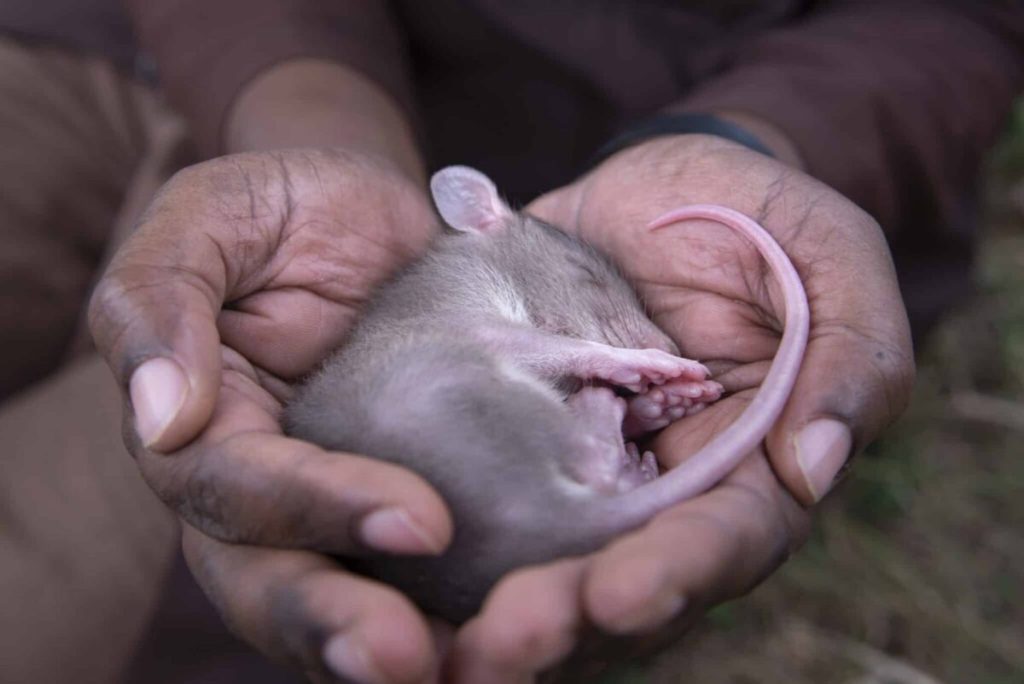
Raising awareness of these critical issues is essential as society grapples with the balance of admiration and responsibility surrounding exotic pets. As the trend continues, understanding pop culture’s influence offers insight into not only the charisma of these unique companions but also the ethical considerations that accompany their ownership.
DIVE DEEPER: Click here to learn more
The Allure of the Unconventional: Why Exotic Pets Are Captivating America
The fascination with exotic pets extends beyond simple novelty. It taps into the very essence of human curiosity and the desire for unique companionship. As owners seek to break away from traditional pet ownership norms, many are increasingly drawn to animals that are as exotic as they are intriguing. This trend reveals how a blend of media influence, social networking, and celebrity culture has radically transformed perceptions of what constitutes a typical pet.
The Power of Celebrity Endorsement
These days, the line between pet ownership and status symbols is blurred, with celebrities playing an undeniable role in promoting exotic pets. The ability of stars to influence behavior is well-documented, and when they flaunt their unconventional pets, they ignite conversations and capture the imagination of fans. Celebrities like Kylie Jenner and her pet rabbit, or Cardi B with her unique menagerie, further escalate the trend. Such endorsements are magnified through platforms like Instagram, where followers not only admire their lifestyles but also aspire to replicate them.
Reality Television: A Window into the Wild
Alongside celebrity influence, the power of reality television has also contributed significantly to the growing interest in exotic pets. Shows like “The Real Housewives” series have been known to feature cast members’ quirky animals, inviting viewers into a world where talking parrots and rare reptiles become part of the glamorous narrative. In addition, specialized programs such as “My Cat from Hell” or “Pit Bulls and Parolees” focus on less conventional pets and the often misunderstood stories behind them. This format resonates with audiences, turning exotic animals into relatable characters in their own rights, furthering a desire to include such pets in daily life.
The Role of Social Media
Social media platforms such as Instagram, Facebook, and TikTok have taken the concept of pet fame to a new level. Accounts dedicated to exotic animals rapidly accumulate followers, showcasing their personalities and daily lives. The visual nature of these platforms allows audiences to connect emotionally with these creatures, sparking interest and nurturing desire. For instance, the TikTok hashtags #ExoticPets and #WeirdPets yield millions of videos, with animals ranging from hedgehogs to falcons captivating the feeds of pet lovers nationwide. This accessibility is reshaping traditional norms and instilling a fascination for what was once considered out of reach for the average person.
The Seductive Nature of Ownership
The convergence of these various pop culture influences promotes a burgeoning interest in exotic pet ownership, leading many to question what lies beneath the surface of this trend. The glamourous images often associated with exotic pets create a powerful allure, prompting potential pet owners to overlook practical considerations. It’s essential to understand that while the pull of owning a unique animal is potent, the adoption of these pets comes with significant responsibilities.
- Understanding the specialized care required for exotic animals
- Considering the ethical implications of wildlife capture
- Reflecting on the long-term commitment involved in pet ownership
As the phenomenon of exotic pet ownership continues to swell, it is crucial to unravel the complexities woven into this trend and recognize the implications of these cultural influences. The role of pop culture cannot be understated as it opens the door to understanding the charming yet challenging world of exotic pets.
| Category | Details |
|---|---|
| Celebrity Influence | Public figures featuring exotic pets can create trends, leading audiences to consider similar choices. |
| Media Representation | Films and TV shows often portray exotic animals, showcasing them as desirable companions, thus driving interest. |
| Social Media Trends | Platforms like Instagram and TikTok amplify visual appeal, encouraging users to share experiences with exotic pets. |
| Conservation Awareness | Pop culture can educate about endangered species, prompting responsible ownership of exotic pets and support for conservation efforts. |
The rapid rise in the adoption of exotic pets can be traced back to their glamorous portrayal in popular culture. Notably, celebrities like Rihanna with her pet snakes and Kim Kardashian with her exotic birds have undeniably influenced consumer behavior regarding these unique animals. Such representations not only glamorize pet ownership but also set trends that many aspire to follow.The rise of platforms like Instagram has further fueled this trend, where visually stunning content featuring exotic animals captivates users. As viewers are exposed to these attractive images regularly, many are tempted to adopt exotic pets themselves. The impact of viral videos on TikTok and the proliferation of hashtags related to exotic pet ownership have made these animals even more desirable, showcasing their captivating qualities and strengthening the appeal.Moreover, there has been a recent shift towards highlighting the importance of conservation and responsible ownership within this narrative. As pet owners become more aware of the ethical implications of their choices, pop culture serves as a double-edged sword, promoting not just the allure of exotic pets, but also a push towards protecting endangered species through informed ownership practices. This evolving conversation around exotic pets in pop culture opens up an array of perspectives that invites further exploration of the social, environmental, and ethical landscape surrounding these fascinating creatures.
DISCOVER MORE: Click here to learn about responsible pet adoption
The Complex Realities Behind the Glamour of Exotic Pets
While the allure of exotic pets captured through pop culture is undeniable, it is essential to delve into the less glamorous realities that accompany their ownership. The portrayal of exotic animals as trendy accessories can obscure the challenges involved in caring for them. With the rise in exotic pet adoption due to media influence, many potential pet owners are inadequately prepared for the responsibilities that these unique species demand.
The Challenge of Specialized Care
Unlike traditional pets, exotic animals often require specialized diets, habitats, and veterinary care. For example, a common exotic pet like a ferret needs a high-protein diet and can suffer from serious health issues if not properly cared for. Moreover, many reptiles require specific environmental conditions, including temperature and humidity levels, to thrive. Owners must invest time and resources into replicating these conditions to ensure their pets remain healthy, or risk facing significant consequences.
The Ethics of Sourcing Exotic Pets
The glamour associated with celebrities who flaunt exotic pets often hides an uncomfortable truth: the ethical implications surrounding these animals’ capture and trade. Many exotic pets are taken from their natural habitats, leading to disturbing effects on wildlife populations. According to the World Wildlife Fund (WWF), illegal wildlife trade is one of the most significant threats to global biodiversity. Potential pet owners may not consider that the seemingly glamorous creature they desire could represent a harsh reality for its species in the wild.
The Commitment to Long-Term Care
It’s vital to recognize that adopting an exotic pet isn’t merely a fleeting trend; it represents a long-term commitment. Many exotic animals have lengthy lifespans, some even exceeding those of traditional pets. For instance, parrots can live for over 50 years, while certain tortoises may outlive their human companions. This long-term responsibility requires dedication and preparation, as the joy of pet ownership often evolves into an extensive commitment that few are ready to embrace.
Legal Regulations and Challenges
Furthermore, the legal landscape surrounding exotic pet ownership adds another layer of complexity. Different states have varying laws regarding which exotic animals can be owned. For example, while certain reptiles may be legal in one state, bans may exist elsewhere. Enabling the acquisition of an exotic pet without awareness of these regulations could lead to significant legal issues, not to mention potential danger to both the animals and the community. Thus, aspiring exotic pet owners must conduct thorough research and ensure compliance with local laws to avoid repercussions.
- Understanding specialized dietary needs and habitat requirements
- Recognizing the impact of wildlife capture and legality issues
- Preparing for the long-term commitment and care needed
The growing culture around exotic pets is a complex tapestry woven of fascination and responsibility. Despite the romanticized vision propagated through pop culture, the realities of owning these animals unveil a host of challenges that aspiring pet owners must navigate. It is crucial for individuals to consider these aspects critically before diving into the world of exotic pet ownership, empowering themselves with knowledge and understanding in the process.
DISCOVER MORE: Click here for essential tips
Conclusion: Navigating the Realities of Exotic Pet Ownership
As we’ve explored, the influence of pop culture on the adoption of exotic pets is significant but laden with complexities. The fascination with these unique animals often leads individuals to overlook the realities of their care, including specialized dietary needs, habitat requirements, and long-term commitments. While the media may romanticize the idea of having an exotic creature by one’s side, the harsh truths surrounding their care and ethical sourcing demand serious consideration.
Additionally, the legal ramifications of owning exotic pets add yet another layer of challenge. With a fluctuating landscape of regulations across the United States, it is imperative for potential pet owners to engage in diligent research to ensure compliance with local laws. By understanding these intricacies, individuals can better prepare themselves not just for the joys of pet ownership but also for the responsibilities that accompany it.
Ultimately, the allure of exotic pets should inspire a movement towards responsible ownership rather than impulsive acquisition. This includes advocating against illegal wildlife trade and promoting ethical sourcing practices. As we navigate the intersection of pop culture and exotic pet ownership, it is crucial to empower ourselves with knowledge, paving the way for a more informed and compassionate environment for both humans and animals alike. For those fascinated by the concept of exotic pets, we encourage a deeper dive into these topics, fostering an understanding that recognizes both the beauty and burden of these exceptional creatures.
Related posts:
Legality and Ethics in the Possession of Exotic Animals in the United States
How to Prepare Your Home for an Exotic Pet: Tips and Considerations
Exotic Animals and the Need for Specific Veterinary Care
The Growing Popularity of Exotic Pets in American Homes
The Legal Challenges and Responsibility of Exotic Animal Owners in Different States
Exploring Diversity: Exotic Animals and Their Specific Needs

Linda Carter is a writer and pet care expert specializing in pet health, grooming, and wellness. With extensive experience helping pet owners create safe, loving, and enriching environments for their animals, Linda shares her knowledge on our platform. Her goal is to empower readers with practical advice and strategies to ensure their pets thrive and lead joyful, healthy lives.