Care and Challenges in Keeping Reptiles as Pets
Understanding Reptile Ownership
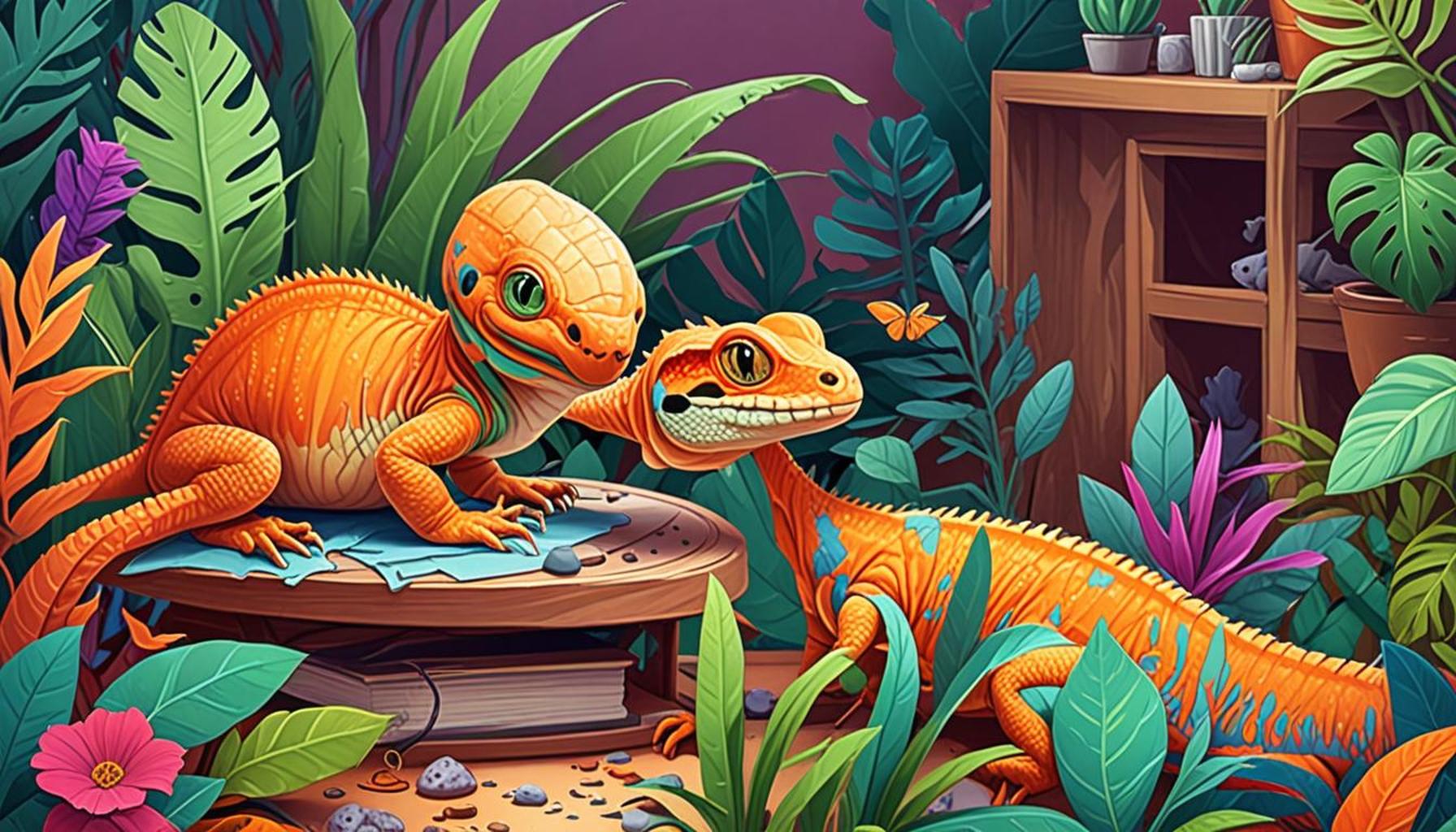
Reptiles have increasingly captivated animal lovers across the United States. While they present a unique window into the intricate world of wildlife, prospective pet owners must navigate a landscape of specific care requirements and potential challenges. By selecting the right species and providing optimal habitats, reptile enthusiasts can create enriching environments for their scaly companions.
Species Diversity
When it comes to choosing a reptile, the diversity of species available is staggering. Popular options include bearded dragons, known for their docile nature and engaging behaviors, which make them ideal for first-time reptile owners. These lizards can range in color and can develop strong bonds with their humans. Another favorite is the ball python, distinguished by its beautiful patterns and relatively manageable size. With a gentle temperament and adaptability to various habitats, they have become a staple in many reptile homes. Then there are geckos, such as the crested gecko, beloved for their unique appearance and the ease with which they can be housed.
Habitat Needs
The habitat is a crucial consideration for any reptile. Each species has specific requirements for heating, humidity, and enclosure size. For instance, a bearded dragon thrives in a warm, dry environment with a basking area reaching up to 100°F, while ball pythons prefer a more humid enclosure with a temperature gradient between 75°F to 85°F. Providing a habitat that mimics the reptile’s natural environment contributes significantly to their well-being and encourages natural behaviors. It’s vital to research what conditions fit your chosen species best and use tools like heat lamps and humidity gauges to maintain those environments.
Dietary Requirements
Feeding is another critical facet of reptile care. The dietary needs can vary widely between species. For example, bearded dragons primarily consume leafy greens and insects, requiring a well-balanced diet to avoid nutritional deficiencies. In contrast, ball pythons tend to require a diet of appropriately sized rodents. Understanding the specific dietary needs and how to prepare or source these foods will not only keep your pet healthy but also enhance your interaction with them.
Challenges in Reptile Keeping
While the world of reptiles is fascinating, it is not without its challenges. One of the most significant factors is their long lifespan. Many reptiles can live for over 20 years, such as turtles and certain iguanas, making them a long-term commitment that should not be taken lightly. Prospective owners must also learn about each species’ behavioral traits. Some reptiles can be more aggressive or skittish than others, demanding patience and understanding to build trust.
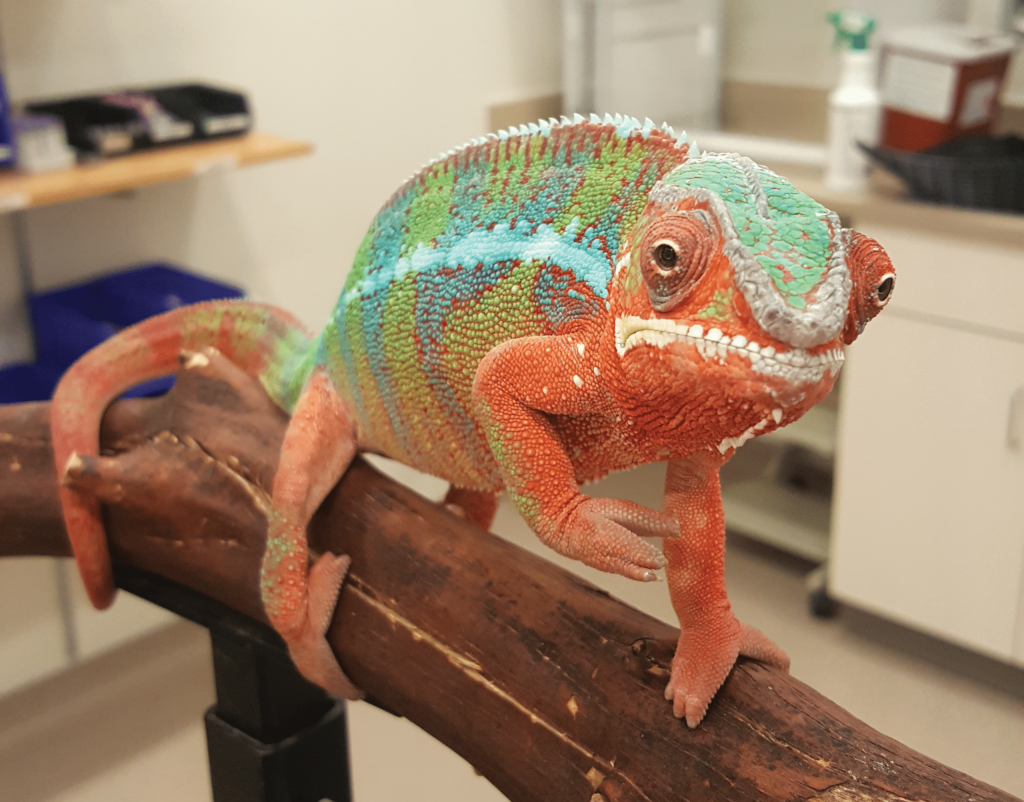
Additionally, legal regulations in certain states can complicate ownership. For instance, in Florida, ownership of certain non-native reptiles is restricted due to environmental concerns. Therefore, it’s essential to check local regulations to ensure compliance before acquiring a reptile.
As you explore the captivating world of reptiles, gathering accurate information is paramount. The commitment to understanding their needs and being knowledgeable about their care will come with rewards, providing an enriching experience for both the owner and the pet. Ignorance of their requirements can lead to detrimental outcomes. Hence, research and education are your best allies in fostering a healthy and happy relationship with a reptilian companion.
DISCOVER MORE: Click here to learn about the unique veterinary needs of exotic animals
Essential Aspects of Reptile Care
Owning a reptile requires much more than just a fascination with these intriguing creatures; it demands a committed understanding of their unique care requirements and the challenges that come with their husbandry. Proper care ensures these pets thrive, and neglecting their needs can lead to serious health issues. Here, we will delve into some of the essential elements that every prospective reptile owner should consider.
Temperature and Lighting
A critical aspect of reptile ownership is maintaining appropriate temperature gradients and effective lighting within their enclosures. Reptiles are ectothermic, meaning they rely on external heat sources to regulate their body temperature, which influences their metabolism, digestion, and overall health. Providing a basking area with heat lamps is essential for species like the bearded dragon, while other reptiles, such as green iguanas, require both UVB lighting to synthesize vitamin D3 and a cooler area for thermal regulation.
Humidity Levels
Humidity plays an equally vital role in reptile health. Many species, like the ball python or red-eared slider, require specific humidity levels to aid in shedding and prevent respiratory issues. Utilizing hygrometers can help owners monitor these levels and adjust accordingly with the use of water dishes, misting, or specialized substrates that retain moisture. An inadequate environment could lead to stress and health problems, highlighting the need for diligent habitat management.
Social Interaction and Enrichment
Reptiles often have a reputation for being solitary creatures, but many species benefit from social interaction and mental stimulation. For example, bearded dragons and <strong leopard geckos can develop bonds with their handlers and enjoy regular handling sessions, enriching their daily lives while fostering trust. Additionally, incorporating hiding spots, climbing structures, and a varied landscape in the enclosure provides opportunities for exploration and exercise, promoting a healthy lifestyle. Here are some enrichment ideas for reptile care:
- Creating variable terrain with rocks, branches, and plants
- Hiding food within the enclosure to encourage foraging behavior
- Rotating toys and decor to stimulate curiosity
- Providing sunning spots with natural sunlight exposure, where safe
Health Monitoring
Routine health monitoring is essential for catching issues before they become severe. Owners should familiarize themselves with their reptile’s typical behaviors and appetites, as changes can indicate potential health problems. Regular veterinary check-ups with a specialist in exotic animals can provide insights into your pet’s health, ensuring they receive appropriate preventive care.
As the appeal of reptiles rises, understanding their specific needs becomes increasingly paramount. The journey of reptile ownership is both rewarding and educational. By properly addressing their care requirements, prospective owners can enjoy the experience while ensuring a happy and healthy life for their scaly companions.
| Advantages | Key Insights |
|---|---|
| Educational Experience | Keeping reptiles can enhance understanding of biodiversity and ecology, making them great for teaching children about nature. |
| Low Maintenance | Compared to traditional pets, reptiles often require less daily attention, making them suitable for busy lifestyles. |
| Unique Companionship | Reptiles offer a different kind of companionship that can be fascinating and rewarding for their owners. |
| Space Efficiency | Many reptiles require minimal space, making them ideal for apartment living or small homes. |
When considering the care and challenges of owning reptiles, it’s essential to recognize that their benefits go hand-in-hand with the responsibilities unique to their care. A thorough understanding of their dietary needs, habitat requirements, and health considerations will allow potential owners to maximize the advantages of reptile companionship. Research into species habits and specialized environments, such as humidity and temperature control, is crucial for providing a healthy habitat. Additionally, while reptiles may require less daily engagement than dogs or cats, they still demand attention in terms of cleaning their tanks, monitoring their health, and ensuring they receive appropriate nutrition. This balance of advantages and challenges can lead to a rewarding experience with these extraordinary animals.
DISCOVER MORE: Click here to learn how nutrition can enhance your pet’s immunity
Common Challenges Faced by Reptile Owners
While the rewards of keeping reptiles as pets can be significant, potential owners must also be cognizant of the various challenges tied to their care. Understanding these challenges helps new owners prepare and ensures they can provide a suitable environment for their scaly companions. Poor preparation or oversight can lead to stress for both the owner and the reptile. Below are some of the most common hurdles faced by reptile enthusiasts.
Feeding and Nutritional Needs
Feeding reptiles can be one of the most complex aspects of their care. Unlike traditional pets like cats or dogs, reptiles often have very specialized dietary requirements. For instance, while omnivorous species such as bearded dragons can enjoy a mix of plant and animal matter, others like the green iguana primarily thrive on a vegetarian diet. It’s essential to educate oneself about the specific types of food that suit different species, as some may require live prey, specific kinds of vegetables, or even supplements. Feeding habits can also vary depending on the season, making it crucial for owners to adapt their feeding regimens accordingly.
Behavioral Challenges
Behavioral issues can arise, especially for new reptile owners who may not fully understand their pet’s needs. Some reptiles, particularly species such as snakes and certain lizards, may exhibit stress or aggression when they feel threatened. Factors such as improper handling techniques, lack of adequate privacy, or insufficient habitat complexity can contribute to such behaviors. Understanding common signs of stress and familiarizing oneself with each species’ natural behaviors can aid owners in alleviating potential conflicts.
Long Lifespan and Commitment
The longevity of reptiles can be surprising. Many species, including the sulcata tortoise and ball python, can live for several decades—often surpassing the lifespan of dogs and cats. This longevity necessitates a long-term commitment and raises important questions about the care and management of these pets throughout their life. Owners need to consider their own lifestyle, housing situation, and future plans when deciding to adopt a reptile, as it is not uncommon for people to underestimate how long they will need to provide care.
Legal Restrictions and Ethical Considerations
In many regions, particularly across the United States, legal regulations concerning reptile ownership vary significantly. Some states have restrictions on specific species, either for environmental protection concerns or public safety. Prospective owners should conduct thorough research to ensure compliance with local laws. Beyond legality, ethical considerations come into play when choosing to keep reptiles. Wild-caught reptiles often suffer from poor adaptability and are at risk for stress and injury. Opting for captive-bred reptiles where possible can promote a more sustainable and humane practice.
Cost of Caring for Reptiles
Lastly, owning a reptile can be a significant financial commitment. Beyond the initial purchase cost, which may range widely based on species, potential owners should also factor in the expenses for proper housing, heating, lighting, food, and veterinary care. Regular check-ups with vets specializing in reptiles can be crucial, contributing to the overall cost of care. Budgeting for these expenses is necessary to ensure that the well-being of the reptile does not suffer due to unforeseen financial constraints.
Being informed about these challenges empowers potential owners to undertake the responsibility of caring for reptiles more wisely. With the right knowledge and preparation, the journey of keeping reptiles as pets can be a gratifying experience that brings joy and learning.
DIVE DEEPER: Click here for more insights
Conclusion
In conclusion, the journey of keeping reptiles as pets is both fascinating and demanding, requiring a unique blend of commitment, knowledge, and adaptability. While the allure of having a creature like a ball python or a bearded dragon can capture the hearts of animal lovers, the responsibilities involved are profound. From understanding the intricate details of feeding and habitat requirements to acknowledging the long lifespans that some species can attain, prospective owners must approach reptile care with serious consideration and preparation.
Furthermore, legal and ethical concerns surrounding reptile ownership can complicate the experience. Awareness of local regulations and opting for captive-bred reptiles contributes to a responsible ownership model that respects wildlife and promotes sustainability. Equally important is financial planning, as the costs associated with proper care can quickly escalate beyond initial expectations.
For anyone considering welcoming a reptile into their home, it is essential to do thorough research, seek advice from seasoned reptile enthusiasts, and ensure a genuine dedication to their well-being. With the right mindset and approach, not only can you navigate the challenges but also cultivate a rewarding companionship that enriches both your life and the life of your scale-covered friend. Embracing the diverse and captivating world of reptiles opens doors to learning and appreciation of the natural world, making it a remarkable endeavor worth pursuing.
Related posts:
The Role of Exotic Animals in Environmental Education and Conservation Programs
Exotic Pets on the Rise Trends Key Considerations for Owners
Impact of Exotic Animal Breeding on Local and Global Biodiversity
The Growing Popularity of Exotic Pets in American Homes
Legality and Ethics in the Possession of Exotic Animals in the United States
The Legal Challenges and Responsibility of Exotic Animal Owners in Different States

Linda Carter is a writer and pet care expert specializing in pet health, grooming, and wellness. With extensive experience helping pet owners create safe, loving, and enriching environments for their animals, Linda shares her knowledge on our platform. Her goal is to empower readers with practical advice and strategies to ensure their pets thrive and lead joyful, healthy lives.