The Role of Animal Adoption in Promoting Empathy and Compassion in New Generations
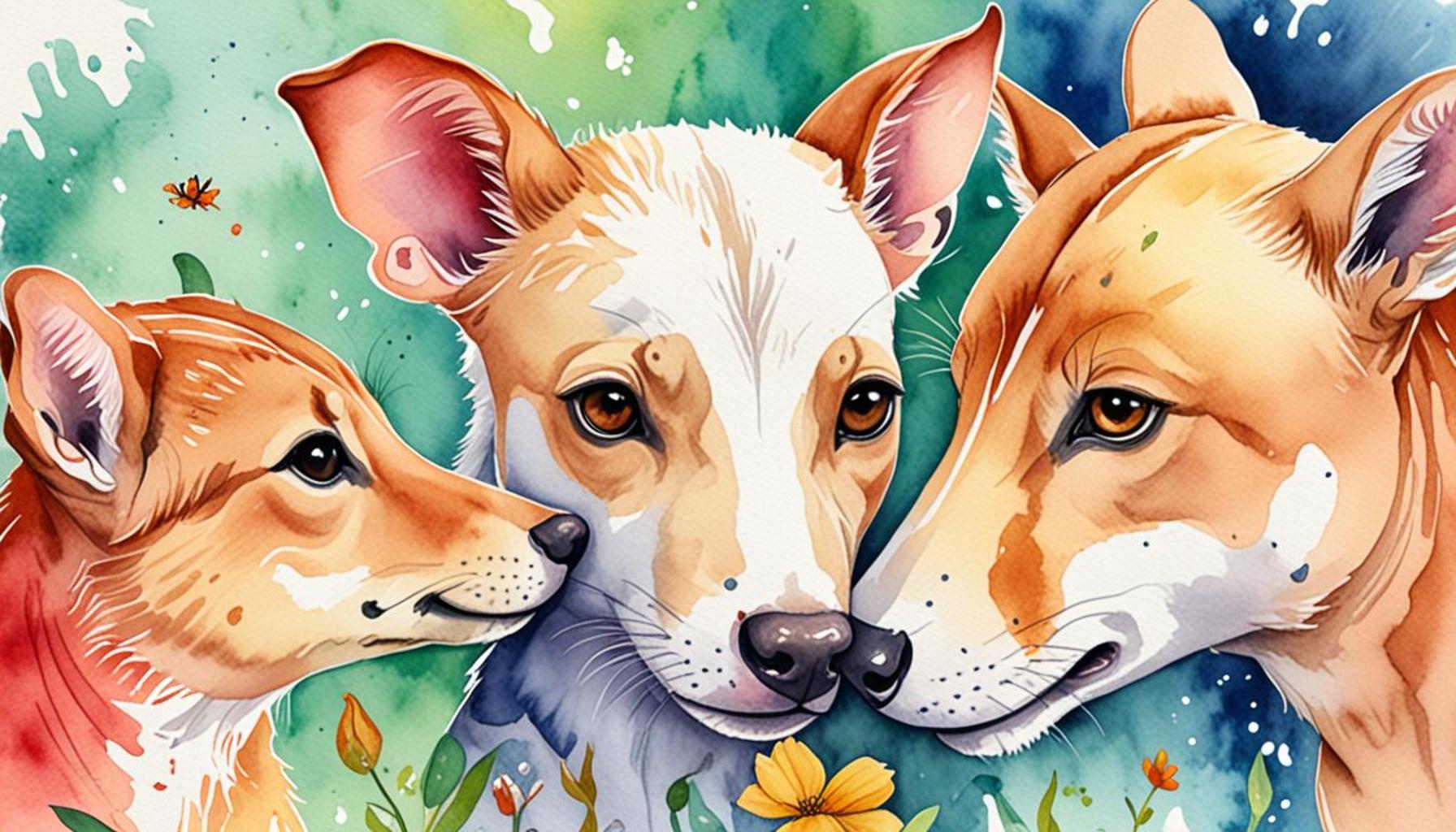
The Profound Impact of Animal Adoption
The relationship between humans and animals is deeply ingrained in the fabric of our society. This bond has evolved through centuries, resulting in a shared existence that benefits both parties. In contemporary times, animal adoption has gained remarkable significance. This rising trend serves not merely to provide homes for abandoned pets but also to cultivate vital human qualities such as empathy and compassion, especially among the younger population. As we delve into this essential aspect of animal welfare, we realize that it can shape our future in profound ways.
The act of adopting pets from shelters not only saves lives but also imbues adopters with crucial life lessons. For instance, when individuals take on the responsibility of caring for an animal, they learn the importance of commitment and reliability. This can be especially formative for children, who may gain firsthand experience with nurturing another being. For example, feeding, grooming, and exercising a pet require a consistent routine, teaching young adopters the significance of responsibility.
Additionally, building emotional intelligence is another significant benefit of pet adoption. When children interact with their pets, they learn to read and respond to emotional cues, enhancing their ability to empathize with others. For instance, a child who comforts a dog during a thunderstorm may better understand how to support a friend in distress. Research has shown that youth who grow up with pets often exhibit higher emotional awareness, preparing them for complex social interactions later in life.
Fostering Community Connections
Moreover, animal adoption can act as a catalyst for community involvement. Many shelters organize adoption events that bring together volunteers, families, and potential pet owners, forging connections within the local community. These events often have engaging activities designed to educate participants about animal care and welfare, inspiring young people to get involved in social causes. For instance, programs like “Pets for Vets” connect sheltered animals with veterans, thereby not only providing companionship but also fostering a sense of purpose and community among diverse groups.
In essence, the impact of animal adoption extends beyond the individual. It plays a critical role in shaping a generation that values compassion and kindness. Studies reveal that children who interact with pets tend to develop stronger emotional bonds and exhibit greater concern for others. As these children mature, the empathy cultivated through caring for pets can influence how they connect with their peers, engage in civic responsibilities, and approach challenges in their lives.

By fostering compassion today through animal adoption, we are not merely rescuing animals; we are nurturing a kinder, more empathetic society for tomorrow.
DISCOVER MORE: Click here to learn how nutrition can enhance your pet’s health
Transformative Learning Through Compassionate Care
Animal adoption serves as a profound educational experience that extends well beyond the simple act of bringing a pet into one’s home. When individuals, particularly children, engage in adopting a pet, they embark on a journey that promotes understanding and compassion toward all living beings. This transformative learning experience allows young adopters to grasp essential concepts of empathy, responsibility, and respect for life, laying a solid foundation for their emotional and social development.
One of the most significant lessons learned through pet adoption revolves around the notion of responsibility. Young adopters soon realize that having a pet is not merely a source of companionship. Instead, it involves a commitment to providing proper care, nutrition, and exercise. Such responsibilities can include:
- Feeding the animal nutritious meals every day
- Maintaining routine veterinary check-ups for healthcare
- Grooming and bathing to ensure hygiene
- Offering love and social interaction that caters to emotional needs
These duties often translate to a heightened sense of dependability among children. When they nurture a pet, they witness how their actions directly impact the animal’s well-being, thus becoming more attuned to the needs of others around them. This practical application of responsibility can extend into various aspects of their lives—whether in school group projects, friendships, or eventual careers.
Cultivating Social Awareness and Emotional Intelligence
The process of adopting a pet also encourages children to develop a robust emotional intelligence—a skill increasingly indispensable in today’s interconnected society. As they learn to communicate with animals, children begin to recognize and interpret various emotional cues. For example, a child may pick up on their pet’s anxiety during a thunderstorm and offer comfort, paving the way for them to understand similar cues in their peers. This skill not only enhances personal relationships but also fosters an understanding of diverse perspectives, crucial for societal harmony.
Research highlights that children who grow up in environments enriched by animal interaction often possess increased emotional awareness. Some notable findings include:
- Higher levels of sympathy and concern for others
- Enhanced problem-solving abilities in social contexts
- A greater propensity to engage in community service and altruistic efforts
The lessons learned through animal adoption are invaluable. They empower today’s youth with the tools necessary to foster nurturing relationships and promote greater social dynamics. As children become more mindful and compassionate, they are poised to create a ripple effect that can alter community interactions for the better. In nurturing bonds with animals, they inevitably cultivate an appreciation for empathy, leading to a kinder world tomorrow.
| Advantage | Impact |
|---|---|
| Fostering Responsibility | Taking care of a pet instills accountability in young individuals, leading them to develop routines and understand the needs of others. |
| Encouraging Social Connections | Adopting animals often brings communities together, creating bonds among pet owners and fostering a sense of belonging. |
| Promoting Emotional Growth | Interacting with animals helps children to express their emotions while learning empathy in a safe environment. |
| Reducing Anxiety Levels | The presence of pets has been shown to lower stress and anxiety, making them valuable companions for emotional well-being. |
The advantages of animal adoption are manifold, serving as a transformative force in shaping the emotional landscape of new generations. By encouraging responsibility, fostering social interactions, promoting emotional intelligence, and mitigating anxiety, animal adoption becomes not just an act of compassion towards animals but a vital educational journey for children. Each aspect interconnects to build a foundation of empathy that reverberates through homes and communities, ultimately paving the way for a kinder future. Exploring these themes further can reveal additional nuances in how the practice of adopting pets impacts young lives, presenting opportunities for families, schools, and communities to engage with the ethos of compassion and empathy.
DISCOVER MORE: Click here to learn about nutrition for senior pets
Strengthening Community Bonds Through Shared Experiences
Animal adoption extends its influence beyond individual families, fostering stronger community connections. When new pet owners come together—whether at adoption events, dog parks, or training classes—they share not only common interests but also collective experiences that deepen their understanding of mutual support and camaraderie. This shared journey transforms individuals into a cohesive community group, united by a commitment to animal welfare.
Community-centered initiatives often arise from the collective involvement of pet adopters. Local animal shelters and rescue organizations frequently host events like pet fairs, awareness campaigns, and fundraisers, bringing together like-minded people to advocate for animal rights and welfare. This participation helps to develop social responsibility in young individuals, who see firsthand the positive impact of united efforts for a common cause. Engaging in these activities fosters a sense of achievement and belonging, which is integral for personal growth.
The Role of Education in Compassionate Practices
Schools and educational institutions are increasingly recognizing the benefits of incorporating animal-related programs into their curriculums. Programs that promote animal adoption often include classroom projects that teach students about animal care and welfare. For instance, various elementary schools have initiated reading programs that involve students reading to therapy animals. This initiative not only strengthens literacy skills but also enhances emotional connections to the animals, promoting empathy in students as they engage with their furry listeners.
Research underscores the importance of these educational approaches; studies indicate that children exposed to animal care practices exhibit improved behavior in social settings and better coping strategies for emotional challenges. Additionally, young people involved in such programs are more likely to engage in volunteer work and advocacy, demonstrating a commitment to community well-being.
- According to a 2021 study by the American Psychological Association, children who participated in pet-assisted programs showed a 20% increase in feelings of empathy and compassion.
- Educational initiatives surrounding pet adoption have been found to decrease incidents of bullying and improve peer relationships, as children learn to value the feelings of others.
- Involvement in animal care tasks has been linked with higher scores in teamwork and cooperation in school projects.
Furthermore, philanthropy and social activism often sprout from these educational initiatives. As children grow up learning the importance of animal welfare, many adopt advocacy roles themselves, participating in lobbying efforts for better legislation relating to animal rights and welfare. This results not only in fostering a new generation of advocates but also in forging deeper connections between people, animals, and the communities they inhabit.
By merging the concepts of animal adoption with community engagement and educational practices, we create a holistic environment where empathy flourishes. The ripple effects are seen as individuals not only become compassionate caregivers to their pets but also active, caring participants within their communities. This evolution bodes well for shaping a more compassionate society where empathy towards all living beings is not just encouraged, but celebrated.
LEARN MORE: Click here to discover how nutrition influences your pet’s mood
Conclusion: A Foundation for Empathy and Compassion
In examining the multifaceted impact of animal adoption on fostering empathy and compassion, it becomes clear that these acts not only transform the lives of individual pets but also ripple through society, shaping future generations. Through interactions with adopted animals, children learn vital lessons about responsibility, nurturing, and the complexities of emotions—both their own and those of others. This experiential learning is key to nurturing a compassionate mindset that extends beyond the home, influencing relationships with peers and the broader community.
Furthermore, engaging in community efforts related to animal welfare—be it through adoption events or collaborative initiatives—cements social connections and enhances a sense of belonging. When young individuals witness firsthand the power of collective action towards a noble cause, they recognize their potential to effect change, not only for animals but for humanity as well. Consequently, the principles of social responsibility and community engagement firmly take root.
The incorporation of animal-centered curricula in schools further amplifies this message, serving as a conduit for students to practice empathy in tangible ways. As new generations become advocates for animal rights, they become well-equipped to lead initiatives promoting compassion in various societal sectors, whether that be in education, healthcare, or environmental stewardship.
Ultimately, the role of animal adoption extends far beyond the simple act of bringing a pet home; it cultivates a culture of understanding, care, and advocacy. As we embrace the profound impacts of adopting animals, we take significant strides toward nurturing a society where empathy and compassion are championed as essential values, paving the way for a brighter, more interconnected future.
Related posts:
How Animal Adoption Programs Are Transforming Lives in Low-Income Communities
The Role of Celebrities in Animal Adoption: Influence and Responsibility
How Animal Adoption Can Contribute to the Mental Health of Caregivers
Marketing Strategies to Increase Pet Adoption from Shelters
Government and Private Initiatives to Encourage the Adoption of Animals from Shelters
Success Stories: How Adoption Transformed the Lives of Animals and Owners

Linda Carter is a writer and pet care expert specializing in pet health, grooming, and wellness. With extensive experience helping pet owners create safe, loving, and enriching environments for their animals, Linda shares her knowledge on our platform. Her goal is to empower readers with practical advice and strategies to ensure their pets thrive and lead joyful, healthy lives.