The Challenges and Joys of Adopting Senior Animals
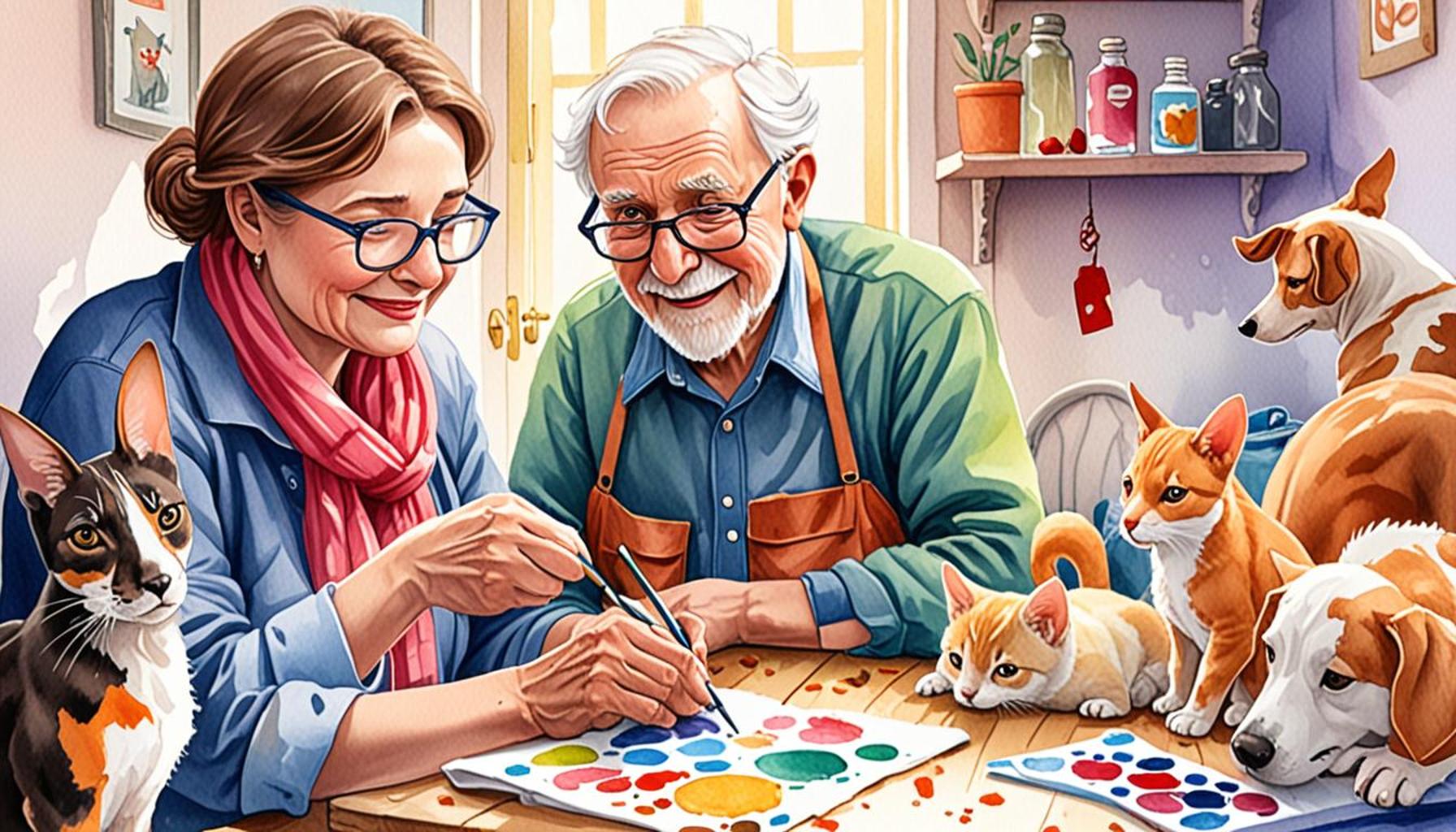
Understanding the Journey of Adopting a Senior Animal
Welcoming a senior animal into your home is a decision filled with emotion and thoughtfulness. These pets, often overlooked in shelters, possess a unique charm that can enrich your life in numerous ways. However, potential adopters should be thoroughly informed about the intricacies involved in caring for an older pet, as it is crucial to weigh the complexities against the unconditional love they offer.
Health Considerations
One of the most critical aspects to consider is the health of senior animals. As pets age, they can develop a range of medical issues, including arthritis, dental disease, and heart problems. This means that adopting a senior pet may require more frequent veterinary check-ups and assessments. For instance, older dogs may benefit from joint supplements or special diets designed to support their aging bodies. Not only can this lead to potential financial implications—like the cost of medicines or treatments—it also underscores the commitment required for their ongoing care. Adopters should be prepared to provide an environment where regular veterinary visits are part of the routine.
Behavioral Adjustments
Behavioral adjustments can also present challenges, as older pets come with established habits and routines. For example, a senior dog may be set in its ways regarding house training, which could necessitate extra patience from the adopter. Some older cats may have developed territorial behaviors, needing time to acclimate to a new home. Nevertheless, with the right approach—like positive reinforcement and gentle training—these pets can adapt smoothly. Investing time in understanding their unique personalities can lead not only to a successful adjustment period but also strengthen the bond between you and your pet.
Shorter Lifespan
Embracing a senior pet also involves facing the reality of a potentially shorter lifespan. Unlike younger animals that could accompany you for many years, older pets may only share a few precious years of companionship. This can be an emotional hurdle for many prospective adopters, often leading to hesitance. However, even a few years with a loving animal can create lasting memories and a huge impact on your life. Focusing on the quality of time spent together rather than the quantity can enrich this phase, making it a valuable experience.
The Joys of Adopting a Senior Animal
Despite these challenges, the rewards of adopting a senior pet can be profound. Older animals often exhibit a depth of affection and loyalty that can be truly heartwarming. Many of these pets have been through significant hardships, potentially making them more appreciative of a loving home.

Bonding Experience
As you engage with a senior pet, the bonding experience can be transformative. Their past experiences often make them great companions, able to form deep connections with their human counterparts. A gentle touch, a kind word, or a simple walk in the park can spark moments of joy that highlight the beautiful bond evolving between you.
Less Energy Needs
Another advantage is their less energy requirement. Senior pets tend to be more laid-back, making them ideal companions for individuals or families seeking a more relaxed atmosphere. This calmer demeanor can be incredibly beneficial for those who may not have the time or inclination for high-energy activities but still desire the warmth and friendship a pet brings.
Perfect Companions
Lastly, many senior pets retain their playful spirit, offering companionship and joy that rivals that of their younger counterparts. Their unique quirks—whether it’s a silly playfulness or an endearing cuddle bug—can bring laughter and life to any household.
In conclusion, adopting a senior animal may present certain challenges, yet it also opens a door to unparalleled joy and fulfillment. By taking the plunge, you not only provide a loving home but also gain a compassionate friend, leading to a journey filled with unforgettable moments and a deeper appreciation for these remarkable creatures.
DISCOVER MORE: Click here for insightful tips
Navigating the Realities of Senior Pet Adoption
Adopting a senior animal is a rewarding yet nuanced undertaking that requires understanding various aspects of their care, behavior, and the emotional journey that accompanies their companionship. Senior pets often come into adoption situations after a significant chapter in their lives, which may include abandonment, health issues, or simply being overlooked in crowded shelters. This backdrop makes it essential for potential adopters to recognize both the challenges they might face and the profound joys that await them.
Financial Implications
Financial implications can weigh heavily on the decision to adopt a senior pet. It’s not unusual for older animals to incur higher veterinary costs due to pre-existing conditions or age-related health issues. Many senior pets may require ongoing medications or special diets to help manage their health. As an adopter, it’s essential to budget not just for the initial adoption fee but also for:
- Regular veterinary check-ups
- Medications and supplements
- Specialized diets or dental care
- Potential emergency health interventions
Understanding these financial commitments helps prospective owners ensure that they can provide the necessary care and support throughout their pets’ lives.
Emotional Readiness
Another aspect to consider is the emotional readiness required when adopting a senior pet. The knowledge that senior animals may have only a limited time to spend with you can create a sense of urgency and sadness. Many adopters struggle with the thought of losing a beloved pet sooner than they would like. However, this emotional investment is not without its rewards. Every moment spent with a senior pet can be filled with deep connections and memorable experiences. Finding ways to cherish each day can foster a fulfilling relationship, allowing you to focus on the positives rather than the potential heartache.
Common Behavioral Challenges
Behavioral issues can also arise when adopting senior pets. An older animal may have had trauma or hardship in their lives that can shape how they interact with humans and their new environment. Common behavioral challenges may include:
- Anxiety or fear of new environments
- Established routines that take time to modify
- Health-related challenges that affect mood and energy
Understanding these challenges is crucial for any adopter, as patience, consistency, and positive reinforcement can help ease the transition for senior pets into their new homes. Engaging with a local trainer who understands senior animals can also be beneficial, providing support and strategies tailored to their unique needs.
In recognizing these challenges, it is also important to note the immense rewards that accompany the journey of welcoming a senior animal into your life. The challenging aspects can ultimately lead to an experience filled with profound joy and fulfillment as the bond deepens and evolves over time.
| Advantage | Details |
|---|---|
| Less Training Required | Senior animals often come with prior training, making it easier for adopters to integrate them into their homes. |
| Calmer Temperament | Older pets are usually more settled and have less energy, providing a quieter companionship ideal for relaxed lifestyles. |
| Health Assessments | Adoption agencies commonly provide veterinary checks that assess the health of senior animals, giving potential adopters peace of mind. |
| Shorter Commitment | With senior pets, the adoption commitment period is generally shorter, allowing for a focused and impactful relationship. |
Adopting a senior animal brings unique challenges and experiences that can deeply enrich an adopter’s life. While some may worry about potential health issues, many senior pets are already spayed/neutered and vaccinated, ensuring a smoother transition into their new home. Furthermore, the joy of offering a loving environment to a pet that may have lived through challenges can be incredibly rewarding. Each wag of a tail or nuzzle can make the effort highly fulfilling, emphasizing not just the troubles faced by senior pets, but also their resilience and the profound bond they form with their adopters.
LEARN MORE: Click here to discover the benefits of balanced nutrition for your pet
The Unmatched Rewards of Adopting Senior Pets
While the challenges of adopting a senior animal are significant, the rewards can be even greater. Engaging with an older pet provides experiences and joys that young animals may not be able to match. One of the most understated advantages of welcoming a senior pet into your home is the incredible calm and companionship they often bring. Many senior animals have already been through the tumult of their formative years, which can result in a lower energy level, making them ideal companions for older adults or families seeking a relaxed pet.
Stable Temperaments
Many senior pets display stable temperaments compared to their younger counterparts. They have often settled into who they are and tend to be less reactive or prone to behavioral outbursts. For many adopters, this maturity means dealing with far fewer accidents, as older animals are generally past the challenging stages of house training. This predictability not only makes home life smoother but also fosters a comforting environment for families with young children, who can engage with pets that have a less volatile temperament.
Building Lifelong Bonds
Another significant joy associated with adopting senior animals is the potential for deep, meaningful bonds. These pets often crave companionship and appreciation for the love and care they are receiving in their twilight years. As they realize that their new home is a safe haven, they may become incredibly loyal and affectionate, making for a rewarding companionship. Studies have shown that older animals can form emotional attachments just as strongly as their younger peers, often leading to an enriching relationship that brings immense satisfaction to the adopter.
Saving Lives
When you choose to adopt a senior animal, you are part of a crucial mission: saving lives. Many shelters are overcrowded, and older pets are frequently the last to be chosen, often due to the misconceptions surrounding their age, health, or adaptability. According to the American Society for the Prevention of Cruelty to Animals (ASPCA), senior pets make up a significant percentage of the shelter population, and adopting them can mean the difference between life and death. By giving a senior animal a second chance, you not only enrich your life but also provide them with love and security in their final years.
Health Benefits for Owners
Owning a pet, especially a senior animal, brings with it various health benefits that extend far beyond emotional fulfillment. Having a companion, especially one that requires low-intensity exercise, such as leisurely walks or snuggle time on the couch, encourages owners to stay active and engaged in their own health. Studies indicate that pet owners can experience lower levels of stress, decreased risk of heart disease, and improved mental health. The rhythmic presence of an older dog or cat can promote relaxation, making them the perfect addition to any home.
As potential adopters consider the challenges involved in adopting senior pets, they should equally weigh these profound rewards. Engaging with an older animal can be one of the most satisfying experiences, filled with the possibility for profound connections, emotional enrichment, and a life-saving impact. Each day with a senior pet can reinforce the beauty of love, loyalty, and the joy of giving a deserving animal a true forever home.
DISCOVER MORE: Click here to learn about the legality and ethics of exotic animal possession</
Conclusion: Embracing the Journey of Senior Pet Adoption
Adopting a senior animal presents a unique blend of challenges and joys that can significantly enrich the lives of both the pet and the owner. While potential adopters must navigate the nuances of older pets, including health considerations and adapting to possibly shorter timeframes with their new companions, these challenges can be overshadowed by the extensive rewards of adoption. The profound connections forged with senior pets manifest in unwavering loyalty and affection, providing emotional support and companionship during their twilight years.
Moreover, the act of saving a life is a compelling motivator for many who choose to adopt, as countless seniors in shelters await loving homes. By rescinding assumptions about age and health, individuals open their hearts to discover the boundless love that older animals can give. The benefits also extend to owners, with evidence suggesting that having a senior pet can lead to lower stress levels and improved mental well-being, a win-win scenario that enhances quality of life.
In conclusion, the journey of adopting a senior animal is a meaningful one, filled with the potential for lasting bonds and a chance to make a real difference. As you contemplate bringing a new furry friend into your home, consider the immeasurable joy of offering a deserving pet the love and security they crave. By focusing on what makes these senior companions special, adopters can create memories that will last a lifetime, finding joy in every wagging tail and gentle purr that reminds us why every age deserves a chance at happiness.
Related posts:
How Animal Adoption Can Contribute to the Mental Health of Caregivers
Tips for Preparing Your Home for a New Four-Legged Friend
Responsible Pet Adoption Choosing the Perfect Pet for Your Family
The Importance of Animal Adoption in Reducing Abandonment
The Importance of Sterilization and Neutering in Animal Adoption
The Role of Social Media in Promoting Animal Adoption

Linda Carter is a writer and pet care expert specializing in pet health, grooming, and wellness. With extensive experience helping pet owners create safe, loving, and enriching environments for their animals, Linda shares her knowledge on our platform. Her goal is to empower readers with practical advice and strategies to ensure their pets thrive and lead joyful, healthy lives.