Trends in Animal Adoption During the Pandemic: What Have We Learned?

Understanding Shifts in Animal Adoption During the Pandemic
The COVID-19 pandemic brought unexpected changes to numerous aspects of daily life, including how we view and approach pet adoption. With many people sheltered at home, a remarkable shift occurred in the relationship between humans and animals. Adoption rates soared as individuals and families sought companionship during these challenging times.
Key trends emerged that not only reshaped adoption practices but also highlighted the long-term implications for shelters and pet owners alike. For instance, across the United States, many animal shelters reported a significant uptick in adoptions, sometimes up to 50% higher compared to pre-pandemic levels. According to a report from the American Society for the Prevention of Cruelty to Animals (ASPCA), over 23 million households in the U.S. adopted a pet during the pandemic, a striking number that illustrates the growing interest in animal companionship.
This increase in adoption was complemented by an expanding focus on foster programs. As the need to clear out shelters grew, many organizations launched temporary fostering initiatives. These programs allowed volunteers to care for animals in their homes, often resulting in a temporary haven for pets that may have otherwise languished in a kennel environment. For example, the Oregon Humane Society saw a 300% increase in its foster program during the height of the pandemic, indicating a shift toward community involvement in animal welfare.
Additionally, with worldwide lockdowns and social distancing measures, many individuals found themselves grappling with feelings of isolation and stress. This led to a heightened awareness of the emotional connection that pets can provide. The positive mental health benefits associated with pet ownership, including reduced anxiety and increased feelings of happiness, prompted many to consider adopting a furry companion. The mental health community even began to advocate for pet adoption as a form of emotional support, suggesting that the bond between humans and animals can be a powerful antidote to pandemic-related stress.
As we examine these trends more closely, it is essential to ask: What have we learned about pet adoption during this unprecedented period? By diving into data and personal stories, we can uncover the lessons that will shape the future of animal welfare and community engagement. For instance, ongoing initiatives aimed at sustaining the momentum of these newfound relationships between people and pets can redefine how shelters operate in the years to come.
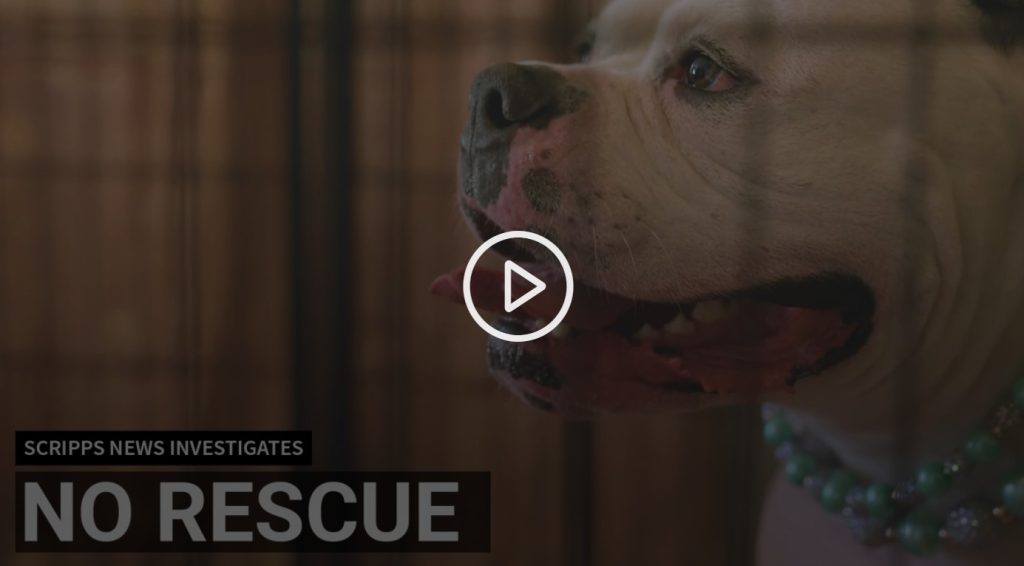
The challenges presented by the pandemic also underscored the importance of responsible pet ownership, with many new adopters encouraged to consider the long-term commitment that comes with pet ownership. As we look toward the future, it’s crucial for shelters, pet owners, and communities to foster a deeper understanding of animal care and the significance of human-animal relationships, which were illuminated during this extraordinary time.
LEARN MORE: Click here for effective puppy training techniques
Shifting Perspectives: The Pandemic’s Impact on Adoption Trends
The surge in animal adoption during the COVID-19 pandemic revealed much more than an increased desire for companionship; it also illuminated evolving societal attitudes toward pet ownership. As the world grappled with uncertainty and isolation, more individuals recognized pets as not just animals, but as integral members of the family. This shift in perception led to a comprehensive analysis of the factors that drove the increase in adoptions, and understanding these can help reshape future practices in animal welfare.
One of the most notable trends was the broadening of the demographic profile of adopters. Traditionally, pet ownership often skewed toward families with children or middle-aged adults. However, many shelters reported an increase in adoptions by young adults living alone, as well as seniors seeking companionship. According to a survey by the Pet Industry Joint Advisory Council, 47% of new pet owners during the pandemic were aged 18 to 34, while 35% were 55 years and older. This demonstrates a significant shift in the typical adoption demographic.
Additionally, many first-time pet owners were motivated by the flexible work-from-home arrangements that emerged during the pandemic. With more time available at home, individuals felt more confident in their ability to care for a new pet. A study by the ASPCA showed that 78% of new pet owners felt that now was the right time to adopt, thanks to their altered routines. This ability to provide constant care and attention undoubtedly contributed to successful placements from shelters to homes.
Furthermore, technology played a pivotal role in facilitating pet adoption. Virtual adoption events, online applications, and social media campaigns became the norm, allowing shelters to reach a broader audience. Adoption agencies quickly adapted by leveraging platforms such as Zoom and Facebook Live to host virtual meet-and-greets, introducing prospects to animals available for adoption from the comfort of their own homes. This innovative approach not only streamlined the process but also created a more accessible avenue for potential adopters.
- Virtual meet-and-greet sessions offered a chance for potential adopters to interact with animals directly.
- Online adoption applications sped up the process, making it easier for people to commit to adopting a pet.
- Social media campaigns increased awareness of local shelters and the animals in need of homes.
As a result of these trends, many shelters reported not only a surge in adoption rates but also a decrease in the length of stay for animals in their care. The average length of stay for pets in shelters dropped dramatically as they found homes faster than ever before. According to the Humane Society of the United States, some shelters experienced a decrease in their average length of stay from several weeks to a matter of days in some cases, reflecting the urgency and enthusiasm of prospective pet owners.
While these shifts in animal adoption trends have been largely positive, the sudden influx of new pet owners also raises essential questions regarding long-term commitment and responsibility. As we navigate post-pandemic realities, it will be critical to ensure that the enthusiasm for pet adoption translates into lifelong dedication to animal welfare. The lessons learned from this transitional period will undoubtedly shape future approaches to both fostering and adopting pets in the years to come.
The COVID-19 pandemic significantly reshaped the landscape of animal adoption, reflecting broader social trends and changes in lifestyle. As people faced lockdowns and social distancing measures, many turned to pets for companionship and emotional support. This shift led to a remarkable increase in animal adoptions across shelters and rescue organizations. During this period, adoption rates soared, with many shelters reporting adoption surges of over 50%. This unprecedented wave highlighted the importance of pets in alleviating feelings of loneliness and providing stability during tumultuous times. Furthermore, many first-time pet owners emerged during the pandemic, often seeking breeds that suited their home environment and lifestyle, ranging from playful puppies to calming older dogs.This phenomenon also exposed systemic issues within animal welfare organizations, including the need for enhanced outreach and educational programs about responsible pet ownership. With many adopters enthusiastic yet inexperienced, the demand for training resources and support became increasingly evident. In addition, the pandemic ushered in innovative adoption practices, such as virtual meet-and-greets and home delivery of pets, making the adoption process accessible to a broader audience. As a result, shelters adapted their strategies, promoting adoptable animals through social media and online platforms.As we continue to understand the long-term impacts of these trends, it is crucial to consider the responsibilities that come with pet ownership. Many organizations are focusing on post-adoption support to ensure that families maintain successful relationships with their pets. Furthermore, this wave of adoptions has led to discussions about the importance of returning pets if circumstances change, emphasizing the need for ongoing community support. With these lessons, the animal adoption industry is evolving, striving to create sustainable futures for both pets and their owners.To delve deeper into these trends and their implications for the future of animal adoption, exploring success stories and potential challenges will provide a comprehensive view of what we have truly learned from this unique period in history.
DISCOVER MORE: Click here for insights on care and risks
The Ripple Effects of Increased Adoption: Community Engagement and Challenges Ahead
The massive uptick in animal adoption during the pandemic has not only reshaped individual households but has also had profound implications for communities and support systems surrounding animal welfare. The wave of new pet owners has led to enhanced community involvement in local shelters, both in terms of fostering animals and volunteering for various initiatives, revealing a newfound collective responsibility towards animal care.
A remarkable trend observed during this period was the rise of fostering as a viable option for many individuals. Shelters across the United States reported a significant increase in people willing to foster animals temporarily, demonstrating a burgeoning culture of support within communities. For instance, organizations like Best Friends Animal Society launched campaigns that encouraged community members to open their homes to pets in need, resulting in thousands of placements. This initiative not only alleviated overcrowding in shelters but also created educational opportunities for foster families about responsible pet ownership.
This sense of community engagement also paved the way for greater awareness about the importance of not only adoption but also spaying and neutering to prevent overpopulation. With many first-time adopters eager to become informed advocates, awareness campaigns about the significance of responsible pet ownership gained traction. A surge in demand for low-cost spay and neuter services indicates a pivotal shift in public consciousness regarding animal welfare, with organizations working tirelessly to meet the demand created by this newfound interest.
- The number of volunteers at local animal shelters rose significantly during the pandemic, with many seeking meaningful ways to contribute to their communities.
- A renewed focus on education surrounding pet care and the necessity of veterinary services has emerged, with shelters hosting informational webinars and community events.
- Collaboration between shelters and local businesses has flourished, leading to innovative fundraising initiatives and increased visibility for animals in need.
Despite the undeniable positivity surrounding increased adoptions, challenges remain on the horizon. As pets transitioned into homes filled with love and companionship, there were growing concerns about the long-term implications of these new relationships. Experts warn that the enthusiasm for adoption could wane, leading to potential abandonment or increased relinquishment rates as some owners face difficulties adjusting to pet ownership amidst post-pandemic realities.
According to a survey by the American Society for the Prevention of Cruelty to Animals (ASPCA), nearly 13% of pet owners reported that they were struggling to meet the demands of their animals. This underscores the vital need for resourceful education and access to support services. Programs advocating for ongoing pet care education have become essential, enabling both new and experienced owners to navigate challenges successfully and create sustainable, long-lasting bonds with their pets.
As we observe these unfolding trends, it is evident that the pandemic has acted as a catalyst for change within the realm of animal adoption and community engagement. Moving forward, it will be necessary to monitor the shifts in attitudes and behaviors associated with pet ownership to ensure that the commitment to animal welfare remains steadfast, cultivating a culture that champions lifelong companionship and support for our furry friends.
DISCOVER MORE: Click here for insights on exotic animals’ impact
Looking Ahead: Sustaining the Adoption Momentum
The pandemic has undeniably transformed the landscape of animal adoption in profound ways. As we reflect on the past years, it becomes clear that the surge in pet adoptions has led to a remarkable shift in community engagement and awareness, empowering individuals to take an active role in fostering, volunteering, and advocating for animal welfare. The cultural shift towards fostering not only addressed shelter overcrowding but also cultivated a sense of collective responsibility, encouraging many to become informed advocates for responsible pet ownership.
While the increased enthusiasm for adopting pets is commendable, we must acknowledge the challenges that could arise in a post-pandemic world. As adoption rates soar, the fear of abandonment or relinquishment looms for those ill-equipped for long-term pet care. The findings from the ASPCA indicating that a significant percentage of pet owners are struggling to meet their animals’ needs underline the necessity for ongoing education and support. It is crucial that we harness the momentum gained during the pandemic to promote continuous learning and resources for all pet owners.
Moving forward, stakeholders in the animal welfare community—shelters, volunteers, and local businesses—must collaborate strategically to create comprehensive programs that ensure both emotional and educational support for pet owners. As we navigate these evolving dynamics, it is imperative that we foster a sustainable culture of compassion and commitment to animal welfare. By doing so, we can transform the temporary boost in adoption into a lasting legacy of love and responsibility that resonates throughout our communities.
Related posts:
Tips for Preparing Your Home for a New Four-Legged Friend
How Animal Adoption Can Contribute to Stress Reduction in Work Environments
How to Choose the Ideal Pet for Your Family
The Importance of Animal Adoption in Reducing Abandonment
The Emotional Benefits of Pet Adoption for All Ages
Responsible Adoption: What to Consider Before Bringing an Animal Home

Linda Carter is a writer and pet care expert specializing in pet health, grooming, and wellness. With extensive experience helping pet owners create safe, loving, and enriching environments for their animals, Linda shares her knowledge on our platform. Her goal is to empower readers with practical advice and strategies to ensure their pets thrive and lead joyful, healthy lives.