Government and Private Initiatives to Encourage the Adoption of Animals from Shelters

The Role of Initiatives in Animal Adoption
The plight of shelter animals often goes unnoticed, yet they represent a significant portion of the pet population in the United States. Every year, millions of dogs, cats, and other animals find themselves waiting for loving homes. With this increasing urgency, various government and private initiatives are stepping up to promote adoption and raise awareness. The importance of these efforts cannot be overstated, as they not only save lives but also enrich families and communities.
Awareness Campaigns
Local governments and animal welfare organizations frequently launch awareness campaigns to inform the public about the benefits of adoption. Through social media, public service announcements, and community outreach, these campaigns aim to change perceptions surrounding shelter animals. For example, initiatives like “Adopt, Don’t Shop” encourage potential pet owners to consider adopting rather than purchasing from breeders or pet stores. Some localities even feature success stories from previous adopters, showcasing how shelter pets become beloved family members, thereby motivating others to follow suit.
Financial Incentives
Adoption can sometimes seem daunting due to financial considerations. In response, many states offer financial incentives, such as adoption fee waivers or tax breaks, to encourage prospective pet owners. These programs make it more affordable for families to bring home a new furry friend. For instance, during special events like “Clear the Shelters,” many shelters waive fees entirely, leading to hundreds, if not thousands, of animals finding homes in just one day. Such initiatives are particularly impactful for low-income families who might otherwise find it challenging to afford the initial costs associated with adopting a pet.
Community Events
Moreover, community events play a crucial role in promoting pet adoption. Adoption fairs and promotional events are held to foster connections between animals and potential adopters. These gatherings often feature not only the animals available for adoption but also local vendors, pet supply companies, and food trucks, creating a fun and welcoming environment. For example, “Pet Adoption Day” events are commonly held in parks, where families can interact with various pets, receive information about different breeds, and learn about the adoption process. These festivals often include games for kids, volunteer opportunities, and educational booths, attracting diverse crowds and greatly increasing awareness about the need for shelter animal adoption.
The collaboration between government entities and private organizations is proving to be vital in reducing the number of animals in shelters. This growing partnership has led to numerous success stories where pets have found their forever homes. For instance, in cities like Los Angeles and New York, such collaborations have dramatically reduced euthanasia rates and increased adoption numbers, showcasing how collective effort can lead to impactful change.
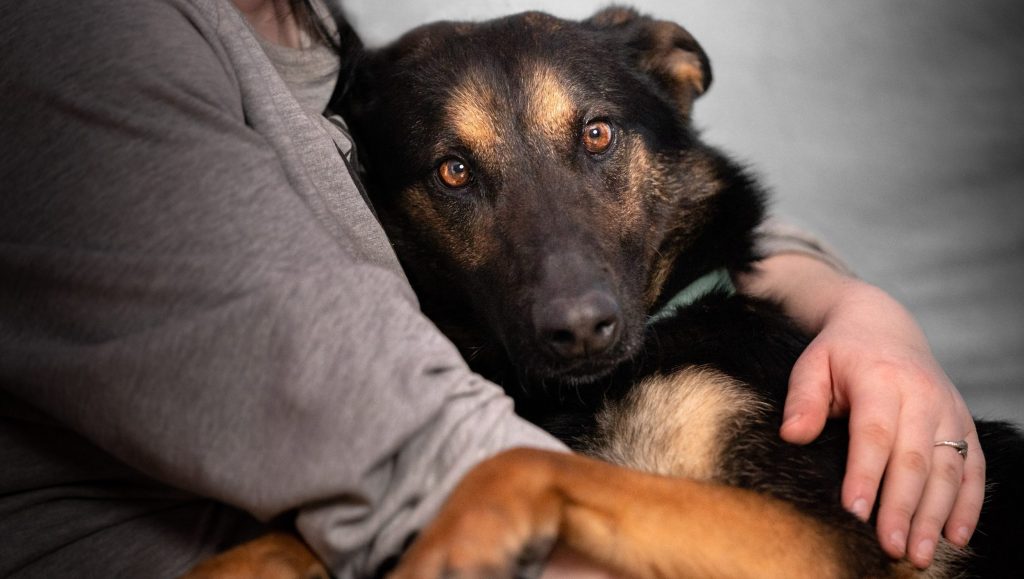
Understanding these initiatives not only sheds light on the mechanisms of animal rescue but also inspires more citizens to participate in adopting from shelters. The journey of a shelter animal finding a loving home is not just a personal victory; it serves as a beacon of hope, encouraging others to consider the profound impact of pet adoption on both individual lives and the community as a whole.
DISCOVER MORE: Click here to dive deeper
Innovative Strategies in Promoting Animal Adoption
As the statistics surrounding shelter animals become increasingly alarming, innovative strategies are being employed by both government and private sectors to encourage adoption. The urgent need for these initiatives is underscored by the fact that approximately 6.5 million companion animals enter U.S. animal shelters each year, with nearly half of them never finding a home. Understanding the multifaceted roles played by these initiatives can lead to greater community engagement and, ultimately, a significant reduction in the number of animals waiting for adoption.
Partnerships with Local Businesses
One dynamic approach is the establishment of partnerships between shelters and local businesses. These collaborations create mutually beneficial opportunities by raising awareness while generating resources for shelter operations. For example, many pet supply stores allow shelters to host adoption events in their premises, providing free publicity and community engagement. In return, these businesses often see increased foot traffic as animal lovers flock to meet potential furry companions. Some local cafes and breweries even offer “puppy nights,” where patrons can mingle with adoptable pets—the charming mix of coffee, beer, and puppies fosters a sense of community and encourages adoption.
Legislation Supporting Animal Welfare
On the governmental front, legislative efforts have been crucial in shaping a more favorable environment for animal adoption. Recent laws, such as the Pet and Women Safety (PAWS) Act, have begun to address the barriers that prevent individuals from adopting. This legislation promotes the idea that animal welfare is a vital contributor to public safety and community health. Additionally, many states are enacting “shelter transparency” laws that require shelters to disclose data on euthanasia rates and adoptions, holding institutions accountable and allowing the public to make informed decisions about where to adopt.
Furthermore, states are promoting home visitation programs, which provide guidance to prospective adopters and ensure that both the animals’ and families’ needs will be met. By conducting home assessments, shelters can better match pets with the right families, thereby increasing the chances of successful adoptions and reducing the likelihood of pets being returned.
Educational Programs
Education is another cornerstone of effective adoption initiatives. Many animal rescues and shelters develop educational programs that target both children and adults, emphasizing the responsibilities of pet ownership, the value of adopting, and the specific needs of various breeds. For instance, some shelters offer workshops for children in schools about animal care and compassion towards pets. These sessions often include interactive components—such as sessions with rescue pets—that leave lasting impressions on young minds and promote lifelong values.
Engaging Social Media Campaigns
The rise of social media provides an incredible platform for shelters and organizations to showcase animals in need of homes. Utilizing platforms like Instagram, Facebook, and TikTok, shelters can share heartwarming stories of animals and their pathways to adoption. Creative campaigns, often with viral potential, spotlight individual pets, increasing visibility and engagement. Popular hashtags like #AdoptDontShop and #ShelterPetsOfInstagram serve to unify the online community in support of shelter adoptions.
In summary, a combination of public initiatives, community collaboration, and educational outreach forms the backbone of the growing movement to encourage the adoption of animals from shelters. Through these multifaceted efforts, more individuals are becoming aware of the urgent need for adoptions, ultimately leading to the hopeful finding of forever homes for countless animals.
| Initiatives | Advantages |
|---|---|
| Government Tax Incentives | These incentives reduce the financial burden on individuals, motivating them to adopt pets rather than purchase them from breeders. |
| Public Awareness Campaigns | Heightened community awareness about the benefits of adoption helps combat stereotypes surrounding shelter animals, showcasing their potential. |
Furthermore, the collaboration between government agencies and private organizations has resulted in diverse strategies aimed at fostering shelter adoptions. For instance, the introduction of mobile adoption units has made it easier for potential adopters to meet and bond with animals outside traditional shelter environments. Additionally, local businesses often collaborate with shelters to promote adoption events, providing incentives like discounts for adopted pets.Such initiatives have not only expanded the reach of shelters but also contributed to the increasing trend of adopting animals rather than buying them. Evidence suggests that increased societal emphasis on animal welfare is leading to a positive shift in public attitudes and behaviors, further driving the success of these government and private efforts. Exploring these dynamics offers a gateway to a deeper understanding of how our communities are redefining pet ownership, creating a future where shelter animals find loving homes.
DISCOVER MORE: Click here to learn about the benefits of animal adoption
Strengthening Community Connections through Innovative Programs
To further boost animal adoption rates, both public and private sectors are increasingly focusing on strengthening community connections. Engaging local communities not only raises awareness about shelter animals but also encourages a culture of compassion and responsibility towards pet ownership. Programs tailored to specific community needs resonate more deeply, driving home the importance of adoption.
Mobile Adoption Units
One of the more exciting developments in the animal adoption landscape is the implementation of mobile adoption units. These traveling shelters take adoptable pets directly to neighborhoods, allowing individuals who may not have the means or time to visit a traditional shelter to meet animals in more convenient settings. Mobile units have seen success in large urban areas across the U.S., where diverse demographics can be reached. These units often work in conjunction with local festivals, markets, and community events, easing barriers to adoption and enhancing accessibility.
Collaboration with Schools and Universities
Engagement with educational institutions has proven fruitful in promoting animal welfare. Schools and universities are becoming vital partners in this effort through initiatives that not only educate students about the importance of adoption but also offer experiential learning opportunities. For example, some universities have incorporated animal biology courses that allow students to volunteer in shelters, fostering a deeper understanding of animal care. Programs such as “Adopt a Shelter Pet Month” in October encourage schools to host events focused on adoption, where students can advocate for shelter animals, thereby influencing family attitudes towards adopting a pet.
Government Grants and Funding
The role of government in fostering adoption efforts can also be seen through grants and funding directed toward shelters and rescue organizations. Grants designated for spay and neuter programs, for instance, help reduce the overall population of homeless animals, leading to a decrease in overcrowded shelters. Furthermore, funding assists in the renovation of shelter facilities, upgrading them into welcoming environments where potential adopters feel comfortable spending time with animals. Successful examples include cities like San Francisco, which have implemented initiatives funded through local government grants, resulting in higher adoption rates and lower euthanasia numbers.
Publicity through Celebrity Endorsements
Celebrity involvement has increasingly become a powerful tool in promoting animal adoption. Chosen public figures often adopt shelter pets, sharing their experiences on social media platforms, which generates extensive awareness and fosters a sense of responsibility among fans. Initiatives like the 2020 “Clear the Shelters” campaign, which featured various celebrities advocating for shelter animals, have resulted in thousands of successful adoptions across the U.S. Such wide-reaching campaigns underscore the importance of high-profile endorsements in shifting public perception and driving individuals toward adopting rather than purchasing pets.
Technology and Virtual Meet-and-Greets
Embracing technology has opened new avenues for shelters to connect with potential adopters. Virtual meet-and-greets are becoming increasingly popular, allowing individuals more flexibility when considering adoption. By hosting live video sessions, shelters showcase adoptable animals from the comfort of potential adopters’ homes. This approach not only broadens the audience but also enables people to ask questions in real-time, creating a more informed decision-making process. Programs that leverage technology can often lead to expedited adoption processes, benefitting both pets and their future families.
These innovative initiatives demonstrate a collective effort to create a robust network that supports the adoption of shelter animals. By tapping into community involvement, government support, and technological advancements, a stronger movement towards animal adoption is not only cultivated but celebrated through ongoing partnerships and engagement strategies.
DISCOVER MORE: Click here for insights on introducing nutritional supplements to your pet’s diet</
Conclusion: A Unified Approach to Enhance Animal Adoption
The combined efforts of government and private initiatives play a pivotal role in reshaping the landscape of animal adoption across the United States. Through innovative programs such as mobile adoption units, educational partnerships with schools and universities, and the promotion of responsible pet ownership, society is witnessing an impactful transformation. These programs are instrumental in not only raising awareness but also fostering community involvement and compassion towards shelter animals.
Moreover, government support in the form of grants and funding significantly enhances the capabilities of local shelters, facilitating necessary upgrades and outreach programs that directly contribute to higher adoption rates. The influence of celebrity endorsements alongside technological advancements like virtual meet-and-greets further amplify positive narratives surrounding animal adoption, creating both accessibility and visibility for potential adopters.
In conclusion, as communities come together, leveraging resources and strategies from both public and private sectors, the future of animal welfare looks brighter. Continued commitment and creativity are essential to overcoming the barriers that many shelter animals face. By embracing these initiatives and encouraging a culture of compassion, we not only provide loving homes for countless pets but also enrich our own lives with the joy that these loyal companions bring. The need for ongoing support and engagement cannot be overstated, and as this movement gains momentum, more individuals are likely to discover the fulfilling experience of welcoming a shelter animal into their families.
Related posts:
Animal Adoption Success Stories Transforming Lives Homes in the USA
Responsible Pet Adoption Choosing the Perfect Pet for Your Family
Marketing Strategies to Increase Pet Adoption from Shelters
The Role of Animal Adoption in Promoting Empathy and Compassion in New Generations
Success Stories: How Adoption Transformed the Lives of Animals and Owners
The Impact of Animal Adoption on Early Childhood Education and Social Development

Linda Carter is a writer and pet care expert specializing in pet health, grooming, and wellness. With extensive experience helping pet owners create safe, loving, and enriching environments for their animals, Linda shares her knowledge on our platform. Her goal is to empower readers with practical advice and strategies to ensure their pets thrive and lead joyful, healthy lives.