Benefits of Regular Hygiene: Care for Pets’ Teeth, Skin, and Fur
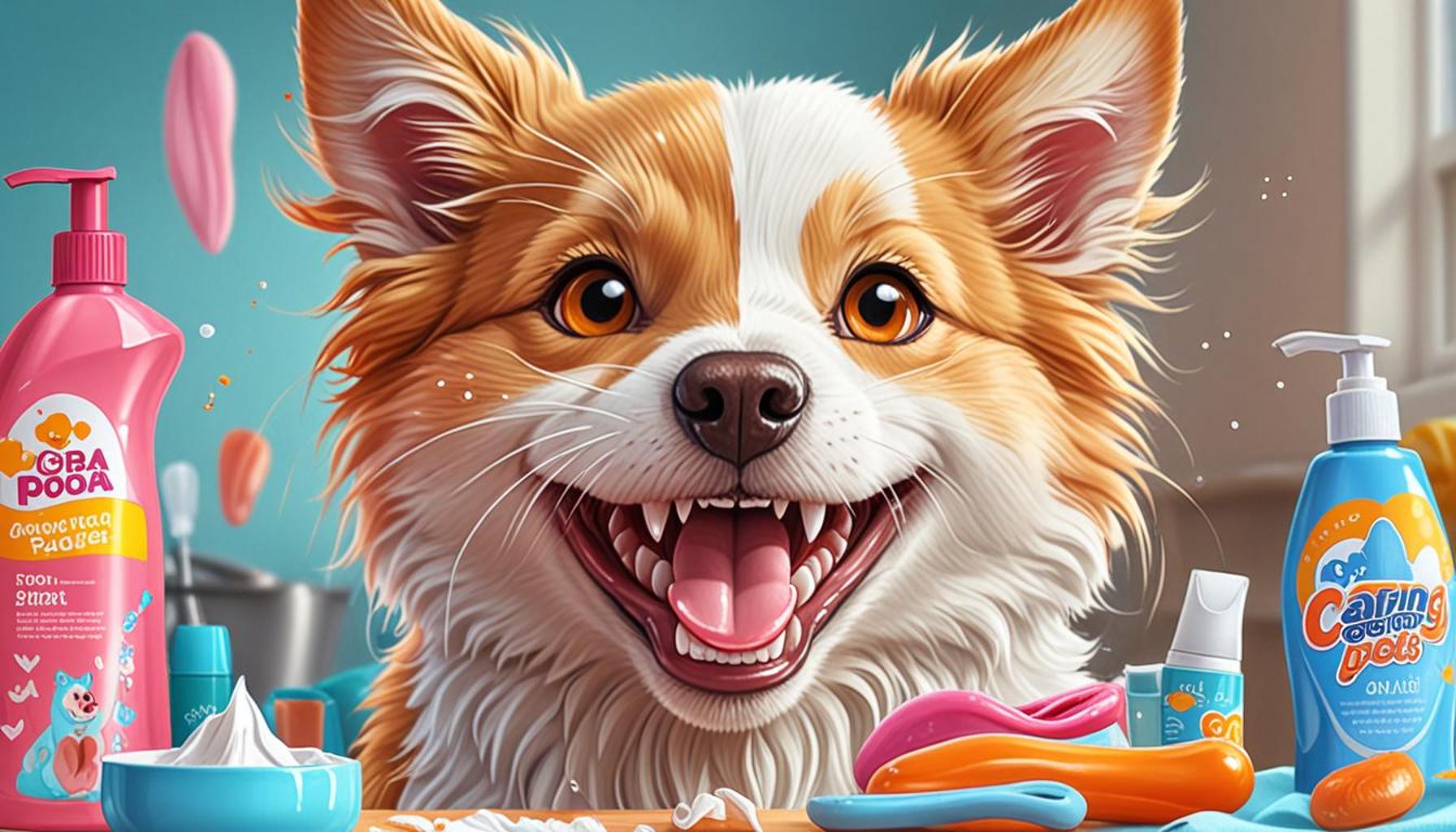
The Necessity of Pet Hygiene in Daily Care
For pet owners, understanding hygiene goes beyond just aesthetics; it’s a vital aspect of responsible pet ownership that significantly enhances a pet’s quality of life. Regular hygiene practices, akin to the daily routines humans follow, are essential for keeping pets healthy and happy. Investing time and effort into maintaining your pet’s hygiene can lead to a myriad of positive outcomes, including a longer lifespan and an improved relationship between pet and owner.
It’s crucial to recognize the key areas that require consistent attention:
- Teeth: Dental health is often neglected in pets, yet it is a critical component of their overall well-being. Regular brushing, ideally several times a week, can effectively prevent dental diseases such as periodontal disease, which is common among pets. It also combats bad breath, a common concern for pet owners. Consider incorporating dental chews or toys designed to reduce tartar, as they can serve as a supplementary measure for maintaining oral hygiene.
- Skin: Pets are susceptible to various skin conditions, including allergies and infections. Routine grooming—using the appropriate tools for your pet’s coat type—can help prevent skin infections and irritation. For example, dogs that spend plenty of time outdoors may encounter parasites like ticks and fleas, which can lead to serious health issues if left unchecked. Regular baths with pet-safe products also contribute to their skin health.
- Fur: Grooming is not merely about aesthetics; it plays an important role in your pet’s overall hygiene. Keeping their fur clean reduces shedding, which can be a significant trigger for allergens in your home. Regular brushing helps to remove loose fur and dirt while distributing natural oils, keeping your pet’s coat shiny and healthy. For instance, breeds like Golden Retrievers and German Shepherds require more frequent grooming due to their dense coats compared to short-haired breeds like Beagles.
The positive impact of regular hygiene practices is not solely contained to health and appearance. A clean pet can result in:
- Fewer vet visits and reduced health costs: By preventing issues before they arise, pet owners can save substantially on veterinary bills.
- Improved behavior and mood: Pets that are clean and comfortable are often happier and exhibit better behavior, possibly leading to less destructive habits.
- A stronger bond between owner and pet: Engaging in grooming routines can enhance emotional ties, providing opportunities for bonding through touch and care.
In the diverse landscape of pet ownership in the United States, it’s essential to tailor hygiene practices to the unique needs of various breeds. For example, while cats often need gentle grooming to manage their fur and prevent hairballs, their dental hygiene is frequently overlooked. Today, many veterinarians promote the importance of regular tooth brushing and professional cleanings to mitigate risks associated with neglecting feline dental health.
In exploring pet hygiene further, owners can discover effective methods for caring for their furry friends’ teeth, skin, and fur. Simple yet consistent practices can transform the health landscape of your pet’s life, leading them—and you—to a happier, healthier future.

LEARN MORE: Click here to discover the impact of nutrition on your pets’ mental health
Understanding the Importance of Dental Care
When it comes to caring for pets, dental hygiene is often overlooked, yet it is fundamental to their overall health. According to the American Veterinary Medical Association (AVMA), approximately 80% of dogs and 70% of cats show signs of dental disease by age three. This staggering statistic highlights the necessity of regular dental care to combat issues such as tartar buildup, inner ear infections, and even heart disease, which can stem from neglected oral health.
Regular brushing not only helps to prevent gum disease but also provides the added benefit of fresher breath, which is essential for maintaining a comfortable environment in your home. It’s recommended to use toothpaste specifically formulated for pets, as traditional human toothpaste can be toxic to animals. Incorporating dental toys and chews can also support your pet’s oral hygiene efforts, acting as an engaging way to keep their teeth clean. Additionally, consider scheduling routine dental cleanings with your veterinarian to ensure professional oversight in your pet’s oral healthcare routine.
Grooming for Skin Health
The skin is the largest organ in your pet’s body, serving as a barrier against infections and irritants. Regular grooming is a crucial practice that not only improves the appearance of your pet but also promotes healthy skin. Pets can frequently suffer from a range of skin conditions, including allergies, hot spots, and dermatitis, which can lead to discomfort and potentially serious health issues. Routine grooming helps to remove dead hair and skin cells, preventing matting and trapping dirt or moisture that can exacerbate skin problems.
For pet owners, it is essential to choose grooming tools that are suitable for their pet’s specific coat type. For example, long-haired breeds like the Shih Tzu may require daily combing, while short-haired breeds might only need weekly brushing to keep their skin and fur healthy. Furthermore, regular baths using pet-safe shampoos can help maintain skin hydration and reduce the risk of infections caused by external parasites like fleas and ticks.
The Role of Fur Grooming in Overall Hygiene
While the cosmetic aspects of grooming are undeniable, the impact of fur care goes well beyond appearances. Maintaining a clean coat significantly reduces shedding, which is particularly important for homes with allergy sufferers. Regular grooming not only reduces fur in the home but also helps to distribute natural oils throughout your pet’s coat, fostering a shiny and healthy appearance.
In addition to basic grooming, pet owners should also be aware of the specific grooming needs associated with different breeds. For instance, breeds with double coats, like Siberian Huskies, may experience excess shedding during certain times of the year and will require more frequent brushing. On the other hand, breeds with single coats, like Greyhounds, may need less regular grooming but still benefit from occasional baths and coat maintenance.
Establishing a grooming routine tailored to your pet’s unique needs not only improves their hygiene but also fosters a routine that can help enhance the bond between pet and owner. By investing the time and care into your pet’s grooming regimen, you are, quite literally, investing in their health and happiness.
| Category | Key Benefits |
|---|---|
| Teeth Health | Routine dental care prevents tartar buildup and reduces the risk of gum disease, which can lead to pain and tooth loss. |
| Skin Care | Regular grooming helps in detecting skin issues early, preventing infections and excessive itching due to allergies. |
| Fur Care | Consistent brushing removes loose fur and reduces shedding, promoting a healthier coat and minimizing allergens in the home. |
Regular hygiene routines for pets’ teeth, skin, and fur not only enhance their physical appearance but also contribute significantly to their overall health and wellbeing. Maintaining oral hygiene minimizes harmful bacteria, protecting your pet from systemic health issues. Additionally, ensuring clean and well-groomed skin/coat can improve your pet’s comfort and quality of life, making them happier and more active companions.Through these proactive measures, pet owners can establish a healthier routine that ultimately leads to fewer vet visits and lower medical costs. Investing in regular hygiene is an investment in your pet’s future, enabling them to enjoy a longer, healthier life. With this knowledge, it’s time to explore the topic further and discover the best practices suited for your beloved animals.
DIVE DEEPER: Click here to learn more about your pet’s diet
The Impact of Regular Hygiene on Your Pet’s Behavior and Well-being
Beyond the physical health benefits, maintaining a regular hygiene routine for your pet can significantly impact their behavior and overall well-being. Pets with clean teeth, skin, and fur are more likely to exhibit positive behaviors, as discomfort from dental pain or skin irritations can lead to frustration and aggression. According to the American Animal Hospital Association (AAHA), pets that receive regular grooming and dental care are often happier and less anxious, leading to a stronger bond between them and their human companions.
One notable aspect of hygiene that affects behavior is the management of anxiety and stress. For instance, pets prone to anxiety may find grooming sessions comforting, as the repetitive motions can have a calming effect. Incorporating proper dental and grooming practices can create a structured environment that fosters a sense of security, particularly for pets that flourish on a routine. A well-groomed pet is more inclined to engage in play and social interactions, which are crucial for mental stimulation and emotional health.
Preventing Health Issues Through Regular Hygiene
One of the most compelling reasons to commit to a regular hygiene routine is the prevention of potential health issues. Neglecting your pet’s dental health can lead to serious consequences like periodontal disease, which may require painful extractions or lead to systemic infections affecting the heart and kidneys. Preventative care can be significantly more cost-effective than treating advanced health conditions, making the investment in hygiene not only a health measure but also a smart financial decision.
In terms of skin health, regular grooming isn’t only about aesthetics; it serves as an essential line of defense against skin parasites and irritations. By performing routine examinations during grooming sessions, pet owners are more likely to notice any unusual lumps, bumps, or skin issues early on, leading to timely veterinary intervention. The routine can be augmented by adding an appropriate diet rich in Omega fatty acids, which can promote skin health from the inside out.
Enhancing the Bond Between Owner and Pet
Hygiene routines can greatly enhance the bond between pets and their owners. Engaging in regular grooming not only helps keep pets comfortable and healthy but also creates opportunities for quality time together. Pets thrive on positive attention from their owners, and routine grooming can be an enjoyable experience that fosters trust and love. The focus on this shared experience emphasizes the importance of caring for them in all aspects of their health.
Moreover, pet owners might consider involving their pets in the process of maintaining hygiene by using products designed for interactive play. Dental chews and grooming gloves that double as toys will keep the pet engaged while promoting cleanliness. Regular interaction can turn grooming into a fun and positive experience rather than a chore, ultimately fostering better compliance from pets when it comes time for regular grooming or dental care.
Consistent care ultimately builds a foundation of trust; as pets become accustomed to being touched, cleaned, and inspected, they will have less fear and anxiety associated with veterinary visits. This creates an overall sense of well-being that permeates to other areas of their life.
Caring for your pet’s teeth, skin, and fur is not just about vanity; it encompasses a comprehensive approach to their health and happiness. The long-term benefits far outweigh the effort, making it a critical aspect of responsible pet ownership.
DISCOVER MORE: Click here to learn about the influence of celebrities on animal adoption
Conclusion: The Essential Role of Regular Hygiene in Pet Care
In summary, the benefits of regular hygiene cannot be overstated when it comes to caring for your pet’s teeth, skin, and fur. Establishing a routine of dental care and grooming not only prevents serious health issues but also plays a pivotal role in enhancing your pet’s well-being and behavior. By prioritizing your pet’s hygiene, you are minimizing risks associated with dental disease, skin irritations, and other health complications, ultimately saving yourself time and money in the long run.
Moreover, the act of grooming or maintaining dental hygiene fosters a unique bond between you and your pet. This shared activity not only cultivates trust and affection but transforms the mundane chore into moments of joy and play. Engaging your pet during these routines can lead to a happier, more relaxed companion who is better adjusted and confident in their environment.
As you embark on this journey of caring for your pet’s hygiene, remember that the right diet and consistent attention will contribute immensely to achieving optimal health. Adopting these practices not only benefits your furry friend but enhances the quality of your companionship, making moments spent together fulfilling and joyous.
In a world where pet ownership is held to high standards, investing time and energy into your pet’s oral and physical hygiene is a testament to responsible pet ownership. Take this opportunity to explore the various products and techniques available, and see how they can fundamentally improve your pet’s life—and yours—leading to a harmonious co-existence fueled by health and happiness.
Related posts:
The Importance of a Balanced Diet for Pet Health
The Importance of Balanced Nutrition for the Health of Pets
The Importance of Regular Physical Activity for the Mental and Physical Health of Pets
The Importance of Preventing Common Diseases in Pets: Vaccination and Regular Check-ups
How to Identify and Treat Common Behavior Problems in Dogs and Cats
Special Care for Senior Pets: Adapting the Environment and Routine for Well-Being

Linda Carter is a writer and pet care expert specializing in pet health, grooming, and wellness. With extensive experience helping pet owners create safe, loving, and enriching environments for their animals, Linda shares her knowledge on our platform. Her goal is to empower readers with practical advice and strategies to ensure their pets thrive and lead joyful, healthy lives.