How to Prepare Your Pet for Travel and Changes in Environment

Getting Ready for Travel with Your Pet
Traveling with your pet can add a layer of excitement to your adventures, but it’s essential to navigate the associated challenges with care. Your furry companion’s comfort and safety should be at the forefront of your mind as you plan your journey. A well-thought-out approach can significantly reduce stress for both you and your beloved animal. The act of preparing is not just about packing but ensuring your pet is ready to embrace the new experiences that await.
Here are several critical steps to consider to ensure a smooth travel experience:
- Health Check: Before embarking on your travels, it’s crucial to schedule a veterinary appointment. Your veterinarian will confirm that your pet is healthy enough for travel and that their vaccinations are up-to-date, especially if traveling across state lines. Certain destinations may require proof of vaccination, such as rabies, so having these documents handy can save you from unexpected hurdles during your travels.
- Familiarization: Gradually introducing your pet to the travel carrier or vehicle can work wonders. Start by allowing your pet to explore the carrier at home, perhaps even adding treats or their favorite toys inside to make it more inviting. If traveling by car, take short drives first, progressively extending the duration, so your pet becomes accustomed to the motion and environment.
- Identification: In the unfortunate event that your pet gets lost, having a dependable identification method is imperative. Microchipping is a permanent solution that greatly increases the chances of being reunited. Ensure your pet wears a collar with ID tags that are updated with your current contact information. Consider using a QR code tag that links to a website with your pet’s details for additional security.
- Travel Supplies: When packing for your journey, be sure to include essential items such as enough food and water for the trip, portable dishes, a leash, and waste bags. Bringing along your pet’s favorite blanket or toys not only comforts them but also helps in making unfamiliar environments feel more like home.
It’s important to recognize that every pet has its own temperament and travel response. For instance, while many dogs might exhibit excitement and curiosity, cats can often feel anxious or scared when confronted with new surroundings. Knowing how your pet typically reacts to change can help you tailor your approach to accommodate their needs effectively.
Observing and understanding these behaviors is vital to ensuring your furry friend feels secure and cared for. By taking the right steps both still at home and on-the-go, you can carve out a path to a joyful and memorable journey for both you and your beloved pet. As you prepare, consider diving deeper into pet travel regulations specific to your destination or explore pet-friendly accommodations to further ease your travels.
LEARN MORE: Click here to discover the debate
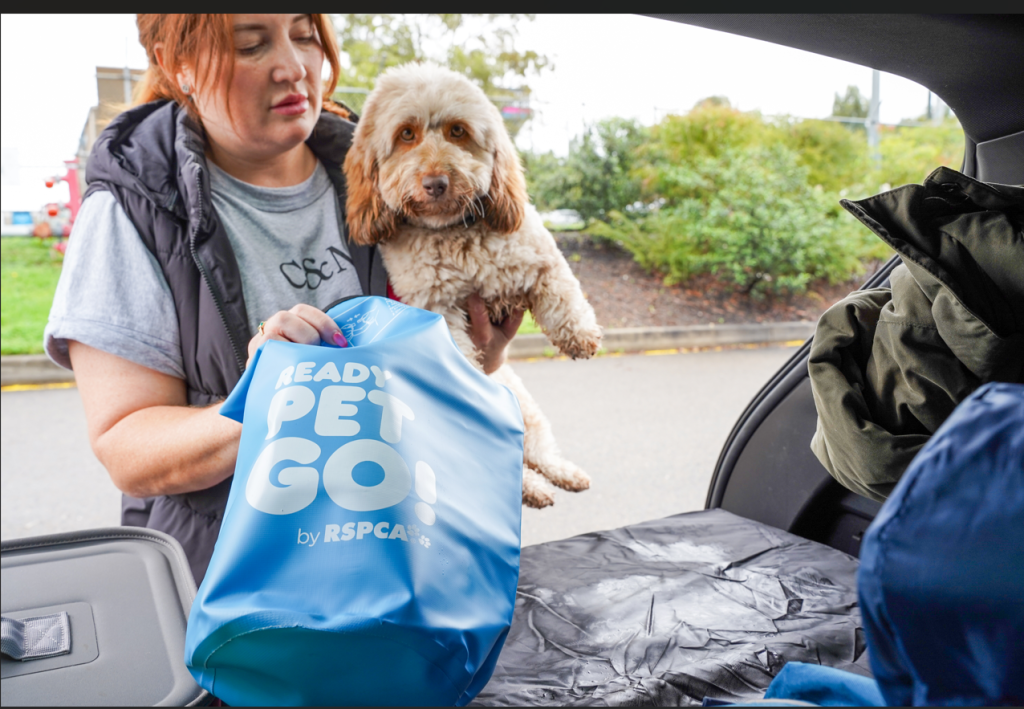
Understanding Your Pet’s Specific Needs
To ensure a successful trip, it’s vital to delve deep into understanding your pet’s specific needs and behaviors. Each pet is unique, and their reactions to travel can vary widely based on factors such as age, breed, and temperament. For instance, senior pets may experience more anxiety or discomfort compared to younger counterparts. Assessing these individual differences allows you to tailor your travel preparations accordingly, making for a smoother experience.
One essential aspect to consider is your pet’s temperament. Dogs, known for their adventurous spirit, might thrive during travel, eager to explore new scents and sights. Conversely, cats are typically more sensitive to disruptions in their routine and might find the experience overwhelming. Here are some recommended practices to help accommodate both types of pets:
- Behavioral Observation: Spend time observing how your pet reacts to changes at home. If they exhibit signs of anxiety, such as hiding or excessive vocalization, these clues are key to understanding how they may respond in unfamiliar environments.
- Comfort Items: Bringing along comforting items such as a favorite blanket or a well-loved toy can significantly help ease your pet’s transition when they encounter new environments.
- Routine Maintenance: Attempt to maintain your pet’s normal routine as consistently as possible during travel. Regular feeding times and familiar playtime can reduce stress and make them feel more at home, even in new territories.
Another essential point revolves around your pet’s physical health during travel. Just as people can get travel sick, pets can also experience motion sickness, especially if they are not used to traveling. If you suspect your pet may be prone to this issue, consult your veterinarian for guidance. They might recommend medications or tips to help soothe your pet’s stomach and ease their travel experience.
When preparing for a longer journey, assessing your pet’s tolerance for long durations in a vehicle, or confined spaces is crucial. Scheduled breaks during travel not only allow your pet to relieve themselves but also provide vital opportunities for exercise and mental stimulation. Stopping every few hours for a walk can make a significant difference in your pet’s comfort level. Consider researching pet-friendly rest stops along your route to make these breaks enjoyable for your companion.
Traveling can also expose pets to different climates, which is another factor to consider when preparing. If you’re heading to a location with drastically different weather conditions—be it hotter, colder, or more humid—make sure you’ve made necessary arrangements, such as appropriate clothing or searching for climate-controlled spaces, to ensure your pet’s well-being.
Understanding and preparing for your pet’s specific needs will enhance their travel experience, helping them adapt to changes in their environment with confidence. As you gather your supplies and finalize your travel plans, remember that investing the time to understand your pet’s preferences and requirements pays dividends in reducing stress for both yourself and your furry friend.
How to Prepare Your Pet for Travel and Changes in Environment
As pet owners, planning for travel with your furry companions requires meticulous preparation. The experience can be enjoyable for both you and your pet, but it is essential to ensure that your pet is ready for the changes they will encounter. Understanding your pet’s behavioral tendencies can significantly dictate the success of this journey. This not only includes being aware of their temperament but also preparing them for the transition.
Understanding Your Pet’s Needs
It’s vital to consider your pet’s unique needs when preparing for travel. Conduct a thorough assessment of their health and comfort levels. Schedule a visit to the veterinarian to ensure that they are fit for travel and up-to-date on vaccinations. This preparation can also lead to improved behavioral outcomes. Pets that feel secure and healthy are much less likely to display anxiety during travel.
Use of Comfort Items
Familiar items can help ease the anxiety of travel. Bringing along your pet’s favorite blanket, toy, or even a piece of your clothing can give them a sense of security amid new environments. For dogs and cats alike, these comfort items can provide much-needed reassurance as they adjust to unfamiliar sights and smells.
| Category | Advantages |
|---|---|
| Preparation | Assessing your pet’s health ensures a smoother travel experience. |
| Comfort Items | Familiar objects can help reduce anxiety and promote comfort. |
By implementing these strategies, traveling with your pet can become a more enjoyable experience, benefiting both you and your beloved companion.
DISCOVER MORE: Click here to learn about the cultural influences of exotic animal adoption
Health and Safety Preparations
When it comes to traveling with pets, ensuring their health and safety is paramount. Before embarking on your journey, it is advisable to visit your veterinarian for a thorough health check. This evaluation is especially crucial for pets with pre-existing health conditions or those who are elderly. Your vet can provide you with valuable vaccination updates that may be required for different states or countries, as well as any necessary health certificates for travel.
One often overlooked aspect is microchipping your pet or ensuring they wear a collar with an identification tag. If your furry friend happens to wander off in an unfamiliar place, having proper identification is your best bet for reuniting quickly. In fact, the American Kennel Club (AKC) reports that more than 10 million pets are lost in the U.S. each year, making this precaution not just wise, but essential.
Moreover, be aware of any seasonal hazards that could impact your travel plans. For instance, certain areas may have seasonal allergies that can affect your pet, such as pollen in the spring or mold in the wet months. Be proactive in gathering an appropriate supply of any necessary medications to manage allergies or other health concerns.
Create a Safe Travel Environment
As you prepare to travel, configuring a safe and comfortable space for your pet in your vehicle is crucial. Depending on your pet’s size, you can utilize various options, including a well-ventilated crate, a pet seatbelt, or a pet barrier. These measures not only help keep your pet secure but significantly reduce distractions during driving.
When packing for your trip, consider the essentials for your pet. Pack a travel kit that includes food and water bowls, a sufficient supply of their regular food, bottled water, waste bags, and any medications they take. This kit should also include grooming supplies and a leash for stops along the way. Don’t forget a first-aid kit equipped for pets, which can help handle minor injuries until you reach a vet.
The Benefits of Gradual Acclimatization
Leading up to your travel date, gradually acclimatizing your pet to both their travel environment and the transportation mode will ease the transition. For instance, if you’re flying with your pet, consider taking them on shorter car rides beforehand. This helps them understand that these experiences are part of routine and not a source of anxiety. The ASPCA suggests using positive reinforcement during these practice sessions—offer treats or praise when they remain calm, reinforcing the notion that travel can be enjoyable.
Additionally, if you intend to stay in accommodations like hotels or rentals, expose your pet to a similar environment. You can create a makeshift “hotel” at home where you practice setting up their space, complete with a bed, food area, and toys. This practice can help ease stress by creating familiarity with the new setup.
Consider also establishing a travel-friendly schedule that mimics your daily routine. Maintaining consistency fosters a sense of stability, allowing your pet to adjust rather than feel uprooted. Set aside times for meals, exercise, and even downtime, and try to stick to that schedule wherever you go.
By investing the time and resources to prepare your pet physically and mentally, you create an enriching travel experience. Setting the right foundation for both health and safety will significantly reduce the chances of unplanned mishaps, helping your pet embrace the journey ahead.
DISCOVER MORE: Click here to learn about breed-specific training needs
Conclusion
Traveling with your pet can be a rewarding experience, but it requires a thoughtful approach to preparation. By focusing on health and safety, you ensure your pet is ready for any journey ahead of you. A visit to the veterinarian not only equips you with the necessary health certificates and vaccination records but also highlights any individualized care your pet may need. Don’t underestimate the importance of identification; microchipping and a collar with tags could be the key to a swift reunion should your pet go missing.
Creating a safe travel environment is equally critical. Utilizing secure transport options and packing a comprehensive travel kit that includes food, water, and first-aid essentials can make a world of difference in those travel moments. Furthermore, the power of acclimatization cannot be overstated. Familiarizing your pet with new environments and routines through gradual exposure can mitigate anxiety and foster a sense of normalcy during transitions.
Ultimately, the commitment to preparing your pet enhances not just their well-being but your overall travel experience. As you embark on your adventures, consider each trip an opportunity for exploration and bonding with your furry companion. By following the strategies outlined in this guide, you will find that adjusting to new environments is not just possible, but profoundly enriching for both you and your pet. Prepare wisely, travel well, and enjoy the transformative journey together!
Related posts:
The Importance of Proper Nutrition for Your Pets Health
The Importance of Environmental Enrichment for Pets' Well-Being
The Importance of Interactive Socialization for Developing Social Skills in Puppies
The Importance of Regular Physical Activity for the Mental and Physical Health of Pets
Create a Safe Comfortable Pet Environment Essential Tips Advice
The Importance of Preventing Common Diseases in Pets: Vaccination and Regular Check-ups

Linda Carter is a writer and pet care expert specializing in pet health, grooming, and wellness. With extensive experience helping pet owners create safe, loving, and enriching environments for their animals, Linda shares her knowledge on our platform. Her goal is to empower readers with practical advice and strategies to ensure their pets thrive and lead joyful, healthy lives.