The Influence of Daily Routine on the Emotional and Physical Health of Pets
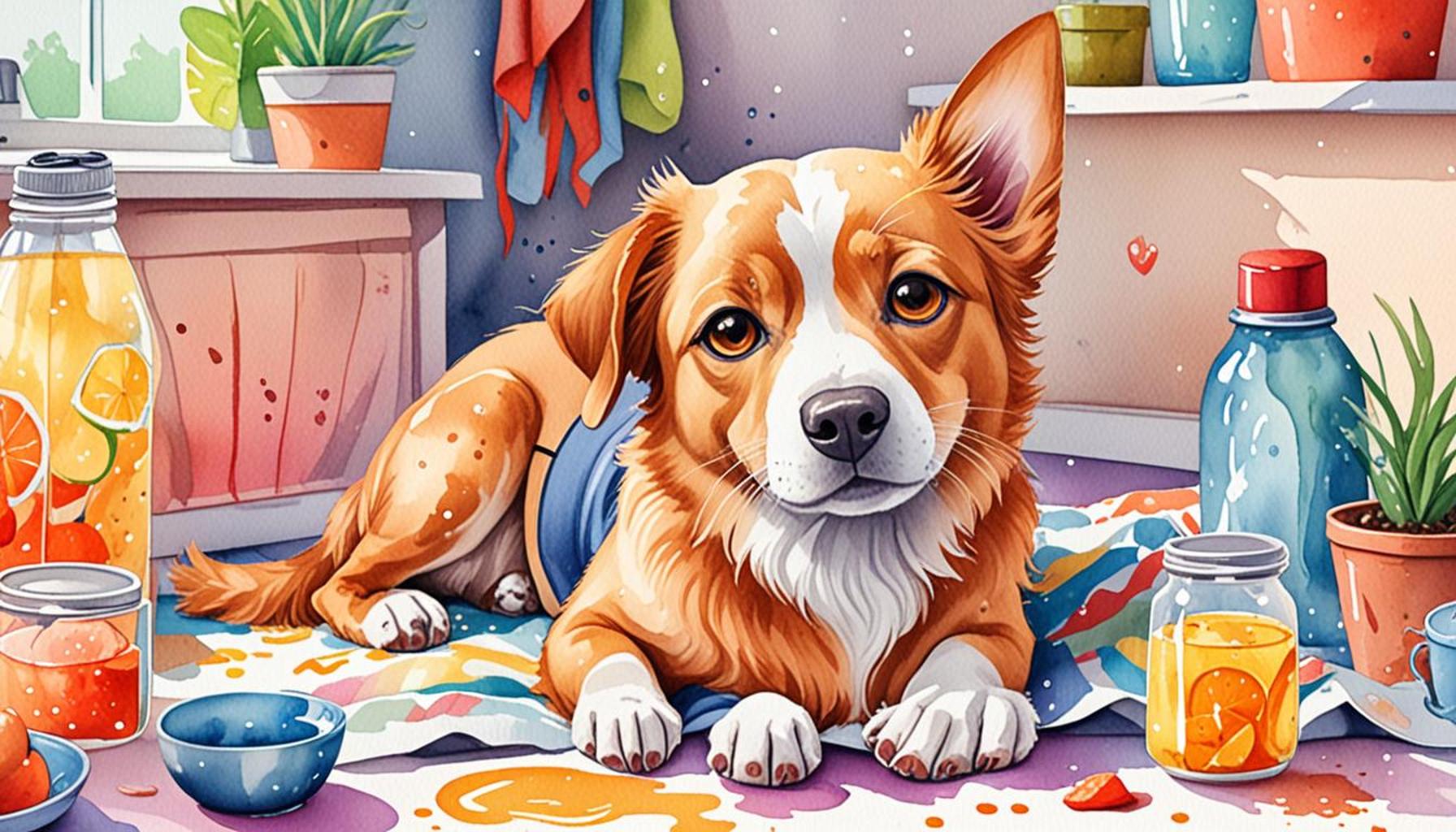
Every pet owner desires a happy and healthy companion. However, many overlook the role that a consistent daily routine plays in promoting their pets’ overall well-being. From dogs to cats, establishing a structured day can significantly impact both emotional and physical health.
Why Routines Matter
Just like humans, pets thrive on predictability and stability. A well-defined schedule helps them feel secure and understand what to expect throughout the day. Here are key aspects of routines that can benefit your furry friends:
- Regular Feeding Times: Ensuring meals are served at the same times each day can optimize digestion and nutrient absorption. For instance, dogs may become anxious if they are unsure when their next meal will arrive, which could disrupt their appetite. Similarly, picky eaters like some cats might become more accepting of food when presented on a set schedule.
- Scheduled Exercise: Regular physical activity is vital in maintaining a pet’s health. For example, dogs need daily walks, while cats may enjoy interactive play sessions with toys such as feather wands or laser pointers. Regular exercise not only helps to reduce the risks of obesity—a prevalent issue in America—but also releases endorphins that elevate their mood.
- Consistent Social Interaction: Pets are social beings, and routine interaction reinforces their need for companionship. Dogs, for example, benefit from regular playtime and training sessions that strengthen their bond with their owners. Meanwhile, cats can enjoy shared moments through petting or grooming routines, promoting their emotional well-being.
The Ripple Effect on Health
Neglecting a routine can lead to various issues. Pets may experience:
- Anxiety: Unpredictable schedules can create stress, leading to behaviors such as excessive barking, meowing, or destructive actions like scratching furniture. In extreme cases, pets may develop separation anxiety, a condition that can significantly diminish their quality of life.
- Behavioral Challenges: Lack of structure may lead to problems such as chewing on household items or displaying aggression toward other pets or people. Establishing a routine helps pets understand when to anticipate playtime versus downtime, which can mitigate these challenges.
- Health Problems: Irregular meals and insufficient exercise can contribute to obesity or lethargy. An alarming statistic from the Association for Pet Obesity Prevention reports that nearly 60% of cats and 56% of dogs are classified as overweight or obese. Such conditions can lead to serious health threats, including diabetes and joint issues.
Understanding and implementing a thoughtful routine can not only enhance your pet’s mood but also strengthen the bond you share. Consistency in daily activities creates a comforting framework that supports their overall health. Join us as we dive deeper into these fascinating connections and discover practical tips for a happier, healthier pet. By investing time in developing your pet’s daily routine, you’re also investing in their long-term happiness and longevity.
DIVE DEEPER: Click here to learn more about legal responsibilities

The Essentials of a Structured Life
Creating a structured daily routine for your pet is not merely about keeping them occupied; it’s about laying the foundation for their overall well-being. A well-planned schedule not only meets their physical needs but also fosters a sense of emotional stability. Understanding the benefits of a routine can transform how pet owners approach their care responsibilities.
Key Components of a Healthy Routine
A successful routine for pets generally encompasses the following elements:
- Regular Meal Patterns: Consistency in feeding times aids in maintaining a healthy digestive system. Most pets benefit from feeding twice a day, with dogs often devouring meals in less than a minute. For cats, offering feedings throughout the day can cater to their natural grazing instincts, thus reducing anxiety around food availability.
- Daily Exercise: Incorporating physical activity into your pet’s daily routine is crucial for managing their weight and maintaining their mental health. Experts recommend that dogs receive at least 30 to 60 minutes of exercise per day, depending on their breed and energy level. For indoor cats, establishing a routine that includes interactive toys and climbing structures can promote health and happiness in a confined environment.
- Grooming and Care: Regular grooming sessions should be integrated into your pet’s routine, not just for aesthetics, but also to monitor their skin and coat health. For dogs, brushing can help minimize shedding and foster bonding time with their owners. Cats, too, require grooming to reduce hairballs and maintain a healthy coat, which can support their emotional connection to their humans.
- Training and Mental Stimulation: Scheduled training sessions can play a vital role in your pet’s emotional development. Dogs usually benefit from 10-15 minutes of obedience exercises daily, keeping their minds sharp and engaged. Similarly, puzzle toys for cats can stimulate their natural hunting instincts, helping to alleviate boredom and associated behavioral problems.
A structured day that includes these components reduces uncertainty and cultivates feelings of safety and comfort in pets. Furthermore, it allows owners to identify issues early, as changes in behavior can be observed when routines are disrupted.
The Importance of Consistency
Pets’ lives are filled with mysteries and challenges, but the one thing they thrive on is consistency. Whether it’s the sound of a food bowl being filled or the routine of an afternoon walk, these familiar cues help shape a sense of normalcy. Behavioral studies have shown that pets with stable environments experience lower levels of anxiety, leaving them less likely to exhibit destructive behaviors.
By adhering to a daily routine, pet owners not only enhance their pets’ emotional health but also lay the groundwork for a fulfilling and longer life. Investing in the consistency of these activities can create a harmonious relationship that benefits both pets and their humans, paving the way to explore the numerous ways to fine-tune this daily dynamic for maximum impact.
| Routine Elements | Effects on Health |
|---|---|
| Regular Feeding Schedules | Stability in nutrition leads to better digestion and overall health. |
| Consistent Exercise Routines | Improved physical activity helps in maintaining a healthy weight and reduces anxiety. |
| Engaging Mental Stimuli | Puzzles and training foster cognitive development, preventing boredom and destructive behavior. |
| Social Interaction Opportunities | Positive socialization results in happier, less fearful pets. |
The daily routines established for pets play a pivotal role in their emotional and physical well-being. Structuring their activities can significantly alter their demeanor and health. For instance, a consistent feeding schedule not only ensures pets receive balanced nutrition but also creates predictability that can ease anxiety and reduce behavioral issues.Moreover, incorporating regular exercise routines boosts their physical fitness while simultaneously alleviating stress and excess energy which can often manifest as aggression or other forms of anxiety. Engaging brain games and training sessions further enhance their cognitive functions, making them more adaptable and less prone to boredom-induced destructive behaviors. Importantly, social interactions shouldn’t be overlooked; regular playdates and even introductions to new environments can foster a greater sense of confidence and reduce fears in pets. By focusing on these essential elements, pet owners can cultivate a routine that not only supports the animals’ physical health but also enriches their emotional lives, leading to a harmonious existence for both pets and their families.
DIVE DEEPER: Click here to learn how animal adoption can combat cruelty
The Role of Socialization and Environmental Enrichment
Beyond the basic components of feeding, exercise, grooming, and training, socialization and environmental enrichment are essential aspects of a pet’s daily routine that significantly influence their emotional health. Providing opportunities for social interaction and diverse experiences is key to developing well-adjusted pets and preventing behavioral issues.
Social Interaction
Regular socialization is critical for pets, especially during their formative years. For puppies and kittens, consistent exposure to a variety of people, environments, and other animals is vital for their social development. Veterinary behaviorists emphasize that positive social experiences shape a pet’s future interactions, helping to reduce fear and anxiety in new situations.
For adult pets, ongoing socialization remains important. Regular playdates with other pets or visits to dog parks can provide valuable interaction, helping to alleviate loneliness and boredom. Cats too benefit from engaging with people and other friendly pets, often responding positively to human company and interactive play.
Environmental Enrichment
Creating an enriching environment is another fundamental aspect of a pet’s daily routine. Often underestimated, a stimulating environment can have a profound impact on a pet’s well-being. This can include providing varied toys, puzzle feeders, or even simple items like cardboard boxes, which can inspire hours of exploration and creativity.
Home environments should cater to the natural instincts of pets. For example, cats relish vertical spaces or climbing structures that allow them to survey their territory. Dogs benefit from a variety of toys and activities that challenge their sense of smell and enhance their cognitive abilities. Studies suggest that pets engaged in mentally stimulating activities tend to exhibit fewer signs of stress and anxiety, contributing positively to their overall health.
Routine Veterinary Care
An often-overlooked component of a pet’s daily routine is health care. Regular check-ups with a veterinarian can prevent many physical ailments and detect potential issues early, thereby minimizing stress and discomfort for the pet. Vaccination schedules, dental care, and parasite prevention should be integrated into a pet’s routine, contributing to their long-term well-being.
Pet owners should also maintain a health diary or log that tracks changes in behavior, appetite, and physical condition. This proactive approach not only enhances the pet’s health but also strengthens the bond between pets and owners. Recognizing minute changes in behavior indicates that a pet’s routine is functioning effectively or might need adjustments.
The Influence of Technology
In today’s digital age, technology plays a crucial role in enhancing a pet’s routine. Devices like automatic treat dispensers and interactive cameras allow pet owners to engage with their pets remotely, ensuring that they are not alone during the day. Apps that schedule and track activities help in maintaining consistency and can even send notifications for feedings or grooming appointments.
Additionally, there are now fitness trackers designed for pets that can monitor their activity levels and sleep patterns. This data can help owners adjust routines accordingly, ensuring that their pet remains healthy and happy. Technology not only reinforces daily routines but also fosters pet-owner engagement, promoting overall emotional health.
By weaving together socialization, environmental enrichment, routine care, and the use of technology, pet owners can create a comprehensive daily routine. This multifaceted approach bolsters both the emotional and physical health of pets, enhancing their quality of life significantly.
DISCOVER MORE: Click here to read inspiring success stories
Conclusion
In conclusion, the importance of a well-structured daily routine for pets cannot be overstated. As outlined throughout this article, elements such as balanced feeding, regular exercise, socialization, environmental enrichment, and routine veterinary care collectively contribute to the emotional and physical well-being of our furry companions. Each aspect intertwines to create a holistic approach to pet care, ensuring that our pets remain not only physically healthy but also emotionally fulfilled.
The integration of technology further enhances this routine, offering innovative ways for pet owners to engage and monitor their pets’ health and happiness. Pet owners can now benefit from tools that provide insights into their pets’ activity, allowing for adjustments tailored to individual needs. This proactive engagement fortifies the bond between pets and their owners, fostering a nurturing environment.
Ultimately, understanding the profound impact of daily routines on our pets’ lives prompts us to rethink our approach to pet care. By prioritizing a diverse and stimulating routine, we can significantly enhance the quality of life for our beloved companions. Whether you are a seasoned pet owner or new to the journey, taking the time to craft a thoughtful daily schedule can lead to a happier, healthier pet. As we continue to explore the intricate relationships between our routines and our pets’ well-being, it’s clear that small, intentional moments can lead to immeasurable benefits in their lives. Embrace the journey of providing a fulfilling life for your pet, and witness the transformation in their emotional and physical health.
Related posts:
The Importance of Environmental Enrichment for Pets' Well-Being
Create a Safe Comfortable Pet Environment Essential Tips Advice
The Importance of Balanced Nutrition for the Health of Pets
The Importance of Proper Nutrition for Your Pets Health
The Influence of Age on the Need for Care and Attention of Pets
Tips for Creating a Safe and Comfortable Environment for Your Pet

Linda Carter is a writer and pet care expert specializing in pet health, grooming, and wellness. With extensive experience helping pet owners create safe, loving, and enriching environments for their animals, Linda shares her knowledge on our platform. Her goal is to empower readers with practical advice and strategies to ensure their pets thrive and lead joyful, healthy lives.