The Importance of Nonverbal Communication between Pets and Their Owners
The Intricacies of Pet Communication
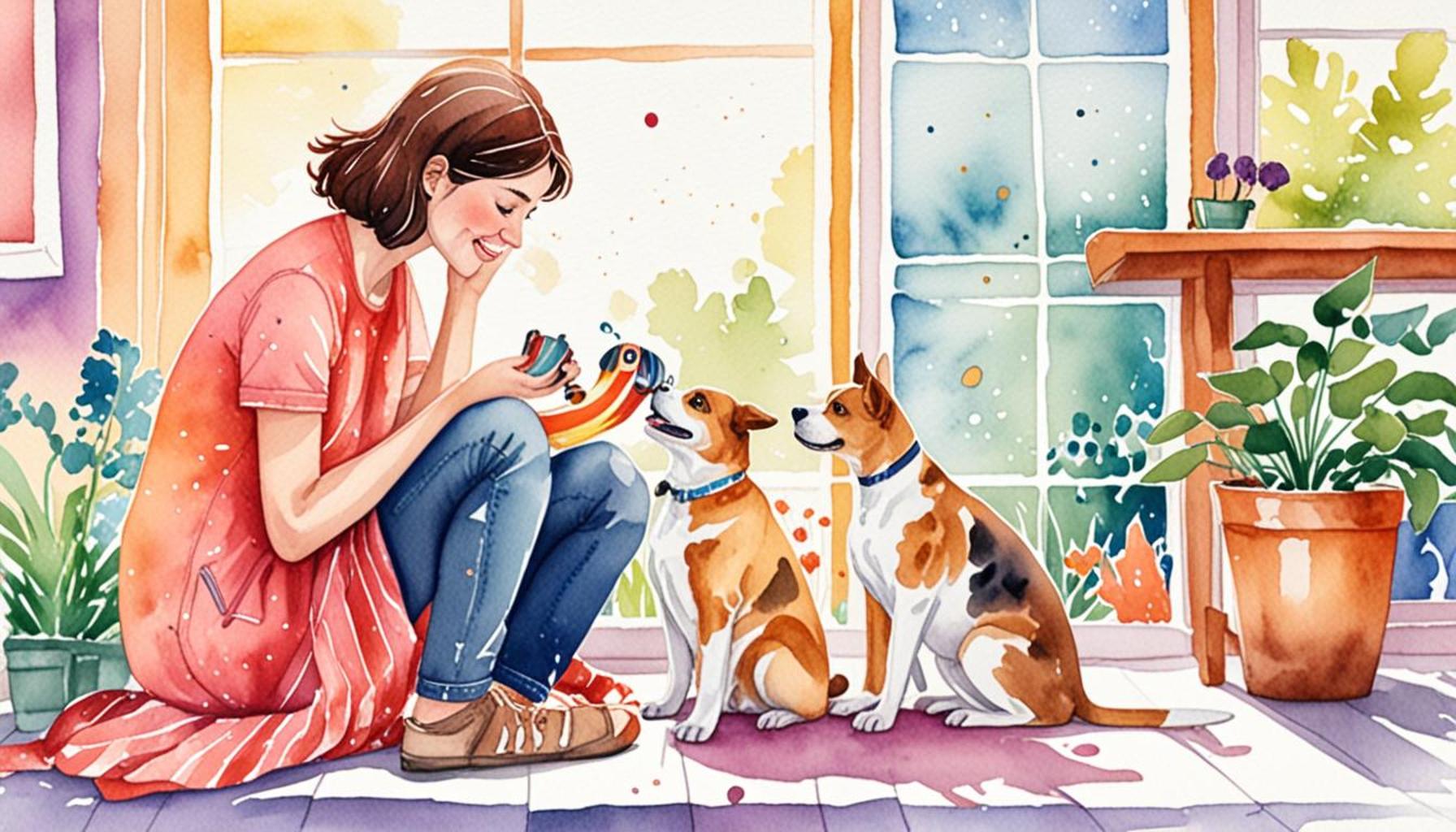
Have you ever stopped to observe how your pet interacts with you without the need for words? The relationship between pets and their owners transcends simple verbal exchanges, entering a complex realm of nonverbal communication. This silent dialogue is rich with meaning and has a profound impact on the bond shared between humans and their furry companions.
This form of communication can reveal itself in a multitude of ways. For instance, consider the significance of body language in pets. A dog that wags its tail energetically often conveys happiness and excitement, while a cat that arches its back might be expressing fear or defensiveness. The position of their ears can also be telling; flattened ears could indicate anxiety or aggression, whereas perked-up ears suggest curiosity or attentiveness.
Facial expressions play a crucial role as well. Dogs, with their expressive faces, can show a range of emotions, from joy to sadness, with just a slight change in their eyes or the curve of their mouth. A contented dog may have soft eyes and a relaxed jaw, while a nervous dog might exhibit wide eyes and a tense expression. Similarly, cats may purr or narrow their eyes as a sign of contentment or affection; the wisdom in their subtle expressions often remains unnoticed.
Then there are tactile signals. The act of petting a dog or a cat not only comforts them but also enhances emotional closeness. Many pets seek physical contact as a sign of trust, curling up next to their owners or nudging them for affection. This instinctual need for proximity illustrates their dependency and loyalty, fostering deeper emotional ties.
Understanding these cues can significantly enhance your relationship with your pet, making it vital for every pet owner. This nonverbal communication acts as an essential bridge, enabling you to decipher your pet’s needs and mood effectively. Furthermore, research indicates that pets are remarkably attuned to human emotions. They can sense their owner’s stress levels and, in turn, may respond with calming behaviors, highlighting a unique empathetic connection that many pet owners may not realize exists.
In our fast-paced, technology-driven world, taking the time to recognize and respond to these nonverbal signals can lead to a smoother and more fulfilling coexistence with our pets. Whether it’s through a wagging tail or a gentle nuzzle, these silent messages can shape not just the lives of our pets, but our own as well. Are you ready to explore how these subtle communications could transform your relationship with your beloved animal companion?
LEARN MORE: Click here to discover how nutrition affects your pet’s well-being
Decoding the Silent Language
Understanding the nonverbal communication between pets and their owners is not just a fascinating aspect of animal behavior; it serves as a crucial component for cultivating a healthy and fulfilling relationship. An owner’s ability to accurately interpret their pet’s body language and emotional expressions can lead to better decision-making regarding their care, training, and overall well-being.
One of the most noticeable aspects of nonverbal communication is the proximity that pets seek with their owners. Dogs, for instance, often position themselves close to their humans, particularly when they are in a relaxed state. This behavior symbolizes a strong sense of loyalty and affection. In contrast, a pet that distances itself may be expressing discomfort or fear. Understanding these dynamics allows owners to make adjustments, such as providing a more secure environment or offering additional affection when needed.
The tail serves as one of the most recognizable indicators of canine emotions. While a wagging tail generally signifies happiness, the speed and height of the wag can offer additional context. A slow wag at a low height may indicate uncertainty or submission, whereas a high, fast wag might denote excitement and eagerness. Dogs are not the only ones who reveal their feelings through their tails; cats too use their tails to communicate, with an upright tail expressing confidence and friendliness and a puffed-up tail indicating fear or aggression.
Companion animals also communicate through their vocalizations. While these sounds might seem verbal, they often accompany certain actions that enhance their meaning. A dog barking vigorously at the door might reveal excitement about a visitor, but when paired with a wagging tail and a calm posture, it could indicate joy rather than alarm. Recognizing the context of these vocalizations helps owners discern their pet’s true emotions and intentions.
- Eye contact: Prolonged eye contact between pets and their owners can enhance feelings of trust and affection. Conversely, averted gaze may signal submission or anxiety.
- Posture: Cats may stretch and roll onto their backs, exposing their bellies as a sign of trust, while tense body language in dogs can indicate fear or aggression.
- Facial cues: A cat’s flattened ears or a dog’s furrowed brow can signal discomfort or disapproval, prompting owners to intervene or reassure their pets.
Furthermore, a pet’s reaction to human emotions provides a unique window into their incredible abilities to pick up on nonverbal cues. Studies have shown that many pets can recognize when their owners are happy, sad, or stressed. For instance, a dog might nuzzle its owner or rest its head on their lap during moments of distress, showcasing a natural tendency to offer comfort. This empathetic response highlights the symbiotic nature of pet-owner relationships, where understanding nonverbal signals reinforces mutual support and trust.
In essence, tapping into the subtle nuances of nonverbal communication between pets and their owners can transform not only the pet’s quality of life but also the owner’s experience. This silent exchange of feelings fosters deeper connections, enhancing companionship while making it essential for pet owners to become skilled interpreters of these unspoken messages.
Understanding nonverbal communication between pets and their owners is vital in nurturing and enhancing the bond that exists between them. While verbal communication is often the primary focus, body language, facial expressions, and even vocal intonations convey significant messages that can deepen the relationship. For example, a dog’s wagging tail often indicates excitement or happiness, while a slow blink from a cat can symbolize trust and affection. Recognizing these subtle signals can lead to a more harmonious living environment.
In addition, being attuned to your pet’s nonverbal signals can aid in identifying potential issues before they escalate. If a dog shows signs of stress, such as tucking its tail or avoiding eye contact, the owner can take proactive measures to alleviate such discomfort. This attentiveness is a critical aspect of responsible pet ownership, enriching the overall quality of life for both the pet and owner.
Moreover, a strong connection established through nonverbal cues fosters emotional well-being in pets. Studies have shown that pets who feel secure in their relationship with their owners exhibit less anxiety and bolstered happiness. These nonverbal interactions can often be more effective than spoken commands, creating an atmosphere of mutual understanding and respect. The less we rely solely on words, the better we can tune into the emotional states of our pets, confirming that effective communication is not limited to language alone, but encompasses a wide spectrum.
To explore this essential topic further, pet owners can consider engaging with animal behaviorists or reading literature focused on pet psychology. By expanding our knowledge in this area, we improve not only our connection with our pets but also enhance their overall quality of life.
| Category | Advantages |
|---|---|
| Enhanced Understanding | Recognizing nonverbal cues leads to a deeper connection. |
| Health Benefits | Improved emotional wellbeing reduces anxiety in pets. |
Incorporating insights from nonverbal communication into daily interactions is not just beneficial; it is essential for fostering a lasting, enriching relationship with our pets.
DIVE DEEPER: Click here to learn how nutrition can boost your pet’s immunity
Building Mutual Understanding through Nonverbal Signals
The dance of nonverbal communication extends beyond the familiar gestures we see in daily life; it taps into a deep reservoir of instinct and emotional intelligence that pets and their owners share. This intricate interplay of signals can have profound implications for behavioral training and emotional welfare, creating a bond that is often deeper than verbal communication alone.
An owner’s ability to recognize their pet’s needs through nonverbal cues is essential, especially in moments of distress or discomfort. For instance, a cat that frequently hides or exhibits excessive grooming behavior may be experiencing stress or pain. Understanding these signs can prompt timely veterinary consultations or changes in the environment, ensuring that the pet’s emotional and physical needs are addressed promptly. Such proactive steps can drastically improve an animal’s quality of life and highlight the significance of vigilant observation in pet care.
Furthermore, the role of routine cannot be underestimated in nonverbal communication. Pets thrive on routine, and subtle changes can significantly affect their demeanor. For example, if an owner deviates from their regular schedule of walks or playtime, a dog may exhibit signs of anxiety or restlessness. Recognizing these deviations allows pet owners to maintain a stable environment, ultimately reinforcing trust and a sense of security for their pets. In adopting a consistent routine, owners also strengthen the nonverbal dialogue between them and their pets, leading to more predictable behaviors from the animal side.
Another fascinating facet of nonverbal communication is the concept of mirroring. Animals, like humans, often reflect the emotional states of those around them. A pet may mirror its owner’s anxious energy, leading to heightened stress for both the owner and the pet. Conversely, calm and positive emotions can be reciprocated, fostering a peaceful atmosphere at home. This aspect empowers pet owners to cultivate their emotional well-being, as their demeanor directly affects their pet’s behavior and confidence levels. Essentially, a relaxed owner often translates to a relaxed pet, highlighting the importance of emotional regulation in the pet-owner relationship.
- Body language includes tail position, ear positioning, and even facial expressions which communicate feelings that can alert the owner to their pet’s current emotional state.
- The significance of smell in pets further enhances their nonverbal communication; a pet who sniffs more vigorously may be exploring a new environment or signaling curiosity about a new interaction.
- Touch, too, plays a pivotal role. A gentle pat or scratch behind the ears can reinforce affection and trust and serve as a nonverbal reassurance for both the pet and owner.
Moreover, the power of observation extends to recognizing the pet’s likes and dislikes, shaping the way owners interact with their animals. By discerning what stimulates joy or distress in their pets, owners can tailor activities that enhance well-being, such as introducing a favorite toy during playtime or recognizing cues that indicate the need for downtime. This responsiveness strengthens the bond, paving the way for collaborative learning experiences that are pivotal to training. Consequently, pets that feel understood and catered to are more likely to respond positively to commands, enhancing both the training process and the overall relationship.
In essence, nonverbal communication between pets and their owners nurtures a unique bond characterized by empathy, understanding, and trust. This bond is not only vital for behavioral understanding but also for fostering a supportive environment that allows both pets and their owners to thrive emotionally and physically.
DIVE DEEPER: Click here to uncover more about exotic animal ownership
Conclusion: The Unspoken Bond
In the intricate relationship between pets and their owners, nonverbal communication plays an indispensable role that often transcends the limitations of spoken language. By attuning themselves to the subtle cues of their pets—be it through body language, emotional expressions, or tender gestures—owners cultivate a profound understanding that fosters trust and companionship. The ability to decipher these nonverbal signals can dramatically influence a pet’s behavioral patterns, mental well-being, and overall happiness, illustrating the significance of vigilant observation in nurturing this essential bond.
Moreover, a solid routine not only enhances the stability of a pet’s environment but also reinforces this silent dialogue, ensuring that the emotional needs of both parties are met. When pets exhibit behaviors that may indicate distress or discomfort, a well-trained eye can spot these signs early, leading to timely interventions that safeguard their well-being. The ripple effect of emotional mirroring further emphasizes the importance of maintaining a balanced emotional state as it directly impacts the interactions and behaviors of both owner and pet.
As we continue to explore the mysteries of animal behavior, it is crucial to understand that mastering the art of nonverbal communication is not merely a skill but an enriching journey that deepens the bond we share with our pets. By embracing this aspect of pet ownership, individuals not only enhance their pets’ lives but also experience a remarkable connection filled with love, empathy, and mutual respect. Ultimately, the importance of nonverbal communication cannot be overstated—it is an unspoken language that resonates deeper than words, thus paving the way for a harmonious coexistence between pets and their owners.
Related posts:
The Importance of Environmental Enrichment for Pets' Well-Being
How Environmental Stress Affects the Health of Pets
Special Care for Senior Pets: Adapting the Environment and Routine for Well-Being
Trends in Pet Accessories and Fashion: Comfort and Style
Tips for Choosing the Ideal Veterinarian for Your Pet
How to Prepare Your Pet for Travel and Changes in Environment

Linda Carter is a writer and pet care expert specializing in pet health, grooming, and wellness. With extensive experience helping pet owners create safe, loving, and enriching environments for their animals, Linda shares her knowledge on our platform. Her goal is to empower readers with practical advice and strategies to ensure their pets thrive and lead joyful, healthy lives.