Tips for Creating a Safe and Comfortable Environment for Your Pet
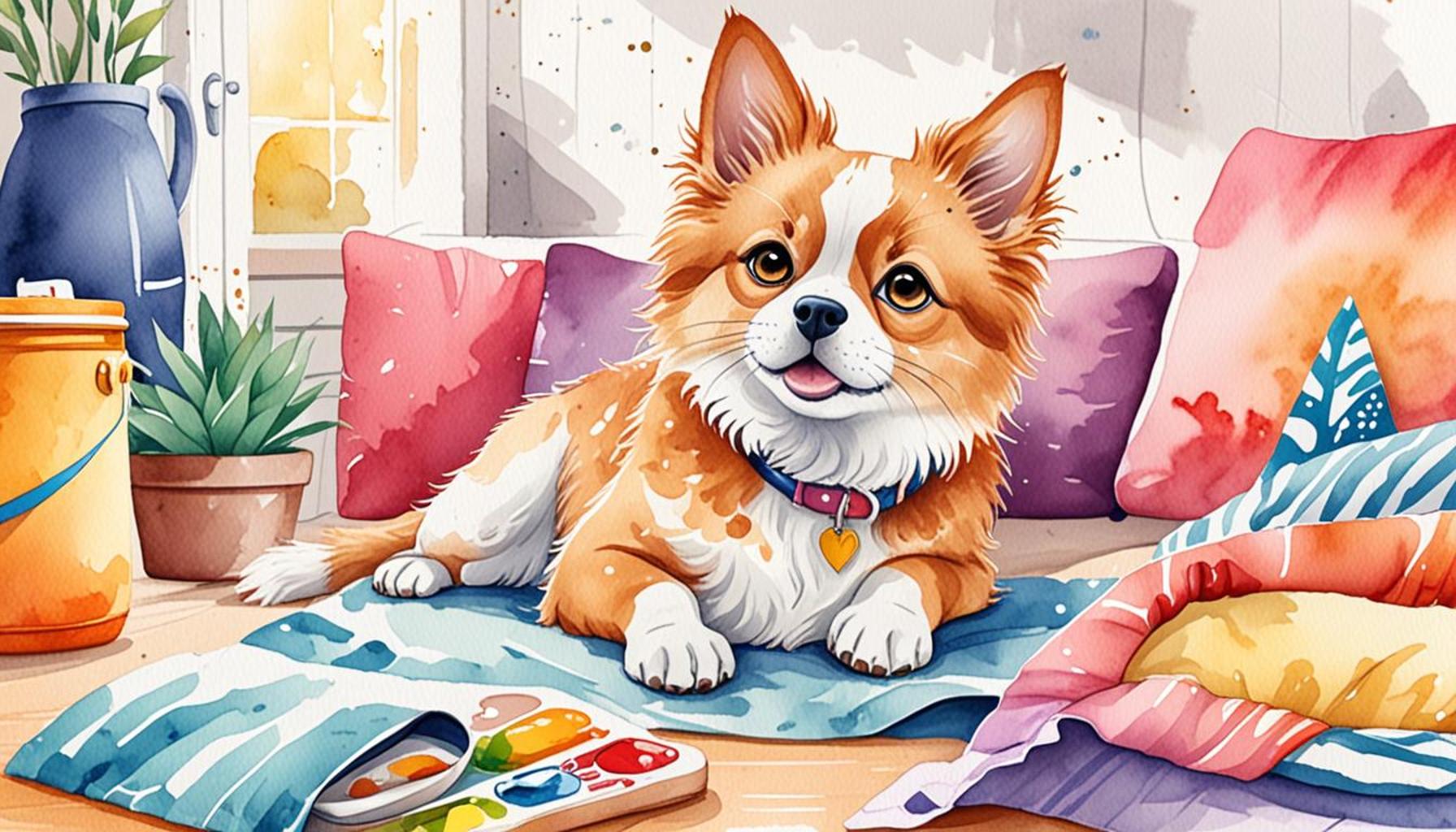
Creating a Safe and Comfortable Environment for Your Pet
Every pet owner wants to ensure that their furry friends are happy and healthy. A safe and comfortable environment is essential for your pet’s well-being. Whether you have a playful puppy, an inquisitive kitten, or a gentle rabbit, the right setup can make a significant difference. It can also prevent potential injuries and behavioral issues in the long run. Here’s a deeper look into how you can create an environment that promotes your pet’s happiness and health.
When thinking about safety, one of the first steps is to establish secure areas. Ensure that your home is free from hazards such as toxic plants like lilies and azaleas, which can be harmful to pets. Additionally, small objects like coins or batteries may be choking hazards, so it is vital to keep such items out of reach. Electrical cords should be managed properly, perhaps using cord covers, to prevent your pets from chewing on them. Set up a designated space for your pet where they can feel secure and retreat when feeling overwhelmed.
In addition to a secure area, creating comfort zones can greatly benefit your pet’s mental state. Providing cozy beds or soft blankets in sheltered corners of your home can make a significant difference. A warm spot by the window or a cushy pet bed will give your pet a place to relax and rest. Take into consideration their preferred sleeping positions—some pets love to snuggle while others prefer to stretch out. Consider using cat trees or pet ramps for easy access to their favorite lounging spots.
Maintaining a clean environment is also critical for your pet’s health. Regularly vacuuming and cleaning pet bedding can help reduce allergens and keep germs at bay. If you have a dog or cat that sheds, investing in a quality vacuum designed for pet hair can save you time and effort in cleaning. Ensure that all pet areas are dry and free from mold or mildew, providing a safe space where your pets can thrive.
Moreover, it’s crucial to acknowledge your pet’s social and emotional needs. Many pets flourish in environments that offer stimulation and companionship. This is where interactive toys come into play. Toys that challenge your pet mentally, like puzzle feeders or treat-dispensing toys, can keep them engaged for hours, preventing boredom that may lead to destructiveness.

Having safe play areas is essential for physical health, especially for high-energy breeds that require regular exercise. Indoor agility courses made from household items or outdoor spaces safe for play can significantly enhance their quality of life. It is also vital to supervise your pets as they interact, keeping playfulness safe and enjoyable.
Lastly, consider safe socialization practices. Gradually introducing pets to other animals and people can foster healthy relationships and reduce fear or aggression. Local dog parks or pet-friendly events can provide great opportunities for socialization, but always ensure the environment is suitable for your pet’s temperament.
By prioritizing these elements, you can foster a nurturing atmosphere that supports your pet’s physical and emotional health. Safe, comfortable, and stimulating environments not only enhance the quality of life but can also extend the years you share with your beloved pets. Intrigued about how to achieve this? Dive deeper into our detailed tips to enhance your pet’s living space while ensuring they feel secure, loved, and enriched.
LEARN MORE: Click here for insights
Essential Elements for a Pet-Friendly Home
When creating a safe and comfortable environment for your pet, it’s essential to consider multiple aspects of their living space. Every pet has unique needs, and understanding these will help you design an area that caters specifically to their well-being. Below are key elements to consider when crafting the ideal sanctuary for your furry friend:
1. Limit Access to Hazardous Areas
Pets are naturally curious, and while this trait is delightful, it can also lead to dangerous situations. To mitigate risks, consider the following:
- Secure Toxic Substances: Keep all cleaning supplies, medications, and chemicals in cabinets or on high shelves. Many common household items are toxic to pets, including chocolate, grapes, onions, and certain artificial sweeteners.
- Curate Your Plant Selection: If you love houseplants, make sure to select species that are non-toxic to pets. Some safe options include spider plants and Boston ferns, while others, like poinsettias and philodendrons, pose risks.
- Inspect Outdoor Spaces: If you have a yard, ensure it is enclosed safely with a fence and that any chemicals like pesticides or fertilizers are not accessible to pets. Additionally, check for toxic plants in your garden or around walkways.
2. Create Cozy Resting Places
A comfortable resting area is vital for your pet’s overall health and happiness. Different pets have varying preferences for where they like to sleep or relax. Consider providing:
- Various Bedding Options: Some pets prefer plush beds, while others may enjoy cool floor surfaces. Offering a variety of options can help them choose their comfort zone.
- Hiding Spaces: Many pets, especially cats, appreciate having a safe retreat. Consider investing in cat trees or enclosed beds that provide security while allowing them to observe their surroundings.
3. Establish Play Areas
Play is integral to a pet’s physical and mental well-being. Whether your pet enjoys zoomies or leisurely toy play, setting up designated areas can enhance their quality of life:
- Interactive Stations: Use a corner of your home to create an area filled with toys, scratching posts, or climbing structures. Keeping their playthings organized can help foster excitement and exploration.
- Safe Outdoor Access: If you have a fenced yard, ensure that it is clean and secure. Outdoor playtime is beneficial for both dogs and cats, as it encourages exercise and allows them to explore natural scents.
By incorporating these essential elements into your home, you can cultivate a space that not only keeps your pet safe but also promotes their comfort and happiness. Understanding your pet’s individual needs will allow you to tailor your approach further, leading to a nurturing environment where they can thrive.
| Category | Details |
|---|---|
| Safe Space | Establish a designated area for your pet to retreat and feel secure. |
| Comfort Amenities | Incorporate blankets, beds, and toys that promote relaxation and play. |
| Safety Measures | Remove hazardous materials such as toxic plants and chemicals. |
| Temperature Control | Ensure the environment is neither too hot nor too cold for your pet’s comfort. |
| Regular Check-ups | Routine veterinary visits are essential for detecting potential health issues. |
| Training Sessions | Consistency in training creates a respectful bond and a well-behaved pet. |
Ensuring a safe and comfortable environment for your pet not only enhances their well-being but also fosters a deeper bond between you and your furry friend. By implementing these tips, you create a space that encourages happiness and security, making your home a true sanctuary for them. Keeping safety at the forefront requires attention and dedication, but the rewards—an enjoyable and loving companionship—are immensely gratifying.
DISCOVER MORE: Click here to learn how to help pets find their forever homes
Enhancing Your Pet’s Environment with Smart Choices
Beyond the basics of a pet-friendly home, there are additional steps you can take to elevate your pet’s environment, ensuring that it is not only safe but also enriching. From thoughtful selections of furniture to creating sensory experiences, these elements contribute to your pet’s comfort and happiness.
4. Choose Pet-Friendly Furniture
The type of furniture you choose can significantly impact your pet’s safety and comfort. Opt for materials that can withstand wear and tear from your furry companions:
- Natural Fabrics: Select upholstery made of durable, machine-washable fabrics like canvas or microfiber. This choice is particularly insightful for homes with active dogs, as these materials are easier to clean and maintain.
- Pet-Safe Accessories: Avoid ornamental pieces that could pose choking hazards. Instead, incorporate pet-friendly options, such as scratch-resistant coffee tables or larger cushions that double as pet beds. This approach creates a seamless blend of aesthetics and functionality.
5. Ensure Proper Ventilation and Temperature Control
Just like humans, pets thrive in environments where they can be comfortable in terms of temperature and air quality:
- Climate Control: Invest in appropriate heating and cooling systems. Animals can be sensitive to extreme temperatures, so using fans, air conditioning, or heating pads can help maintain a comfortable environment.
- Fresh Air Flow: Regularly open windows or use air purifiers to enhance air quality. Keeping indoor air clean can help reduce allergies, benefiting both you and your pet.
6. Establish a Routine for Safety and Predictability
Pets appreciate having structure in their daily lives, making routine an essential aspect of their comfort:
- Feeding Schedule: Consistent feeding times not only ensure your pet receives proper nutrition but also fosters a sense of security. Consider using slow feeders for dogs and cats to promote healthy eating habits.
- Regular Exercise: Designate times for daily walks, play sessions, and outdoor activities. Physical activity helps reduce anxiety and keeps your pet mentally stimulated, making them a happier companion.
7. Create a Sensory Experience
A stimulating environment enhances quality of life for pets, promoting emotional well-being and reducing stress levels:
- Visual Elements: Position their bedding or resting spot in an area where they can enjoy a view of the outdoors. This allows them to watch birds or passersby, providing mental stimulation.
- Scented Environments: Certain scents, like lavender or chamomile, can have calming effects on pets. Consider using pet-safe diffusers or integrating these soothing aromas into your home. Additionally, using interactive toys that dispense treats can further engage your pet’s sense of smell and challenge their minds.
By implementing these strategies, you can transform your living space into a haven for your pet. The right furniture selections, temperature controls, routines, and sensory experiences contribute significantly to their overall quality of life. Tailoring your environment to your pet’s distinct preferences will help foster a safe, comfortable, and enriching lifestyle for your beloved companion.
DON’T MISS: Click here to learn more about exotic animal care
Conclusion: Prioritizing Your Pet’s Well-Being
Creating a safe and comfortable environment for your pet is a vital responsibility for any pet owner. By focusing on pet-friendly furniture, ensuring proper ventilation and temperature control, establishing a predictable routine, and enhancing their surroundings with stimulating experiences, you provide a nurturing space that caters to their needs.
The health and happiness of your pet directly influence their overall well-being and behavior. An environment that encourages exploration, relaxation, and interaction is not just a luxury; it’s essential. For instance, carefully selected furnishings and decor not only serve aesthetic purposes but also contribute to the safety of your beloved companion. Likewise, maintaining the right climate and cleanliness in your home can prevent health issues, making regular air quality checks and temperature regulation crucial components of your pet care regimen.
Moreover, routine alleviates anxiety and sets clear expectations for pets, which fosters a stronger bond between you and your furry friend. Establishing a structure around feeding, exercise, and playtime significantly enhances their comfort and emotional health. Lastly, integrating multi-sensory experiences in your home can further stimulate your pet’s mind, enhancing their quality of life in ways you may not have imagined.
Ultimately, investing time and resources into creating a secure and enriching environment not only results in a happier pet but also enriches your life with the joy and companionship they bring. As you embark on this rewarding journey, remember that every small step counts toward fostering a fulfilling life for your cherished animal companion.
Related posts:
How to Choose the Ideal Toy to Stimulate Your Pet's Mind
How Environmental Stress Affects the Health of Pets
How to Identify and Treat Common Behavior Problems in Dogs and Cats
The Importance of Preventing Common Diseases in Pets: Vaccination and Regular Check-ups
Tips for Choosing the Ideal Veterinarian for Your Pet
The Importance of a Balanced Diet for Pet Health

Linda Carter is a writer and pet care expert specializing in pet health, grooming, and wellness. With extensive experience helping pet owners create safe, loving, and enriching environments for their animals, Linda shares her knowledge on our platform. Her goal is to empower readers with practical advice and strategies to ensure their pets thrive and lead joyful, healthy lives.