The Importance of Regular Physical Activity for the Mental and Physical Health of Pets

Understanding the Benefits of Physical Activity for Pets
Regular physical activity is not just beneficial; it is essential for the overall well-being of our pets. The impacts of exercise extend beyond just physical appearance; they influence physical health, mental wellness, and social behavior. Studies reveal that active pets tend to be healthier, happier, and more socially engaged. This makes it crucial for pet owners to grasp the wide-ranging effects of exercise on their furry companions.
Enhanced Physical Health
One of the most significant benefits of regular physical activity is improved physical health. Just like humans, pets benefit from a healthy heart, optimal digestion, and maintained weight. Engaging in consistent exercise helps reduce the risk of weight-related conditions such as obesity, diabetes, and joint issues. The Association for Pet Obesity Prevention indicates that over 50% of dogs and cats in the United States are classified as overweight or obese. This disturbing trend can lead to serious health issues, making regular exercise a crucial component of pet care.
Mental Stimulation
Physical activity also provides mental stimulation, which is especially important for dogs and cats that might otherwise spend long periods indoors. Activities like fetching a ball, going for walks, or engaging in interactive play with toys all tap into their natural instincts and reduce boredom. For instance, a simple game of “hide and seek” with their favorite toy can encourage your dog to use their sense of smell and problem-solving skills. Mental engagement is essential for preventing cognitive decline as pets age, ensuring they remain sharp and alert.
Behavioral Benefits
Additionally, regular exercise has profound behavioral benefits. Pet owners often notice a reduction in anxiety levels, aggression, and destructive behaviors in pets that regularly partake in physical activities. For example, dogs that receive daily exercise are less likely to chew on furniture or bark excessively when left alone. In many cases, positive changes in behavior come from the simple act of providing structure and routine through daily exercise.
In today’s fast-paced world, many pets face challenges like obesity and anxiety-related issues. By prioritizing physical activity, pet owners can help combat these concerns effectively. A commitment to maintaining a pet’s routine with regular walks, interactive playtime, and agility exercises offers a profoundly positive impact.
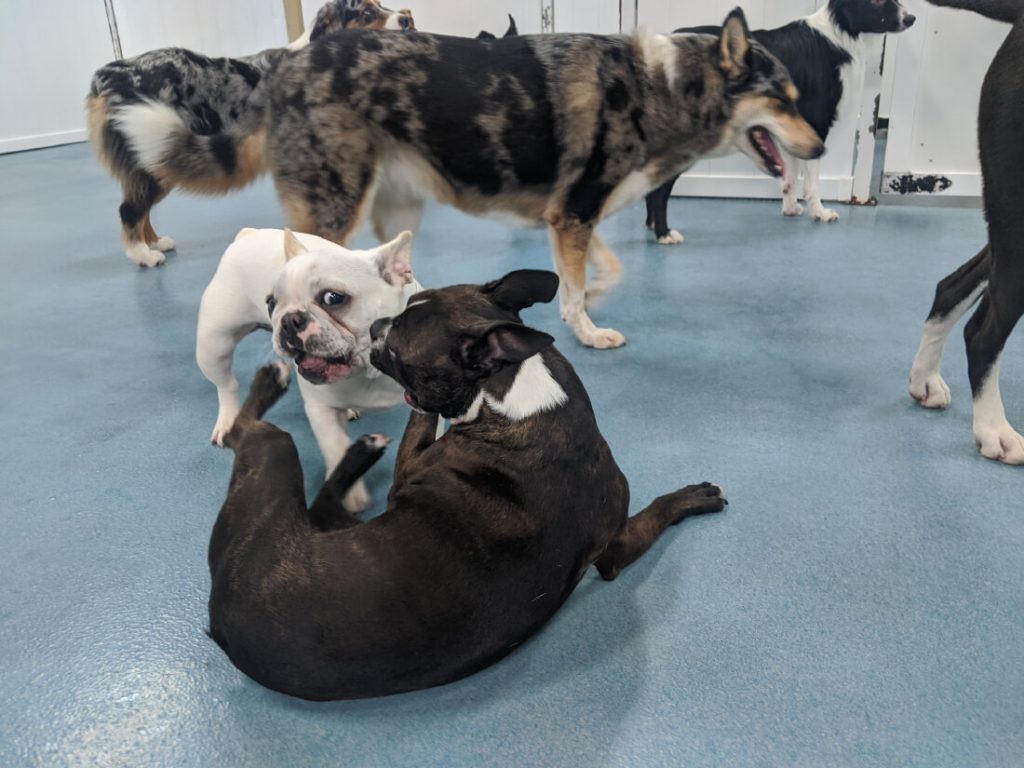
As devoted pet owners, we hold the key to a healthier lifestyle for our beloved companions. Engaging in daily exercise can significantly enhance their mental and physical health, setting the foundation for a happy and long life. Dive deeper into the captivating world of pet fitness and discover accessible practices that can maintain your furry friend’s fitness regime. It’s not just about the activity; it’s about the bond it fosters between you and your pet, paving the way for enjoyable interactions and enriched experiences.
DON’T MISS: Click here to learn how to tailor your pet’s diet
The Impact of Physical Activity on Pet Longevity and Quality of Life
When we consider the importance of regular physical activity for pets, it’s crucial to acknowledge its role in extending lifespan and enhancing the quality of life. Research has consistently shown that pets who engage in regular exercise not only experience an improvement in their physical health but also enjoy a more fulfilling existence. For example, a study from the American Animal Hospital Association reveals that dogs who are regularly walked have a significantly higher chance of living longer, healthier lives compared to those who lead sedentary lifestyles.
The Link Between Exercise and Longevity
The correlation between physical activity and longevity is evident in various species of pets. Routine exercise helps maintain cardiovascular health, aids in weight management, and supports muscle strength and flexibility. Here are several ways in which regular physical activity can directly contribute to a pet’s longevity:
- Weight Management: Maintaining a healthy weight prevents serious health issues such as heart disease and arthritis.
- Cardiovascular Health: Just like in humans, exercising can strengthen the heart, reducing the risk of heart-related diseases.
- Enhanced Mobility: Regular movement keeps joints flexible, helping pets maintain active lifestyles well into their senior years.
- Reduced Risk of Certain Cancers: Engaging in regular activity has been linked to a lower risk of developing certain types of cancer, enhancing overall health.
Emotional and Social Advantages
Beyond physical benefits, the emotional and social repercussions of regular exercise are equally significant. Pets, particularly dogs, are social creatures that thrive on interaction. Regular outings provide opportunities for them to engage with their environment and interact with other pets and people. This social stimulation is vital for pets, as it develops their social skills and can mitigate behavioral problems that stem from boredom or lack of interaction.
For instance, outdoor excursions not only allow dogs and cats to explore their surroundings but also expose them to various sounds, sights, and smells, which can significantly enrich their lives. Furthermore, such interactions can boost their confidence and reduce fearfulness, particularly in dogs who may be prone to anxiety in unfamiliar situations. A simple walk in the park or participation in local pet-friendly events can mark a profound difference in your pet’s emotional health.
In conclusion, regular physical activity stands as a critical pillar in enhancing both the physical and mental health of pets. By ensuring our furry friends engage in routine exercise, we support their overall well-being, extend their lifespans, and provide a more enjoyable life filled with adventure and companionship. As pet owners, we have the power to unlock new potential within our pets by committing to their fitness and fostering an active lifestyle.
| Advantage | Description |
|---|---|
| Enhances Mental Stimulation | Regular physical activity engages your pet’s mind, preventing boredom and destructive behaviors. |
| Strengthens the Bond | Participating in physical activities together fosters strong relationships between pets and their owners. |
| Promotes Healthy Aging | Keeping pets active is crucial for longevity and vitality, helping to combat age-related issues. |
| Reduces Stress and Anxiety | Exercise releases endorphins, which help in alleviating stress, leading to a happier pet. |
DIVE DEEPER: Click here to learn how to incorporate clicker training into your pet’s routine
The Role of Exercise in Behavioral Health and Mental Stimulation
In addition to physical health, regular physical activity plays a pivotal role in the behavioral and mental well-being of pets. A well-exercised pet is often a happier pet, and the benefits of incorporating consistent activity into their routines extend far beyond mere physical fitness.
Combating Behavioral Issues Through Activity
Many pet owners unknowingly overlook that physical inactivity can lead to behavioral problems in pets. Dogs, in particular, are prone to issues such as hyperactivity, destructive behavior, and aggression when they lack an adequate outlet for their energy. Regular exercise comes in the form of walks, runs, or playtime, which can significantly alleviate these challenges. For instance, a study published in the journal Applied Animal Behaviour Science found a direct link between exercise frequency and the reduction of anxiety-related behaviors in dogs.
Another important factor to consider is the breed-specific exercise needs that many pets possess. High-energy breeds like Border Collies and Jack Russell Terriers require significantly more activity compared to their lower-energy counterparts such as bulldogs. Understanding these requirements not only fosters a healthier lifestyle but also prevents boredom and the associated behavioral issues that can arise from it.
Enhancing Cognitive Function Through Mental Stimulation
It’s also worth noting that physical activity can serve as a catalyst for mental stimulation. Engaging pets in various physical activities, especially those that involve problem-solving or skill-building, can enhance cognitive functions. Activities like agility training or scent work are perfect examples that stimulate both body and mind, promoting an overall healthy lifestyle.
Interactive play, such as fetch or frisbee, offers not just exercise but also serves as a bonding experience that reinforces mutual trust and communication. By incorporating tasks that challenge a pet’s mind during physical exercise, pet owners can contribute to their pets’ cognitive longevity. Research has indicated that mentally stimulated pets tend to exhibit fewer signs of cognitive decline as they age.
The Positive Effects of Outdoor Exploration
Outdoor exploration is another facet of physical activity that’s invaluable to pets. Time spent in nature not only fulfills their exercise needs but also provides a multitude of sensory experiences that can enhance their emotional states. For example, the act of sniffing new scents during a hike or interacting with varied terrains contributes greatly to their overall stimulation. Additionally, according to a study from the University of Utah, pets that regularly experience nature engage in behaviors that indicate reduced stress levels and improved mood.
Moreover, exposure to the great outdoors can encourage curiosity and intelligence in pets. Activities that involve different stimuli—such as meeting new people and animals, or interacting with different objects—can foster adaptability and confidence in various settings. Whether it’s a trip through a dog park or a scenic hike, getting out and about can break the monotony of home life, significantly enriching a pet’s day-to-day experiences.
In light of these insights, it is evident that dedicated periods of physical activity are not merely beneficial for pets—they are essential for ensuring their emotional resilience and behavioral stability. Pet owners should take proactive steps to incorporate a variety of exercise regimes that stimulate both body and mind, ultimately leading to happier, healthier companions.
LEARN MORE: Click here to discover the significance of socialization for your puppy
Final Thoughts on the Role of Physical Activity for Pets
In summary, the significance of regular physical activity for the mental and physical health of pets cannot be overstated. Exercise is not merely an option but a crucial component of a holistic approach to pet care. By understanding and meeting the specific activity needs of our companions—whether through daily walks, engaging play sessions, or stimulating outdoor adventures—owners can foster healthier, more balanced lifestyles.
Moreover, the benefits of consistent activity extend well beyond physical fitness. The connection between exercise and improved behavioral health is profound, with research consistently highlighting the reduction of anxiety, hyperactivity, and destructive behaviors in animals that receive adequate exercise. This not only enhances their well-being but also strengthens the bond between pets and their owners, as engaging in activities together fosters trust and communication.
As we navigate the challenges of pet ownership, it is essential to embrace the full spectrum of what exercise can offer. Not only does it contribute to a pet’s physical vitality but also to their mental agility and emotional resilience. Engaging them in mentally stimulating activities can pave the way for a more harmonious household, while outdoor exploration offers unique experiences that enrich their lives.
Ultimately, responsible pet ownership entails a commitment to ensuring that our furry friends maintain a lifestyle that is active and fulfilling. By prioritizing their exercise needs, we not only enhance their health and longevity but also invite a deeper appreciation for the joys of companionship in return. The right balance of physical and mental activity can transform our pets into healthier, happier partners in life.
Related posts:
The Importance of Preventing Common Diseases in Pets: Vaccination and Regular Check-ups
How to Deal with Separation Anxiety in Dogs and Cats
The Importance of Environmental Enrichment for Pets' Well-Being
Special Care for Senior Pets: Adapting the Environment and Routine for Well-Being
The Importance of Interactive Socialization for Developing Social Skills in Puppies
The Influence of Daily Routine on the Emotional and Physical Health of Pets

Linda Carter is a writer and pet care expert specializing in pet health, grooming, and wellness. With extensive experience helping pet owners create safe, loving, and enriching environments for their animals, Linda shares her knowledge on our platform. Her goal is to empower readers with practical advice and strategies to ensure their pets thrive and lead joyful, healthy lives.