The Importance of Preventing Common Diseases in Pets: Vaccination and Regular Check-ups
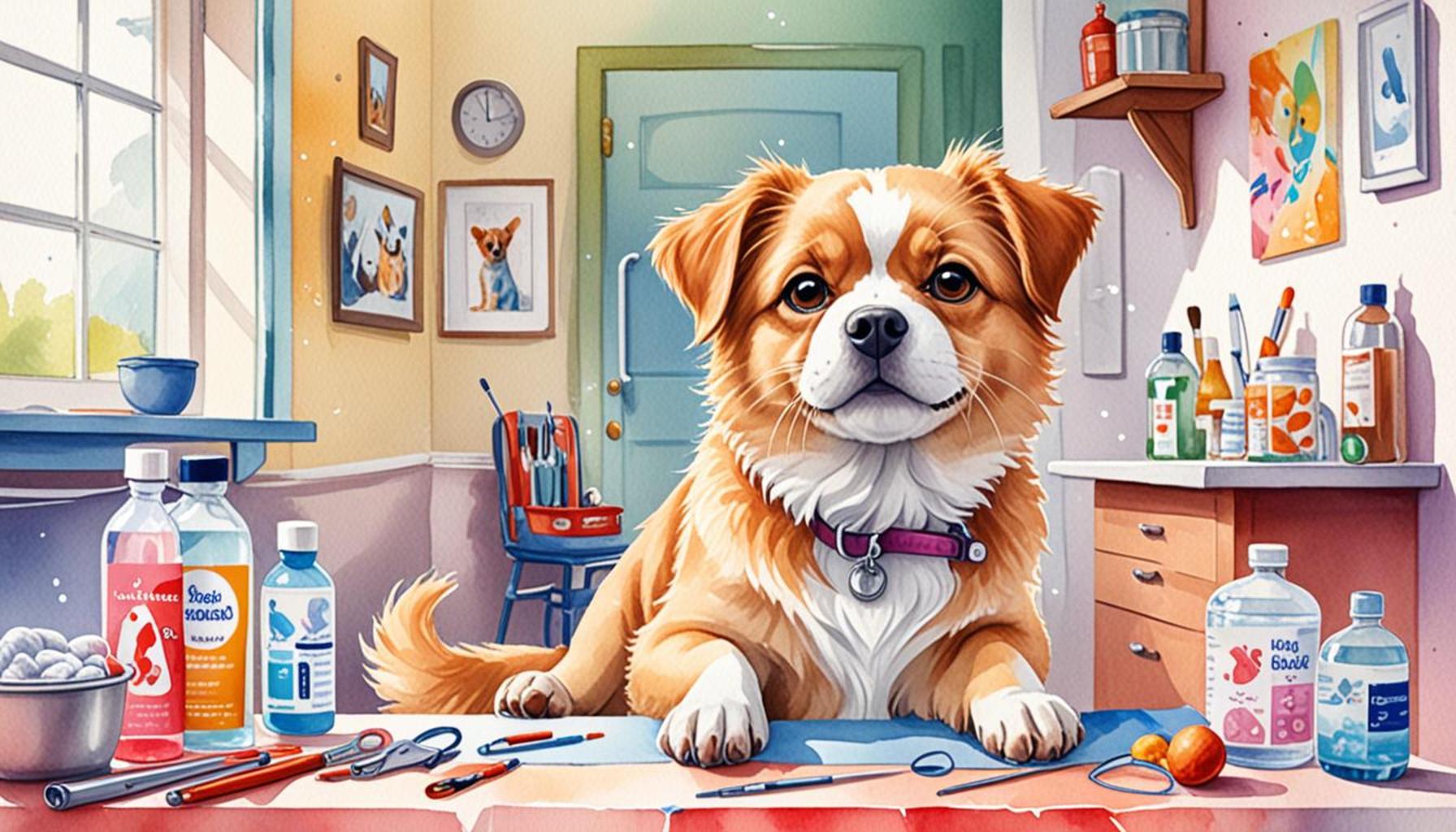
The Importance of Pet Health Care
Every pet owner desires a joyful and healthy companion, but achieving this means going beyond just providing affection and care. Preventing common diseases in pets is crucial, as it can dramatically improve their overall quality of life. With a variety of potential health issues that pets may face, awareness and proactive measures are essential.
Key Components of Pet Health Care
Vaccinations and regular health check-ups play a pivotal role in maintaining your pet’s wellbeing. A comprehensive healthcare routine not only protects your furry friend but also provides peace of mind for pet owners. Here are some compelling reasons why prioritizing these elements is vital:
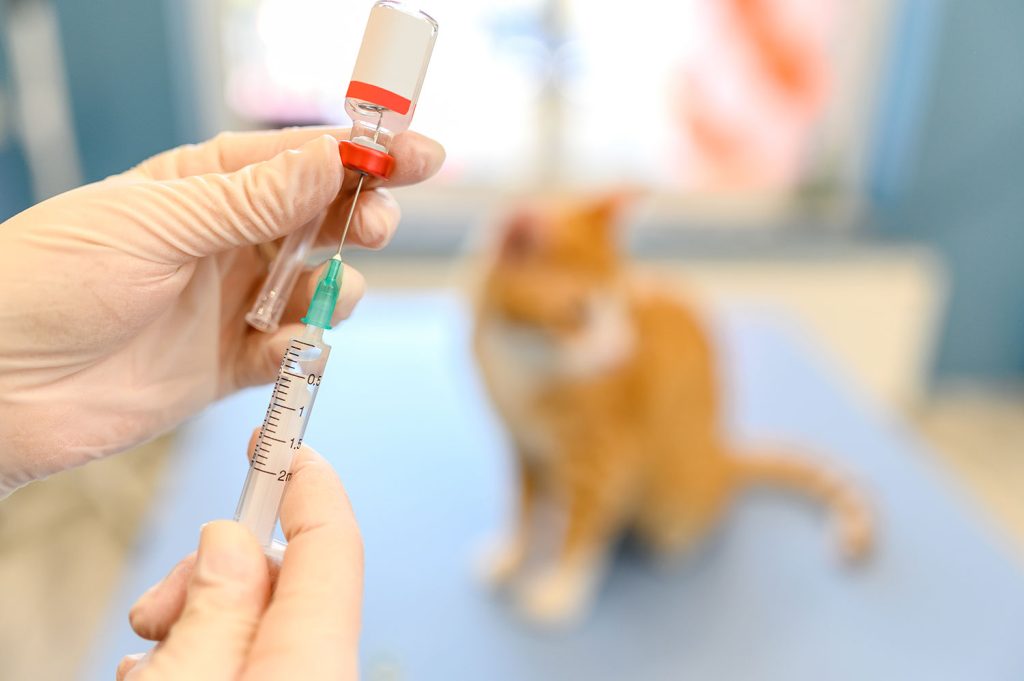
- Protection Against Diseases: Vaccinations are a critical defense mechanism for pets. For instance, vaccines can shield them from severe illnesses such as parvovirus and distemper, which are particularly prevalent in young animals. Rabies, a fatal disease that also poses a risk to humans, underscores the importance of keeping your pet’s vaccinations current.
- Early Detection of Health Issues: Routine visits to the veterinarian serve as a proactive approach to your pet’s health. These check-ups allow for early detection of potential problems, such as dental disease or heart issues. This early intervention can prevent minor ailments from escalating into serious health crises, saving both the pet’s and the owner’s time and stress.
- Improved Lifespan: Studies consistently show that pets receiving routine veterinary care tend to live longer, healthier lives. Regular preventive care can lead to several additional years of companionship, enabling pet owners to enjoy more time with their beloved animals. Ensuring your pet receives the recommended vaccinations and regular examinations is not just a short-term investment; it’s a long-term commitment to their health.
Empowering Pet Owners with Knowledge
Pet owners in the United States have the responsibility to stay informed about their pets’ health needs. By understanding the importance of comprehensive healthcare strategies, including vaccinations and check-ups, owners can make informed decisions that will positively affect their pet’s lives. Resources such as the American Veterinary Medical Association (AVMA) and local veterinary clinics often provide valuable insights into the best care practices.
Embracing Advances in Veterinary Medicine
In an ever-evolving landscape of veterinary medicine, continuous advancements in diagnostic tools and treatment methodologies are emerging. For example, innovations in telemedicine allow pet owners to consult with veterinarians from home, making healthcare access easier. Staying curious and committed to education regarding pet health care can significantly enhance your ability to protect your beloved companions.
Ultimately, the choice to invest in preventive healthcare for pets is a decision driven by love. Take the time to ensure your companion is not just living, but thriving. Stay informed, stay proactive, and watch your four-legged friend enjoy a happy and healthy life.
DISCOVER MORE: Click here for effective marketing strategies
The Essential Role of Vaccinations
When it comes to preventing common diseases in pets, vaccinations stand out as one of the most effective strategies that every responsible pet owner should embrace. Vaccines work by stimulating the pet’s immune system, helping it recognize and combat specific pathogens. This is particularly important given the alarming statistics surrounding pet illnesses; diseases that were once considered eradicated are making a resurgence due to a lack of vaccination compliance. In fact, according to the American Veterinary Medical Association (AVMA), vaccine-preventable diseases in pets can lead to significant morbidity and sometimes mortality, making regular vaccinations non-negotiable.
Understanding Vaccination Schedules
Every pet has unique vaccination needs based on factors such as their age, breed, lifestyle, and health status. Generally, puppies and kittens receive their first set of vaccinations between six to eight weeks of age, with additional doses given every three to four weeks until about 16 weeks old. Adult pets require booster shots to maintain their immunity over time. Some of the core vaccinations for dogs and cats include:
- Canine Parvovirus: This highly contagious virus can lead to severe gastrointestinal distress and dehydration, often resulting in death.
- Distemper: Another serious disease in dogs, distemper affects respiratory and neurological systems, and no treatment exists once symptoms appear.
- Feline Leukemia: For cats, this viral infection can cause a range of health issues and is one of the leading causes of feline death.
- Rabies: A fatal disease that affects both pets and humans, rabies vaccination is not only crucial for pet health but also a requirement by law in many states.
Understanding your pet’s vaccination schedule is therefore paramount. Engaging with your veterinarian can help establish an appropriate routine that addresses the specific risks your pet faces. This collaboration will identify potential exposure to diseases based on lifestyle, such as visits to dog parks or grooming facilities, where the risk of contagion is higher.
Regular Veterinary Check-ups: A Key Component
While vaccinations are vital, they should not be seen as standalone solutions. Regular veterinary check-ups complement vaccination efforts by allowing for comprehensive assessments of your pet’s health. These visits offer an opportunity to monitor your pet’s weight, dental health, coat condition, and overall temperament—factors that can indicate developing health issues. Moreover, a veterinarian’s trained eye can catch subtle changes you might miss.
During these appointments, your veterinarian may conduct various tests and screenings, such as:
- Blood tests: To evaluate organ functions and detect underlying conditions, such as diabetes or kidney disease.
- Urinalysis: Helps diagnose urinary tract infections or other urinary health issues.
- Fecal exams: Important for detecting parasites that could affect your pet’s health as well as your family.
Establishing a routine of veterinary visits twice a year can help ensure your pet receives the necessary preventive care, allowing for early intervention should any potential problems arise. With a dedicated approach to health care, your furry companion is more likely to lead a longer, healthier life.
| Prevention Method | Importance |
|---|---|
| Vaccination | Critical in protecting against fatal diseases such as rabies and parvovirus, by stimulating the immune response. |
| Regular Check-ups | Allows early detection of potential health issues, ensuring timely treatment and better outcomes for pets. |
Vaccination is vital in the journey of a pet’s health. By administering vaccines, pet owners can significantly reduce the risk of outbreaks in the community and safeguard their furry companions from life-threatening illnesses. Each vaccine has specific timelines and intervals according to the pet’s age, breed, and health status, making consultation with a veterinarian essential for optimal protection.Moreover, regular check-ups are equally important. They provide an opportunity for veterinarians to not only conduct physical examinations but also diagnose conditions before they become severe. These check-ups often include dental health assessments and nutrition evaluations, allowing owners to maintain their pets’ wellbeing holistically. The combination of vaccinations and routine health screenings forms a robust defense against common diseases, enhancing the quality of life for pets and fostering a long, happy existence. By understanding the significance of these preventive measures, pet owners can contribute to the overall health of their pets and the wider pet community. It’s critical to embrace a proactive approach towards pet healthcare to diminish the risks associated with preventable diseases. This knowledge not only protects individual pets but also fosters a healthier environment for all pets in society.
DON’T MISS: Click here to prepare your home for a furry friend
The Crucial Benefits of Preventive Care
Preventing common diseases in pets is not limited to just vaccinations; preventive care plays an integral role in maintaining your pet’s overall health. In veterinary medicine, prevention is often heralded as the best medicine, which emphasizes the importance of proactive measures over reactive ones. By investing time and resources into preventive care, pet owners not only protect their beloved companions but also minimize potential healthcare costs in the long run.
The Financial Implications of Preventive Care
Many pet owners may consider veterinary expenses associated with vaccines and regular check-ups to be burdensome. However, it is important to recognize that preventive care can save money over time. According to a study conducted by the American Animal Hospital Association (AAHA), an overwhelming amount of money spent on veterinary treatments comes from emergency care that could have been avoided through routine check-ups and vaccinations. These unexpected medical emergencies can often lead to more severe health conditions, creating scenarios where treatments become more invasive and expensive.
For instance, a minor dental issue, if neglected, can escalate into significant periodontal disease requiring extraction and even surgeries. By scheduling regular dental evaluations and cleanings, pet owners can help mitigate these long-term costs and ensure their pet’s well-being.
Behavioral Insights and Early Detection
Regular veterinary visits also allow for observation of your pet’s behavioral changes that may indicate underlying health problems. Animals cannot verbally express their discomfort, which makes it vital for owners to be attentive. During check-ups, veterinarians can assess your pet’s behavior, noting any shifts that might suggest issues such as pain or anxiety. For example, a sudden surge in a dog’s aggression or a cat’s hiding could signify illness, requiring prompt intervention.
Through comprehensive physical evaluations and behavioral insights, veterinarians can inform pet owners of potential health risks, thus paving the way for early intervention. Early detection can significantly improve treatment outcomes, allowing pets to recover quicker and return to their normal, happy selves.
The Relationship between Pet Care and Human Health
Moreover, the care of pets is increasingly being linked to public health. Preventing diseases in pets can contribute to overall community health by lowering the risk of zoonotic diseases—those that can be transmitted from animals to humans. Vaccinating pets against diseases like rabies not only protects the pet but also safeguards human populations from outbreaks. A study from the Centers for Disease Control and Prevention (CDC) highlights that vaccination efforts for pets help mitigate the spread of rabies, emphasizing the interconnectedness of human and pet health.
Pet owners should also consider the immunization of their pets in the larger context of community well-being. A significant number of unvaccinated pets can contribute to higher populations of infectious diseases, affecting both animal and human welfare in the neighborhood.
By embracing comprehensive preventive care that includes regular vaccinations and check-ups, pet owners are ultimately playing a vital role in creating healthier living environments. It is more than just an investment in your own pet’s health; it is a solid commitment to the collective health of both animal and human populations alike.
DIVE DEEPER: Click here to uncover the benefits and challenges
Conclusion
In conclusion, the importance of preventing common diseases in pets cannot be overstated. Vaccination and regular check-ups are not just routine tasks but essential commitments that every pet owner should prioritize to ensure the health and happiness of their furry companions. Studies have shown that preventive care is significantly less costly than emergency treatments arising from preventable diseases, reinforcing the idea that investing in your pet’s health upfront can lead to substantial savings and improved well-being.
Additionally, the potential for early detection of health issues during these veterinary visits can enhance treatment outcomes, allowing for quicker recovery and a better quality of life for pets. Beyond individual well-being, the health of pets is intricately linked to that of humans, with vaccination helping to curb zoonotic diseases that pose risks to public health.
As we embrace proactive measures in pet care, it is crucial to remember that a healthy pet contributes to a healthier community. Ensuring that pets are adequately vaccinated not only protects them but also plays a role in safeguarding peers and humans from disease outbreaks. Therefore, let us all commit to being proactive pet owners, recognizing that every check-up is a step toward promoting the health of our pets and the well-being of our communities.
Now is the time to prioritize preventive care; your pet’s future and the health of those around you depend on it.
Related posts:
The Importance of Proper Nutrition for Your Pets Health
Trends in Pet Accessories and Fashion: Comfort and Style
How Sensory Enrichment Can Improve Pets' Quality of Life
Create a Safe Comfortable Pet Environment Essential Tips Advice
Tips for Creating a Safe and Comfortable Environment for Your Pet
Special Care for Senior Pets: Adapting the Environment and Routine for Well-Being

Linda Carter is a writer and pet care expert specializing in pet health, grooming, and wellness. With extensive experience helping pet owners create safe, loving, and enriching environments for their animals, Linda shares her knowledge on our platform. Her goal is to empower readers with practical advice and strategies to ensure their pets thrive and lead joyful, healthy lives.