Comparison between Natural and Industrialized Food: What is Better for Your Pet?
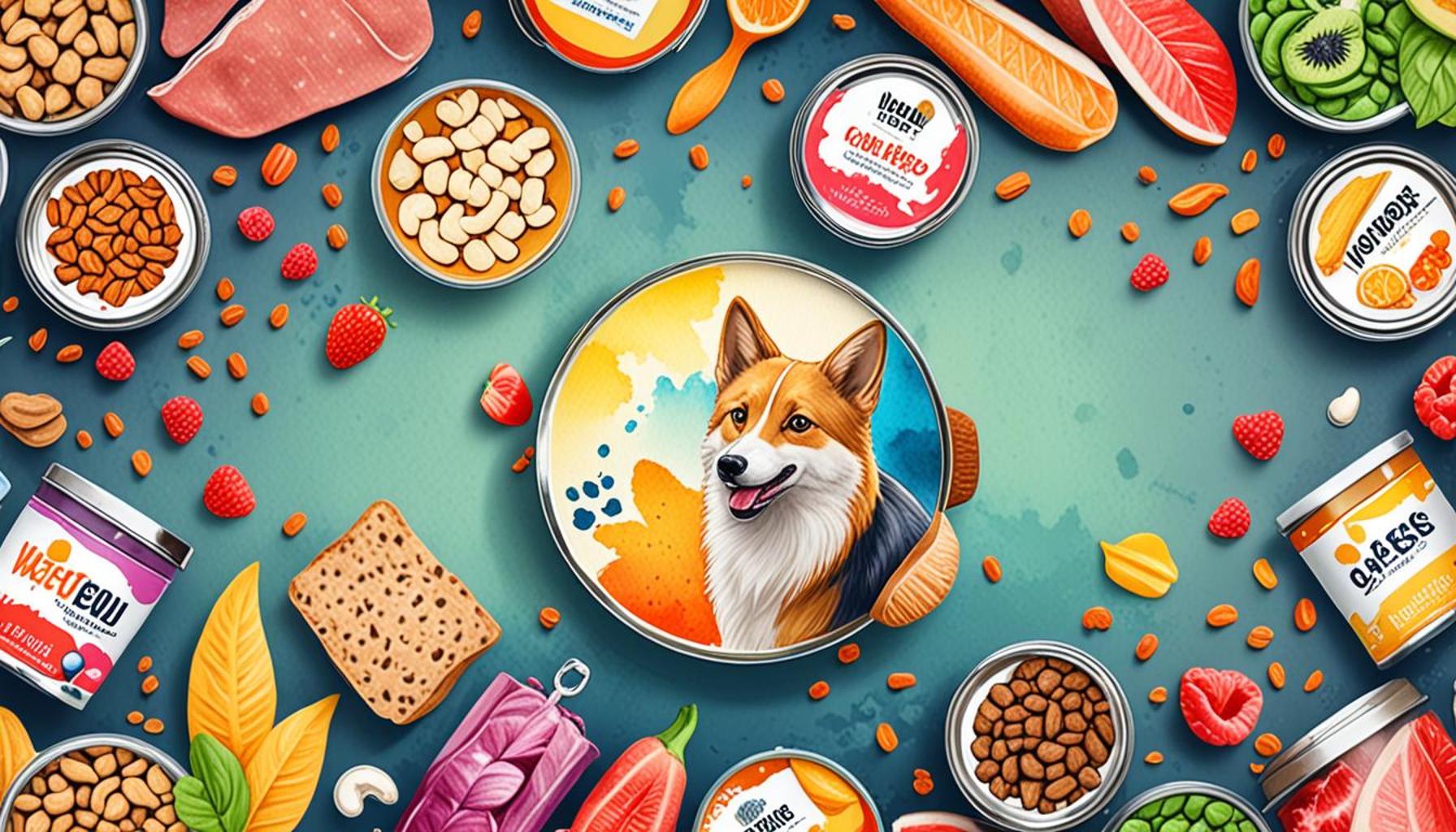
The Dichotomy of Natural and Industrialized Pet Foods
In response to growing awareness about pet health, pet owners are now more diligent than ever in selecting diets that best cater to their animal companions. With the pet food market booming, a significant trend has emerged: the differentiation between natural and industrialized food. Understanding the nuances of these categories is essential for pet parents aiming to prioritize the health and longevity of their beloved animals.
Natural pet food is often lauded for its commitment to quality ingredients. Such products typically contain:
- Real meat and organic grains: These ingredients ensure a high-quality source of protein and essential nutrients. Options like chicken, beef, and fish feature prominently, often sourced from trusted farms.
- Vegetables and fruits free from preservatives: Ingredients like carrots, peas, and blueberries are not only rich in vitamins but also provide antioxidants that contribute to overall health.
- No artificial colors or flavors: This means that the aesthetic appeal of the food is derived from its natural ingredients, promoting a cleaner diet for pets.
Conversely, industrialized pet foods hold a firm place in a fast-paced society where convenience and affordability tend to rule consumer choices. These products typically offer:
- Cost-effectiveness and convenience: Large brands often produce food at a lower price point due to bulk manufacturing, making it accessible for various budgets.
- Longer shelf life: Adding preservatives gives these foods an extended usability period, making them appealing for owners who prefer to buy in bulk.
- Variety in flavors and formulations: With many flavors available, pet owners can cater to their pets’ tastes, from chicken to seafood, ensuring meal times remain interesting.
In a survey revealing that nearly 70% of pet owners in the United States prioritize nutrition, the implications are clear: making informed decisions about pet food isn’t merely a trend—it’s a necessity. Snacks like chicken jerky and organic kibble have gained traction among discerning pet owners, shifting the focus towards a more natural lifestyle for pets.
As you navigate this landscape, consider your pet’s specific dietary needs, lifestyle, and any health concerns they may have. Pet obesity, for instance, is a serious issue affecting over 50% of dogs and cats in America, often linked back to improper nutrition choices. Therefore, digging into the details of what each food offers or lacks can play a significant role in your furry friend’s well-being.
This exploration into the different types of pet foods will help you weigh the pros and cons of each choice. Ultimately, understanding how various ingredients impact your pet’s health can guide you toward making the most beneficial decisions for your furry companion’s diet.
LEARN MORE: Click here for insights on treating your pets’ behavior issues
The Nutritional Breakdown: What’s Inside Your Pet’s Food?
To make an informed choice about your pet’s nutrition, it’s imperative to understand the fundamental differences in composition between natural and industrialized pet foods. These differences can have a profound impact on your pet’s health, contributing to everything from energy levels to coat quality, and even long-term wellness. Here’s a closer look at the specific ingredients found in each category.
Natural Pet Foods: The Power of Pure Ingredients
Natural pet foods emphasize whole, minimally processed ingredients. When selecting a natural option, consider the following key components:
- High-quality proteins: Natural pet foods often boast protein sources from pasture-raised animals or fish caught in the wild. These proteins are essential for muscle development and overall vitality.
- Fruits and vegetables as nutrients: Ingredients such as sweet potatoes, blueberries, and spinach not only offer essential vitamins and minerals but also provide dietary fiber that supports digestion and gut health.
- Healthy fats from natural sources: Oils derived from fish or flaxseed help maintain a glossy coat, support brain health, and provide necessary energy.
Moreover, natural pet foods are usually free from artificial additives, which can be harmful to pets, particularly those with allergies or sensitivities.
Industrialized Pet Foods: The Price of Convenience
While industrialized pet foods provide convenience and variety, they come with their own characteristics to consider:
- By-products and fillers: Many industrialized brands utilize meat by-products and grains as fillers. These ingredients are often less expensive and can lack the nutritional density found in higher-quality natural options.
- Preservatives and artificial additives: To extend shelf life, these foods commonly contain preservatives such as BHA, BHT, and ethoxyquin, which have been linked to health concerns in both pets and humans.
- Highly processed ingredients: The highly refined processes used in industrialized food often strip away beneficial nutrients, leading to a need for added vitamins and minerals to meet basic nutritional standards.
While the affordability and convenience of industrialized pet food can be appealing to busy pet owners, it’s essential to question whether the savings may come at the cost of your pet’s long-term health.
As you explore these distinctions, take into account your pet’s individual needs, including their age, activity level, and any specific health conditions. Transitioning to a high-quality natural diet may initially require a higher investment, but the potential benefits—like improved energy, weight management, and reduced veterinary bills—often outweigh the initial cost. Understanding what goes into your pet’s food can empower you to make choices that not only nourish but also enhance their quality of life.
| Natural Food | Industrialized Food |
|---|---|
| Whole Ingredients | Convenience |
| Natural food often contains whole, unprocessed ingredients, which can lead to improved digestion and absorption of nutrients for your pet. | Industrialized food provides a level of convenience, allowing pet owners to easily store and serve meals without prep time. |
| Freshness in natural foods can contribute to a healthier and more vibrant life for pets by using less preservatives. | On the other hand, industrialized food often utilizes preservatives and additives to prolong shelf-life, which may pose health risks long-term. |
When considering the impact of diet on pet health, the debate between natural and industrialized food intensifies. Natural foods, offering whole ingredients, promise a more wholesome diet that can enhance your pet’s overall vitality. In contrast, the convenience of industrialized options can simplify mealtime routines for busy pet owners. Understanding these distinctions is pivotal in tailoring the best nutritional approach for your beloved companion. This evolving dialogue continuously prompts pet owners to delve deeper into ingredient labels, nutritional facts, and production practices, keenly aware that what they choose now may influence their pet’s future well-being. As you explore these options, consider how each can uniquely affect your pet’s health journey.
DISCOVER MORE: Click here to enhance your pet’s life
Long-term Health Implications: The Impact on Longevity and Quality of Life
When evaluating the health benefits of natural versus industrialized pet foods, one must consider not only the immediate nutritional value but also the long-term effects on pets’ overall health and lifespan. Various studies indicate that the diet of a pet can greatly influence susceptibility to common diseases, joint health, and even behavioral issues.
The Link Between Diet and Health Conditions
Research has shown a significant correlation between diet and the onset of chronic health issues in pets. For example, pets fed with industrialized foods often display a higher incidence of obesity, diabetes, and allergies. According to a 2020 study from the Association for Veterinary Nutrition, nearly 60% of pet obesity cases in the U.S. are attributed to diets rich in low-quality fillers and excess carbohydrates. These findings suggest that the heavy reliance on grains and by-products in industrialized foods can lead to unbalanced nutrition, resulting in excess weight and related complications.
Nutritional Stability vs. Nutritional Value
One of the selling points of industrialized pet foods is their stability and convenience, as they have a longer shelf life compared to natural alternatives. However, the question of nutritional value remains crucial. While industrialized foods may maintain a standard nutritional profile on the label, those profiles can be misleading due to the use of synthetic vitamins and minerals added post-processing. This is particularly troubling for pet owners who prioritize balanced diets for their furry friends. On the other hand, natural pet foods often offer direct access to nutrients that are more bioavailable and thus more beneficial for pets. Ingredients like whole meat and fresh vegetables provide a nutrient-dense profile that contributes positively to health.
Pet Preferences and Palatability
An often-overlooked aspect of pet diet is palatability. Pets tend to gravitate toward the flavors and textures of natural foods, which can enhance not only their eating experience but also their overall health. A study published in the Journal of Animal Science found that dogs and cats fed natural diets displayed improved appetite and satisfaction, significantly reducing instances of picky eating or food refusal, which can lead to further health complications.
Environmental Impact and Sustainability
Another important dimension to this comparison is sustainability. As pet owners become more conscious about their environmental footprint, the sourcing and production methods of food become significant. Natural pet foods often strive for ethical sourcing and sustainable farming practices, offering products that are not just beneficial for pets but also kinder to the planet. In contrast, many industrialized foods may not adhere to such stringent guidelines, leading to environmental concerns, particularly regarding the agriculture industry’s role in climate change.
For those contemplating the shift from industrialized to natural foods, the investment can be seen as a proactive step not only toward enhancing pet health but also toward contributing positively to broader environmental goals. As pet ownership continues to rise in the United States, the need for ethically-produced, health-conscious food options becomes increasingly crucial both for our furry companions and the well-being of the planet.
DISCOVER MORE: Click here to learn about legal responsibilities
Conclusion: Making the Right Choice for Your Pet
In the landscape of pet nutrition, the choice between natural and industrialized food is undoubtedly complex. As discussed, the implications of this decision extend far beyond mere convenience and cost. With rising concerns surrounding pet health, owners are increasingly seeking out diets that contribute positively to their pet’s long-term well-being. The links between diet and chronic health conditions such as obesity, diabetes, and allergies further underscore the importance of selecting high-quality nourishing options.
Moreover, while industrialized foods tout stability and convenience, the often misleading nutritional profiles challenge pet owners to dig deeper. By opting for natural pet foods, consumers can access more bioavailable nutrients that enhance their pets’ quality of life, alongside flavors that cater to their palates. As pet owners place greater emphasis on ethical sourcing and environmental sustainability, the choice of natural foods often aligns with a more conscientious lifestyle.
Ultimately, the decision rests in the hands of pet owners who must weigh their options against their unique circumstances and expectations. Engaging with veterinarians, preparing homemade meals, or selecting reputable brands that promote transparency can bridge the gap between nutritional knowledge and practical feeding solutions. Therefore, as awareness of health consciousness and sustainability grows, making informed choices regarding your pet’s nutrition will undoubtedly lead to healthier, happier pets, while also benefiting the planet.
Related posts:
Toxic Foods for Animals: What to Avoid in Your Pet's Diet
Natural Foods vs. Processed Feed: What is Better for Your Animal?
How Nutrition Can Boost Pets' Immunity
Conscious Eating: How Nutrition Affects Animal Adoption Behavior
The Influence of Diet on the Longevity of Pets
How Nutrition Influences the Mental Health of Dogs and Cats

Linda Carter is a writer and pet care expert specializing in pet health, grooming, and wellness. With extensive experience helping pet owners create safe, loving, and enriching environments for their animals, Linda shares her knowledge on our platform. Her goal is to empower readers with practical advice and strategies to ensure their pets thrive and lead joyful, healthy lives.