Conscious Eating: How Nutrition Affects Animal Adoption Behavior
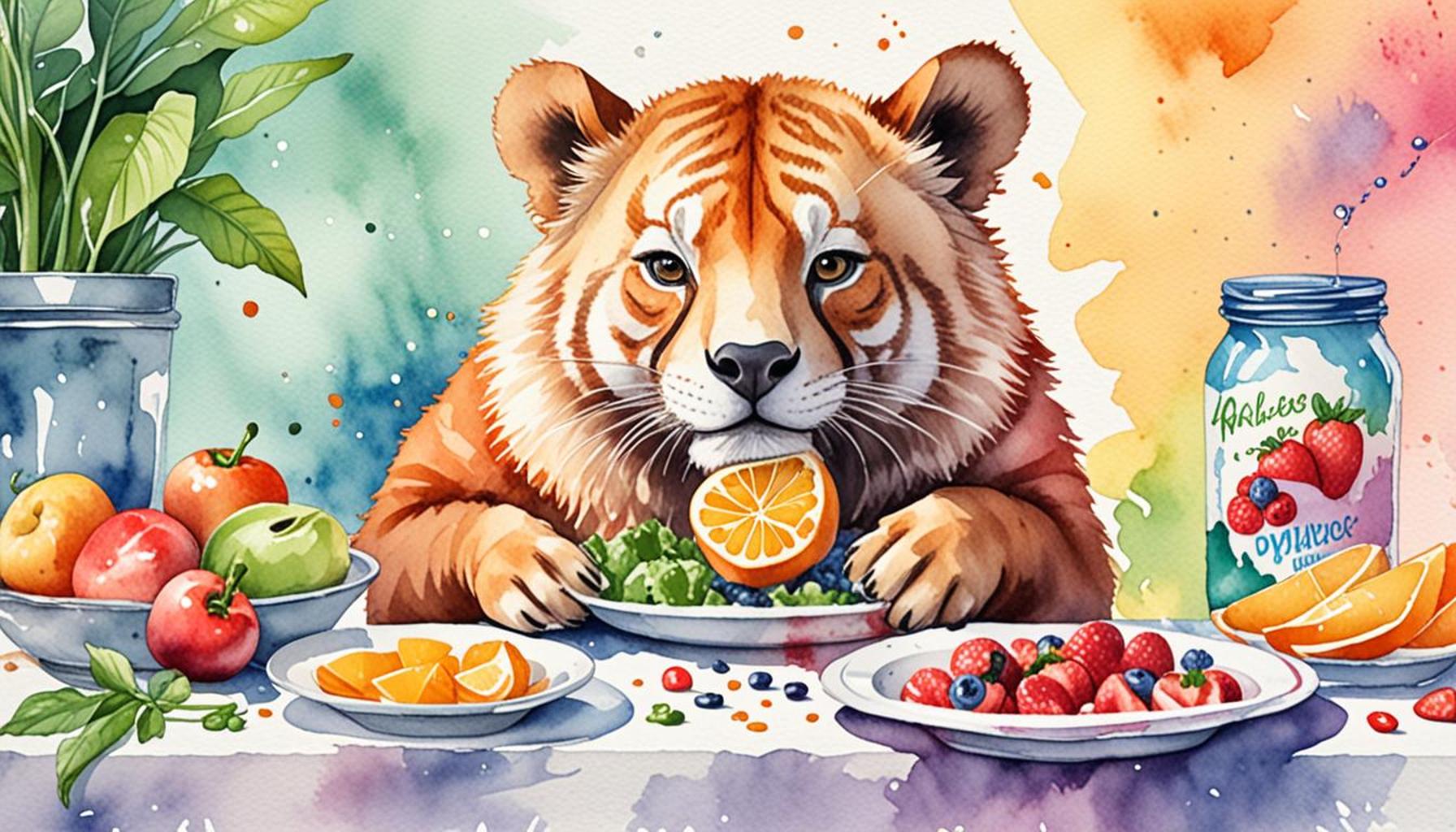
An Insight into the Connection Between Eating Habits and Animal Adoption
In recent years, the concept of conscious eating has gained momentum, influencing various aspects of how individuals relate to food and animals. This growing awareness is not just transforming personal eating habits but also affecting the dynamics of animal adoption behavior. Surprisingly, what we eat can significantly alter our perspectives toward adopting pets, revealing an intricate relationship between dietary choices and animal welfare.
Interconnected Factors: Nutrition and Adoption
Several factors interplay between nutrition and adoption, notably:
- Emotional wellbeing: Nutritional choices can impact mood and mental health, which in turn influences the desire for companionship. For example, diets rich in omega-3 fatty acids, found in fish or flaxseed, are known to promote brain health and lower the risk of depression. A person feeling mentally uplifted is more likely to seek the comfort and companionship of a pet.
- Awareness and empathy: A diet focused on sustainability often encourages people to consider the welfare of animals. By choosing to consume ethically sourced products or adopting a plant-based diet, individuals may deepen their empathy towards animals in shelters. This awareness not only shapes their eating habits but often translates into actively supporting animal welfare initiatives.
- Social behavior: Healthy eating can foster community relationships, leading to collaborative efforts to support shelters. Local groups often organize events centered on whole-food diets, integrating animal advocacy with cooking classes or community meals, which can subsequently promote pet adoption as a shared communal goal.
The Impact of Diet on Animal Welfare Perspective
As we delve into this intriguing connection, it’s crucial to examine how dietary habits shape our values toward animal welfare. For instance, numerous studies have revealed that individuals who prioritize plant-based diets are not only more committed to environmental sustainability but also more likely to support animal adoption initiatives. According to a survey conducted by the American Society for the Prevention of Cruelty to Animals (ASPCA), adults who identify as vegetarians or vegans are statistically more inclined to adopt pets rather than purchase them.
The influence of dietary practices can significantly illuminate pathways to increasing adoption rates across the United States. As communities encourage nutrition-focused discussions, the correlation between healthy eating and animal rescue efforts becomes even more apparent. This evolving landscape presents an incredible opportunity for shelters and advocates to engage potential adopters through food-based events, discussing the joys of pet ownership while emphasizing compassionate diet choices.
Understanding the connections between our plates and the plight of animals in shelters can ultimately lead to more informed decisions and a more compassionate society. By nurturing both our bodies and the footed creatures we love, we can contribute to a kinder future for all.

DIVE DEEPER: Click here to learn essential training tips
The Ripple Effect of Eating Choices on Adoption Trends
The intricate relationship between our eating habits and animal adoption behavior unfolds through various avenues, influencing not only individual preferences but also broader community actions. As individuals explore the benefits of conscious eating, they often discover a deeper connection to the plight of animals in need of homes, creating a ripple effect that can bolster adoption rates significantly.
At the core of this connection lies the notion of values alignment. When individuals or families embrace diets that reflect compassion for animals, such as vegetarianism or veganism, they tend to develop stronger emotional aligns towards animal welfare. Research indicates that such dietary choices can foster a sense of responsibility toward all living creatures, altering perceptions toward both food and pet ownership. When one recognizes the cruelty often associated with factory farming, for instance, it opens their eyes to the systemic issues surrounding animal treatment, leading to a natural inclination to adopt rather than purchase pets.
Moreover, social factors play a pivotal role in shaping adoption behavior. Community engagement through food-focused events can amplify this connection. Organizations that host activities like farmers’ markets or cooking classes focusing on plant-based dishes not only educate attendees about nutritious eating but also serve as platforms for highlighting local shelters and their adoptable animals. These interactive gatherings create a unique environment where participants can learn about the direct impact of their choices, both on their health and on the lives of vulnerable animals.
- Increased Knowledge: By promoting discussions about the benefits of plant-based diets, individuals can become more informed about the ethical considerations in both human and animal nutrition.
- Heightened Compassion: Educating communities on how their diet choices influence animal welfare can lead to compassionate actions, such as adopting pets in need.
- Community Support: Collaborating with local shelters during events encourages a communal approach to addressing both health and animal welfare through adoption campaigns.
The link between nutrition and adoption behavior is not merely theoretical; statistics from animal welfare organizations underscore its real-world implications. According to recent surveys, communities that actively endorse sustainable eating practices often report higher adoption rates at their local shelters. This correlation provides a compelling argument for advocates and shelters to leverage discussions on healthy eating as a way to foster more animal adoptions.
As we further examine the influence of dietary choices on our engagement with the animal adoption community, it becomes clear that transformation is possible. By understanding this complex relationship, individuals can empower themselves not only to adopt pets but also to champion the causes that promote animal welfare as an integral part of their daily lives.
Conscious Eating: How Nutrition Affects Animal Adoption Behavior
As the conversation surrounding conscious eating continues to evolve, it’s becoming increasingly clear that our choices regarding nutrition not only affect our health but also impact the lives of animals in shelters. Understanding the correlation between what we eat and animal adoption behavior can unlock fresh perspectives on how to promote compassionate choices. Research indicates that dietary preferences, particularly those leaning towards plant-based foods, can enhance empathy towards animals, driving higher adoption rates. This begs the question: how does fostering a culture of conscious eating lead to tangible benefits for animal welfare?
One key aspect to consider is the role of community involvement. When individuals prioritize nutritional education and advocate for animal-friendly diets, they often create a ripple effect within their social circles. Through community events centered around healthy eating, organizations can showcase adoptable pets, drawing in potential adopters who are already aligned with animal welfare principles. This intersection of food and empathy facilitates a unique platform for interaction that can help transform lives.
Moreover, nutritional awareness has been linked to enhanced mental health, which contributes significantly to the motivation behind adopting an animal. Individuals who practice mindful eating habits often report increased levels of happiness and reduced stress, making them more inclined to consider bringing an animal into their lives. This psychological dimension highlights a broader societal impact; when people intentionally foster a nutritious lifestyle, it may promote a climate wherein more animals find loving homes.
By adopting a conscious eating mindset, not only do individuals engage better with their diets, but they also become advocates for the animals who depend on human kindness and compassion. The intertwining of nutrition with animal adoption behaviors opens new avenues for fostering sustainable communities and enhancing the chances of finding forever homes for animals in need. Exploring this nexus leads to exciting opportunities to rethink how we can all contribute to animal welfare.
| Advantage | Relevance to Adoption |
|---|---|
| Increased Empathy towards Animals | Promotes understanding and compassion, leading to more adoptions. |
| Community Engagement | Events that combine nutrition with animal advocacy draw in potential adopters. |
| Enhanced Mental Well-being | Healthier individuals are more likely to adopt and care for a pet. |
Engaging with the ideas of conscious eating and its profound influence on animal adoption is not merely a philosophical endeavor; it is a practical approach to creating change. By examining the multifaceted connections between diet and animal welfare, we can unveil powerful strategies that encourage adoption and foster compassion in every community.
DIVE DEEPER: Click here to uncover the benefits of proper nutrition for your pet
The Influence of Dietary Choices on Compassionate Communities
As the movement for conscious eating continues to gain momentum, its impact on community norms around animal adoption comes into sharper focus. In cities across America, grassroots efforts to promote plant-based and sustainable diets are intertwined with initiatives aimed at rescuing homeless pets. This synergy cultivates a culture of compassion, not only for animals on our plates but also for those that roam our streets and shelters.
One striking example can be seen in the rising trend of pet-friendly restaurants and cafes that serve plant-based or organically sourced dishes. These venues often collaborate with animal shelters by hosting adoption events, thereby merging the dining experience with opportunities for shelter animals to find their forever homes. According to metrics from effective partnerships, pet-friendly establishments report a noticeable increase in customer engagement when they integrate animal advocacy into their business model. Not only does this reflect the evolving preferences of health-conscious consumers, but it also highlights the critical intersection between nutrition and animal welfare.
Moreover, recent surveys indicate that 68% of American households own a pet, and among these pet owners, a significant proportion actively engages in discussions about the ethical treatment of animals. This growing concern often manifests through lifestyle choices, including donations to shelters, volunteering, and choosing to adopt rather than shop for pets. The American Society for the Prevention of Cruelty to Animals (ASPCA) reports that communities with higher awareness of humane dietary practices see a parallel rise in adoption rates, suggesting a clear correlation between what we consume and our commitment to animal welfare.
- Influential Role Models: Prominent figures in the culinary world, such as celebrity chefs advocating for sustainable eating, have a profound influence on public opinion regarding food choices and animal adoption.
- Culinary Education: Schools and cooking classes that emphasize conscious eating not only educate about healthy foods but also instill values of empathy towards animals, thereby encouraging students to consider adoption.
- Informed Pet Ownership: As individuals learn more about nutrition—both for themselves and their pets—they often become advocates for adoption as a means of responsibly caring for an animal’s dietary needs.
Events such as plant-based food festivals and community potlucks not only promote healthy eating but provide shelters with a platform to showcase adoptable animals. These gatherings facilitate interactions and establish connections between potential pet owners and animals in need, thus making the adoption process feel more accessible and encouraging. When the local community actively participates in a dialogue about nutrition, this can spark interest in adopting pets by allowing individuals to visualize the bonds formed through responsible caring and compassion.
Additionally, the role of social media cannot be understated in this context. Influencers and advocates utilize platforms like Instagram and TikTok to share heartwarming stories of adopted pets alongside recipes for nutritious, plant-based meals. Such content works to shift public perceptions, reinforcing the idea that making conscientious choices about what we consume can yield benefits for both our health and the well-being of our furry companions. The reach of these campaigns illustrates how awareness around diet can directly translate to increased enthusiasm for animal adoption.
DISCOVER MORE: Click here for valuable insights
Conclusion: Bridging Nutrition and Animal Compassion
The exploration of conscious eating reveals a compelling connection between nutritional choices and animal adoption behavior. Across the United States, as communities embrace sustainable and plant-based diets, they simultaneously foster a more humane and compassionate environment for homeless animals. The implications are profound: by advocating for ethical dietary practices, we inevitably promote a culture of adoption that benefits both animals and humans.
From pet-friendly restaurants collaborating with shelters to community events that blend culinary enjoyment with animal advocacy, the avenues for enhancing adoption rates are becoming increasingly innovative. This shift not only reflects changing consumer values but also aligns with a broader movement towards social responsibility and ethical consumption. The statistics highlighting that 68% of American households own pets further illuminate the importance of fostering a community ethos that embraces both nutrition and animal welfare.
As more individuals recognize their power as informed consumers, their lifestyle choices—such as supporting local shelters, engaging in animal rescue, and advocating for adoption—can create a ripple effect across society. Additionally, influential public figures and social media campaigns play a vital role in shaping perceptions, making the connection between what we eat and how we treat animals more tangible and accessible.
Ultimately, the journey towards a more compassionate world is intertwined with our dietary decisions. By aligning our plates with our ethical values, we can foster a future where animal adoption is not just encouraged but celebrated. The call to action is clear: as we work towards a more conscious community, let us embrace the philosophy that every meal can be a step towards a kinder world for all living beings.
Related posts:
Impact of Diet on the Dental Health of Pets
How Nutrition Influences the Mental Health of Dogs and Cats
The Importance of a Balanced Diet for Pet Health
Balanced Nutrition Key to Long-Term Pet Health and Well-Being
Trends in Pet Food: What's New in Animal Nutrition
Holistic Nutrition for Pets: Benefits and Practices

Linda Carter is a writer and pet care expert specializing in pet health, grooming, and wellness. With extensive experience helping pet owners create safe, loving, and enriching environments for their animals, Linda shares her knowledge on our platform. Her goal is to empower readers with practical advice and strategies to ensure their pets thrive and lead joyful, healthy lives.