Exploring Diversity: Exotic Animals and Their Specific Needs
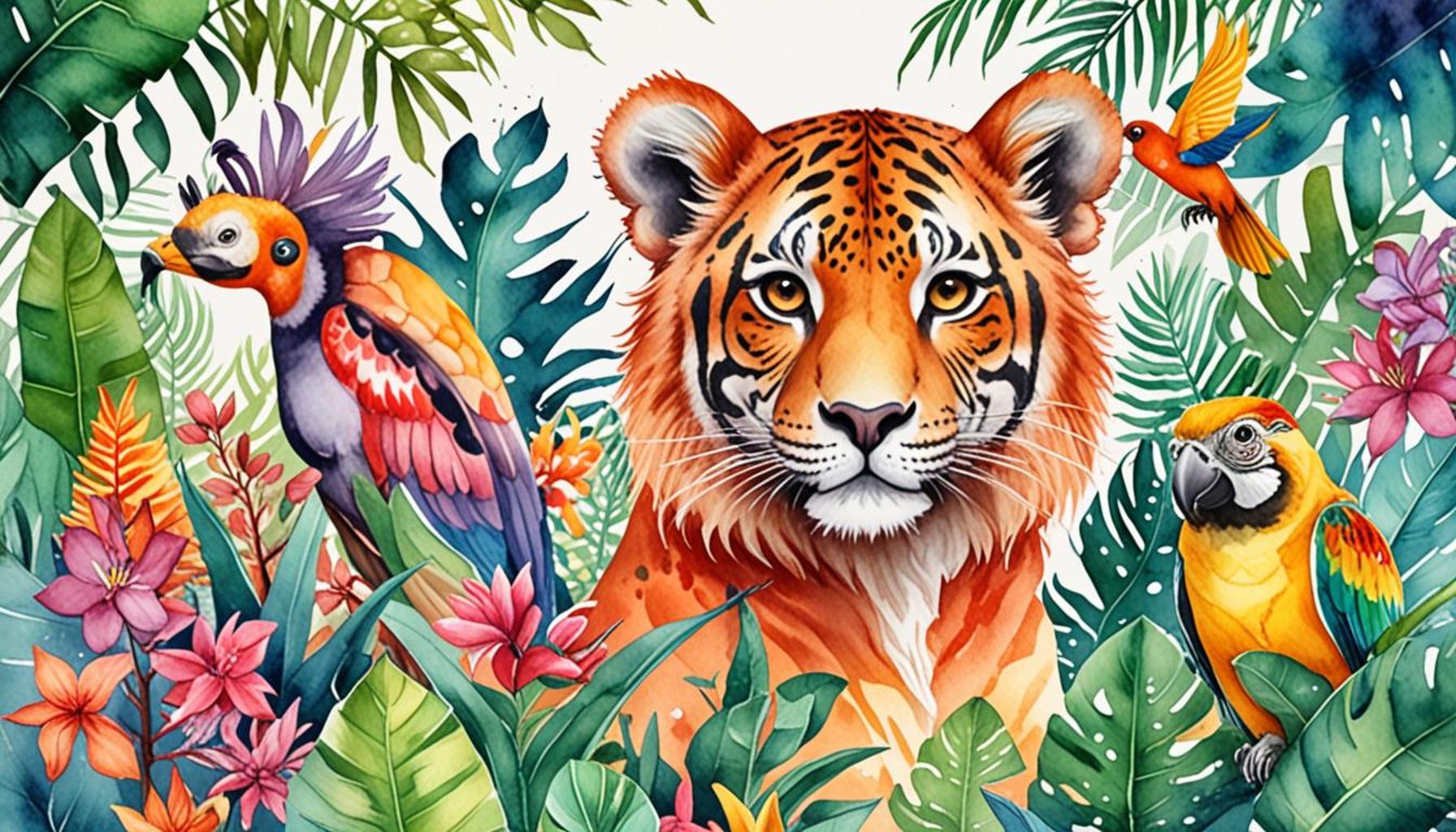
Discovering a World of Uniqueness
From the vast deserts to the lush rainforests, exotic animals showcase the incredible diversity of our planet. Each species brings its own set of unique characteristics and specific needs that make them fascinating to study and understand. A deeper insight into these creatures not only reveals their ecological importance but also emphasizes the care they require to thrive.
Why Focus on Exotic Animals?
- Ecological Role: Many exotic animals play crucial roles in maintaining their ecosystems. For instance, pollinators like the hummingbird are vital for numerous plant species, helping to transfer pollen and ensure plant reproduction. Similarly, apex predators, such as the Siberian tiger, maintain the balance of their ecosystem by controlling herbivore populations, which in turn affects vegetation diversity.
- Conservation Concerns: Understanding their needs can help mitigate threats to their existence. As habitats are lost to human expansion and climate change, many exotic species face the risk of extinction. For example, the Amazona vinacea parrot is endangered due to habitat destruction in South America. Conservation efforts aimed at preserving their environments are crucial for their survival.
- Cultural Significance: These animals often hold rich cultural meanings across different societies. The bald eagle, a native species in the United States, is not only a symbol of freedom and strength but also plays a role in Native American mythology, illustrating how deeply intertwined animal species can be with human cultures.
As we delve into the specifics of their habitats and dietary requirements, the need for tailored care becomes evident. For instance, consider these examples:
- African Greys: Require mental stimulation and social interaction to thrive, often forming strong bonds with their human caregivers. Enrichment activities, such as puzzle toys, can keep them engaged and healthy.
- Red Pandas: Need a specialized diet rich in bamboo, which constitutes over 90% of their diet. Their reliance on bamboo makes them particularly vulnerable to habitat loss caused by deforestation.
- Tree Frogs: Thrive in humid environments to support their skin health. Many species are sensitive to changes in moisture levels, requiring careful habitat management to ensure their survival in the wild.
Exploring the diverse world of exotic animals offers a glimpse into not only their captivating traits but also the delicate balance needed for their survival. Each species, from the colorful poison dart frog to the majestic snow leopard, contributes to the rich tapestry of biodiversity that supports life on Earth. The journey into their specific needs is just beginning, revealing a treasure trove of knowledge waiting to be uncovered. Understanding these exotic creatures enriches not only our appreciation for them but also encourages us to become stewards of their habitats. As we continue to learn, we can promote conservation efforts that ensure these extraordinary animals can thrive for generations to come.
LEARN MORE: Click here for essential training tips
The Unique Challenges of Exotic Animal Care
As we dive deeper into the world of exotic animals, it becomes apparent that each species not only possesses unique traits but also faces particular challenges regarding their care and well-being. The diversity in their anatomical structures, habitats, and behavioral instincts necessitates a comprehensive understanding of their needs—something that is often overlooked in discussions about wildlife conservation and domestic adoptees. A species, no matter how captivating, cannot thrive if its specific requirements are not met.

Essential Elements for Habitat Success
The habitat of an exotic animal is paramount to its survival. While some species are adaptable to changing environments, others are highly specialized and can suffer greatly if their habitats are disrupted. For example, the Panamanian golden frog, endemic to Panama, requires highly specific environmental conditions, including temperatures between 75 to 80 degrees Fahrenheit and humidity levels at around 50 percent. Failure to create such an environment can lead to significant health issues or even mortality.
- Temperature Control: Many reptiles, such as green iguanas, rely on a heat source to regulate their body temperature. In captivity, it’s essential to provide UVB light and basking spots that mimic their natural sun-bathing habits.
- Humidity Requirements: The needs for humidity vary among species; for example, chameleons thrive in a moist environment, requiring regular misting to mimic their natural rainforests. Conversely, animals like desert tortoises flourish in arid conditions, needing a dry habitat to survive.
- Space and Social Interaction: Animals such as macaws need ample space to fly and socialize. In the wild, they are highly social creatures, often living in flocks. A lack of social interaction can lead to mental distress and behavioral problems.
Understanding these specific habitat requirements goes hand-in-hand with dietary needs, as both elements are interconnected and critical for the overall health of exotic animals. Many species have specialized diets that must be catered to if we are to ensure their longevity and well-being.
Dietary Needs and Nutrition
The intricacies of an exotic animal’s diet are just as compelling as their environmental requirements. For instance, the dietary needs of a fennec fox are diverse and complex. These small desert canines forage for insects, plants, and small animals, necessitating a varied diet to meet their nutritional needs. If kept as pets, their diets should mimic the nutrients found in the wild, highlighting the necessity of comprehensive nutrition knowledge among caretakers.
Similarly, leafcutter ants, a species native to Central and South America, thrive on a diet comprising specific types of leaf material. Understanding what these insects consume is vital for maintaining their colonies in captivity. A failure to provide suitable food sources can lead to a rapid decline in their population within controlled settings.
In conclusion, the world of exotic animals is not only rich with diversity but also fraught with unique challenges that require thoughtful consideration from those who care for them. By understanding their habitat needs and catering to their dietary requirements, we can play a crucial role in preserving the delicate balance that allows exotic species to flourish.
| Category | Details |
|---|---|
| Habitat Requirements | Different exotic animals have unique habitat needs, crucial for their physical and psychological well-being. |
| Dietary Needs | Many exotic species require specific diets that may include live food, supplements, and varied nutrients. |
| Social Structure | Understanding the social behaviors of exotic animals is essential for ensuring they are kept in the right social dynamics. |
| Conservation Concerns | Many exotic animals are endangered, highlighting the need for education about conservation efforts and personal responsibility. |
The diversity of exotic animals is a vast tapestry woven with intricate needs and requirements that vary significantly among species. Habitat requirements are essential for maintaining an animal’s well-being; for instance, some species thrive in humid environments while others require dry, arid conditions. Additionally, dietary needs must be carefully considered, as many exotic animals have unique nutritional requirements that can include specialized supplements or live prey, further emphasizing the need for educated caretakers.Moreover, the social structure of these animals cannot be overlooked, as proper social dynamics can vastly improve the quality of their lives, whether they are solitary or social creatures. Lastly, raising awareness about the conservation concerns tied to these species is critical, as many are threatened or endangered, making it essential for enthusiasts and future pet owners to engage in sustainable practices. Exploring the intricate world of exotic animals not only promotes a deeper understanding but also fosters a commitment to protecting our planet’s rich biodiversity.
DISCOVER MORE: Click here to learn about the impact of exotic animals
The Importance of Behavioral Enrichment
While providing the right habitat and diet is crucial for exotic animal care, an often-overlooked aspect is the significance of behavioral enrichment. Exotic animals, particularly those accustomed to the complexities of their natural environments, require mental stimulation and opportunities to exhibit natural behaviors. Without such enrichments, animals can suffer from stress, boredom, and even physical ailments—a phenomenon increasingly recognized in the field of wildlife care.
Understanding Natural Behaviors
Each exotic species exhibits specific behaviors that are essential for their well-being. Take, for example, the African grey parrot, known for its intelligence and social structure. In the wild, these parrots spend their days foraging and interacting in flocks. In captivity, providing toys that encourage foraging, opportunities for social interaction, and even puzzles can help mimic their natural behaviors. Neglecting these needs can result in serious behavioral issues such as feather plucking or aggressive tendencies.
Similarly, the capuchin monkey, often adored for their playful demeanor, thrives in environments that stimulate their social instincts and problem-solving capabilities. Enriching their experiences with climbing structures, training, and social play as they would experience in their natural habitat is essential for maintaining their emotional and physical health.
Innovative Approaches to Enrichment
In recent years, caretakers have adopted innovative approaches to behavioral enrichment, often utilizing technology and creativity to engage exotic species. Many zoos and sanctuaries now employ behavioral trainers who work with animals on specific skills or games that promote physical activity and mental engagement. For example, the use of food puzzles, where animals must manipulate objects to retrieve their diet, not only satisfies their hunger but also encourages critical thinking.
- Environmental Enrichment: Creating a dynamic habitat that changes over time is crucial. This could include rotating toys, enriching structures, or even introducing scents that enhance sensory experience.
- Social Interactions: Social animals benefit from interactions with others of their kind, just as solitary animals may need time to explore their territory alone. Recognizing these needs can provide the perfect balance for their well-being.
- Physical Activity: To combat obesity—a rising concern for captive exotic animals—caretakers can organize play sessions that utilize climbing structures, ropes, or other apparatus that encourage movement and mimic natural behaviors.
By addressing the behavioral needs of exotic animals through various enrichment strategies, we can significantly enhance their lives in captivity, ensuring they lead fulfilling, healthy lives. Understanding the complex relationship between behavior, health, and habitat is vital for those dedicated to the welfare of these extraordinary beings.
The Role of Education and Advocacy
Alongside habitat, diet, and enrichment, a concerted effort must be made towards education and advocacy. Raising awareness about the specific needs of exotic animals fosters a culture of responsibility and understanding among potential owners, animal care professionals, and the public. Educational programs that focus on the realities of exotic animal ownership can help prevent ill-informed decisions that lead to neglect or abandonment.
For instance, organizations dedicated to wildlife conservation host workshops aimed at educating individuals about the intricacies of caring for exotic pets. These workshops often highlight species-specific needs, appropriate care procedures, and the importance of supporting conservation efforts. Education serves as a tool not only to protect the well-being of these animals in captivity but also to promote understood practices that protect wildlife populations in their natural habitats.
As we navigate the complexities of caring for exotic animals, understanding their needs, creating enriching environments, and fostering a culture of informed responsibility are essential steps in recognizing and preserving the incredible diversity within our world’s exotic species.
DISCOVER MORE: Click here to enhance your pet’s learning journey
Conclusion: Fostering Understanding for Exotic Animals
In our journey through the fascinating world of exotic animals, we have uncovered the profound intricacies that define their habitats, diets, and behavioral requirements. The exploration of diversity in these remarkable species offers valuable insights into how we can better understand and support their unique needs. As we have seen, addressing factors such as behavioral enrichment and ensuring a well-designed environment are paramount in promoting their overall health and happiness.
Furthermore, education and advocacy emerge as critical pillars in the effort to protect these extraordinary animals. Raising awareness among potential owners and the broader community not only fosters responsible animal care but also cultivates a deeper appreciation for wildlife conservation efforts. This multifaceted approach is essential in bridging the gap between the complexities of exotic animal care and the realities of ownership.
As we continue to explore the extraordinary diversity within our planet’s exotic species, it becomes increasingly vital to remain informed and proactive. By understanding their specific needs and advocating for enriched environments, we can ensure that these animals thrive in our care, while also working towards the preservation of their natural habitats. In doing so, we create a brighter future for both exotic animals and the ecosystems they inhabit, enriching our lives in the process and promoting sustainability for generations to come.
Related posts:
Exotic Animals as Pets: The Influence of Sustainability and Conservation Trends
The Interaction between Exotic Animals and Children: Benefits and Precautions
Exotic Animals and the Need for Specific Veterinary Care
Legality and Ethics in the Possession of Exotic Animals in the United States
The Role of Exotic Animals in Environmental Education and Conservation Programs
The Legal Challenges and Responsibility of Exotic Animal Owners in Different States

Linda Carter is a writer and pet care expert specializing in pet health, grooming, and wellness. With extensive experience helping pet owners create safe, loving, and enriching environments for their animals, Linda shares her knowledge on our platform. Her goal is to empower readers with practical advice and strategies to ensure their pets thrive and lead joyful, healthy lives.