Holistic Nutrition for Pets: Benefits and Practices
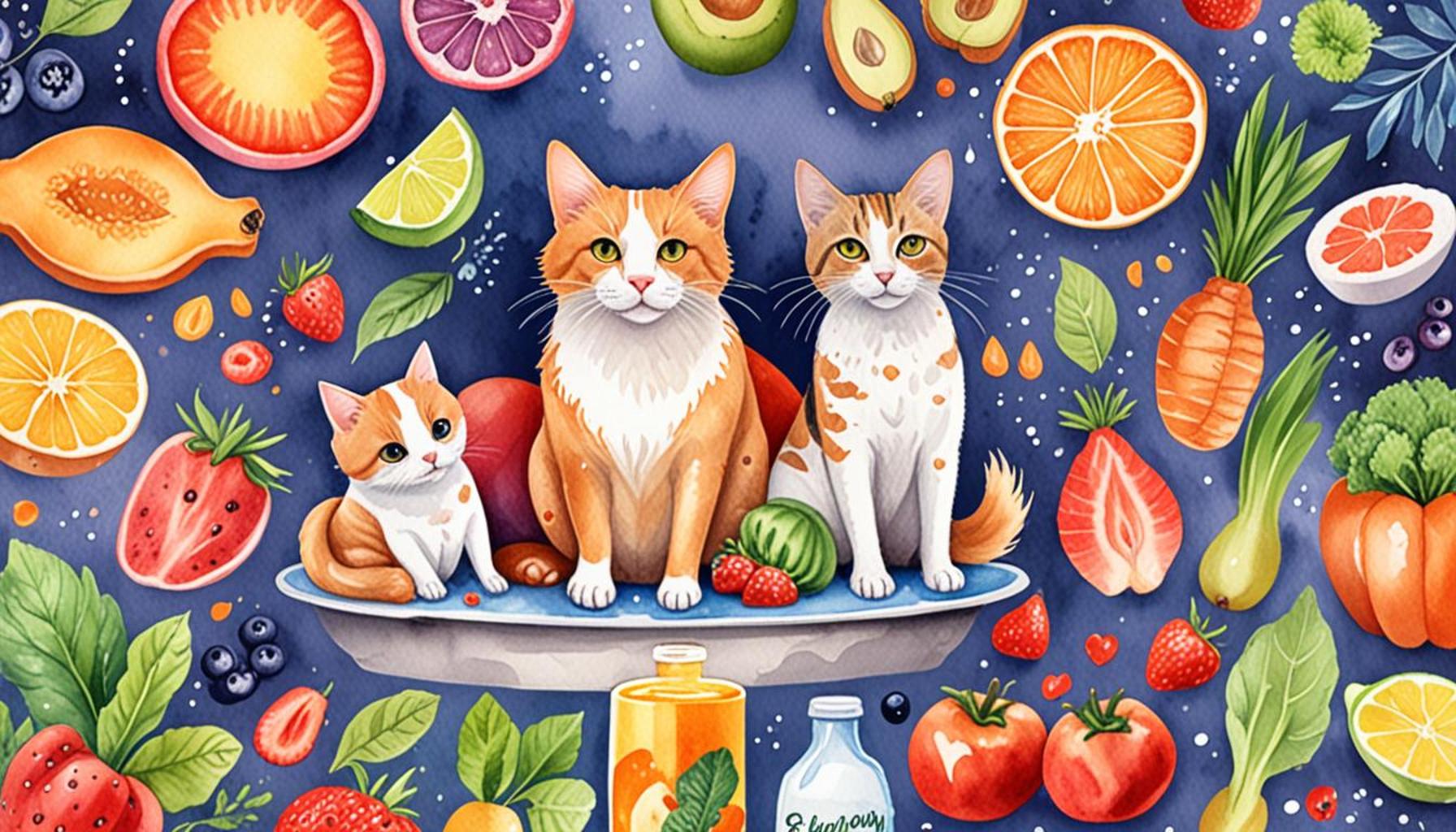
The Rise of Holistic Nutrition for Our Pets
The wellness revolution isn’t exclusive to humans; our furry companions are enthusiastically joining this transformative movement. Holistic nutrition for pets seamlessly integrates the best aspects of natural foods, supplements, and overall animal care to promote enhanced quality of life and well-being. By concentrating on the entire animal—taking into account their physical, emotional, and environmental needs—this approach provides a comprehensive way to care for pets.
What precisely does holistic nutrition entail? Let’s delve into its fundamental components:
- Whole Foods: Holistic nutrition emphasizes the inclusion of fresh fruits, vegetables, and high-quality proteins, such as lean meats and fish. For instance, when preparing meals, pet owners might consider ingredients like sweet potatoes, spinach, or blueberries—each a powerhouse of essential vitamins and antioxidants that can boost health.
- Natural Supplements: Tailored nutritional supplements, such as fish oil for omega-3 fatty acids or probiotics for gut health, can provide immense benefits. It’s crucial, however, to consult a veterinarian to identify which herbs and vitamins your pet might specifically need based on their breed, age, and health status.
- Mindful Feeding: This involves understanding appropriate portion sizes and meal timings, respecting your pet’s hunger cues and preferences. For example, observing your dog’s energy levels can guide you in deciding whether to serve more substantial meals in the morning when they are most active.
As awareness about pet health continues to surge, an increasing number of pet owners are embracing holistic practices. The advantages of this nutrition style can include:
- Enhanced Digestion: A diet rich in natural ingredients can promote gut health, reducing the likelihood of issues like bloating or constipation. Some pet owners report that their pets’ digestion has improved substantially after switching to whole food diets.
- Better Coat and Skin: Pets fed a clean diet often exhibit shinier coats and less skin irritation, providing visible proof of the benefits of holistic nutrition. Ingredients like flaxseed oil can nourish the skin, reducing allergy flare-ups.
- Behavioral Improvements: Proper nutrition not only fuels the body but also calms the mind. Pets can experience increased calmness and balanced energy levels, leading to reduced anxiety and better behavior overall.
As you explore the world of holistic pet nutrition, you may uncover a treasure trove of dietary practices that resonate with your pet’s unique health profile. This journey goes beyond mere dietary changes; it serves as a way to nurture your relationship with your pet, understanding their specific needs and preferences. By advocating for a holistic approach, you’re not only enhancing their health but also forging an unbreakable bond of trust and companionship. The commitment to holistic nutrition is, at its core, a profound relationship-building experience that can lead to happier, healthier lives for both you and your furry friend.
DISCOVER MORE: Click here to learn about the impact of environment on pet training success
Understanding the Core Elements of Holistic Nutrition
Diving deeper into the essence of holistic nutrition for pets, it becomes clear that this approach is not just a trend; it is a systematic way of fostering health and happiness in our pets. The transition to holistic nutrition involves understanding how various components work together to promote overall wellness. Here, we’ll outline some essential practices that can enrich your pet’s diet and lifestyle.
1. Knowledge of Nutritional Needs
Every animal has unique nutritional needs determined by factors like breed, age, weight, and lifestyle. Holistic nutrition encourages pet owners to become attuned to their pet’s specific requirements. For instance, an active dog may thrive on a diet higher in protein and healthy fats, while a senior cat might need more fiber to aid digestion. Engaging with a veterinarian who practices holistic methods can provide tailored advice that meets your pet’s distinctive needs.
2. Fresh, Seasonal Ingredients
Emphasizing the consumption of seasonal, fresh ingredients is a cornerstone of holistic nutrition. These nutrient-dense foods, such as locally sourced vegetables and proteins, offer more vitality than highly-processed alternatives. Pet owners can experiment with homemade meals featuring ingredients like pumpkin, carrots, and chicken, which can provide essential nutrients and keep mealtime exciting. This practice also supports local agriculture, creating a ripple effect that benefits the community.
3. Variety in Diet
Just as human diets benefit from variety, so do pet diets. Offering pets a mix of proteins, carbohydrates, and fats can help prevent food allergies and intolerance while maintaining optimal health. Consider rotating between different protein options like beef, fish, and poultry, or integrating diverse vegetables, such as broccoli and green beans. This not only keeps meals interesting but also provides a broader spectrum of nutrients essential for overall health.
4. Holistic Feeding Practices
Creating an environment conducive to mindful eating can enhance your pet’s eating experience. Here are some holistic feeding practices to incorporate:
- Separate Feeding Areas: Designate a calm space for meals, away from distractions or stressors, allowing pets to focus on their food.
- Consistent Feeding Schedule: Maintain regular mealtimes to regulate digestive processes while respecting hunger cues.
- Hand-Feeding: Occasionally offering food by hand can strengthen the bond between pet and owner, encouraging trust and comfort during mealtime.
By understanding these core elements of holistic nutrition for pets, pet owners can take tangible steps toward nurturing their companions’ health holistically. Adopting these practices not only fosters physical well-being but also enriches the bond shared between pets and their humans, setting the stage for a long, joyous journey together.
As pet owners increasingly recognize the significance of holistic approaches, Holistic Nutrition for Pets is rapidly gaining traction. Unlike conventional diets, holistic nutrition focuses on the whole animal, considering not just their physical needs but also their emotional and mental well-being. This approach emphasizes the importance of using high-quality, natural ingredients, prioritizing fresh foods over processed ones, and catering to your pet’s specific health issues and preferences.
Another vital component of holistic nutrition involves understanding the balance of nutrients. For instance, it’s essential to provide a proper mix of proteins, fats, carbohydrates, vitamins, and minerals to support your pet’s overall health. This balance can help to prevent ailments and promote longevity and vitality. Ingredients such as fruits and vegetables are integral, as they provide antioxidants and essential vitamins that strengthen the immune system.
Moreover, holistic nutrition often encourages pet owners to consider alternative therapies such as acupuncture, herbal treatments, and massage as supplementary practices to enhance their pets’ health. These modalities can work in tandem with a well-structured diet, aligning both physical and emotional well-being. Studies have shown that pets on a holistic nutrition regime typically exhibit improved digestion, more stable energy levels, and enhanced quality of life.
With numerous resources available online and through veterinary professionals, exploring the intricacies of holistic nutrition opens up a world of benefits. It’s an opportunity for pet owners to enrich the lives of their furry companions by understanding their unique needs and fostering a profound connection through thoughtful dietary practices.
| Category | Benefits |
|---|---|
| Nutritional Variety | Supports balanced health and addresses specific needs. |
| Natural Ingredients | Reduces potential allergens and promotes overall vitality. |
DISCOVER MORE: Click here to adjust your pet’s diet
Integrating Holistic Practices Beyond Nutrition
While understanding the nutritional elements of holistic pet care is crucial, the benefits of holistic nutrition extend far beyond dietary considerations. This comprehensive approach acknowledges the interconnectedness of physical, mental, and emotional well-being in pets. Here, we will delve into additional practices that complement holistic nutrition, further enriching the lives of our furry companions.
5. Emotional and Mental Health Considerations
The mental and emotional well-being of pets is often overlooked in conventional pet care. However, holistic nutrition recognizes that a pet’s psychological health affects its physical health. Regular engagement in activities like playtime, training sessions, or simple companionship fosters a deeper bond and reduces stress levels. Integrating practices such as puzzle toys or interactive feeding mats can stimulate your pet’s mind during mealtime and keep them engaged. These methods not only promote mental health but can also alleviate behavioral issues stemming from boredom or anxiety.
6. Incorporating Herbal Remedies and Supplements
Herbs and natural supplements can play a significant role in enhancing holistic nutrition for pets. Ingredients such as turmeric, known for its anti-inflammatory properties, can be helpful for dogs suffering from joint pain, while ginger may assist with digestive issues in cats. Moreover, adding omega-3 fatty acids, often sourced from fish oil, can support healthy skin and coat. Before introducing any herbal remedies or supplements, it is advisable to consult with a holistic veterinarian to ensure safety and efficacy tailored to your pet’s needs.
7. Utilizing Alternative Therapies
Alternative therapies can complement the dietary aspects of holistic pet nutrition and offer numerous benefits. Techniques like acupuncture, massage therapy, and chiropractic adjustments can promote physical health while alleviating discomfort or pain. For example, acupuncture has been shown to effectively treat chronic pain and various health issues in pets. Similarly, regular massage can help with anxiety and muscle tension, improving circulation and overall well-being.
8. Environmental Awareness
The environment where pets live and play can significantly impact their health. A holistic approach offers an understanding of how toxins and pollutants can affect pets. Cleaning products, perfumes, and even certain types of furniture can release harmful substances. Opting for natural cleaning methods and ensuring proper ventilation in the home can reduce the risk of health issues related to these chemicals. Additionally, providing a garden space safe for pets can encourage outdoor time and physical activity, which are essential for maintaining a healthy lifestyle.
9. Regular Health Check-ups
Holistic nutrition does not replace traditional veterinary care but rather complements it. Regular check-ups are vital to monitor your pet’s health and nutritional needs. Holistic veterinarians often take a more integrative approach, offering solutions that may include diet, lifestyle modifications, and natural therapies. By establishing a relationship with a vet experienced in holistic practices, pet owners can create a more comprehensive care plan that encompasses all aspects of health.
Incorporating these holistic practices fosters a lifestyle that significantly enhances your pet’s health, happiness, and longevity. By taking a step beyond conventional nutrition and addressing physical, mental, and environmental factors, pet owners can pave the way for a holistic approach that transforms their pet’s life.
DISCOVER MORE: Click here for tips on integrating training into your busy schedule
Conclusion
In the quest for our pets’ health and happiness, holistic nutrition serves as a powerful framework that transcends traditional dietary practices. By embracing a holistic approach, pet owners can better understand the intricate connections between their pets’ physical, mental, and emotional well-being. The insights shared throughout this article highlight the importance of incorporating emotional health, herbal remedies, and alternative therapies into a comprehensive care strategy.
Recognizing that diet is only one piece of the puzzle opens the door to a myriad of practices that can elevate our pets’ quality of life. From engaging their minds with interactive toys to ensuring a safe and toxin-free environment, every choice we make contributes to their overall health. Regular veterinary check-ups with a holistic focus ensure that our furry friends receive personalized care tailored to their unique needs.
As the understanding of holistic nutrition for pets continues to evolve, pet owners are encouraged to explore the latest research and hold open conversations with holistic veterinarians. This journey presents an opportunity to forge a deeper bond with our beloved companions, paving the way for longer, healthier lives. In considering the broader picture of pet care, we equip ourselves with the knowledge and tools needed to nurture their well-being holistically. Ultimately, as we enhance our pets’ lives, we create a more harmonious relationship that enriches both their experiences and ours.
Related posts:
Conscious Eating: How Nutrition Affects Animal Adoption Behavior
The Role of Special Diets in Managing Chronic Diseases in Pets
Tips for Identifying Food Allergies in Pets and Nutritional Alternatives
How Nutrition Can Boost Pets' Immunity
Balanced Nutrition Key to Long-Term Pet Health and Well-Being
Feeding and Behavior: How Nutrition Affects Pets' Mood

Linda Carter is a writer and pet care expert specializing in pet health, grooming, and wellness. With extensive experience helping pet owners create safe, loving, and enriching environments for their animals, Linda shares her knowledge on our platform. Her goal is to empower readers with practical advice and strategies to ensure their pets thrive and lead joyful, healthy lives.