How Nutrition Can Boost Pets’ Immunity
Understanding the Impact of Nutrition on Pet Health
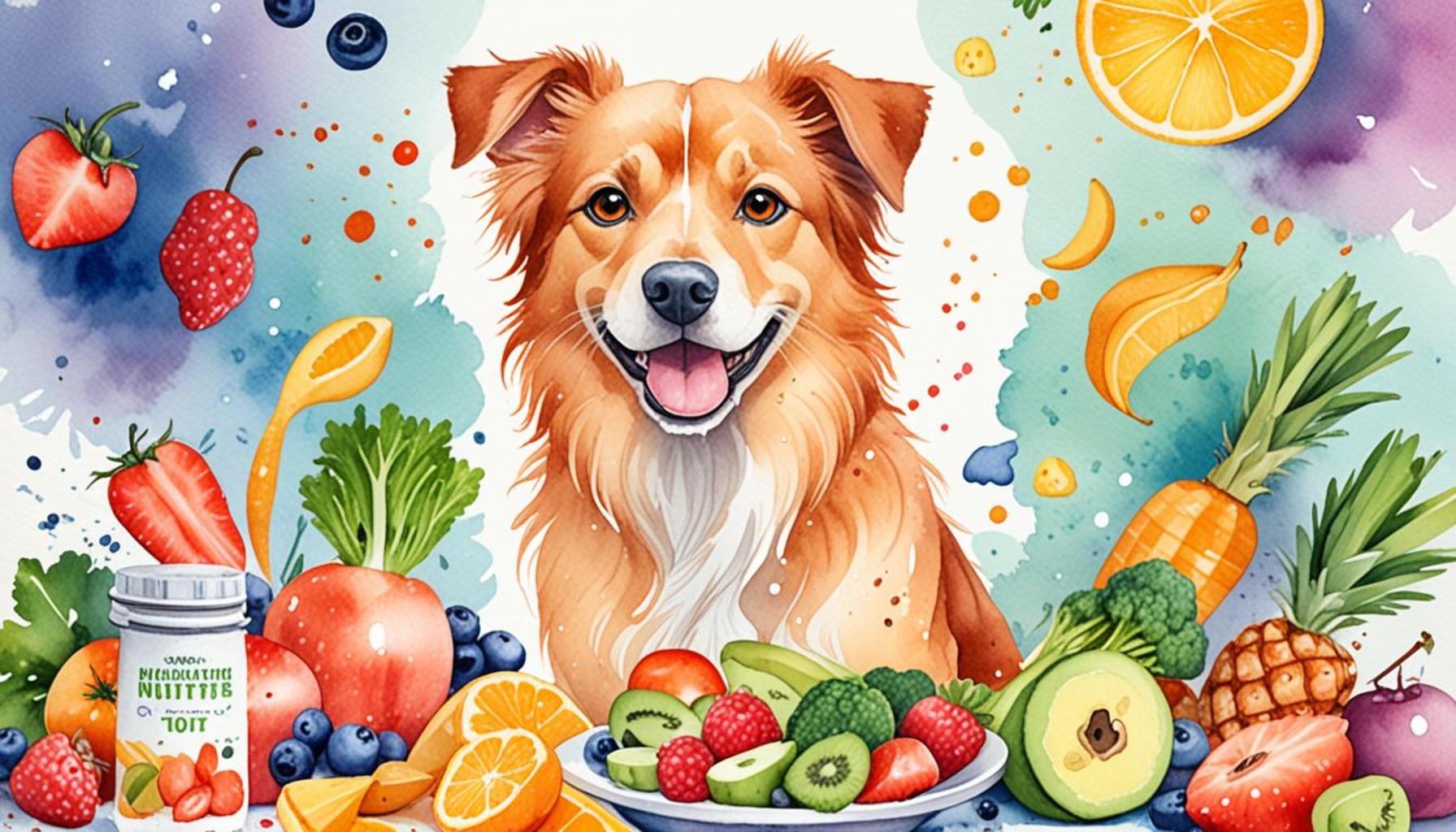
A balanced diet is vital for maintaining your pet’s health and well-being. Just like humans, pets rely on essential nutrients to support their immune systems. A strong immune system serves as your pet’s best defense against illness and disease, enhancing their quality of life and longevity. Ensuring your pet receives the proper nutrition enables them to thrive and stay active, contributing to a happier and healthier existence.
Nutrition plays a pivotal role in enhancing immunity by:
- Providing essential vitamins and minerals: Nutrients like Vitamin C, Vitamin E, and Zinc are crucial for immune function. For instance, Vitamin C acts as an antioxidant and can be found in smaller amounts in certain fruits, while Vitamin E supports cell integrity and gut health. Zinc is critical in preventing deficiencies that could compromise immune response.
- Strengthening gut health: A healthy gut flora supports overall health and enhances immune response. Probiotics, or beneficial bacteria, are commonly found in fermented foods and can be instrumental in maintaining a balanced gut microbiome, aiding digestion, and reducing susceptibility to infections.
- Incorporating antioxidants: Foods rich in antioxidants, such as blueberries and sweet potatoes, help combat free radicals, which can weaken immune defenses. These nutrients play a protective role in the body, contributing to better health outcomes for your furry friend.
Feeding your pet quality food tailored to their specific needs ensures that they receive optimal nutrition. For example, puppies may require a diet higher in protein to support their rapid growth, while senior pets may benefit from diets lower in calories but enriched with joint-supporting nutrients. Many pet owners may overlook the importance of certain ingredients, like whole grains versus fillers, that can significantly impact their pet’s immunity.
Consider exploring whole foods and supplements that enhance your pet’s nutrition:
- Omega-3 fatty acids: Found in fish oils and flaxseed, these essential fats help reduce inflammation and promote a healthy coat. Incorporating these into your pet’s diet can lead to noticeable improvements in skin and coat quality.
- Probiotics: Available in various forms, these beneficial bacteria aid digestion and immune function. They may be especially beneficial during stressful periods, such as after vaccinations or changes in environment.
- Lean proteins: Essential for building and repairing tissues, including immune cells. Sources such as chicken, turkey, and fish support muscle tissue and overall vitality, crucial for pets throughout all life stages.
Understanding how nutrition influences immunity can empower pet owners to make informed dietary choices. By investigating specific ingredients and monitoring your pet’s overall health and energy levels, you can create a personalized nutrition plan that fosters optimal health. Whether you’re considering homemade diets, premium commercial options, or wellness supplements, the time has come to dive deeper into the fascinating world of pet nutrition!
DISCOVER MORE: Click here to find tips on integrating training into your routine
Essential Nutrients That Strengthen Immune Function
To effectively boost your pet’s immunity, it is crucial to understand the specific essential nutrients that play a key role in fostering a robust immune response. A well-balanced diet filled with these nutrients not only fortifies defenses against infections but also promotes overall health, making your pet more resilient to environmental stressors. Here are some fundamental components to keep in mind:
- Vitamins: Essential vitamins such as Vitamin A, Vitamin D, and Vitamin B6 play significant roles in maintaining immune health. Vitamin A is vital for skin integrity and mucosal barriers, acting as the first line of defense against pathogens. Vitamin D has been linked with enhancing the pathogen-fighting effects of monocytes and macrophages, white blood cells crucial for immune defense. Meanwhile, Vitamin B6 supports biochemical reactions in the immune system.
- Minerals: Minerals such as selenium and copper are less commonly discussed but are vital for the immune system. Selenium aids in the production of antibodies, while copper assists in maintaining immune system health and may contribute to the function of white blood cells, which are the body’s frontline defenders.
- Omega-3 and Omega-6 Fatty Acids: These essential fatty acids are not only beneficial for skin and coat health but also play a pivotal role in reducing inflammation, a significant factor in immune response. A diet rich in omega-3 fatty acids can help balance the inflammatory response, reducing excess inflammation that can hinder immune function.
Furthermore, the source of nutrition greatly influences its efficacy. Whole ingredients like lean meats, fresh vegetables, and whole grains should be prioritized over processed options with fillers and artificial additives that might compromise your pet’s immune system. High-quality proteins from sources such as turkey and fish provide the amino acids necessary for the synthesis of antibodies and other immune components. Incorporating these wholesome ingredients can significantly improve your pet’s resilience against common ailments.
The Role of Hydration in Immune Health
Often overlooked, sufficient hydration is critical to maintaining optimal immune function in pets. Water is essential for transporting nutrients throughout the body, including vital immune-forming components. Dehydration can lead to a sluggish metabolism and an ineffective immune response, making pets more vulnerable to diseases. Ensuring that your pet has constant access to fresh and clean water is just as important as providing nutritious food.
Incorporating these essential nutrients into your pet’s diet is the first step towards strengthening their immune system. By learning about and utilizing these key components, pet owners can take an active role in enhancing their furry friends’ health, setting the foundation for a long, happy life. It’s advisable for pet owners to consult with a veterinarian or a pet nutritionist to create a tailored dietary plan that effectively meets the nutritional needs of their pets.
| Advantage | Description |
|---|---|
| Enhanced Immune Function | Proper nutrition ensures that pets receive essential vitamins and minerals, boosting their immune responses against infections. |
| Improved Digestive Health | A balanced diet rich in fiber promotes healthy gut flora, which is crucial for optimal nutrient absorption and immunity. |
| Healthy Weight Management | Maintaining a healthy weight through nutrition can reduce the risk of obesity-related diseases, ultimately supporting immune functions. |
| Omega Fatty Acids Benefits | Omega-3 and Omega-6 fatty acids are critical for reducing inflammation and ensuring optimal immune responses, fostering overall pet health. |
| Preventing Chronic Diseases | A nutrient-rich diet can lower the risk of chronic conditions such as diabetes, kidney disease, and other ailments, keeping pets healthier for longer. |
As we delve deeper into the importance of nutrition, it becomes clear that every bite your pet takes plays a monumental role in not just their health but also their immune defense. A diet rich in antioxidants can protect pets from oxidative stress while bolstering their defenses against various pathogens. Pets nourished with high-quality proteins help in the creation of antibodies that are essential for fighting off illnesses.Moreover, incorporating probiotics into their diet can lead to a balanced gut microbiome, crucial for a robust immune system. By focusing on holistic nutrition tailored to your pet’s specific needs, you set them on a path toward enhanced vitality and resilience. The right dietary choices not only enhance their current health but also lay a strong foundation for a disease-resistant future. It’s time to reconsider the food bowl as a potent tool in safeguarding your furry friend’s immunity.
LEARN MORE: Click here for tips on training senior pets
The Impact of Probiotics and Prebiotics on Immune Health
When considering ways to strengthen your pet’s immunity, it’s essential not to overlook the gut health factor. The majority of your pet’s immune system resides in the gut, making probiotics and prebiotics invaluable to their overall health. Probiotics are live beneficial bacteria that support digestion and balance the gut microbiome, which in turn enhances immune response. Prebiotics, on the other hand, are non-digestible fibers that serve as food for these beneficial bacteria, helping them thrive and perform their functions effectively.
Research has shown that probiotics can lead to an improved immune response in pets by enhancing the production of immunoglobulins—proteins that play a vital role in recognizing and neutralizing pathogens. Furthermore, prebiotics can stimulate the growth of these beneficial bacteria, thus supporting a healthy gut environment. Pet owners might consider incorporating fermented foods like plain yogurt or specific supplements designed for pets into their diets as a means to bolster this aspect of nutrition.
Antioxidants: The Allies in Immune Defense
Antioxidants are another crucial component in diets aimed at improving immunity. These compounds help fight free radicals—unstable molecules that can damage cells and lead to chronic diseases. Foods rich in antioxidants, such as blueberries, carrots, and spinach, can neutralize these harmful compounds, thereby supporting overall cellular health and strengthening the immune system.
A diet abundant in antioxidants not only helps pets fend off illness but also combats inflammation, which can impair immune function if left unchecked. Including a variety of colorful fruits and vegetables in your pet’s meals can provide a rich source of these beneficial compounds. For instance, sweet potatoes are high in beta-carotene, which the body converts into Vitamin A, further enhancing immune responses while also promoting healthy skin and coat.
Choosing Comprehensive Diet Formulations
While ensuring your pet receives adequate nutrition through individual food sources is fundamental, it’s also essential to consider comprehensive diet formulations offered by reputable pet food brands. Many of these formulations are specifically designed to support immune health and contain a balanced mix of the essential nutrients, vitamins, and minerals previously discussed. Look for products labeled as “complete and balanced,” and consider those that boast added immune-boosting ingredients.
Another valuable resource to consider when seeking comprehensive nutrition for your pet is the growing trend of raw or whole food diets. These diets, which often focus on fresh, minimally processed ingredients, can provide a spectrum of nutrients beneficial for immunity. However, it’s crucial to ensure that any raw diet is well-balanced and adheres to veterinary guidelines to avoid nutritional deficiencies or health risks.
As the knowledge surrounding pets’ nutritional needs evolves, so does the importance of tailoring their diets. Regular consultation with a veterinarian or pet nutritionist can aid in identifying the best dietary strategies to enhance immune function tailored to your pet’s specific requirements.
DISCOVER MORE: Click here to learn how to incorporate clicker training into your pet’s routine
Conclusion
In conclusion, the connection between nutrition and immune health in pets is undeniable and increasingly recognized among pet owners and veterinarians alike. An optimal diet rich in probiotics, prebiotics, and antioxidants lays the foundation for a robust immune system. Incorporating a variety of foods, particularly whole ingredients such as fruits and vegetables, not only enhances the immune response but also pays dividends in your pet’s overall health and well-being.
As you consider how to improve your pet’s dietary regimen, understanding the importance of comprehensive diet formulations becomes essential. Whether choosing high-quality commercial pet foods or exploring the benefits of a raw or whole food diet, ensuring a balanced mix of essential nutrients, vitamins, and minerals is vital. Consulting with a veterinarian or a pet nutrition specialist will provide further insight tailored to your pet’s specific needs, helping to create the ideal dietary path forward.
As pet owners, you have the power to make informed decisions that can profoundly affect your furry friends’ health. By recognizing the role of nutrition in boosting immunity, you not only invest in your pet’s longevity but also improve their quality of life. Remember, a well-fed pet is a happy, healthy pet, poised to enjoy countless adventures by your side!
Related posts:
Nutritional Supplements: When and How to Introduce Them in Your Pet's Diet
Trends in Pet Food: What's New in Animal Nutrition
The Effects of Obesity in Pets and How to Prevent It
Conscious Eating: How Nutrition Affects Animal Adoption Behavior
Emerging Trends in Natural Organic Food for Dogs and Cats
Nutrition and Digestive Health: How Diet Affects Pets' Gastrointestinal System

Linda Carter is a writer and pet care expert specializing in pet health, grooming, and wellness. With extensive experience helping pet owners create safe, loving, and enriching environments for their animals, Linda shares her knowledge on our platform. Her goal is to empower readers with practical advice and strategies to ensure their pets thrive and lead joyful, healthy lives.