How to Prepare Your Home for a Adopted Pet
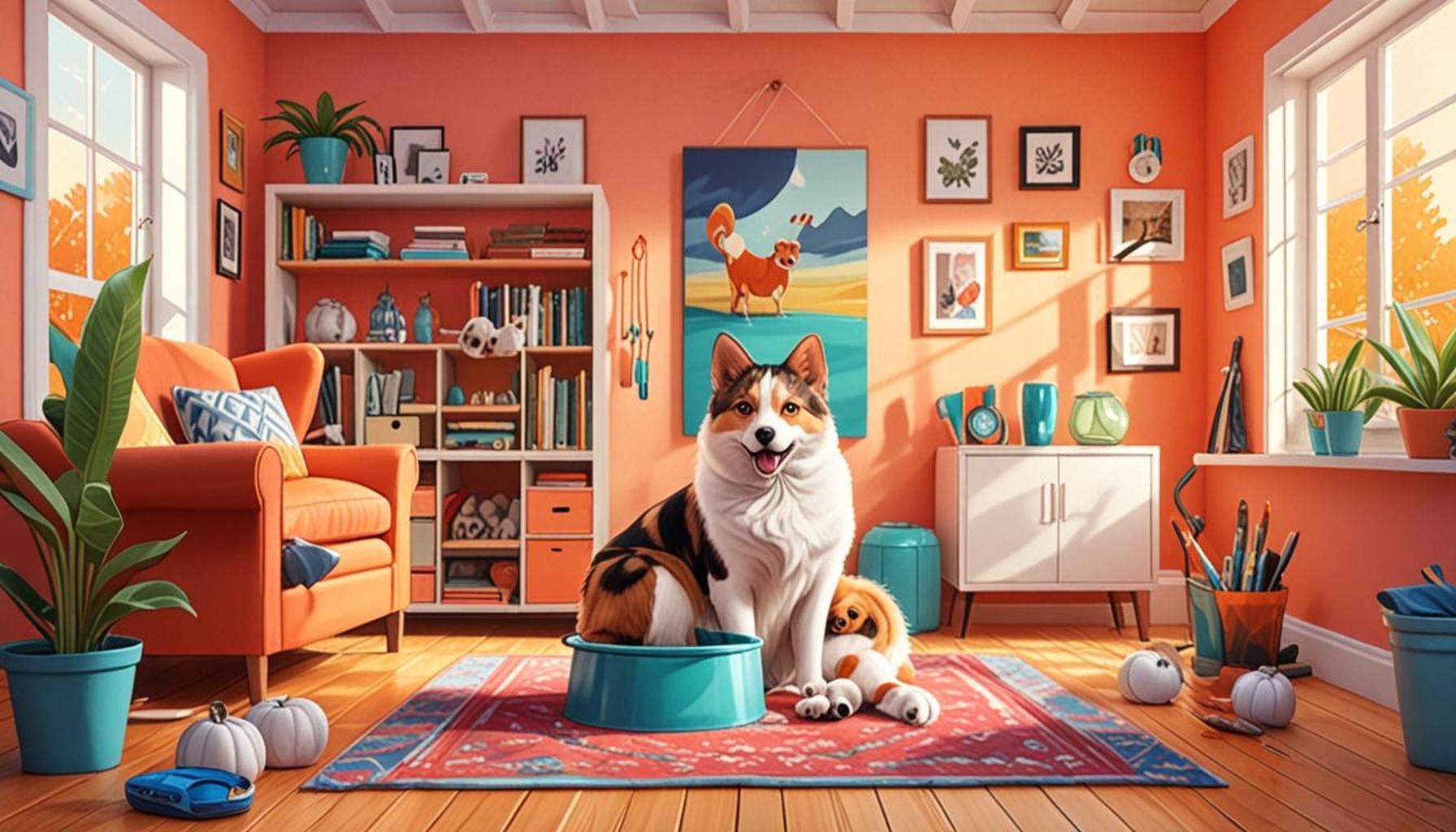
Welcoming a New Furry Friend
Bringing an adopted pet into your home is a heartwarming experience that can change your life. However, to ensure a seamless transition for your new companion, it’s crucial to be prepared. Establishing a safe and welcoming environment can significantly impact their adjustment period, making them feel at home much quicker.
Key Preparations to Consider
Creating a pet-friendly space involves several important aspects. Here are some essential preparations that can help make your new furry friend feel secure and loved:
- Safety Measures: Before your pet arrives, it’s vital to secure hazardous items such as cleaning supplies, medications, and small items that could pose choking hazards. For example, keep your cleaning products in a locked cabinet, and consider investing in safety latches for kitchen drawers. Additionally, make sure your home is free from potential escape routes like open windows or poorly secured screens, especially for cats who are known for their agility.
- Comfort Zones: Designating a cozy area for your pet where they can retreat and feel safe is essential. This could be a soft bed placed in a quiet corner of your living space or even a snug crate that offers a sense of security. Utilizing familiar items, such as a blanket or toy from their previous home, can also ease their anxiety as they adjust to their new surroundings.
- Pet Supplies: Stocking up on necessities is a straightforward yet critical step. Ensure you have the right food that is appropriate for your pet’s age and size, alongside bowls for food and water. Don’t forget essential items such as a litter box for cats, which should ideally be placed in a discreet but accessible location. Providing a variety of toys can help stimulate your pet mentally and physically, aiding in their acclimatization to their new life.
Each aspect of preparation contributes significantly to the well-being of your new family member. In addition to physical arrangements, consider planning out your routine with your pet. Regular feeding times, walks, and playtime can provide a predictable environment that helps your furry friend feel safe and secure.
This guide offers crucial insights into making your home a haven for your adopted pet. By investing time and effort into preparation, you not only set up a comfortable living space but also lay the groundwork for a loving and lasting relationship. As you and your new companion embark on this journey together, remember that patience, love, and understanding are key components in helping them feel truly at home.
EXPLORE MORE: Click here to learn about socializing your pets

Creating an Inviting Environment
Bringing an adopted pet into your home is a rewarding experience that comes with great responsibility. Consideration of their unique needs and preferences can significantly influence their adjustment period. While some pets may arrive with a heart full of curiosity, others might require a gentle approach to truly feel at home. Understanding their background and personality paves the way for a thriving relationship between you and your new furry companion. Let’s explore how to transform your living space into a welcoming haven.
Understanding Your Pet’s Behavior
Every pet has its own set of behaviors shaped by breed and prior experiences. For instance, if you’re adopting a dog, a quick glance at their age and breed characteristics can provide valuable insights. High-energy breeds like Border Collies or Australian Shepherds need plenty of exercise and mental stimulation. Designating a space where they can unleash their energy—such as a safely enclosed backyard—can be crucial for their happiness. Older dogs, on the other hand, may exhibit a preference for cozy corners where they can relax undisturbed.
A dog’s past trauma can also play a significant role in their behavior. Rescue dogs, for example, may exhibit signs of anxiety or fear. Understanding these idiosyncrasies allows you to create an environment that promotes trust and security. Similarly, with cats, it is essential to acknowledge their natural instincts. This includes providing vertical space through cat trees or shelves that allow them to climb and explore, as well as designated scratching posts to deter them from clawing your furniture.
Practical Preparations
Preparation is key in ensuring a smooth transition for your new pet. Here are several practical steps that will enhance their comfort:
- Layout Reevaluation: Examine your home’s layout and identify pet-friendly spaces. Rearranging furniture to avoid sharp corners and moving fragile items like vases to higher shelves will create a safe environment for your pet. It’s wise to create a designated area for litter boxes, food, and water bowls that are easily accessible yet away from high-traffic zones.
- Pet Proofing: To further safeguard your home, delve into comprehensive pet proofing. This includes removing toxic plants, such as oleander and lilies, which can pose serious health threats to pets. Ensure all electrical cords are neatly bundled and out of reach to prevent accidental chewing.
- Creating a Routine: Establishing a consistent daily routine will significantly help your pet acclimate. Devise a schedule for feeding, walks, and playtime, as this predictability can help diminish anxiety. Dogs, for instance, thrive on knowing when they can expect to go for walks or have playtime, reducing their overall stress levels.
By carefully considering your pet’s specific needs and making intentional adjustments to your home, you are not just enhancing their comfort—you’re also fostering a deeper bond between you both. Every thoughtful improvement creates an environment that nurtures a sense of trust and belonging. The small steps taken before your pet’s arrival can yield substantial benefits in easing their adjustment period, laying the foundation for a harmonious coexistence. As you prepare for your new companion, remember that a welcoming home is the first step in making them feel truly a part of your family.
| Category | Description |
|---|---|
| Safety | Secure all dangerous items in your home to prevent accidents. This includes cleaning supplies, electrical cords, and fragile decor. |
| Comfort | Create a cozy space dedicated to your new pet where they can feel safe and comfortable. Use soft bedding and low-stress toys. |
| Nutrition | Stock up on pet-friendly food and nutrition that matches your adopted pet’s needs for a healthy start in their new home. |
| Routine | Establish a daily schedule for feeding, walks, and playtime to help your pet adjust to their new life effectively and reduce anxiety. |
Ensuring your home is ready for an adopted pet is crucial for a smooth transition. By focusing on aspects such as safety, comfort, diet, and routine, you will facilitate a welcoming environment for your furry friend. Strong foundational practices set the stage for successful integration and companionship. Interested readers are encouraged to explore these aspects in greater detail, ultimately enhancing the adoption experience for both pet and owner.
DISCOVER MORE: Click here to learn about the impact of celebrities on animal adoption
Health and Safety Considerations
As you prepare your home for an adopted pet, ensuring their health and safety should be your top priority. Every pet comes with its own set of health requirements, and being proactive can prevent potential issues down the line. Regular vet check-ups are essential, regardless of whether your new friend is a playful kitten or a loyal rescue dog. But before you even step foot in the vet’s office, it’s important to set the stage within your home.
Vaccination and Medical Needs
Before bringing your pet home, confirm that they have received essential vaccinations. These can include rabies, kennel cough, or feline distemper, depending on the pet type. Fostering a schedule for booster shots is also paramount, as some vaccines require annual or semi-annual follow-ups. This approach not only safeguards your pet but also protects others in your vicinity.
If your new pet has a known medical condition, it’s crucial to prepare in advance. For example, dogs with allergies may require specific diets, while a cat with asthma may need regular inhalation therapy. Consult your veterinarian for tailored advice on how to manage your pet’s health needs. Creating a dedicated space for medications, along with a clearly labeled schedule for administering them, can streamline this process and eliminate mishaps.
Nutrition and Diet Setup
Feeding your new pet a balanced diet is foundational to their well-being. Make a trip to your local pet supply store to explore food options that align with their age, breed, and health considerations. Look closely at ingredient labels—ensuring that your chosen pet food is free from artificial additives and fillers is crucial for maintaining your pet’s health.
Additionally, ensure that you have the appropriate feeding utensils. For dogs, sturdy bowls and a designated mat can help contain messes. Cats may prefer shallow dishes to prevent whisker fatigue. Once you have established their feeding area, introduce meal times gradually, helping your new pet understand where they eat and when. This routine instills a sense of safety and predictability.
Safe Spaces and Comfort Items
Just like humans, pets appreciate having their personal space for relaxation and security. Create cozy retreats throughout your home using cushioned beds and blankets. Dogs might enjoy a soft bed in a quiet corner, while cats often prefer elevated spaces or tiny nooks where they can observe their surroundings. Filling these areas with their favorite toys or familiar items can significantly enhance their sense of comfort.
Moreover, consider investing in a few interactive toys that stimulate your new pet’s mind. Puzzle feeders or chew toys can provide both entertainment and alleviate boredom, particularly for high-energy pets. It’s advised to rotate toys regularly to keep their interest piqued. Among these toys, make sure to also include safe chew items to maintain dental hygiene and provide a good outlet for their natural instincts.
Preparing for an adopted pet goes beyond loving gestures; it also welcomes consideration for their health and comfort. Understanding your pet’s individual needs, setting up for their nutrition, and creating a safe haven are all vital steps toward a successful transition. By being proactive in these areas, you’re setting the stage for a joyful, long-lasting companionship.
LEARN MORE: Click here for insights on how environmental stress impacts your pets’ health
Final Thoughts on Preparing for Your Adopted Pet
Successfully welcoming an adopted pet into your home requires careful preparation and thoughtful consideration. By focusing on creating a safe and nurturing environment, you set the stage for a smooth transition. Remember, health and safety top the list of priorities, emphasizing the importance of regular vet visits and tailored vaccination schedules. It’s equally crucial to understand dietary needs and establish a consistent feeding routine that caters to your pet’s unique requirements.
Furthermore, a pet’s comfort and emotional well-being cannot be overlooked. Providing dedicated spaces for rest, relaxation, and play can make all the difference in how they adapt to their new home. Your efforts in selecting cozy beds, stimulating toys, and safe spaces show your commitment to their happiness and security. This encourages a sense of belonging, which is essential for building trust and fostering long-lasting companionship.
As you embark on this journey, keep in mind that adopting a pet is a rewarding experience that enriches both your life and theirs. Embrace the learning curve that comes with it, and stay proactive in addressing their needs. This thoughtful approach will not only ensure a smooth transition but also create a loving atmosphere where both you and your new furry friend can thrive together.
Related posts:
Responsible Adoption: What to Consider Before Bringing an Animal Home
The Role of Celebrities in Animal Adoption: Influence and Responsibility
Success Stories: How Adoption Transformed the Lives of Animals and Owners
How to Choose the Ideal Pet for Your Family
Government and Private Initiatives to Encourage the Adoption of Animals from Shelters
The Importance of Animal Adoption in Reducing Abandonment

Linda Carter is a writer and pet care expert specializing in pet health, grooming, and wellness. With extensive experience helping pet owners create safe, loving, and enriching environments for their animals, Linda shares her knowledge on our platform. Her goal is to empower readers with practical advice and strategies to ensure their pets thrive and lead joyful, healthy lives.