Impact of Exotic Animal Breeding on Local and Global Biodiversity
Understanding the Impact of Exotic Animal Breeding
The quest for unique pets and the allure of rare species have driven many individuals to engage in exotic animal breeding. This trend, while seemingly harmless and exciting, carries significant implications for local and global biodiversity. As the boundaries between nature and novelty blur, the consequences of these practices emerge as urgent environmental concerns that demand our attention.
Biodiversity Loss
The introduction of hybrid species into natural habitats can lead to biodiversity loss by outcompeting native wildlife for essential resources like food and shelter. For instance, when hybrid strains of fish are introduced into lakes and rivers, they can alter aquatic ecosystems, threatening indigenous fish populations. A notable example is the introduction of genetically modified salmon in the U.S., which if released, could destabilize existing populations by competing for food and breeding territories.
Invasive Species
Invasive species are non-native organisms that, when introduced, thrive in their new environments, often to the detriment of local species. Various species bred in captivity – such as Burmese pythons in Florida – have escaped or been released, leading to catastrophic impacts on local wildlife. These massive snakes not only prey on native mammals and birds but also disrupt local food webs, showcasing how the desire for exotic pets can impact the intricate balance of nature.
Genetic Dilution
Another critical concern is genetic dilution, whereby breeding programs for exotic pets diminish the genetic variability of wild populations. This loss can lead to a decline in resilience, making species more susceptible to disease and environmental changes. For example, when domesticated animals breed with wild counterparts, the resulting hybrids can lead to weakened or altered genetic traits that are not suited for survival in the wild. Such disruptions pose long-term threats not only to individual species but also to entire ecosystems.
Regulations and the Illegal Wildlife Trade
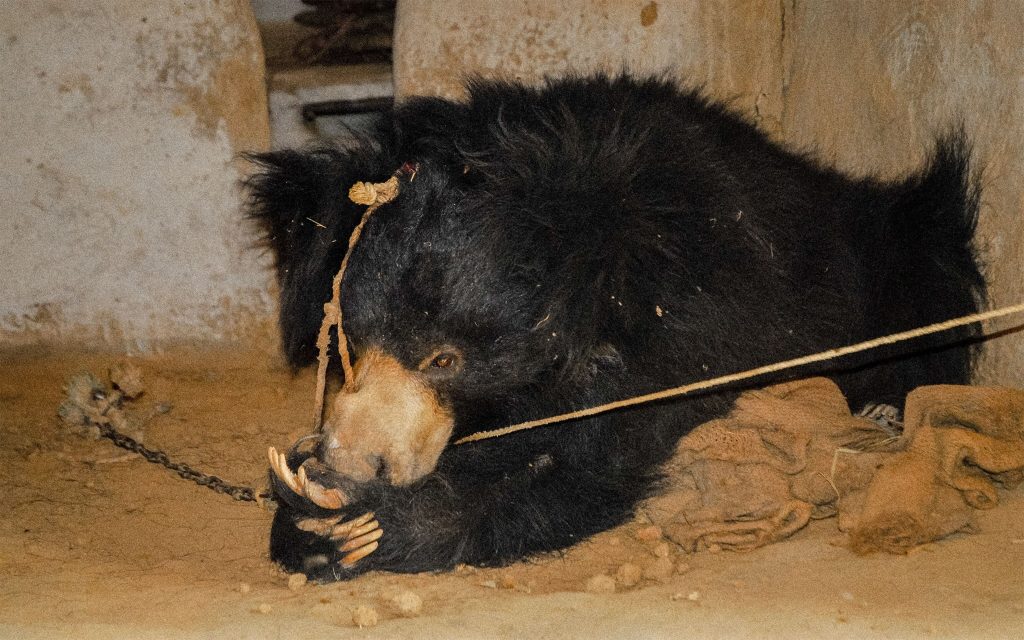
In the United States, the growing fascination with exotic pets has prompted a complex web of legal regulations aimed at controlling the trade and breeding of these animals. Nevertheless, the illegal wildlife trade remains a pressing issue, with many animals smuggled for the pet and exotic market. This underground economy raises serious ethical questions about conservation efforts and the responsibility of owners and breeders alike. Efforts to crack down on these practices include stricter import laws and awareness campaigns, but challenges remain due to the sheer volume of demand and the sophistication of trafficking networks.
Conclusion
The discussions surrounding exotic animal breeding highlight the delicate balance between individual desires and the well-being of our planet’s ecosystems. By fostering awareness of the ecological implications and ethical responsibilities that accompany exotic pet ownership, society can work towards better practices that support both biodiversity and human exploration of the natural world. Understanding these dynamics is essential for shaping future conversations and policies aimed at preserving our environment for generations to come.
DISCOVER MORE: Click here to learn about the environment’s role in pet training
Evaluating the Consequences of Exotic Animal Breeding
The practice of exotic animal breeding is not solely a matter of personal preference or lifestyle choice; it has far-reaching implications for both local and global biodiversity. As the trend of keeping unusual pets escalates, the need to grapple with the ecological consequences becomes increasingly important to ensure the protection of natural environments. Understanding the ripple effects of introducing exotic species into various ecosystems is crucial in comprehending the broader impact of these practices.
Alterations in Ecosystem Dynamics
When exotic animals are bred and subsequently released or escape into the wild, they can significantly alter the dynamics of existing ecosystems. The introduction of new species can disrupt predator-prey relationships, potentially leading to the decline or extinction of native species. A classic illustration of this phenomenon can be observed in the case of the green iguana, which, originally from Central and South America, has established feral populations in Florida. These iguanas compete with native reptiles for food and habitat, raising concerns about the survival of local species.
Threat to Native Species
Exotic animal breeding not only affects the structure of ecosystems but also imposes direct threats to native species. Numerous studies indicate that approximately 42% of threatened or endangered species are at risk primarily due to competition from invasive species. For instance, the introduction of non-native African honey bees into the Americas has led to significant changes in local pollinator dynamics, affecting the reproduction of multiple native plant species and indirectly impacting entire food webs.
Effects on Genetic Diversity
Maintaining genetic diversity is paramount for the health of species. However, the dominance of specific exotic breeds through selective breeding practices often leads to genetic homogenization. This phenomenon diminishes the genetic pool of both captive and wild populations, making them less adaptable to changing environments and more vulnerable to diseases. A notable concern exists with dog breeding practices, which have resulted in purebred dogs exhibiting increased susceptibility to genetic disorders. Such trends reflect broader issues tied to the management of genetic diversity in exotic animals.
Unregulated Breeding Practices
The surge in interest for exotic animal breeding has sparked a surge in unregulated breeding practices, raising serious concerns regarding animal welfare and ecological sustainability. According to the U.S. Fish and Wildlife Service, an estimated 12 million exotic pets are kept in American households, leading to many cases of irresponsible breeding and care. The consequences can be dire for individual animals and the environments into which they are introduced. Proper regulations and guidelines are essential to mitigate these risks and promote conscientious ownership.
Public Awareness and Education
An informed public plays a vital role in addressing the challenges posed by exotic animal breeding. Educational initiatives aimed at raising awareness about the ecological impacts can help shift societal attitudes toward responsible pet ownership. Here are some key points to consider:
- The significance of maintaining native wildlife populations.
- The ethical implications of breeding for aesthetics versus ecological integrity.
- Understanding the responsibilities that come with owning exotic animals.
By enhancing public knowledge, it is possible to nurture a culture of conservation that respects both exotic species and the biodiversity that sustains our planet.
| Category | Description |
|---|---|
| Genetic Diversity | Exotic animal breeding can lead to a decline in genetic diversity, which is crucial for the resilience of species. |
| Habitat Displacement | The introduction of exotic species can disrupt local ecosystems, causing habitat displacement for native wildlife. |
Exotic animal breeding has become a highly debated topic as it touches on essential aspects of both local and global biodiversity. The practice not only raises ethical questions but also threatens various ecosystems through unregulated releases and escapes. These exotic animals, once bred for captivity, can become invasive and outcompete native species for resources, dramatically altering the balance of their new environments.In addition to genetic diversity, which serves as a buffer against disease and environmental changes, the proliferation of exotic species directly impacts habitat integrity. For instance, species like the Burmese python in Florida have devastated local populations of native birds and mammals. Such scenarios underline the importance of strict regulations and awareness surrounding exotic animal breeding. Society must take heed of these impacts before full-blown ecological disasters ensue, emphasizing the urgent need for education and responsible practices in wildlife management.
DISCOVER MORE: Click here to learn about effective training techniques
Deeper Implications of Exotic Animal Breeding for Conservation Efforts
The complex interplay between exotic animal breeding and conservation extends beyond individual species and ecosystems, influencing global biodiversity and conservation strategies. While the allure of exotic pet ownership captivates enthusiasts, the overall implications prompt a reevaluation of how societies value and interact with wildlife.
Increased Risk of Zoonotic Diseases
Exotic animal breeding elevates the potential for zoonotic diseases—illnesses transmitted from animals to humans. An alarming case is the outbreak of COVID-19, which originated in a wildlife market, sparking global health concerns. Exotic species often carry pathogens that can thrive in human populations when appropriate vectors exist. These diseases pose serious health risks and serve as a stark reminder of the interconnectedness of humans and wildlife. Addressing these risks requires strict regulations on breeding and trade, alongside enhanced surveillance measures for potential outbreaks linked to exotic pets.
The Economic Impact
Exotic animal breeding does not merely affect biodiversity; it has significant economic implications. The wildlife trade, which includes both legal and illegal activities, is valued at approximately $23 billion annually. This lucrative market can encourage the over-exploitation of wild populations, driving species closer to extinction. Furthermore, the economic consequences can ripple through local communities reliant on native species for livelihoods, tourism, and cultural practices. For example, community-based conservation programs that focus on preserving natural habitats can suffer when exotic species disrupt local ecosystems and the services they provide.
Challenges of Reintroduction Programs
With the increasing introduction of exotic species comes the challenge of reintroducing native species that have declined in numbers. Conservation efforts become complicated as exotic species often occupy the ecological niche that native species require for survival. Attempts to restore ecosystems can lead to conflicts and discrepancies in conservation strategies. The California condor, for example, faced challenges during its reintroduction due to predation by non-native golden eagles that expanded in population when their natural prey declined. This illustrates the complex web of interactions and the necessity for comprehensive planning in conservation initiatives.
Legal and Ethical Perturbations
The legality of exotic animal breeding varies dramatically across regions, with many laws struggling to keep pace with the growing market. There are disparities between states, creating a patchwork of regulations that can either protect or endanger local biodiversity. Ethical considerations become paramount as well. Is it justifiable to breed exotic animals for the sake of personal enjoyment when their presence jeopardizes ecological balance? This moral dilemma stresses the importance of holistic approaches to legislation that prioritize both human enjoyment and environmental stewardship.
Innovative Conservation Approaches
In response to the challenges presented by exotic animal breeding, conservationists are exploring innovative approaches. One promising avenue is the use of technology in monitoring and controlling exotic populations. For example, remote sensing and tracking devices can aid in understanding migration patterns and interactions between species, facilitating timely interventions when necessary. Furthermore, programs emphasizing captive breeding and re-release of endangered native species may enable a counterbalancing act, ensuring the survival of irreplaceable wildlife.
Ultimately, the adverse effects of exotic animal breeding on biodiversity call for a converging effort by governments, scientists, and local communities to create sustainable frameworks that can mitigate risks while fostering a greater understanding of the intrinsic value of biodiversity.
DISCOVER MORE: Click here to learn about the latest trends
Conclusion: Rethinking Exotic Animal Breeding in a Biodiversity Context
The impact of exotic animal breeding on local and global biodiversity represents a critical crossroads that requires immediate and informed consideration. As we’ve uncovered, the repercussions extend well beyond individual species, affecting entire ecosystems, public health, and local economies. Increasing instances of zoonotic diseases, the economic strain of unsustainable wildlife trade valued at approximately $23 billion, and the significant hurdles faced in reintroduction programs highlight an urgent need for a comprehensive reevaluation of how exotic species are perceived and managed.
Moreover, legal and ethical challenges surrounding exotic animal breeding provoke important questions about societal values and responsibilities toward the environment. As we navigate this intricate web of interactions, it becomes evident that a multifaceted approach encompassing policy, public awareness, and innovative conservation strategies is essential. The potential for technology to monitor and manage populations in real-time, coupled with initiatives aimed at restoring native species, can help rebalance the scales favorably for biodiversity.
Ultimately, the survival of unique ecosystems and countless species—many of which provide indispensable ecological services—depends on our ability to recognize the profound implications of exotic animal breeding. By fostering collaboration among governments, scientists, and local communities, we can create sustainable frameworks that prioritize both the enjoyment of biodiversity and its conservation. The time has come to act decisively, ensuring that the vibrant tapestry of our planet’s wildlife remains intact for generations to come.
Related posts:
The History of Exotic Animal Adoption and Its Cultural Influences in the USA
Exploring Diversity: Exotic Animals and Their Specific Needs
The Interaction between Exotic Animals and Children: Benefits and Precautions
Exotic Animals and the Need for Specific Veterinary Care
Conservation Ethics Debating Exotic Pets in Home Settings
Legality and Ethics in the Possession of Exotic Animals in the United States

Linda Carter is a writer and pet care expert specializing in pet health, grooming, and wellness. With extensive experience helping pet owners create safe, loving, and enriching environments for their animals, Linda shares her knowledge on our platform. Her goal is to empower readers with practical advice and strategies to ensure their pets thrive and lead joyful, healthy lives.