Positive Reinforcement Strategies for Training Cats
Unlocking Your Cat’s Potential
Training cats can sometimes feel like an uphill battle. However, using positive reinforcement strategies can make the process enjoyable and effective for both you and your feline friend. This method focuses on rewarding desired behaviors, rather than punishing unwanted ones. By fostering a learning environment infused with kindness and rewards, you can encourage behaviors that lead to a harmonious household.
Why Choose Positive Reinforcement?
- Builds Trust: Positive reinforcement helps to strengthen the bond between you and your cat. When a cat knows that its good behavior will be rewarded, it fosters a sense of security and trust in its owner.
- Enhances Learning: Studies have shown that cats respond better to rewards than punishments. This leads to quicker learning, as the cat associates specific actions with positive outcomes.
- Reduces Stress: This training method minimizes anxiety, creating a peaceful environment for both pet and owner. A relaxed cat is more open to trying new things and engaging with their owner.
By incorporating rewards such as treats, praise, or playtime, you can motivate your cat to repeat desirable actions. For example, if your cat uses the litter box correctly, rewarding it immediately with a small treat can make this behavior more likely to continue. Furthermore, positive reinforcement can address a variety of behaviors, making it versatile for different training scenarios, from basic commands to more complex tricks.
Examples of Positive Reinforcement Strategies
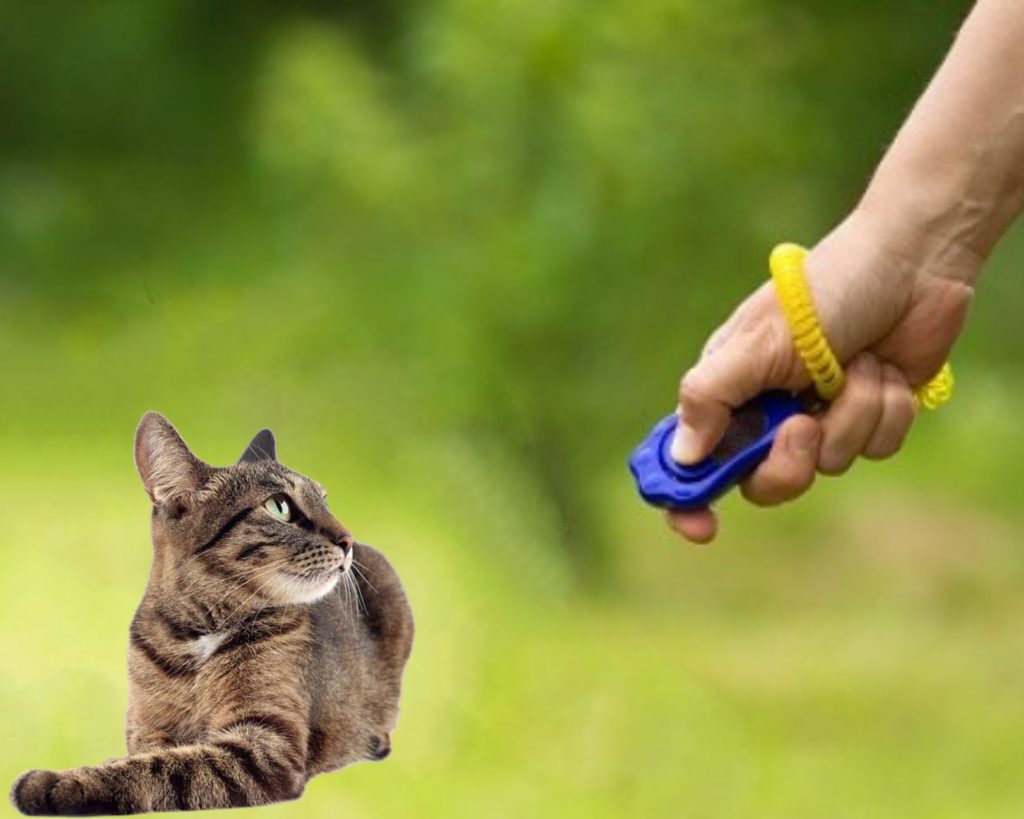
- Clicker training: This method uses a small device that makes a distinct clicking sound to mark the precise moment your cat performs the desired behavior. Pairing the click with a treat helps create a clear communication system between you and your pet.
- Treats: Offering a tasty morsel when your cat uses a scratching post instead of the furniture serves not only to reinforce the behavior but also satisfies its natural instinct to scratch.
- Interactive toys: These toys can act as both rewards and practice tools for learning tricks. For example, if you teach your cat to ‘sit,’ rewarding it with an interactive toy to play with will make the learning process more engaging.
In the following sections, we will explore these techniques in-depth, equipping you with the necessary tools to train your cat successfully. Understanding and implementing these strategies can transform the way you interact with your pet, leading to a happier, well-behaved companion. Positive reinforcement is not merely about teaching commands; it’s about enriching your cat’s life and enhancing the connection you share. By nurturing a trusting and supportive training atmosphere, both you and your cat will reap the rewards in the long run.
DISCOVER MORE: Click here for insights on exotic pet trends
Essential Techniques for Effective Cat Training
When it comes to training cats, the approach you choose can significantly impact the results you achieve. Positive reinforcement strategies empower you to encourage good behaviors by associating them with enjoyable rewards. Understanding how to effectively use these techniques can transform your training sessions into positive experiences for both you and your cat. Here are some proven strategies that can enhance your cat training journey.
Understanding Your Cat’s Motivations
Before diving into specific training methods, it is crucial to identify what motivates your cat. Each feline has unique preferences that can serve as effective rewards. Some might respond well to food treats, while others may prefer praise, petting, or interactive play. As you develop your training routine, pay attention to your cat’s reactions and adjust your rewards accordingly. Here are some common motivators:
- Food Treats: High-value treats, such as small portions of cooked chicken or commercial cat treats, can quickly grab your cat’s attention and are often used as primary rewards during training.
- Verbal Praise: Cats may not understand human language, but they can certainly recognize an enthusiastic tone. Positive verbal reinforcement can help create an emotional connection.
- Playtime: Engaging with your cat using their favorite toys not only serves as a reward but also promotes exercise and bonding.
Once you identify what motivates your cat, you can tailor your training sessions to harness those incentives effectively. This approach will increase the likelihood that your cat will engage with the learning process and repeat the desired behaviors.
Implementing Reward Schedules
In training cats, consistency is key. However, the way rewards are distributed can also impact learning. Reward schedules can vary from continuous reinforcement, where every desired behavior is rewarded, to partial reinforcement, where rewards are given sporadically. Here’s how each approach can be utilized:
- Continuous Reinforcement: This method is beneficial for teaching new behaviors. When your cat first learns an action, such as ‘sit,’ rewarding every attempt helps them understand what you expect.
- Partial Reinforcement: Once your cat has begun to learn the desired behavior, you can transition to partial reinforcement. This method helps maintain the behavior in the long term, as the unpredictability of rewards can keep your cat engaged and motivated.
Transitioning between these reinforcement schedules requires careful observation of your cat’s response. Too much inconsistency can lead to confusion, while too much rigidity in reward distribution can lead to disinterest. Fine-tuning this balance will lead to more effective training outcomes.
As we dive deeper into the fascinating world of positive reinforcement strategies for training cats, remember that patience and understanding are your greatest allies. In the upcoming sections, we will explore practical exercises, share insights on common challenges, and determine how to keep the training process fun for both you and your feline companion.
| Positive Reinforcement Techniques | Benefits |
|---|---|
| Clicker Training | Promotes clear communication between you and your cat, enhancing learning speed. |
| Treat Rewards | Boosts motivation, leading to a more engaged and responsive feline. |
| Verbal Praise | Strengthens the bond between owner and cat, encouraging a trusting relationship. |
| Interactive Play | Enhances physical and mental stimulation, leading to healthier behaviors. |
Using positive reinforcement strategies such as these not only aids in cat training but also contributes to overall well-being. As you implement these techniques, consider the unique personality and preferences of your cat to optimize training effectiveness. This approach fosters an environment of learning and enjoyment, making the training process a rewarding experience for both you and your pet. Each method plays a vital role in imparting desirable behaviors while simultaneously building a stronger bond. Exploring different strategies can unveil new dimensions of your cat’s capabilities, enriching your relationship.
LEARN MORE: Click here to discover the perfect pet for your family
Techniques to Enhance Learning and Engagement
In addition to understanding motivations and implementing reward schedules, there are several other techniques that can enrich your training sessions. Each method provides unique opportunities to foster a positive and engaging environment, ensuring both you and your cat find joy in the learning experience.
Utilizing Clicker Training
One of the most effective positive reinforcement strategies is clicker training. This method involves using a small device that produces a distinct “click” sound to mark desired behaviors. The sound becomes a signal to your cat that they have performed the desired action successfully, and they can expect a reward shortly thereafter. The use of a clicker provides consistency, which is vital for effective learning.
To start clicker training, introduce your cat to the clicker using high-value treats. Each time your cat performs a desired behavior, click and immediately reward them. With practice, your cat will associate the click sound with a successful action and a forthcoming reward. This technique can be particularly useful for complex behaviors like ‘fetch’ or ‘roll over’ where precise timing is essential.
Maintaining Short and Fun Sessions
Another key strategy is to keep your training sessions short and entertaining. Cats often have limited attention spans, and lengthy sessions can lead to frustration for both you and your pet. Aim for sessions that last between 5 to 10 minutes, focusing on a specific behavior during each segment. This approach allows you to maximize concentration and minimize boredom.
Incorporating elements of fun, such as incorporating playtime with toys, can also keep your cat engaged. For example, if you are training your cat to come when called, reward them with a brief session of their favorite game immediately after they respond. By linking training with play, you create an environment that your cat is eager to be part of, enhancing the learning experience.
Consistency in Cues and Commands
To build on learned behaviors effectively, maintain consistency in your cues and commands. Use the same words and hand signals for specific actions. For instance, if you are teaching your cat to jump on a surface using the command “up,” ensure you always use that word when beckoning them to ascend. Cats learn through repetition and association, and inconsistency can lead to confusion and frustration.
Moreover, use visual signals alongside verbal commands. Cats are highly visual creatures, and incorporating gestures or body language can reinforce learning. You might find that they respond better to a consistent hand signal along with verbal commands, creating a more enriching learning experience.
Positive Environment and Patience
Lastly, fostering a positive training environment is crucial. Ensure that the training space is free from distractions, creating a peaceful atmosphere that encourages focus. Additionally, understand that training takes time, and some behaviors may require multiple sessions to grasp fully. Patience goes a long way; celebrating small victories along the way will keep motivation high.
Engaging in positive reinforcement strategies for training cats can greatly enhance your bond with your feline companion while promoting desirable behaviors. As we continue exploring the intricacies of training, look forward to discussing practical exercises you can implement and how to navigate common challenges encountered during the training process.
DISCOVER MORE: Click here for helpful tips
Conclusion: Strengthening Bonds Through Positive Reinforcement
Harnessing positive reinforcement strategies for training cats is not just about teaching tricks; it’s an opportunity to deepen the bond you share with your feline friend. By utilizing methods such as clicker training, maintaining short and enjoyable sessions, and ensuring consistency in cues, you create a more effective and engaging learning environment. Your cat’s ability to associate positive experiences with training fosters trust, making them more eager to learn and engage with you.
The essence of successful training rests on patience and understanding. A positive environment that minimizes distractions and celebrates small successes will encourage your cat to embrace new behaviors enthusiastically. Remember that every cat is unique; some may respond quicker than others. Being adaptable in your approach, mixing in playfulness, and recognizing their individual preferences in rewards are all critical to harnessing their full potential in training.
As you implement these strategies, you’ll find that effective training leads to a more harmonious relationship, characterized by mutual respect and understanding. Future discussions can further explore specific exercises and solutions to common training challenges, so you may continue your journey toward becoming the cat trainer you aspire to be. The adventure of sharing life with a cat is enriched through communication, patience, and of course, the joy of shared achievements.
Related posts:
Understanding the Impact of Environment on Pet Training Success
Utilizing Technology: Apps and Tools to Enhance Your Pet Training Experience
Integrating Training Sessions into Daily Routines for Busy Pet Owners
Effective Puppy Training Techniques for First-Time Dog Owners
Using Obstacle Courses to Enhance Your Pet's Training Experience
Understanding Breed-Specific Training Needs for Effective Results

Linda Carter is a writer and pet care expert specializing in pet health, grooming, and wellness. With extensive experience helping pet owners create safe, loving, and enriching environments for their animals, Linda shares her knowledge on our platform. Her goal is to empower readers with practical advice and strategies to ensure their pets thrive and lead joyful, healthy lives.