The Emotional Benefits of Pet Adoption for All Ages
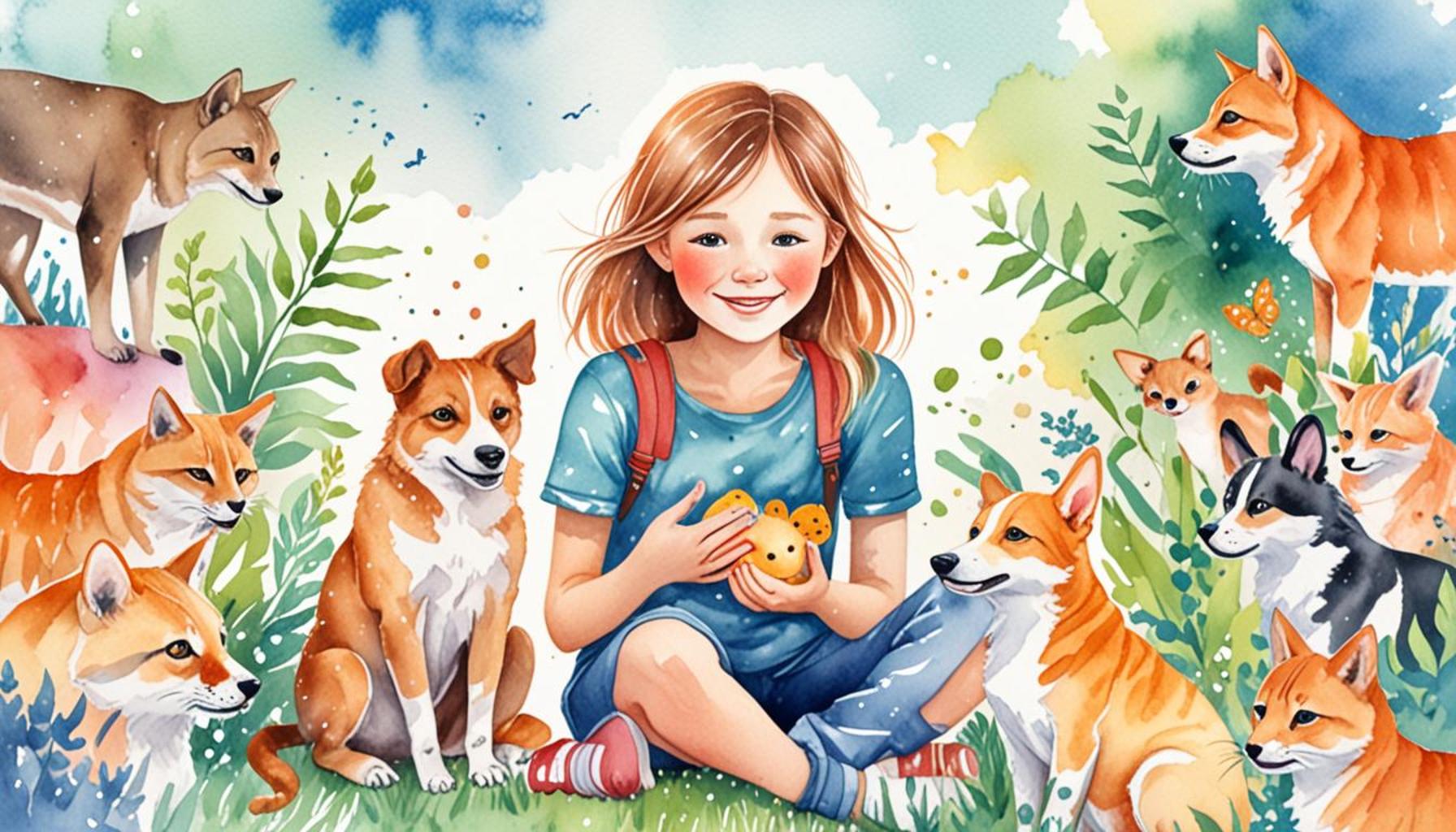
Understanding the Emotional Rewards of Pet Adoption
Adopting a pet can serve as a profound turning point, creating deep connections that extend beyond mere companionship. This relationship impacts individuals from diverse backgrounds and age groups. For children, welcoming a furry friend into the home can foster lessons about empathy, responsibility, and unconditional love. For the elderly, pets can transform feelings of isolation into feelings of being cherished, as they provide companionship and warmth in their daily lives. The bond between humans and pets transcends the need for physical presence; it speaks to the emotional landscape we traverse.
- Reduces Stress: Interaction with pets has been extensively researched, revealing that simply petting a dog or cat can lead to lower cortisol levels—a hormone associated with stress—and promote the release of endorphins. A study by the American Heart Association indicates that pet owners have improved cardiovascular health, which directly correlates to reduced stress levels.
- Boosts Happiness: A pet’s ability to provide unconditional love can create a safety net for emotional stability. For instance, studies show that children with pets exhibit fewer anxiety symptoms than those without, signifying the importance of having a loyal companion during formative years. Similarly, adults often report an immediate uplift in mood upon returning home to a wagging tail or a soft purr.
- Enhances Social Connections: Pets are often remarkable social catalysts. Dog owners frequently meet and bond over shared interests during walks or at dog parks. In fact, some community programs encourage pet adoption as a way to increase neighborhood interactions, showcasing how pets can bridge social gaps.
- Provides Sense of Purpose: Caring for a pet instills a sense of responsibility that enhances self-worth. For many, especially those undergoing life transitions or grappling with mental health challenges, having a routine that involves walking, feeding, and nurturing a pet can be incredibly grounding.
Research corroborates the assertion that pet owners, particularly those who opt for rescue pets, experience heightened levels of happiness and reduced feelings of loneliness. The emotional boost derived from these relationships can also lead to beneficial physical outcomes, as companionship often inspires a more active lifestyle and encourages outdoor activities.
As we delve deeper into the vast array of experiences tied to pet adoption, stories emerge that illustrate resilience, joy, and connection. Every adoption story echoes the sentiment that these beloved animals are not just pets; they are family members that contribute significantly to our emotional well-being. The healing power of a purring cat on your lap or a dog’s loving gaze can help heal wounds you may not even realize exist. The impact of adopting a pet reverberates through lives, reinforcing the essence of community and compassion.
DIVE DEEPER: Click here to learn more about how diet affects your pet’s lifespan
The Transformative Power of Pets in Our Lives
Pets have an undeniable ability to touch our hearts and transform our emotional landscapes. For people of all ages, the act of adopting a pet not only enhances the quality of life but also nurtures profound emotional benefits. The bond between a human and their animal companion can provide a sense of stability and joy that oftentimes transcends words. As we explore the emotional advantages of pet adoption, it’s crucial to recognize how these relationships foster resilience, social connections, and overall well-being.

The Healing Touch of Companionship
The comforting presence of a pet can act as a natural antidote to emotional distress. The simple act of stroking a cat or dog can trigger the release of oxytocin, often referred to as the “love hormone.” This hormone plays a significant role in enhancing feelings of trust and affection, which is vital for individuals experiencing mental health issues or feelings of loneliness. Research indicates that pet owners report lower levels of depression and anxiety, especially in communities where individuals may feel isolated.
Bridging Generational Gaps
Pet adoption also serves as a remarkable bridge between generations. Children learn vital lessons about empathy, such as recognizing when a pet is happy or distressed, fostering their emotional intelligence. This learning curve continues into adulthood, where the habits of caring for another living being instill a profound sense of responsibility. For the elderly, having a pet offers companionship that can combat feelings of isolation as they navigate through life’s transitions. In fact, a study conducted by the National Institutes of Health revealed that older adults who owned pets reported higher levels of life satisfaction, reinforcing the idea that animals fulfill crucial emotional needs at any stage of life.
Structured Routines Enhance Mental Well-Being
Caring for a pet often brings structure to daily lives, igniting a sense of purpose that can be particularly beneficial during rough patches. The responsibility of walking, feeding, and grooming a pet creates an engaging routine that alleviates feelings of inertia and helplessness. For many individuals, especially those struggling with mental health challenges, pets become a motivating force that propels them toward action. This level of engagement can be particularly rewarding, as it not only helps in managing mental well-being but also creates a deeper bond between the pet and the owner.
- Pets uplift mood: Daily interactions with pets, whether through play or simple companionship, contribute significantly to emotional upliftment.
- Fosters trust and security: Pets offer unwavering loyalty, creating emotional stability in the owner’s life.
- Encourages outdoor activities: Dogs, in particular, incentivize their owners to be more active, benefiting both physical and emotional health.
The emotional benefits of pet adoption resonate deeply, reflecting the broad impact these furry companions can have on our lives. They don’t just fill our homes; they fill our hearts, teaching us valuable lessons while enhancing our connections to the world. Each adoption story reinforces the notion that pets are not mere animals; they become integral parts of our emotional fabric, helping us to navigate life’s peaks and valleys with greater resilience.
| Emotional Connection | Key Features |
|---|---|
| Companionship | Pets provide unwavering companionship that can alleviate feelings of loneliness. |
| Emotional Support | The presence of pets significantly enhances emotional well-being, especially in times of stress. |
| Building Responsibility | Adoption fosters a sense of responsibility and commitment across all age groups. |
| Therapeutic Effects | Interacting with pets has proven therapeutic effects for both children and elderly individuals. |
The emotional benefits of pet adoption extend beyond mere companionship. Individuals of all ages often find an unbreakable bond with their pets, enriching their emotional experiences. Particularly for children, having a pet can teach valuable lessons about empathy and care, helping them navigate their feelings in constructive ways. For the elderly, companion animals can drastically reduce feelings of isolation, providing a sense of purpose and connection.Furthermore, the act of caring for a pet can ignite a profound sense of joy. Children learn to nurture, while adults and seniors experience laughter and happiness from the antics of their beloved animals. Research has shown that pet owners report higher satisfaction levels concerning their emotional health, often attributing this to the unconditional love pets provide. This connection, rooted deeply in trust and affection, fosters not only emotional growth but also enhances social interaction among family and friends who gather around a common love for their furry companions.
DIVE DEEPER: Click here to discover more about pet nutrition and longevity
Fostering Emotional Growth Through Care
Beyond companionship, adopting a pet encourages profound emotional growth across various age groups. The interactive nature of pet care necessitates a continuous exchange of love, patience, and understanding, all of which can significantly enhance psychological resilience. For children, nurturing a pet entails setting aside their needs, fostering selflessness, and learning to manage emotions in the process. This development is crucial as they navigate social interactions and build relationships later in life.
The Role of Pets in Stress Management
Pets can act as a buffer against stress, making their presence a valuable asset in our lives. A comprehensive study by the American Psychological Association has shown that engaging with pets can lead to marked decreases in cortisol levels, the hormone primarily associated with stress. For teenagers and young adults, who often face academic pressures and social anxiety, having a furry friend can serve as a protective factor against overwhelming feelings. Participating in activities with their pets, such as walking or playing fetch, encourages physical activity, which further contributes to mental well-being.
Animals as Social Catalysts
One of the hidden benefits of pet ownership is its ability to facilitate social interactions. For individuals who may struggle with social anxiety, pets can serve as effective icebreakers. Dog parks, for instance, provide not only a space for dogs to play but also a venue for pet owners to connect with others. These interactions can lead to friendships and create strong social networks that significantly enhance emotional health. Statistics show that pet owners often report feeling more socially connected and engaged, illustrating that pets have the unique power to bridge social divides and create communities.
Emotional Feelings of Unconditional Love
The love that comes from a pet is often described as unconditional, offering emotional safety and support that can be life-affirming. This sentiment is particularly crucial for vulnerable populations, such as those in shelters, elderly individuals, or people recovering from traumatic experiences. The steadfast loyalty of pets helps foster a sense of belonging and acceptance, which can be life-changing for someone in need of emotional stability. Research indicates that individuals recovering from trauma show improvements in emotional health and overall outlook on life when paired with animal companionship.
- Enhances emotional cognition: Pets encourage owners to recognize and respond to a range of emotions, enriching their emotional vocabulary.
- Encourages patience and responsibility: Learning to care for a pet cultivates essential life skills that contribute to personal development.
- Acts as a calming influence: Pets have a unique ability to reduce feelings of anxiety and promote relaxation through their gentle and loving nature.
The emotional benefits of pet adoption extend far beyond the confines of companionship; they play a significant role in shaping our emotional landscape and growth throughout life’s various stages. Through the lens of their unwavering loyalty, pets teach us invaluable lessons about love, empathy, and resilience, continually enriching our lives both emotionally and socially.
DISCOVER MORE: Click here to learn about caring for reptiles
Conclusion: The Transformative Power of Pet Adoption
In summary, the emotional benefits of pet adoption are profound and far-reaching, impacting individuals across all age groups. From children to seniors, the ability to connect with an animal fosters emotional resilience, enhances social skills, and serves as a powerful tool for stress management. The sense of responsibility that comes with caring for a pet not only teaches vital life lessons but also builds a strong foundation for empathy, patience, and unconditional love.
The presence of a pet has the unique ability to bridge the gap between individuals, creating opportunities for social interaction that might otherwise be daunting for some. As highlighted by various studies, the act of pet adoption extends beyond mere companionship; it creates communities and fosters connections that enhance emotional well-being. Furthermore, for those navigating challenging life circumstances, the steadfast love and loyalty of a pet can provide the much-needed emotional support and stability.
As we continue to explore the multifaceted relationship between humans and animals, it becomes evident that pet adoption is not just beneficial but transformative. Each adoption story adds to the rich tapestry of human experience, showcasing how pets can elevate our mental health, improve our social connections, and promote an overall sense of belonging. For anyone contemplating adoption, the decision is more than welcoming an animal into your home; it is an invitation to a deeply rewarding emotional journey that benefits both the individual and the adopted pet.
Related posts:
How Animal Adoption Programs Are Transforming Lives in Low-Income Communities
Tips for Preparing Your Home for a New Four-Legged Friend
The Role of Celebrities in Animal Adoption: Influence and Responsibility
The Importance of Animal Adoption in Reducing Abandonment
Animal Adoption Success Stories Transforming Lives Homes in the USA
Government and Private Initiatives to Encourage the Adoption of Animals from Shelters

Linda Carter is a writer and pet care expert specializing in pet health, grooming, and wellness. With extensive experience helping pet owners create safe, loving, and enriching environments for their animals, Linda shares her knowledge on our platform. Her goal is to empower readers with practical advice and strategies to ensure their pets thrive and lead joyful, healthy lives.