The Growing Popularity of Exotic Pets in American Homes
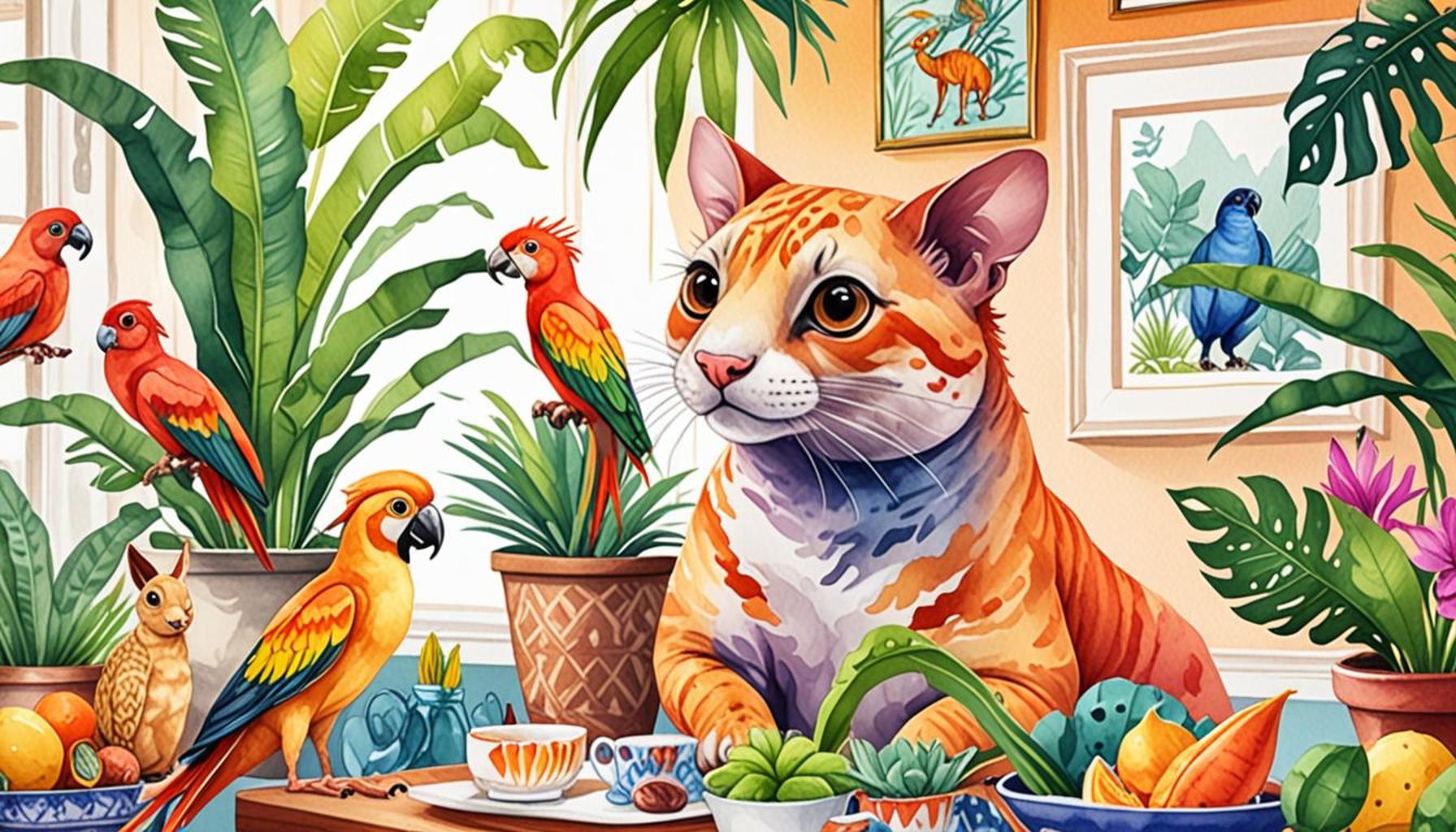
The Rise of Unconventional Pets in American Households
In recent years, American households have experienced a significant increase in the adoption of exotic pets. This trend not only indicates a noticeable shift in pet ownership preferences but also highlights a growing desire for unique and engaging companions that differ from traditional dogs and cats. The allure of these unconventional animals captivates the imagination and prompts deeper inquiry into the motivations and implications of this phenomenon.
Reasons Behind the Trend
Several interrelated factors contribute to the rising popularity of exotic pets:
- Novelty: As many pet owners become increasingly disillusioned with the standard options of dogs and cats, the quest for something extraordinary drives them towards exotic species. The thrill of owning a pet that stands out can be incredibly appealing. Unique pets like hedgehogs or miniature pigs offer memorable experiences—rarities in a world filled with conventional choices.
- Collectibility: For some enthusiasts, exotic pets can become a hobby akin to collectible art or rare coins. Exotic species such as reptiles, tropical birds, and small mammals allow owners to curate a captivating collection. This aspect of pet ownership has spawned countless online communities and social media platforms dedicated to sharing tips, experiences, and stories of these fascinating creatures.
- Companionship: Exotic pets often possess distinctive personalities that can provide fulfillment beyond what traditional pets offer. Animals such as African grey parrots or sugar gliders can form strong bonds with their owners, exhibiting affection and interaction that rival that of more common pets. These connections are both enriching and rewarding for those who seek deep relationships with their animal companions.
Exotic Pets in Focus
Among the myriad of exotic animals being embraced in American homes, a few stand out for their popularity and distinct characteristics:
- Ball Pythons: These snakes are lauded for their calm demeanor and stunning patterns that appeal to many reptile enthusiasts. Ball pythons are often recommended for first-time snake owners due to their manageable size and ease of care.
- Macaws: Known for their vibrant feathers and remarkable intelligence, macaws are not just beautiful birds but also social creatures that thrive on interaction. Their ability to mimic human speech and engage with their environment keeps owners entertained and captivated.
- Sugar Gliders: These charming marsupials have gained popularity thanks to their affectionate nature and adorable appearance. Known for their gliding capabilities, they can form strong bonds with their human counterparts, offering companionship that many find irresistible.
This exploration into the world of exotic pets reveals a complex tapestry of motivations, ethical considerations, and emerging trends warranting further investigation. As society continues to embrace these unique companions, important questions arise regarding responsibility, proper care, and the future landscape of pet ownership in America. The decision to welcome an exotic pet into one’s home requires thoughtful consideration of not only the joys they bring but also the commitment to understanding and meeting their specialized needs.
DISCOVER MORE: Click here to learn about the benefits of socialization in dog training

Understanding the Allure of Exotic Companions
The surge in the popularity of exotic pets among American households is not just a fleeting trend; it reflects a deeper cultural shift towards diversifying the types of animals people wish to include in their lives. Owning an exotic pet has become synonymous with a sense of adventure and individualism, as pet owners seek to express their unique personalities through their choice of animal companions. Many enthusiasts report that their achievements in captivating and caring for these unconventional pets provide them with a profound sense of accomplishment.
The Psychological Appeal
The psychological benefits of owning a unique pet are noteworthy. A significant part of the attraction lies in the exotic pet experience—a feeling of novelty and excitement that traditional pets may no longer offer. According to a survey conducted by the American Pet Products Association (APPA), nearly 15% of households in the United States now own an exotic pet, with further projections indicating this number is likely to expand as interest continues to grow.
This desire for companionship, coupled with the ever-increasing access to information on caring for exotic creatures, has made it easier for prospective owners to make informed decisions. As social media platforms highlight these unique animals, they have successfully generated buzz and a more significant following among pet enthusiasts eager to share their experiences.
Considerations for Exotic Pet Ownership
Even with the enthusiasm surrounding exotic pets, potential owners must consider the complexities involved in their care. Exotic species frequently come with unique dietary, habitat, and social needs that diverge from conventional pets. Owners must invest considerable time and resources to ensure proper living conditions and a balanced diet. Common exotic pets like ferrets, reptiles, and small mammals often require specialized environments, making them a commitment that should not be taken lightly.
Additionally, legal regulations regarding exotic pet ownership can vary significantly from state to state. Potential owners must do thorough research to confirm that they can legally own the exotic species they are considering. Here are some key considerations to keep in mind:
- Research Species Requirements: Different species have distinct needs, ranging from housing and diet to socialization and environmental factors. Detailed research can prevent potential issues down the line.
- Compliance with Local Laws: Some states have strict regulations against owning certain exotic animals; understanding these laws is vital to ensure a legal and responsible ownership experience.
- Rescue and Adoption Options: Many exotic pets find their way into rescue organizations due to the challenges of ownership. Considering adopting can help provide a home for an animal in need while also joining the growing community of responsible exotic pet owners.
As the allure of exotic pets continues to resonate throughout America, it is essential to approach ownership with an informed and responsible mindset. The excitement of sharing life with these unique animals should be balanced with a commitment to their long-term care and well-being. In doing so, both owners and pets can embark on enriching journeys that deepen their bonds and broaden their horizons.
| Category | Advantages |
|---|---|
| Unique Companionship | Exotic pets, such as reptiles and birds, offer a sense of individuality and unique companionship that traditional pets may not provide. |
| Low Maintenance | Many exotic pets require less daily upkeep than cats or dogs, making them appealing to busy individuals or families. |
| Educational Value | Owning exotic pets can provide children and adults alike with essential learning experiences about biology, ecosystems, and responsibility. |
| Conversation Starters | Exotic pets often draw interest from friends and family, making them excellent conversation starters and additions to social interactions. |
The increasing allure of owning exotic pets across American homes has transformed the landscape of pet ownership. With the rise in popularity, it is crucial to understand these unique companions’ benefits and responsibilities. Many exotic pets require specific care that motivates owners to conduct in-depth research, leading to a broader awareness of animal welfare and environmental conservation. Furthermore, their unusual nature intrigues prospective pet owners, making them keen on learning about the distinctive care requirements for species ranging from tropical fish to lizards, fostering a deeper connection with nature. As we delve into this trend, it becomes evident that the move towards exotic pets goes beyond mere novelty; it incorporates elements of both culture and education, inviting families into a world of discovery.
DISCOVER MORE: Click here to learn about training solutions
The Marketplace for Exotic Pets
The burgeoning interest in exotic pets has fueled a dynamic marketplace that encompasses both breeders and retailers. According to the latest information from the American Pet Products Association, more than 4 million households in the U.S. own reptiles, birds, or other exotic animals, creating a robust industry that caters specifically to these unique species. From specialty pet stores in major urban centers to online platforms that facilitate access to unique breeds and species, the marketplace has expanded significantly to meet the growing demand.
The Influencers and the Online Community
Social media has played an instrumental role in the rising popularity of exotic pets. Platforms like Instagram, TikTok, and YouTube are filled with content showcasing the daily lives of these animals, allowing viewers to fall in love with everything from sugar gliders to hedgehogs. Influencers in the pet niche often share their experiences caring for exotic species, educating potential pet owners about the responsibilities that come with their adoption. These captivating posts not only entertain but also inform followers, making the prospect of owning an exotic animal feel accessible and exciting.
In recent years, there have been an influx of hashtags related to exotic pets, such as #ExoticPetsOfInstagram and #PetReptiles, which serve to connect enthusiasts and promote community engagement. This online interaction cultivates a shared passion and encourages discussions about care practices, habitat setups, and the stories of individual pets, thereby fostering a sense of belonging among owners and potential owners alike.
The Economic Impact of Exotic Pet Ownership
Beyond the emotional benefits, the economic implications of the exotic pet market cannot be overlooked. The exotic pet industry has become a multi-billion-dollar sector in the United States, attracting investments and creating jobs in various areas such as breeding, veterinary services, and retail. In fact, a study by IBISWorld estimates that the pet industry, including exotic animals, is projected to reach $109.6 billion by 2027, with a significant portion of that growth attributed to the demand for unique and exotic pets.
Pet care products specifically targeted toward exotic animals are also on the rise. This includes specialized foods, habitat supplies, and enrichment items designed to cater to the needs of unique species. For example, many companies are now producing vitamin-enriched diets for reptiles and innovative enclosures that mimic natural habitats, providing consumers with a variety of options to ensure their exotic animals thrive.
Challenges Faced by Exotic Pet Owners
While the allure of owning exotic pets is undeniable, it is important to highlight the challenges that new owners may face. One of the most significant issues is the potential for misinformation about the care and requirements of different species. With the internet being a primary source of information, potential pet owners might encounter conflicting data or outdated practices, resulting in inadequate care for their animals.
Furthermore, as exotic pet ownership grows, the responsibility extends beyond individual homes into the realm of conservation. Certain species may be threatened by overexploitation in the wild due to increased demand, exacerbating environmental concerns. Therefore, engaging in ethical sourcing and choosing pets from reputable breeders or rescues plays a critical role in supporting sustainable practices within the exotic pet industry.
In light of these complexities, education and advocacy for responsible ownership must remain a priority for the exotic pet community. Access to reliable information and open discussions about the realities of exotic pet care are essential for fostering a nurturing environment for both pets and their owners.
LEARN MORE: Click here for effective puppy training techniques
Conclusion: Embracing the Exotic
The increasing trend of exotic pets in American households is not merely a fad; it reflects a deeper yearning for unique connections and experiences with living creatures. The transformation of the pet market, bolstered by awareness on social media and shifting consumer interests, signifies a palpable change in how Americans perceive companionship. As enriched niche products flourish alongside a growing community of enthusiasts, potential pet owners are presented with both exciting opportunities and significant responsibilities.
However, along with the enchanting allure of owning exotic animals comes the essential need for education and ethical practices. As the industry expands, it is crucial to address the potential pitfalls, such as misinformation and overexploitation of species in the wild. The responsibility lies with both pet owners and the community at large to ensure that care knowledge is accurate and that the conservation of wildlife is upheld. Utilizing platforms for information sharing and engaging with reputable breeders can create a more informed and responsible environment for both the animals and their human caregivers.
The exotic pet phenomenon underscores a broader narrative: the desire for varied forms of companionship and the appreciation of biodiversity. For owners embarking on this journey, fostering a balance between love for their exotic pets and a commitment to their well-being and conservation will doubtlessly lead to rewarding experiences, not just for themselves, but for the planet as a whole. As we observe this fascinating trend evolve, it is imperative to continue advocating for ethics and education in the exotic pet community, paving the way for a future where these unique beings can thrive in harmony with their human companions.
Related posts:
Exotic Animals and Conservation: How Adoption Can Impact Wild Species
Care and Challenges in Keeping Reptiles as Pets
Exotic Pets on the Rise Trends Key Considerations for Owners
Exotic Animals as Pets: The Influence of Sustainability and Conservation Trends
The Impact of Social Networks on the Adoption of Exotic Animals as an Incentive for Awareness
Impact of Exotic Animal Breeding on Local and Global Biodiversity

Linda Carter is a writer and pet care expert specializing in pet health, grooming, and wellness. With extensive experience helping pet owners create safe, loving, and enriching environments for their animals, Linda shares her knowledge on our platform. Her goal is to empower readers with practical advice and strategies to ensure their pets thrive and lead joyful, healthy lives.