The History of Exotic Animal Adoption and Its Cultural Influences in the USA
The Allure of Exotic Animal Adoption in America
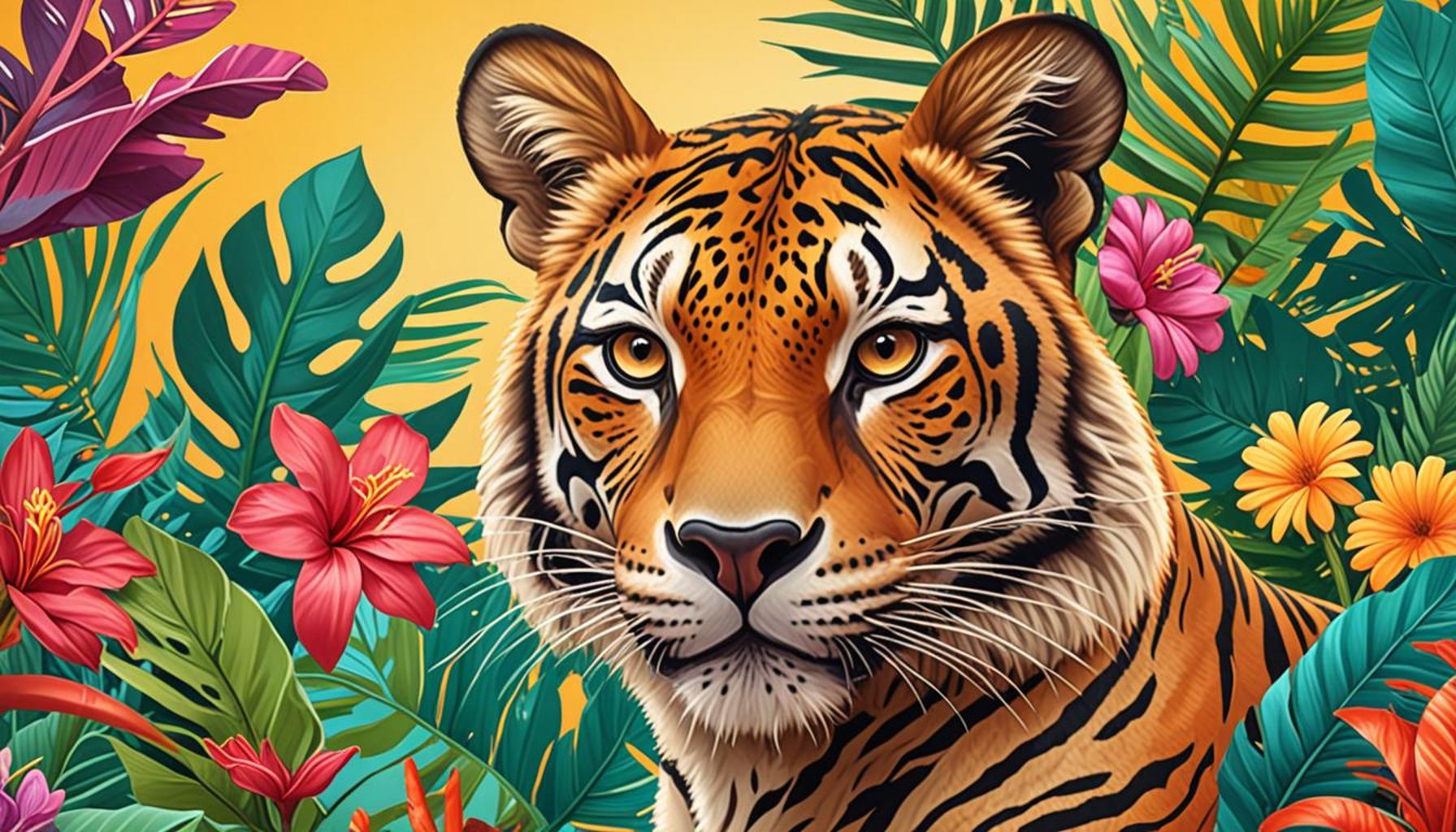
The complex relationship between humans and exotic animals has intrigued Americans for generations. These animals symbolize freedom, adventure, and a connection to the wild, enticing enthusiasts who wish to adopt them as pets. From the lavish estates of celebrities who showcase their unusual companions to various portrayals in pop culture, exotic pets have become a fascinating aspect of American life. As trends evolve, the motivations for adopting these unique animals continue to reflect societal changes and cultural influences.
Cultural Events Shaping Perception
Exotic animals have long been popular attractions in cultural events such as circus shows, aquariums, and films. Iconic performances by circus elephants or lion tamers captured the public’s imagination and fostered a fascination with large wild animals. Zoos, which once focused predominantly on native species, began to showcase exotic animals to draw more visitors. Movies, such as “Jungle Book” and “Madagascar,” have also influenced public interest, presenting these creatures in a light that can evoke both charm and adventure. These depictions have often shaped perceptions, glamorizing exotic ownership despite the often complex realities of caring for such animals.
Trends and Fashionable Ownership
In recent years, fashionable pet ownership has evolved to include not just traditional dogs and cats, but an array of exotic creatures like macaws, snakes, and tarantulas. This trend among pet owners reflects not only a desire for uniqueness but also a growing interest in the biodiversity of our planet. Exotic pets are often seen as status symbols, highlighting one’s wealth and adventurous spirit. Social media platforms, particularly Instagram and TikTok, amplify this trend, featuring influencers showcasing their unique pets and garnering substantial followings. This phenomenon has normalized the idea of keeping exotic animals at home, leading many to consider them as viable pets.
Legislation and Changing Attitudes
The laws governing the adoption and ownership of exotic pets have undergone significant transformations as society’s attitudes toward animal welfare evolve. Issues around wildlife conservation, safety, and the ethical implications of keeping exotic animals have prompted stricter regulations in various states. For example, several states have enacted laws to ban the ownership of certain species deemed dangerous or inappropriate as pets, reflecting a growing awareness of the complexities involved in exotic animal care. These changing laws often spark debates about individual rights versus public safety and conservation needs.
As interest in diversity in pet ownership grows, the implications for wildlife conservation become more pronounced. Many people are beginning to realize that the adoption of exotic animals can contribute to overexploitation and threaten species in the wild. Moreover, the rise of social media continues to fuel obsession, leading potential pet owners to reconsider the responsibilities associated with such animals.
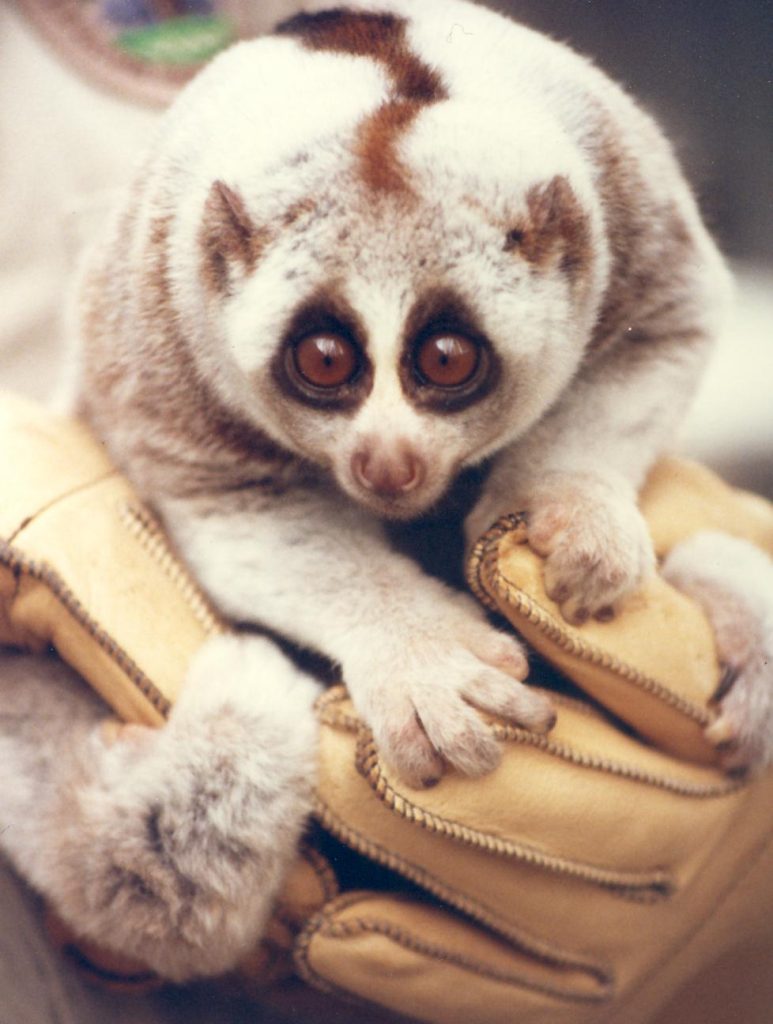
This exploration into the nuances of exotic animal adoption reveals a tapestry of history, societal changes, and trends. By uncovering the motivations behind this phenomenon, we can better understand both the captivation and the challenges that come with owning these remarkable creatures. The stories behind exotic animal adoption are not just about ownership but echo broader themes of conservation, ethical considerations, and the intricate bond between humans and nature.
DISCOVER MORE: Click here to learn about how diet impacts your pet’s digestive health
Historical Roots of Exotic Animal Adoption
The practice of adopting exotic animals in the United States can be traced back to the early days of colonization when explorers brought back unusual creatures to showcase their discoveries. These animals, often seen as marvels of nature, began to permeate American culture, showcasing individual wealth and status. The fascination with exotic pets gained momentum in the late 19th and early 20th centuries, with the rise of traveling circuses and menageries that captivated the public with stunning performances featuring exotic beasts from distant lands.
During this era, exotic animal adoption experienced a boom as middle and upper-class families aspired to replicate the grandeur of these public spectacles within their homes. Private collections of exotic animals, including large cats, monkeys, and birds, became symbols of affluence. Wealthy individuals would often flaunt their unique pets as a means of social distinction, leading to the proliferation of dedicated animal importers and breeders who catered to this demand.
Impact of the Exotic Animal Trade
The demand for exotic pets paved the way for an unregulated wildlife trade that proliferated throughout the 20th century. The influx of exotic animals into American homes raised concerns regarding ethical practices and animal welfare. Key events and figures played notable roles in highlighting these issues:
- The Endangered Species Act of 1973: This landmark legislation aimed to protect endangered species from commercial exploitation, indirectly affecting exotic pet ownership by restricting the availability of certain species.
- Public Figures and Their Pets: Celebrities such as Michael Jackson with his pet chimp Bubbles and the late singer-songwriter Elvis Presley with his collection of exotic birds brought attention to the trend, influencing public perceptions and desirability of owning unique animals.
- The Rise of Conservation Awareness: The late 20th century saw growing concerns about biodiversity and wildlife conservation, prompting advocacy groups to raise awareness about the ethical implications of keeping exotic animals as pets.
As these trends evolved, they reflected larger societal currents, including the changing American perceptions of animal rights and conservation issues. The stark contrast between the glamor associated with exotic pets and the realities of their care became evident. The public began to grapple with questions of responsibility and the understanding that many exotic animals require specialized environments and care that typical pet owners are ill-equipped to provide.
The Role of Media in Shaping Trends
Media representation continues to play a significant role in the cultural narrative surrounding exotic animal adoption. Documentaries such as “Tiger King” and reality shows featuring celebrity pet owners have brought exotic pets into mainstream consciousness, often blurring the lines between fascination and ethical considerations. As these programs gain popularity, they influence public attitudes towards exotic animals, often portraying them as quirky companions rather than the complex creatures they are.
This intersection of media portrayals and societal trends not only reflects prevailing attitudes regarding exotic animal ownership but also shapes future challenges related to conservation, ethics, and legislation. As fascination with exotic pets persists, the conversation surrounding ownership rights and animal welfare will remain vital in navigating these cultural currents.
The history of exotic animal adoption in the USA traces intriguing pathways through culture, regulation, and societal attitudes that have shaped today’s landscape. From the early 20th century, when circus and zoo animals often found their way into private homes, to the modern-day realities of wildlife sanctuaries, the adoption of exotic pets has been heavily influenced by shifting cultural perceptions and legal frameworks.One pivotal moment came during the 1960s with the rise of counterculture movements, where owning an exotic animal became a symbol of rebellion and individualism. Figures like Jim Morrison and other rock stars popularized the idea, with many fans following suit in an effort to assert their identity. Such cultural icons brought attention to a variety of species, from reptiles to primates, leading to the burgeoning popularity of these animals as companions.However, the celebration of exotic animal adoption has not been without its challenges. As these pets became more common, issues concerning animal welfare emerged, prompting legislation aimed at ensuring the safety of both the animals and the public. The Endangered Species Act of 1973 and various state laws sought to regulate the ownership of specific exotic species, addressing concerns over conservation and public safety.Additionally, the cultural influences of these exotic animals can be seen in various forms of media, including films, books, and social media. They have sparked conversations about animal rights, ethical treatment, and the responsibilities of ownership. The allure of owning exotic animals often intertwines with complexes of culture, legality, and ethics, urging current pet owners and potential adopters to consider not just desire but also the broader implications of their choices.As the story progresses, the conversation surrounding exotic animal adoption shifts towards fostering responsible pet ownership and promoting awareness about the needs of these unique creatures. Organizations devoted to exotic animal welfare work tirelessly to educate the public, dispelling myths and providing insights into the realities of caring for such remarkable beings. The resultant cultural narrative continues to evolve, inviting deeper discussions about our place within the greater ecological spectrum and the responsibilities that come with such a singular bond. The complexities of exotic animal adoption highlight a mosaic of cultural influences that resonate with themes of freedom, responsibility, and ethical consideration, illuminating a topic that prompts ongoing exploration in today’s society.
DIVE DEEPER: Click here to learn about balanced nutrition for your pet
Changing Legal Landscapes and Public Perception
The landscape of exotic animal adoption in the United States has undergone significant transformation, driven largely by changing laws and shifts in public perception. From the mid-20th century onward, increasing awareness of animal welfare and conservation has led to a reevaluation of what it means to keep exotic pets. The growth of animal rights activism highlighted ethical concerns surrounding captivity, leading many states to reassess their wildlife laws.
One of the pivotal changes came with the Lacey Act of 1900, which prohibited the trade of illegally captured wildlife and set the stage for subsequent wildlife protection legislation. The gradual tightening of laws has resulted in a patchwork of regulations, with some states allowing ownership of certain exotic animals while others impose strict bans. As of now, animals such as big cats, primates, and even some reptiles are illegal to own in numerous states, while regulations vary widely across the country.
The Role of Nonprofits and Conservation Groups
Organizations dedicated to animal welfare and conservation have played a significant role in shaping public attitudes towards exotic animal adoption. Groups, such as the Humane Society of the United States and the World Wildlife Fund, advocate against the keeping of exotic animals as pets, citing issues related to improper care and the potential for injury to both animals and humans. Their campaigns often spotlight the reality that many exotic pets fare poorly in captivity, suffering from stress or health problems due to the inadequacies of the average household environment.
Moreover, public awareness campaigns have exposed the destructiveness of the illegal wildlife trade, which has been fueled by demand for exotic pets. For instance, the illegal pet trade has been identified as a major contributor to the decline of various species, prompting numerous nonprofits to mobilize against this problem. In response to social media and viral campaigns that depict the plight of these animals, American consumers become increasingly reluctant to accept exotic pets as acceptable additions to their households.
Trends in Exotic Animal Ownership
In recent years, a notable shift can be observed in the demographics of exotic animal owners. Younger generations, particularly Millennials and Gen Z, often seek pet species that are not just exotic, but also pose environmental sustainability concerns. As the global conversation around climate change expands, there is a rising trend towards adopting and caring for native species, underscoring an inclination towards conservation and ecological preservation over the glamorization of exotic pets.
This trend is compounded by the rise of social media, where picturesque displays of unconventional pets have the power to influence thousands of potential owners. However, the knowledge shared through these platforms often lacks depth regarding the responsibilities of caring for such creatures. Many young people are unaware of the specialized needs of these animals, fostering a potential disconnect between the idealized image of an exotic pet and the complex realities of their care.
As America’s fascination with exotic animals continues to evolve, it highlights an ongoing struggle between the desire for unique companionship and the ethical responsibilities of environmental stewardship. The cultural influences shaping these decisions will undoubtedly continue to lead the conversation surrounding the future of exotic animal adoption in the United States.
LEARN MORE: Click here for essential training techniques for senior pets
Conclusion: The Future of Exotic Animal Adoption in American Culture
The trajectory of exotic animal adoption in the United States reflects a complex interplay of cultural factors, legislative changes, and ethical considerations. As societal values evolve, the embrace of exotic pets has transitioned from a symbol of status and novelty to a more scrutinized choice shaped by growing awareness of animal welfare and conservation issues. The influence of nonprofits and conservation organizations has been pivotal in educating the public about the often harsh realities faced by captive exotic animals and the ecological ramifications of the illegal wildlife trade.
The increased regulation of exotic animal ownership mirrors a greater societal shift towards prioritizing informed and responsible pet ownership. This is particularly pronounced among younger generations who are leaning towards sustainable and ethical choices. This demographic’s preference for native species over exotic pets indicates a promising movement toward preserving biodiversity and creating more aligned human-animal relationships.
As social media continues to play a significant role in shaping perceptions of exotic pets, it becomes essential for potential pet owners to approach these animals with caution and awareness. The gap between the allure of exotic pets and the reality of their care must be bridged through accurate information and education. The ongoing dialogue surrounding exotic animal adoption will undoubtedly shape policies, cultural attitudes, and consumer behavior in the years to come.
Ultimately, the future of exotic animal adoption in the U.S. hinges on our ability to harmonize our fascination with wildlife with ethical stewardship and compassion. As we navigate this evolving landscape, it becomes evident that the decisions made today will resonate in our relationship with animals for generations ahead.
Related posts:
How to Prepare Your Home for an Exotic Pet: Tips and Considerations
Exotic Pets on the Rise Trends Key Considerations for Owners
Demystifying Myths: Truths and Falsehoods about Exotic Animals as Pets
Care and Challenges in Keeping Reptiles as Pets
Exotic Animals and Conservation: How Adoption Can Impact Wild Species
Conservation Ethics Debating Exotic Pets in Home Settings

Linda Carter is a writer and pet care expert specializing in pet health, grooming, and wellness. With extensive experience helping pet owners create safe, loving, and enriching environments for their animals, Linda shares her knowledge on our platform. Her goal is to empower readers with practical advice and strategies to ensure their pets thrive and lead joyful, healthy lives.