The Importance of Animal Adoption in Reducing Abandonment

Understanding the Impact of Animal Adoption
Every year, millions of animals enter shelters across the United States, with many facing the grim reality of abandonment. The surprising fact is that approximately 3.3 million dogs and 3.2 million cats are surrendered to shelters annually, highlighting an urgent need for intervention. Adoption is not just a rescue mission; it is a powerful solution to a pressing problem.
Animal adoption plays a crucial role in reducing abandonment. Here are some key points to consider:
- Reduces Overpopulation: Adopting pets helps decrease the number of animals in shelters, thereby alleviating overcrowding.
- Saves Lives: Each adoption prevents the euthanasia of healthy animals waiting for homes. In the United States, it’s estimated that about 1.5 million shelter animals are euthanized each year due to a lack of adoptive homes.
- Promotes Responsible Pet Ownership: Adoption teaches commitment and highlights the importance of spaying and neutering. By adopting, you set a positive example for others about the responsibilities associated with pet ownership.
The benefits of animal adoption extend beyond the confines of individual households. For instance, adopting a mixed-breed dog not only provides a nurturing environment for an animal in need but also contributes to reducing the number of homeless pets in communities. Some shelters, like the Humane Society and local rescue organizations, often include adoption events or campaigns in high-footfall areas to engage the public in finding homes for these animals.
Moreover, the act of adoption fosters a sense of community. Local shelters often become hubs for engagement, education, and volunteerism. Many adoptive pet owners participate in community events aimed at raising awareness about animal welfare, further promoting the message that all animals deserve a loving home, regardless of their breed or background.
By choosing to adopt, individuals can not only find a loving companion but also contribute to a broader solution that addresses the cycle of abandonment. As communities come together to support adoption initiatives, they set a precedent for compassion and responsibility towards animals. This collective effort fosters a culture where animals are viewed as valued members of society, deserving of care and affection.
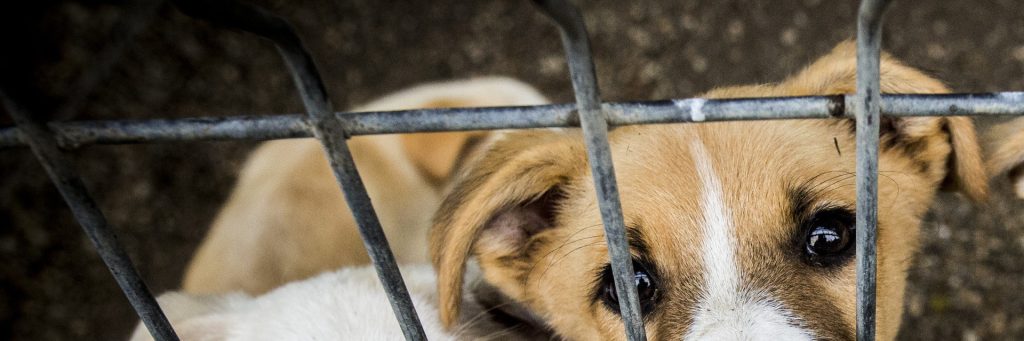
The journey to a more humane society starts with informed choices. If you’re considering adding a furry friend to your family, exploring adoption could be the key to making a lasting difference. Many animals in shelters are already house-trained, vaccinated, and eagerly waiting for a second chance. Remember, when you adopt, you don’t just gain a pet; you become part of a larger movement dedicated to ending the cycle of abandonment and promoting kindness towards all living beings.
DIVE DEEPER: Click here to learn more
Why Animal Adoption Matters
As communities grapple with the challenge of animal abandonment, the case for animal adoption becomes increasingly compelling. The statistics speak for themselves, with an estimated 6.5 million companion animals entering U.S. shelters each year, including more than 3 million dogs and 3 million cats. The urgent need for adoptive homes cannot be overstated, not just for the welfare of these animals but for the broader impact on society.
One of the foremost advantages of animal adoption is its direct correlation with reducing overpopulation in shelters. When individuals choose to adopt instead of purchasing pets from breeders or pet stores, they actively help to decrease the overwhelming numbers of animals languishing in shelters. This shift towards adoption creates a ripple effect that is beneficial not only to the animals but also to their future owners and local communities.
Beyond reducing the population of homeless animals, adoption plays an essential role in saving lives. The sobering reality is that approximately 1.5 million shelter animals are euthanized annually due to the lack of available homes. Each adoption represents a lifeline for an animal facing this grim fate, transforming their future from uncertain to hopeful. Adopting a pet means providing them with a loving home and doing your part to combat the cruelty of abandonment.
Furthermore, animal adoption promotes a culture of responsible pet ownership. By choosing to adopt, potential pet owners not only gain a new companion but also embrace the responsibilities that come with pet care. Shelters frequently educate adopters about training, proper nutrition, and the importance of spaying and neutering. This knowledge empowers adopters to make informed decisions about the well-being of their pets, fostering a cycle of responsibility that extends beyond individual households.
Many shelters actively engage with their communities through events and outreach programs aimed at raising awareness about the importance of adoption. For example, organizations often hold adoption drives that not only showcase animals in need of homes but also educate the public on the benefits of adopting versus buying. These events often attract more visitors, creating an opportunity for locals to interact with pets and learn about their stories.
- Promotes community engagement: Shelters often offer volunteer opportunities which allow community members to be actively involved in animal welfare.
- Encourages education: By participating in community events, individuals gain a better understanding of pet care, further promoting responsible ownership.
- Fosters compassion: Engaging with adoptive pets instills empathy and a sense of social responsibility among the public.
In essence, adopting an animal is more than a personal choice; it is a collective movement toward ending the cycle of abandonment. When individuals unite through adoption, they not only provide homes for deserving animals but also contribute to creating a compassionate society that values the lives of all creatures.
| Advantage | Description |
|---|---|
| Decreased Overpopulation | Animal adoption plays a crucial role in decreasing the number of pets in shelters, which often leads to reduced abandonment rates. |
| Stronger Community Bonds | When individuals and families adopt, they contribute to community cohesion, promoting a culture of responsible pet ownership. |
| Educational Opportunities | Adoption events often serve as a platform for educating the public about the responsibilities associated with pet ownership and the benefits of adoption. |
| Cost-Effective Solution | Adopted pets come with lower adoption fees, often including initial vaccinations and microchipping, making pet ownership more affordable and accessible. |
Animal adoption is more than just a way to bring a furry friend into your home. It addresses pressing societal issues, notably the problem of abandonment. When people choose to adopt animals, they not only save lives but also help combat the pet overpopulation crisis. Each adopted animal represents one less pet that risks abandonment or euthanasia in shelters. Furthermore, the process of adoption fosters community ties, as families and individuals share their stories of companionship and responsibility. These connections can spur others to consider adoption, creating a ripple effect that benefits not just animals but society as a whole. The educational aspect surrounding animal adoption is also significant. Adoption events provide essential opportunities for the public to learn about animal welfare, responsible pet care, and the realities faced by abandoned pets. By attending these events, potential adopters gain insights into the long-term commitment required in pet ownership, thus reducing the likelihood of future abandonments. Adopting not only provides a home for a deserving animal but also nurtures a culture of care and responsibility within the community.
DISCOVER MORE: Click here to enhance your pet training routine
The Ripple Effect of Adoption on Society
Adopting an animal extends its impact beyond the individual lives of pets and owners; it echoes through communities, fostering connections and encouraging social responsibility. The act of choosing to adopt fundamentally alters how society views animal care and ownership. By bringing awareness to the realities of shelter animals, adopters often become advocates for change, inspiring friends, family, and coworkers to consider adoption as an option when looking for a pet.
Moreover, adoption rates have been shown to influence local economies. A 2021 study by the American Society for the Prevention of Cruelty to Animals (ASPCA) found that increasing local adoption rates directly correlates with decreased animal control expenditures. This means that when communities focus on adoption rather than relying on euthanasia or shelter overflow, they can reallocate funds towards educational programs, spaying and neutering initiatives, and other proven animal welfare ventures. As cities invest in these areas, they are in essence tackling the root causes of abandonment and overpopulation.
Another significant benefit of animal adoption is its positive mental health impact. Engaging with pets has been linked to lower levels of stress, anxiety, and depression. By adopting a pet, individuals not only rescue an animal but also gain a source of companionship that can enhance their emotional well-being. In a time when mental health concerns are so pronounced, the simple act of adopting a furry friend can be a powerful therapeutic intervention.
Building a Legacy of Compassion
Animal adoption also serves to build a legacy of compassion across generations. When children grow up in households that prioritize adoption and animal welfare, they are more likely to carry these values into adulthood. Involvement in adoption not only teaches children responsibility in caring for a pet but also instills empathy toward animals. This cycle of compassion nurtures a community that supports the value of every life, breaking down the stigma surrounding rescue animals, often perceived as less desirable than their purebred counterparts.
- Promotes long-term community health: Encouraging adoption leads to healthier pet-owner relationships and fosters a culture of responsible stewardship over animal lives.
- Reduces the stigma: As more people adopt, the perception of shelter animals shifts, viewing them as potential companions rather than last resorts.
- Enhances social resources: Cities that emphasize adoption programs benefit from increased volunteerism and community engagement, creating a robust support system for local shelters.
In addition, animal shelters frequently collaborate with other local organizations for initiatives that boost community morale. For instance, partnerships with businesses for fundraising events or adoption awareness days can help spread the message about animal welfare. By integrating shelters into the fabric of community life, the process of adoption becomes a shared responsibility among all citizens, helping to unite diverse groups towards a common cause.
In conclusion, the importance of animal adoption in mitigating abandonment goes well beyond individual pet ownership. It lays the groundwork for communal well-being, responsible parenthood for all creatures, and the nurturing of compassionate values that can resonate throughout society. As communities unite for the welfare of abandoned animals, they pave the way for a future where every pet has the chance to find a forever home.
DIVE DEEPER: Click here for essential tips
Fostering a Culture of Adoption
In closing, the importance of animal adoption cannot be overstated in the quest to reduce pet abandonment and improve community relations. This movement not only provides shelter animals with a second chance at life but also transforms the way society approaches pet ownership. Through the act of adopting, individuals become catalysts for change, influencing others to join in the mission of rescuing and caring for animals in need.
Research illustrates that enhanced adoption rates result in significant financial benefits for local communities, allowing for funds to be redirected toward essential programs that address the broader issues of overpopulation and abandonment. Furthermore, the emotional and mental health advantages associated with pet ownership present a compelling argument for adoption; the companionship of a pet acts as an antidote to stress, fostering a more connected and resilient society.
As we cultivate a legacy of compassion through adoption, we nurture a mindset that prioritizes empathy towards all living beings. By embracing the responsibility of pet ownership and promoting adoption over purchasing animals from breeders, society can dismantle harmful stigmas and celebrate the unique stories behind every rescue animal. The call to action is clear: let us stand together to advocate for the voiceless and create a future where every animal is cherished and deserves a loving home. Together, we can make a lasting impact on the lives of countless abandoned pets.
Related posts:
The Emotional Benefits of Pet Adoption for All Ages
The Role of Celebrities in Animal Adoption: Influence and Responsibility
Responsible Pet Adoption Choosing the Perfect Pet for Your Family
How Animal Adoption Programs Are Transforming Lives in Low-Income Communities
How Animal Adoption Can Contribute to Stress Reduction in Work Environments
How Animal Adoption Can Impact Local Communities

Linda Carter is a writer and pet care expert specializing in pet health, grooming, and wellness. With extensive experience helping pet owners create safe, loving, and enriching environments for their animals, Linda shares her knowledge on our platform. Her goal is to empower readers with practical advice and strategies to ensure their pets thrive and lead joyful, healthy lives.