The Importance of Patience in Training: How to Cultivate a Positive Learning Environment

Understanding Patience in Training
In an age characterized by rapid advancements and instant gratification, the virtue of patience can often seem obsolete, especially in educational frameworks. However, embracing patience is essential for fostering deeper connections between educators and students. This critical virtue not only transforms teaching methodologies but also promotes an enriching learning atmosphere conducive to growth and exploration. When educators implement strategies that cultivate a calm and supportive environment, the training experience improves for all participants, ultimately leading to a profound impact on educational outcomes.
Why Patience Matters
Training extends beyond the mere accumulation of knowledge. At its core, training is about establishing a nurturing environment where learners feel comfortable, valued, and inspired to engage. Here are several significant reasons illustrating the pivotal role of patience in training:
- Encourages Communication: In a patient environment, students are more inclined to voice their questions, thoughts, and concerns without fear of judgment. This open line of communication can facilitate collaborative learning, enhancing group discussions, and nurturing critical thinking skills. For instance, a patient instructor who welcomes inquiries can lead to more in-depth explorations of complex subjects, thereby enriching the educational experience.
- Enhances Retention: When educators prioritize a patient approach, they allow students ample time to process information. Research has shown that information retention improves when learners are given the opportunity to reflect and digest lessons at their own pace. For example, in subjects like mathematics, where concepts build upon one another, a patient educator can ensure that students master foundational skills before progressing, resulting in greater long-term understanding.
- Boosts Confidence: An atmosphere filled with support and patience nurtures self-esteem. Students who feel respected and understood are more likely to take risks in their learning, such as participating in discussions or attempting challenging projects. For instance, a classroom where mistakes are seen as learning opportunities, rather than failures, empowers students to approach their education with enthusiasm and curiosity.
Creating a Positive Learning Environment
To develop a classroom that embodies patience, educators can adopt several effective strategies:
- Active Listening: Engaging in active listening involves giving full attention to students and acknowledging their thoughts and feelings. This practice can help educators identify the unique challenges each learner faces and tailor their approaches accordingly.
- Breaking Tasks into Steps: Dividing larger tasks into smaller, more manageable components can drastically reduce feelings of overwhelm. For instance, when teaching complex topics like essay writing, instructors can guide students through the process step-by-step—from brainstorming ideas to drafting the thesis, ultimately fostering clarity and confidence.
- Modeling Patience: By demonstrating patience in their actions and interactions with students, educators set a standard for others in the classroom. This modeling can involve maintaining a composed demeanor during stressful situations or taking the time to thoroughly explain concepts, reinforcing the importance of patience as a critical learning tool.
By wholeheartedly embracing the significance of patience in training, educators and students alike can embark on a more enriching and effective educational journey, ultimately unlocking a world of potential and opportunity for everyone involved.
DIVE DEEPER: Click here to enhance your pet’s training
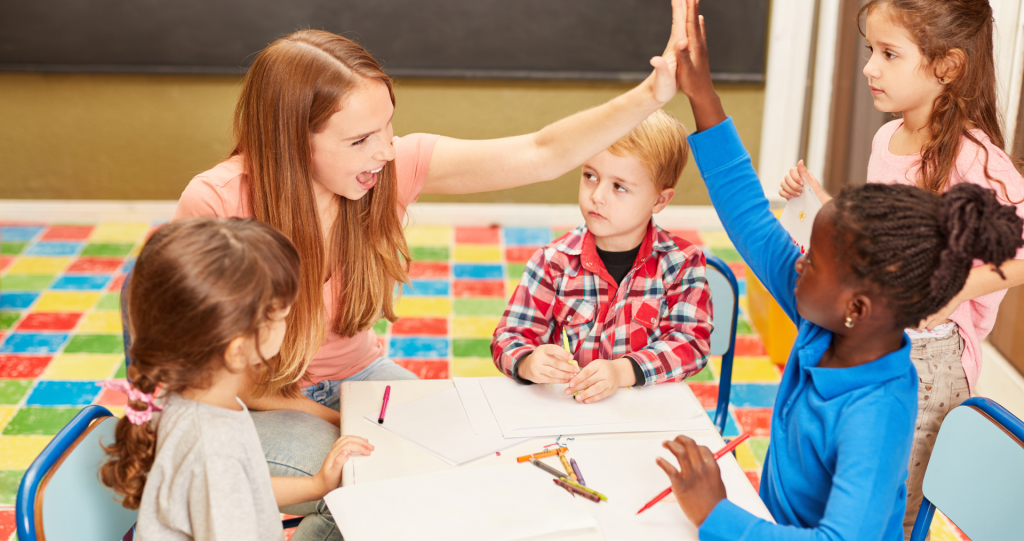
Why Patience is Essential in Training
The need for patience in training cannot be overstated, as it serves as the backbone of effective educational experiences. Educators who embody this virtue not only enhance their own teaching practices but also significantly contribute to the overall learning atmosphere. Through patience, an educator can transform the engagement approach, leading to deeper understanding and better retention. Let’s delve into some key aspects that emphasize the importance of patience within training contexts:
- Fostering Meaningful Connections: Building rapport with students is essential for an effective learning experience. Patience allows educators to truly connect with their students, gaining insights into their individual learning styles and emotional needs. When a teacher takes the time to understand their students, it encourages a sense of belonging and motivation, enabling students to invest more in their own learning.
- Creating a Safe Space for Learning: A patient instructor cultivates a learning environment that feels safe for exploration and inquiry. This atmosphere allows students to voice their fears and uncertainties without the fear of judgment, paving the way for growth. For instance, when learners are well-supported in expressing their difficulties, educators can implement targeted interventions that make learning more effective.
- Encouraging Problem-Solving Skills: Patience encourages persistence, an essential trait for effective problem-solving. When students can work through challenges at their own pace, they develop critical thinking abilities necessary for independent learning. By patiently guiding students through complex concepts, educators foster a mindset that embraces challenges rather than avoiding them.
Moreover, incorporating patience into the fabric of training requires a conscious effort from educators. Drawing from research in educational psychology, it is evident that stress and haste can significantly undermine learning processes. A study by the National Science Foundation found that learners who engage in a supportive and patient environment tend to exhibit higher levels of achievement and satisfaction. These findings highlight a crucial truth: the slower, more deliberate approach often yields more impactful results when it comes to teaching and learning.
Practical Strategies for Implementing Patience
Implementing patience into a training regimen is not solely an innate trait; it can be developed through specific practices. Here are a few practical strategies educators can implement to nurture patience in their training environments:
- Setting Realistic Expectations: Understanding that each learner progresses at their own pace is essential. Educators should set achievable goals that allow students room to grow without overwhelming them. This can reduce anxiety and encourage a sense of accomplishment.
- Utilizing Positive Reinforcement: By recognizing and celebrating small successes, educators can motivate students to persist through difficulties. Positive reinforcement instills confidence and encourages continued effort toward mastering new skills.
- Encouraging Collaboration: When students work together, they can share different perspectives and strategies for approaching tasks. This collaborative learning process nurtures patience, as learners learn from one another’s thought processes and problem-solving techniques.
By prioritizing these approaches, educators can lay the groundwork for a positive learning environment that thrives on patience, ultimately benefitting both students and instructors alike.
The Role of Patience in Fostering Engagement
Patience is a fundamental trait that often distinguishes effective trainers and educators from their less patient counterparts. In the context of training, cultivating patience can significantly enhance the learner’s experience, creating an atmosphere where individuals feel comfortable making mistakes and asking questions. This environment not only promotes active engagement but also encourages curiosity, allowing learners to delve deeper into the subject matter.One key aspect to highlight is the psychology behind patience. When trainers exhibit patience, it signals to learners that their progress is valued, which can increase motivation and drive. For example, a trainer who takes time to explain concepts thoroughly is likely to foster a more profound understanding than one who rushes through material. This results in a more knowledgeable learner who is better equipped to apply what they have learned.Additionally, patience in training can help build stronger relationships between educators and learners. By allowing room for dialogue and feedback, trainers can address concerns and adapt their methods to meet the varying needs of their students. This adaptability not only contributes to a positive learning environment but also enhances the overall effectiveness of the training.Moreover, introducing practical examples and real-life scenarios during training can make complex information more accessible. Using patience to connect theoretical concepts to practical applications enables learners to see the relevance of their education, thus increasing retention and application of knowledge. Trainers who practice patience are also better positioned to encourage peer collaboration, fostering an environment of shared learning and group support.In summary, the intentional practice of patience in training lays the groundwork for a more positive learning experience. By nurturing an environment of understanding and adaptability, trainers can effectively engage their learners, leading to more fruitful outcomes. Implementing patience not only benefits the immediate learning interaction but also empowers learners with lifelong skills and a resilient attitude toward future challenges.
| Training Aspect | Key Benefits |
|---|---|
| Engagement through Patience | Increased motivation and deeper learning. |
| Building Relationships | Enhanced trust and open communication. |
| Real-Life Application | Improved retention and relevance of knowledge. |
| Peer Collaboration | Strengthened community and mutual support. |
DISCOVER MORE: Click here to enhance your pet’s training
Building Resilience Through Patience
The ability to bounce back from setbacks and persist through challenges is a hallmark of resilience, which is crucial for successful learning. Patience plays an integral role in nurturing this resilience among learners. As educators practice patience, they create a framework where students feel empowered to take risks and learn from their mistakes. The more students experience a supportive environment, the greater their willingness to confront difficulties head-on, ultimately leading to growth in resilience.
Research from the University of California, Berkeley, highlights that students who encounter a patient and understanding teaching style exhibit a significant increase in their resilience levels. These students tend to develop coping skills that allow them to manage anxiety and stress associated with difficult tasks. For instance, when students know they can approach their teacher for assistance or clarification without fear of criticism, they are more likely to engage deeply with the content and persist in facing challenges.
Turning Challenges into Opportunities
One of the profound advantages of a patient training environment is its ability to transform challenges into valuable learning opportunities. When students confront obstacles, a patient educator can guide them in reframing these setbacks as moments for growth. Instead of seeing failure as a negative outcome, learners can reevaluate their strategies and strive for improvement.
- Promoting Reflective Learning: Reflection is key to understanding and consolidating learning experiences. A patient instructor encourages students to reflect on their mistakes and successes, helping them identify what worked and what didn’t. This promotes a deeper understanding of the learning material and stimulates critical thinking.
- Encouraging a Growth Mindset: Cultivating a growth mindset is essential in the context of training. Patience encourages students to believe that their abilities can improve with effort and dedication. When educators take the time to emphasize this perspective, learners become more likely to embrace challenges, understanding that effort outweighs inherent talent.
- Facilitating Individualized Learning: Every student has unique needs and learning styles. Patience allows educators to take a personalized approach, adapting their strategies to ensure every learner grasps the material. A one-size-fits-all approach often neglects the nuances of individual learning, but a patient educator can tailor their methods to suit each student.
Moreover, fostering patience can lead to innovative teaching methods. For instance, educators might implement flexible pacing strategies that allow students to progress according to their readiness. According to the National Center for Learning Disabilities, personalized pacing can significantly enhance engagement and retention, showing that patience is not just about waiting but about thoughtful facilitation of the learning process.
Developing Emotional Intelligence
Another critical aspect of patience in training is its connection to emotional intelligence. Educators who practice patience not only model self-regulation but also help students develop empathy and understanding – core components of emotional intelligence. When students observe a patient teacher handling misunderstandings or disagreements with composure, they learn to mirror that behavior in their interactions.
- Promoting Active Listening: Patience encourages active listening among both instructors and students. A classroom culture that values listening fosters open dialogue and respect for diverse opinions, essential for a positive learning environment.
- Modeling Conflict Resolution: When conflicts arise in a classroom, a patient educator can guide students in addressing them constructively. This practice imparts vital conflict resolution skills that learners can carry beyond the classroom.
In this way, the element of patience becomes not just a characteristic of the educator but a permeating ethos that enriches the entire learning journey, equipping students with the tools they need to succeed not just academically, but also in life. Through resilient learners and emotionally intelligent individuals, the implications of patience extend far beyond the classroom walls, influencing future interactions and endeavors.
DIVE DEEPER: Click here to discover fun games for your pets!
Conclusion: The Transformative Power of Patience in Training
In the realm of education and training, patience emerges as a cornerstone for fostering a positive learning environment. By embracing patience, educators not only enhance students’ resilience but also create a sanctuary where challenges become catalysts for growth. The evidence is clear: a patient teaching style empowers students to approach difficulties with a mindset geared towards improvement, ultimately cultivating their critical thinking and reflective learning abilities.
As we consider the implications of patience, it is essential to recognize its role in promoting emotional intelligence. A patient classroom environment nurtures vital skills such as active listening and conflict resolution, both of which are critical for navigating the complexities of today’s world. When students witness their instructors modeling patience and empathy, they learn to embody these traits themselves, paving the way for healthier interactions in and outside the classroom.
Furthermore, with individualized approaches and personalized pacing, a patient educator can meet each learner’s unique needs, thereby reinforcing the notion that education is not merely about content delivery, but rather about inspiring students to embrace the journey of learning. In a society that often rewards speed over understanding, it is time to shift our focus to the profound, long-lasting benefits that patience can provide. As we cultivate patience in training, we not only enhance academic success but also equip students with the tools they need to thrive in life. Ultimately, patience ignites a transformative learning experience that echoes far beyond the confines of the classroom.
Related posts:
Utilizing Technology: Apps and Tools to Enhance Your Pet Training Experience
Creative Techniques for Training Multiple Pets at Once
The Role of Body Language in Training Your Pet
Understanding Breed-Specific Training Needs for Effective Results
Unlock Effective Dog Training The Power of Positive Reinforcement
Training for Fun: Engaging Games to Teach Your Pets New Tricks

Linda Carter is a writer and pet care expert specializing in pet health, grooming, and wellness. With extensive experience helping pet owners create safe, loving, and enriching environments for their animals, Linda shares her knowledge on our platform. Her goal is to empower readers with practical advice and strategies to ensure their pets thrive and lead joyful, healthy lives.