The Importance of Proper Nutrition for Your Pets Health
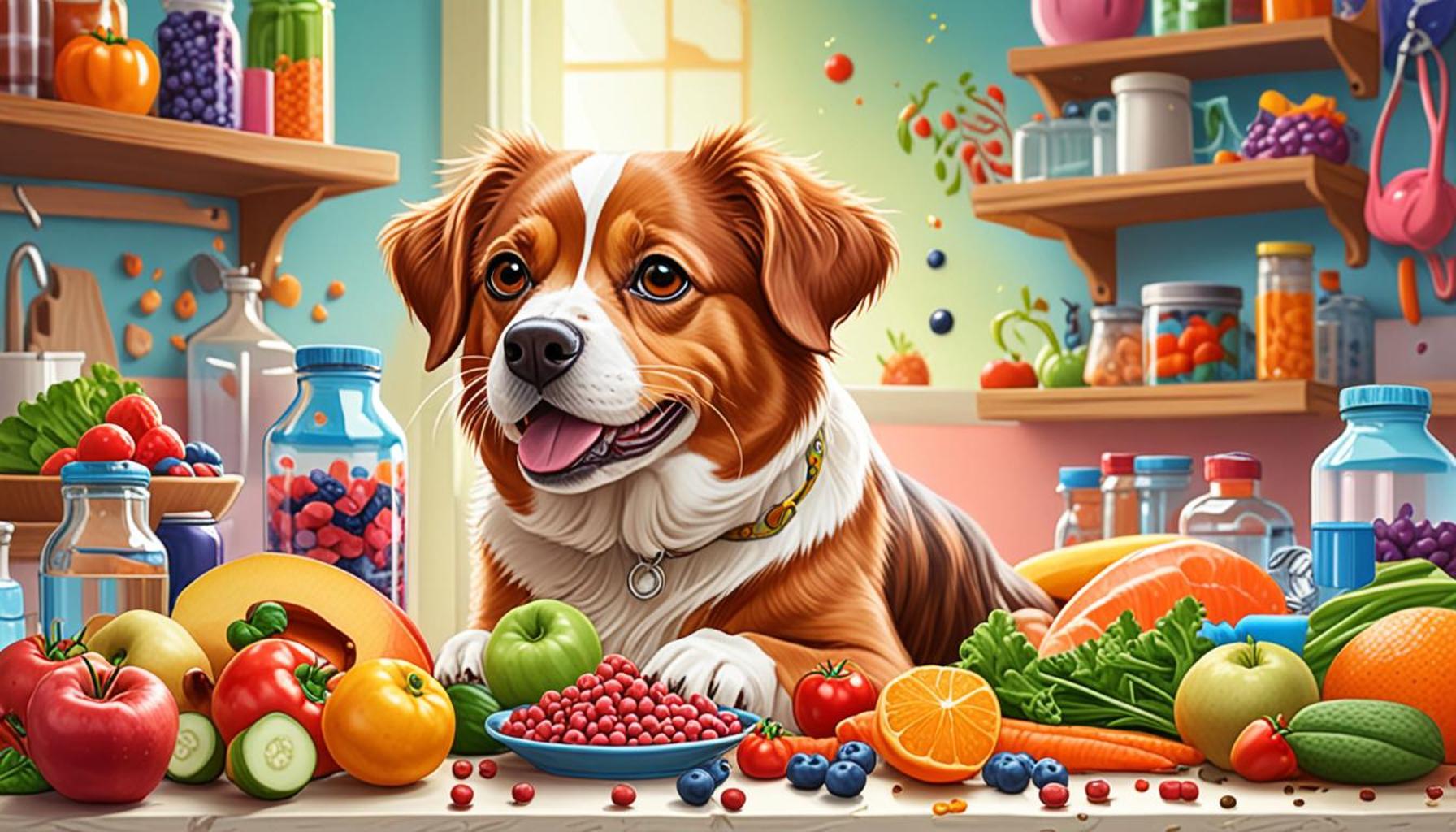
Proper nutrition is a cornerstone of health and well-being for pets, impacting everything from their energy levels to their overall lifespan. Understanding what makes a balanced diet for animals can significantly improve their quality of life. This topic is especially vital in today’s world, where pet owners are increasingly acknowledging their furry companions as integral family members.
Here are some key reasons why proper nutrition matters:
- Prevents disease and health issues.
- Supports healthy growth and development in young pets.
- Maintains a healthy weight and reduces obesity risks.
- Improves coat condition and skin health.
- Enhances longevity and vitality.
As we delve into this essential subject, we’ll explore the Top 5 Nutritional Needs for your pets. This list will not only highlight specific dietary requirements but also emphasize their importance in achieving optimal health. Prepare to uncover valuable insights that can transform your pet’s wellness journey.
Top 5: The Importance of Proper Nutrition for Your Pet’s Health
Caring for a pet is a responsibility that goes beyond just providing love and companionship. As pet owners, we need to understand that our furry friends’ well-being is profoundly influenced by their nutrition. From the gleam in their eyes to the spring in their step, the food they consume plays a critical role in their overall quality of life. This article delves into the top five aspects of why providing proper nutrition is essential for your pets, featuring expert insights to guide you in making informed decisions for their diet and health.
5. Nutritional Balance: The Foundation of Health
Much like humans, pets rely on a carefully balanced diet to thrive. Nutritional balance means ensuring that your pet receives the right mix of proteins, carbohydrates, fats, vitamins, and minerals, each of which serves a specific, crucial function in maintaining optimal health.

Proteins are fundamental for building and repairing body tissues. They support muscle development and the synthesis of hormones and enzymes essential for bodily functions. Carbohydrates serve as a primary energy source, fueling your pet’s daily adventures and active play sessions. Fats are equally important, contributing to cellular health by maintaining cell membrane integrity and aiding in the absorption of fat-soluble vitamins.
To ensure your pet receives a balanced diet, consider these strategies:
- Choose high-quality commercial pet food that meets nutritional standards for your pet’s specific life stage and health needs.
- Engage in regular consultations with a veterinarian to tailor dietary plans and address unique nutritional requirements.
- Include diverse food groups in their diet while avoiding highly processed options that may lack essential nutrients.
Understanding these dietary fundamentals can pave the way to a healthier, more vibrant life for your pet.
4. Weight Management: Keeping Pets Fit
Obesity is a burgeoning health issue among pets, primarily fueled by overfeeding and lack of exercise. Similar to humans, pets carrying excess weight are at a heightened risk of developing several health problems. Proper nutrition is a cornerstone in managing a pet’s weight effectively, involving the careful balancing of calorie intake and physical activity.
Your pet’s weight significantly influences its energy levels, mood, and general health, with manageable weight associated with reduced instances of diabetes, arthritis, and cardiovascular diseases. Here are actionable steps to help maintain your pet’s ideal weight:
- Accurately measure food portions according to veterinarian-recommended serving sizes to prevent accidental overfeeding.
- Select specially formulated diet options for pets requiring weight management support.
- Integrate regular exercise and playful activities into their daily routine to help burn excess calories and keep them physically engaged.
Maintaining your pet’s fitness not only enhances their longevity but also their overall quality of life, leading to fewer health complications down the road.
3. Disease Prevention: A Shield Against Illness
A well-rounded diet acts as a powerful shield against numerous diseases. Adequately nourished pets boast a more resilient immune system, enhancing their ability to ward off infections and illnesses. By incorporating specific vitamins and minerals, such as Vitamin E and Omega-3 fatty acids, the immune function can be substantially bolstered, reducing inflammation and boosting overall defense mechanisms.
Furthermore, chronic conditions such as heart disease, kidney issues, and digestive disorders can often be mitigated with a healthy diet. Implementing dietary adjustments, along with potential supplements after consulting with a veterinarian, can significantly contribute to a healthier pet, proactively keeping illnesses at bay.
2. Mental Health: Nutritional Influence on Behavior
It might come as a surprise to some, but nutrition profoundly affects your pet’s mental health and behavior. The mood and cognitive function of pets are closely tied to the quality of their diet. For instance, Omega-3 fatty acids have been linked to improving brain health, thereby reducing anxiety and enhancing overall mood stability in pets.
A diet enriched with essential fatty acids, antioxidants, and probiotics can positively influence behavior. Here are some notable behaviors elevated by nutritious food:
- Heightened focus and increased engagement during playtime.
- Marked reduction in stress and anxiety levels, particularly in pets prone to nervousness.
- Better sleep patterns, contributing to a well-rested, energic pet.
These enhancements in behavior foster a happier pet and a stronger bond with their owner, proving that good nutrition reaches far beyond physical health.
1. Lifespan and Quality of Life: The Ultimate Goal
At the pinnacle of pet nutrition lies the undeniable impact on lifespan and quality of life. A well-nourished pet is more likely to live a longer, happier life, with notable reductions in health issues and an observably more joyous demeanor.
Providing proper nutrition ensures that pets suffer less from chronic illnesses, require fewer veterinary visits, and display increased vitality. For pet owners aiming to maximize their companion’s lifespan and well-being, consider:
- Investing in high-quality, nutritious pet food options that provide comprehensive dietary support.
- Scheduling regular check-ups with a veterinary professional to monitor health and dietary needs, especially as pets age.
- Staying informed about your pet’s evolving dietary requirements, adapting as needed for different life stages.
A commitment to proper nutrition profoundly influences your pet’s overall health and happiness, ensuring they stay an integral, healthy part of your life for as long as possible. By nourishing our pets with the care and attention they deserve, we not only enhance their existence but enrich our own lives with their boundless love and companionship.
| Category | Details and Benefits |
|---|---|
| Balanced Diet | A balanced diet provides pets with essential nutrients like proteins, fats, vitamins, and minerals. This balance is crucial for maintaining optimal health, supporting growth, and enhancing the quality of life. |
| Weight Management | Proper nutrition plays a significant role in weight management, reducing the risk of obesity and related health issues such as diabetes, joint problems, and cardiovascular diseases. Monitoring caloric intake and offering the right proportions can help keep pets at a healthy weight. |
| Digestive Health | A diet rich in fiber and natural ingredients promotes digestive health. Proper digestion helps in nutrient absorption, which is crucial for energy levels and overall vitality. Foods formulated with probiotics can further enhance gut health. |
| Preventive Health | Good nutrition is a cornerstone of preventive health. It protects against diseases by strengthening the immune system and ensuring pets can ward off infections. Additionally, specific diets can help manage conditions such as allergies or sensitivities. |
Frequently Asked Questions About the Importance of Proper Nutrition for Pet Health
What are the key components of a balanced diet for pets?
A balanced diet for pets must include a mix of proteins, carbohydrates, fats, vitamins, and minerals. Proteins are essential for muscle development and repair, while carbohydrates provide a source of energy. Fats are crucial for the absorption of vitamins and maintaining a healthy coat. A well-rounded nutrient profile ensures that pets have the essential vitamins and minerals for their overall health and immune system support. Always consult with a veterinarian to tailor diets that fulfill the specific needs of your pet.
Can improper nutrition lead to health issues in pets?
Yes, improper nutrition can significantly impact a pet’s health, leading to conditions such as obesity, diabetes, or heart diseases. Pets consuming a diet high in calories but low in nutrients might experience obesity, which in turn elevates the risk for diseases like diabetes, hypertension, and joint problems. Ensuring a diet that matches a pet’s lifestyle and health requirements is vital to prevent these issues.
Are there differences in nutritional needs between various pets?
Indeed, the nutritional needs vary greatly between different species, and even among different breeds. For instance, cats are obligate carnivores, requiring more protein in their diet compared to dogs. Differences in breed size and age also influence dietary requirements – a growing puppy has different nutritional needs compared to an adult dog or a senior cat. Understanding the specific nutritional needs of your pet is crucial to their well-being.
Is it safe to feed pets homemade food instead of commercial pet food?
While homemade pet diets can be safe, they require careful planning to ensure they are nutritionally balanced. Many pet owners underestimate the complexity of creating a diet that meets all of a pet’s nutritional needs. It is crucial to include appropriate portions of proteins, fats, carbs, and other nutrients. Consulting with a veterinarian or a pet nutritionist can help in formulating a balanced homemade diet to avoid deficiencies or excesses.
Conclusion
In the intricate tapestry of pet health, proper nutrition emerges as a pivotal thread, weaving together various elements that contribute to the vitality and well-being of our beloved companions. Throughout this exploration of pet nutrition, the fundamental role of a balanced diet has been consistently highlighted. It not only sustains life but also enhances it, boosting energy levels, supporting brain function, and maintaining a healthy weight.
Key takeaways from the discussion underscore that an inappropriate diet can lead to various health issues, from obesity and diabetes to heart and liver diseases. This underscores the necessity for pet owners to be vigilant about the quality and quantity of food their pets consume. Moreover, understanding the specific dietary needs of different species and breeds can significantly affect their overall health and longevity.
The Path Forward
Advancements in veterinary nutrition research continue to shed light on innovative dietary strategies that can further improve pet health. However, consulting with veterinarians remains crucial, as they can offer tailored advice based on individual health assessments and needs. Such guidance ensures that pets receive the optimal nutrients required for their specific biological processes, activity levels, and life stages.
Ultimately, responsible pet ownership involves a commitment to continual learning and adaptation. As we deepen our understanding of nutritional needs, we empower ourselves to make informed decisions that have a lasting impact. By prioritizing adequate nutrition today, we pave the way for healthier, happier lives for our furry, feathered, or scaly friends, ensuring that they thrive alongside us for years to come.
Related posts:
The Influence of Daily Routine on the Emotional and Physical Health of Pets
Strategies for Socializing Puppies and Adults with Other Animals and People
How Environmental Stress Affects the Health of Pets
Benefits of Regular Hygiene: Care for Pets' Teeth, Skin, and Fur
Trends in Pet Accessories and Fashion: Comfort and Style
The Importance of Nonverbal Communication between Pets and Their Owners

Linda Carter is a writer and pet care expert specializing in pet health, grooming, and wellness. With extensive experience helping pet owners create safe, loving, and enriching environments for their animals, Linda shares her knowledge on our platform. Her goal is to empower readers with practical advice and strategies to ensure their pets thrive and lead joyful, healthy lives.