The Importance of Sterilization and Neutering in Animal Adoption
The Importance of Sterilization and Neutering
In the realm of responsible pet ownership, the significance of sterilization and neutering cannot be overstated. These procedures not only prevent unwanted litters but also contribute to the overall health and well-being of pets. Every year in the United States, it is estimated that approximately 6.5 million companion animals enter shelters, highlighting the urgent need for effective population control methods.
Preventing Overpopulation
One of the most compelling arguments for sterilization is the staggering potential for overpopulation. For instance, one unspayed female cat can produce over 400,000 offspring in her lifetime if she reproduces multiple times, illustrating just how quickly the situation can spiral out of control. This rapid increase in animal populations places immense pressure on local shelters, which often struggle to find homes for these animals. As a result, many end up being euthanized, a grim fate that could be avoided with responsible spaying and neutering practices.
Health Benefits
Sterilization and neutering also provide vital health benefits. Research has shown that spaying female pets significantly reduces the risk of certain types of cancers, such as mammary tumors, while neutering male pets can help prevent testicular cancer and decrease the risk of prostate issues. Additionally, spaying eliminates the risk of uterine infections, which can be life-threatening. By investing in these procedures, pet owners are not only ensuring their animals live longer, healthier lives but also potentially saving money on veterinary costs associated with treating these serious conditions.
Improving Behavior
Behavioral improvements are another benefit of sterilization and neutering. Neutered pets are often calmer and exhibit fewer aggressive behaviors, making them more suitable companions in family environments. Additionally, neutering male pets reduces their inclination to roam in search of females, that can lead to dangerous confrontations with other animals, injuries, or even accidents. This leads to a more stable home life, allowing pets to thrive in a safe environment.
Addressing Misconceptions
Despite these benefits, many pet owners harbor misconceptions about sterilization and neutering. Concerns such as the fear of weight gain or altering a pet’s personality are common but often unfounded. In fact, weight gain can usually be managed effectively with proper diet and exercise, regardless of whether a pet has been spayed or neutered. Educating the public on these points will be pivotal in dispelling myths and fostering a culture of responsible pet ownership.
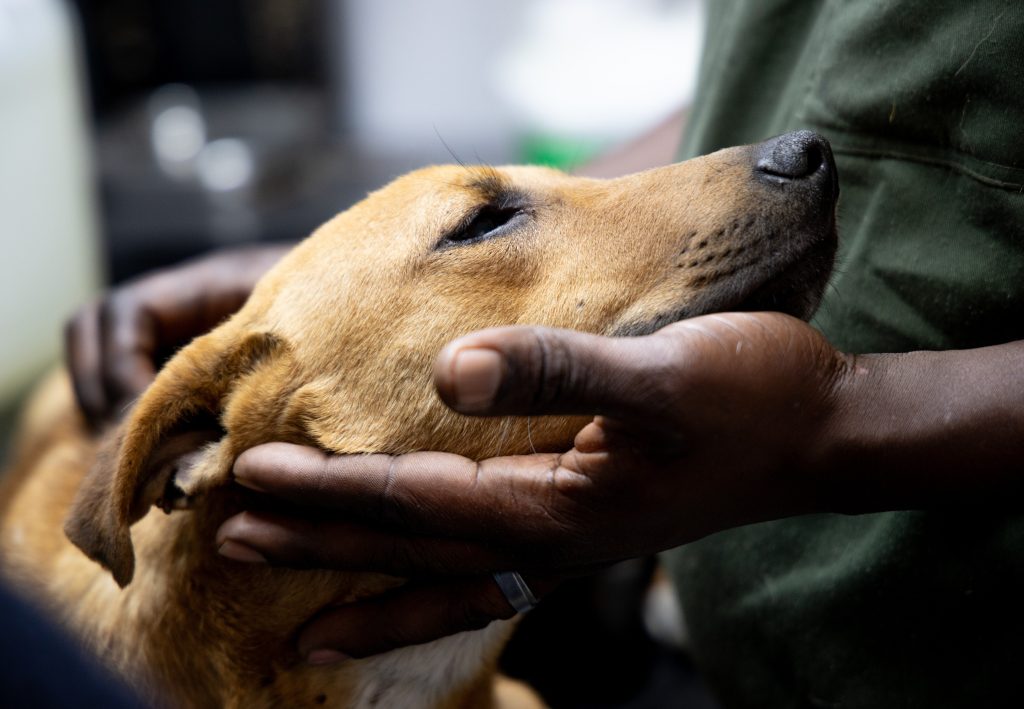
The Financial Perspective
Moreover, the financial implications of sterilization and neutering are significant. While the upfront costs of these procedures may seem daunting, they pale in comparison to the ongoing expenses incurred from unplanned litters, which include veterinary care for the mother, food, and shelter for the puppies or kittens. Pet owners are often surprised to learn that investing in sterilization can result in substantial long-term savings while promoting healthier pets and reducing the burden on shelters.
In conclusion, understanding the multifaceted benefits of sterilization and neutering is crucial for pet owners across the United States. By embracing these practices, we can all contribute to a more humane and responsible approach to pet ownership, ultimately leading to healthier pets and thriving communities. It is imperative for potential pet adopters to consider these factors seriously, as they have the potential to make a significant difference not just in their lives, but in the lives of countless animals waiting for a forever home.
DIVE DEEPER: Click here to discover inspiring transformations
Reducing Shelter Influx
One of the most alarming consequences of uncontrolled animal reproduction is the influx of animals into shelters. Each year, nearly 3.3 million dogs and 3.2 million cats enter animal shelters across the United States. These staggering numbers pose an ongoing crisis, where the sheer volume of animals can overwhelm resources. Most shelters operate at or beyond capacity, struggling to provide even basic care. The ripple effects of this situation are profound; fewer families are able to adopt due to space and resource restrictions, leaving countless animals without homes. When pet owners prioritize sterilization and neutering, they actively participate in reducing the number of animals that end up in these facilities.
Community Impact
The impact of spaying and neutering extends beyond individual households; it resonates throughout entire communities. Unspayed or unneutered animals can contribute to local issues such as:
- Stray animal populations – Unaltered pets often roam, leading to increased strays.
- Increased risks of disease – Strays can spread diseases to both pets and humans.
- Higher costs for taxpayers – Local governments incur expenses for animal control and shelter services.
- Public safety hazards – Uncontrolled animal populations can lead to traffic incidents or aggressive behavior stemming from competition for resources.
By choosing to spay or neuter their animals, pet owners help mitigate these issues, fostering a healthier community where animal welfare is prioritized.
Supporting Adoption Efforts
The link between sterilization practices and successful adoption rates is clear. When shelters experience an ongoing influx of pets, it becomes increasingly challenging to find homes for the animals already in their care. Moreover, the increased burden often leads to rationalizations for euthanasias. In this regard, spaying and neutering stand as pivotal measures, allowing shelters to maintain manageable populations and boost the chances of adoption for animals waiting for their forever homes.
Organizations dedicated to animal welfare emphasize that the key to successful adoption initiatives lies in responsible breeding. By supporting spaying and neutering, prospective pet owners are not only protecting the health of the animals they love but also championing a future where fewer pets suffer from homelessness or abandonment.
Encouraging Responsible Breeding Practices
Another essential aspect of promoting sterilization and neutering is its role in encouraging responsible breeding practices. When pet owners understand the importance of these procedures, it helps deter unplanned breeding and promotes careful consideration before making the decision to breed pets. Responsible breeders prioritize the health and welfare of their animals, and they abide by ethical breeding standards, ensuring they only contribute positively to the animal population.
As the conversation surrounding responsible pet ownership continues to evolve, it is critical to recognize how sterilization and neutering serve as fundamental pillars. These practices not only protect against overpopulation but also create a healthier, safer, and more humane environment for pets and communities alike. As awareness increases, it is imperative that potential adopters and current pet owners alike prioritize these discussions in every aspect of animal care.
| Key Advantage | Impact on Adoption |
|---|---|
| Reduced Overpopulation | Sterilization and neutering directly aid in controlling animal overpopulation, making it easier for shelters to place animals in loving homes. |
| Improved Health | Neutering can lead to a significant reduction in health issues, decreasing the need for expensive veterinary treatments often required in unaltered animals. |
Increased awareness of the benefits surrounding the sterilization and neutering of pets has shown potential adopters that fixed animals are often more desirable companions. This has led to a shift in public perceptions, where the focus on responsible pet ownership is becoming more prevalent. By opting to adopt a sterilized or neutered animal, individuals are not only securing a cherished pet, but they are also playing a vital role in combating the pet overpopulation crisis. Moreover, the health benefits associated with these procedures highlight why they should be a priority for any responsible pet parent. Adopting a pet is no small feat, and understanding the implications of sterilization only adds depth to the commitment one makes in bringing a new furry family member home.
DISCOVER: Click here to learn how adoption can combat animal cruelty
Health Benefits for Pets
Beyond addressing overpopulation, spaying and neutering offer vital health benefits for pets. For female animals, spaying not only eliminates the risk of unwanted pregnancies, but it also significantly reduces the likelihood of serious health issues. Studies have shown that spayed females are less prone to uterine infections and mammary cancer, particularly if the procedure is performed before their first heat cycle. This early intervention can positively influence their lifelong health, contributing to a longer, happier life.
Male pets also experience notable health improvements through neutering. It has been observed that neutering reduces the risk of prostate problems and testicular cancer. Furthermore, altered males are less likely to engage in risky behaviors, such as aggressive fighting or roaming in search of mates, thereby promoting safer habits that keep them secure.
The health implications extend beyond the immediate benefits for the animal. When owners prioritize sterilization and neutering, they also decrease the likelihood of unexpected veterinary costs associated with the complications arising from unplanned breeding or related illnesses. Ultimately, responsible pet ownership through these practices not only fosters healthier pets but also supports the financial well-being of households.
The Role of Education and Community Programs
Education plays a pivotal role in promoting awareness about the importance of spaying and neutering. Community programs designed to inform pet owners about the benefits of sterilization can significantly impact adoption rates and animal welfare. Many non-profit organizations and shelters run low-cost spay and neuter clinics, designed to alleviate financial barriers associated with these essential procedures.
For example, the ASPCA and local animal control agencies often collaborate to provide free or discounted services to pet owners in underserved communities. These initiatives not only serve to increase public knowledge about the health benefits of sterilization but also empower communities to take action in reducing pet overpopulation. Such efforts can transform the landscape of animal welfare in a community, fostering an environment where responsible pet ownership thrives.
Transforming Public Perception
One of the most compelling arguments for promoting spaying and neutering practices is the potential to transform public perception of pet adoption and ownership. When animals are spayed or neutered, it helps break the cycle of overpopulation challenges while simultaneously encouraging a culture of responsible pet care. Through campaigns and educational outreach, misconceptions about sterilization can be dispelled, fostering a more positive understanding of its benefits.
Community initiatives, such as those run by shelters and rescue organizations, frequently showcase success stories of adopted pets who are spayed or neutered. Through real-life testimonials, these campaigns highlight how responsible breeding practices can lead to healthier, happier pets while also promoting a culture of compassion towards animals. Such narratives emphasize that sterilization and neutering are not just actions taken in isolation; they are integral components of a broader commitment to animal welfare.
As public perceptions shift, the conversation around sterilization will likely evolve as well. As more pet owners recognize the value of these procedures, it is anticipated that the focus will shift from a reactive approach—addressing the outcomes of overpopulation—to a proactive stance that emphasizes prevention and responsibility.
DIVE DEEPER: Click here to discover the fascinating history
Conclusion
In conclusion, the importance of sterilization and neutering in animal adoption cannot be overstated. These practices not only mitigate the serious issue of pet overpopulation but also enhance the overall health and well-being of pets. By preventing unwanted litters and reducing the likelihood of significant medical conditions, spaying and neutering contribute directly to the longevity and quality of life for both male and female animals.
Moreover, education and community programs play a critical role in reshaping public perceptions surrounding pet ownership. Initiatives aimed at informing pet owners about the numerous benefits of sterilization foster a more responsible attitude towards animal care. By collaborating with organizations like the ASPCA and local animal shelters, communities can bridge financial barriers and ensure that spay and neuter services are accessible to all pet owners, particularly those in underserved areas.
Ultimately, as awareness grows and more individuals embrace the concept of responsible pet ownership, the focus will shift from merely addressing the consequences of pet overpopulation to actively preventing it. This proactive approach requires ongoing community engagement, support for educational campaigns, and an unwavering commitment to the health and welfare of animals.
As we reflect on the responsibilities we hold as custodians of our pets, it’s vital to recognize that choosing to spay or neuter an animal signifies a profound commitment—not just to that individual animal, but to the entire community and the future of animal welfare. Through these measures, we can create a more compassionate environment, paving the way for healthier pets and brighter outcomes for countless animals in need.
Related posts:
The Challenges and Joys of Adopting Senior Animals
How Animal Adoption Can Impact Local Communities
Success Stories: How Adoption Transformed the Lives of Animals and Owners
Marketing Strategies to Increase Pet Adoption from Shelters
Government and Private Initiatives to Encourage the Adoption of Animals from Shelters
How Animal Adoption Can Help in the Fight Against Animal Cruelty

Linda Carter is a writer and pet care expert specializing in pet health, grooming, and wellness. With extensive experience helping pet owners create safe, loving, and enriching environments for their animals, Linda shares her knowledge on our platform. Her goal is to empower readers with practical advice and strategies to ensure their pets thrive and lead joyful, healthy lives.