Toxic Foods for Animals: What to Avoid in Your Pet’s Diet
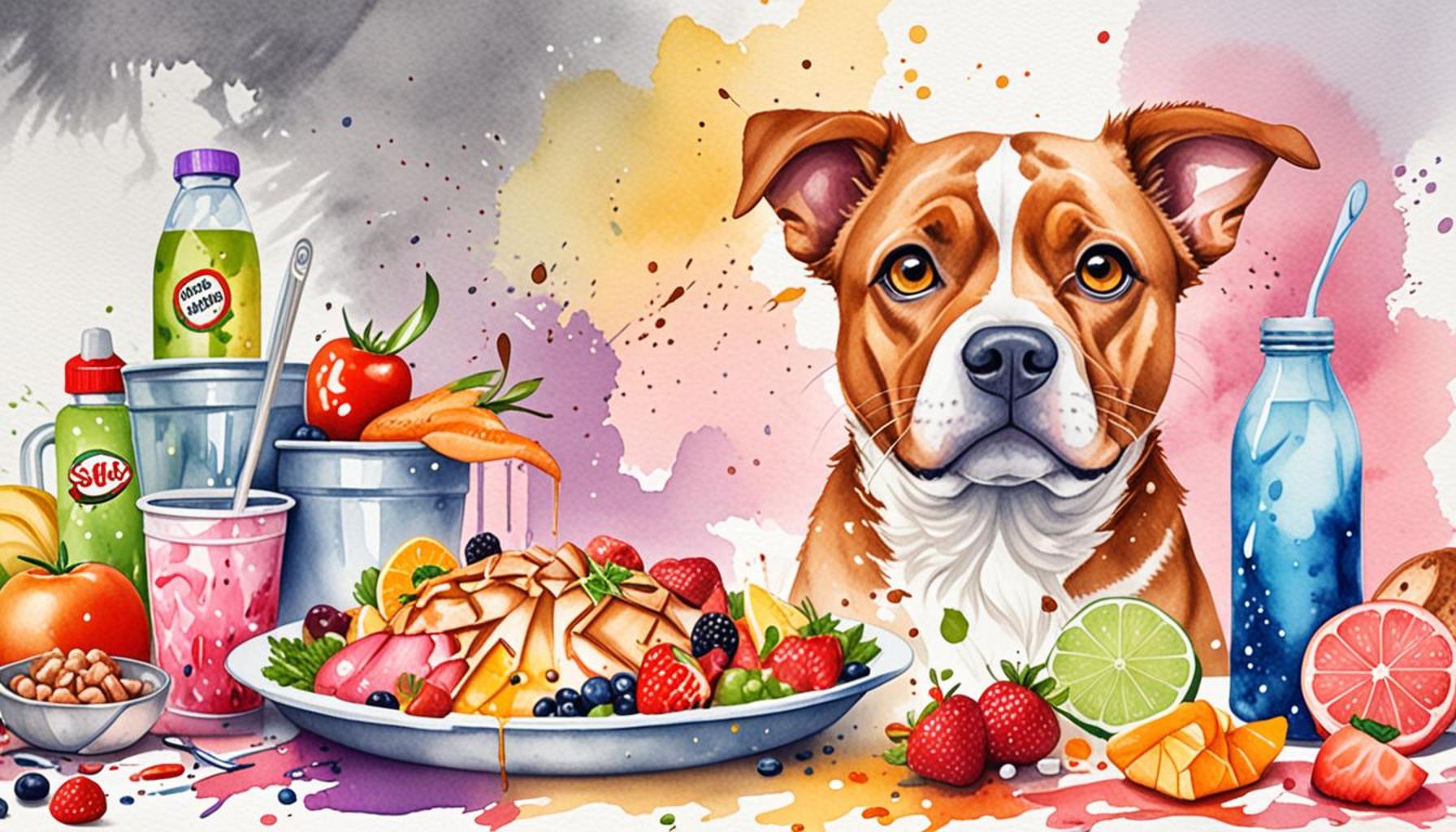
The Hidden Dangers of Common Foods for Pets
Every pet owner aspires to provide the best for their furry companions, yet many may not realize that certain seemingly harmless foods can be highly toxic. Understanding which toxic foods for animals can pose risks is essential for any responsible pet parent. Being informed not only helps in safeguarding your pets but also empowers you to make better dietary choices for them.
Chocolate: A Sweet Poison
Chocolate is a beloved treat for many humans, particularly during festive seasons like Halloween and Christmas. However, it can be deadly for dogs. The primary culprit is theobromine, a compound found in chocolate that dogs metabolize much more slowly than humans. Even small amounts of chocolate can lead to symptoms such as excessive thirst, vomiting, and severe heart problems. Dark chocolate and baking chocolate contain the highest levels of theobromine, making them particularly dangerous. For instance, just a few ounces of dark chocolate could be fatal to small breeds like Chihuahuas.
Onions and Garlic: Silent Blood Thinners
Although often used to enhance the flavor of our meals, onions and garlic can cause serious health issues in pets. These foods contain compounds known as thiosulfates, which can damage red blood cells in dogs and cats, leading to a condition called hemolytic anemia. This condition can manifest through symptoms such as lethargy, weakness, and even jaundice. It’s not uncommon for pet owners to unknowingly include these ingredients in homemade dishes, which can have dire consequences. Just a few grams of onion or garlic per kilogram of a pet’s body weight can be enough to induce toxicity.
The Grapes and Raisins Risk
Grapes and raisins are another surprising item on the toxic food list for pets, particularly dogs. While the exact toxic ingredient remains unidentified, consumption of these fruits has been linked to acute kidney failure, which can be life-threatening. Symptoms include vomiting, lethargy, and loss of appetite, often occurring within hours of ingestion. Various cases have been reported, where seemingly healthy dogs faced severe health issues after consuming just a small number of grapes or raisins, making vigilance crucial for pet owners.
Xylitol: A Sweet But Deadly Substitute
Xylitol, commonly found in sugar-free gums and various baked goods, is alarming for pet owners. This sugar substitute causes an insulin release in pet bodies, resulting in drastically low blood sugar levels, or hypoglycemia. Symptoms can include vomiting, seizures, and even liver failure. Even small amounts of xylitol can be fatal to dogs, so it’s essential to read food labels carefully and keep products containing xylitol out of reach.
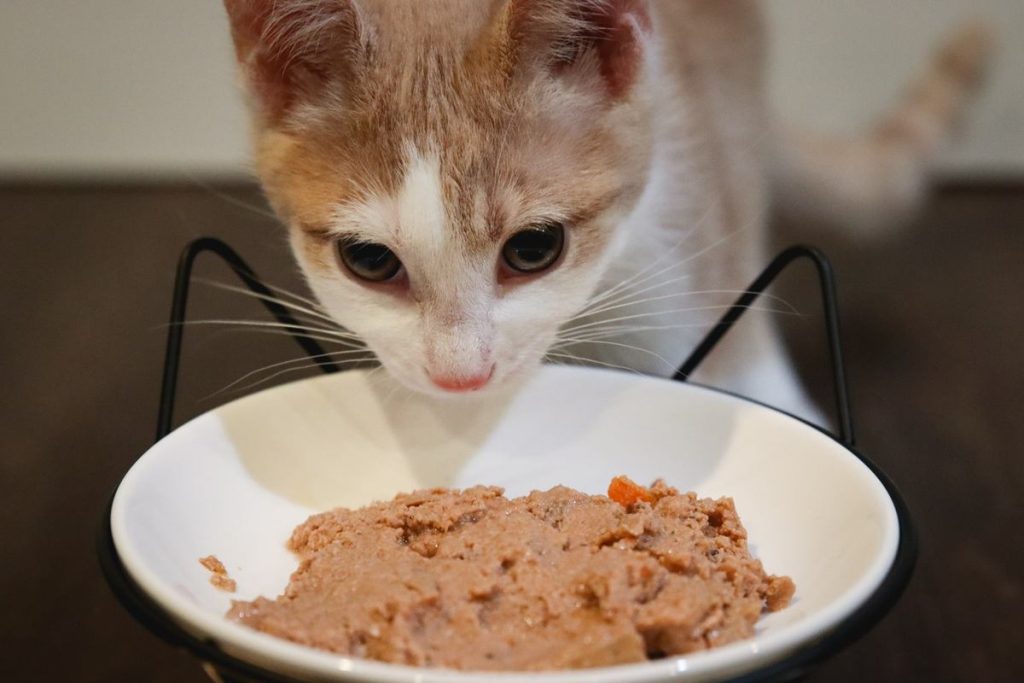
It’s clear that many pet owners inadvertently expose their beloved companions to these dangers by sharing their meals. The key to maintaining your pet’s health lies in being informed and proactive. Always educate yourself about which foods are safe and which should remain off-limits. In the upcoming sections, we’ll delve even deeper into these toxic foods and explore safe dietary practices to keep your furry friends healthy and thriving. Stay engaged, as the choices you make can greatly influence your pet’s well-being!
DISCOVER MORE: Click here to learn about your pet’s nutritional needs
Common Foods That Pose Serious Risks
As a pet owner, the last thing you want to encounter is a health crisis caused by food. Unfortunately, many popular human foods that make up our daily diets can be hazardous to our furry friends. Below, we’ll highlight some of the most common and toxic foods for animals that should be avoided at all costs.
Avocado: A Green Dilemma
Avocado is another trendy food that can lead to distressing health issues in pets, particularly dogs. This creamy fruit contains a substance called persin, which can be toxic to animals, causing respiratory issues, fluid accumulation in the chest, and other serious health concerns. While humans can enjoy avocado in moderation, it is essential for pet owners to keep this fruit out of reach. Symptoms of avocado poisoning may include vomiting, diarrhea, and lethargy, which can appear within a few hours after ingestion.
Alcohol: A Deadly Choice
Many might think that a small amount of alcohol wouldn’t harm their pets; however, it can be incredibly dangerous. Even a small quantity of alcohol can lead to severe consequences such as vomiting, diarrhea, difficulty breathing, and even coma or death in pets. Spirits and certain types of cooking sauces often contain sufficient alcohol to be toxic, making it vital to keep any alcoholic beverages or foods far from paws and noses.
Macadamia Nuts: The Hidden Threat
Macadamia nuts are a popular snack for humans, but they are potentially toxic to dogs. These nuts can lead to symptoms such as weakness, tremors, and hyperthermia. The exact mechanism remains unclear, but even small amounts of macadamia nuts can lead to serious health issues in dogs. It’s important for pet owners to refrain from feeding snacks mixed with macadamia nuts to their canine companions, as this can lead to dangerous side effects.
Foods to Avoid: Quick Reference List
To help you navigate which foods to keep away from your pets, here’s a quick reference list of some common toxic foods:
- Chocolate
- Onions and Garlic
- Grapes and Raisins
- Xylitol
- Avocado
- Alcohol
- Macadamia Nuts
It’s abundantly clear that vigilance is key when it comes to feeding our pets. Many of these toxic foods might not even be on the radar for pet owners, which is why education on what constitutes toxic foods for animals is crucial. Making informed choices can safeguard your beloved pets from unexpected health issues. As we continue this exploration, understanding the symptoms of food toxicity and knowing how to react in emergencies can save your furry friend’s life.
Toxic Foods for Animals: What to Avoid in Your Pet’s Diet
As pet owners, it is our responsibility to ensure the safety and well-being of our furry companions. A significant part of this includes understanding which foods can be toxic to pets. Several common household items can pose serious health risks to animals, and being informed can prevent potentially life-threatening situations. One of the most dangerous substances for pets is chocolate. Theobromine, a compound found in chocolate, is particularly harmful to dogs and cats. Even small amounts can lead to symptoms such as vomiting, rapid heart rate, and in severe cases, seizures or death. Grapes and raisins are other seemingly innocent treats that can cause kidney failure in dogs, even in small quantities. Additionally, many pet owners are unaware that onions and garlic are harmful to pets, as they contain compounds that can damage red blood cells, leading to anemia. Even cooked forms of these vegetables should be avoided. Table scraps, often given with good intentions, can inadvertently cause harm. Foods that are safe for humans are not always safe for pets; for example, avocados contain persin, which is toxic to birds and large amounts can be harmful to dogs and cats as well.Another potential hazard is the sugar substitute xylitol, found in many sugar-free gum and candy products. Ingesting xylitol can lead to rapid insulin release in dogs, causing a drop in blood sugar levels, which can be fatal if untreated. To help prevent accidents and safeguard your pet’s health, it’s crucial to be knowledgeable about these toxic foods. Regularly educating yourself and consulting with a veterinarian can significantly decrease the risk of food-related illnesses in your pets.
| Toxic Food Category | Effects on Pets |
|---|---|
| Chocolate | Can lead to vomiting, rapid heart rate, seizures |
| Grapes and Raisins | Can cause kidney failure in dogs |
| Onions and Garlic | Can damage red blood cells, leading to anemia |
| Avocado | Toxic to birds, and can be harmful to dogs and cats |
| Xylitol | Causes rapid insulin release, leading to hypoglycemia |
With this important knowledge, pet owners can take proactive steps to protect their beloved animals from dangerous dietary choices. Staying informed is the key to ensuring a long and healthy life for your pets.
DIVE DEEPER: Click here for tailored nutrition tips for your pet
Understanding Symptoms and Emergency Procedures
In addition to knowing what foods to avoid, it’s equally crucial for pet owners to be aware of the symptoms of food toxicity and the appropriate actions to take in case of an emergency. Many pet owners may overlook early signs of distress, so understanding these symptoms can be life-saving.
Signs of Food Poisoning in Pets
Toxicity can manifest in various ways, and the symptoms may depend on the type of food ingested. Common signs of food poisoning include:
- Vomiting
- Diarrhea
- Excessive drooling
- Lethargy
- Loss of appetite
- Abdominal pain
- Seizures (in severe cases)
If you notice any of these signs, it’s imperative to act quickly. The sooner you can get your pet the help they need, the better their chances for recovery.
Immediate Actions to Take
Should you suspect that your pet has ingested something toxic, here are the steps to follow:
- Stay Calm: It’s crucial to stay composed to effectively assess the situation and communicate important information to a veterinarian.
- Identify the Toxin: If possible, take note of what your pet consumed, including the quantity and time of ingestion, as this information will be vital for medical professionals.
- Contact Your Veterinarian: Reach out to your veterinarian or an emergency animal clinic immediately. They may provide guidance on whether you should bring your pet in for treatment.
- Do Not Induce Vomiting Without Guidance: While it may seem natural to try and make your pet vomit, this can sometimes do more harm than good. Always consult a professional first.
Teaching Kids About Pet Safety
It’s also important to educate children about what foods are dangerous to pets. Teach them to never share their food without first checking with an adult, and explain why some foods, such as chocolate and grapes, are harmful. This education can be pivotal in preventing accidental ingestion.
The Role of Pet-Friendly Alternatives
As a responsible pet owner, providing your pets with alternative snacks is a smarter choice. Many safe fruits and vegetables can serve as healthy treats. For example, carrots, blueberries, and pumpkin can be nutritious additions to your pet’s diet, giving them a tasty option without toxicity. However, always consult with your veterinarian before introducing any new foods.
By understanding toxic foods for animals and staying informed on the symptoms of food poisoning, pet owners can significantly mitigate risk. With vigilance, education, and quick action, you can protect your beloved companions from potential health dangers lurking in the pantry.
DIVE DEEPER: Click here to discover fun training games
Conclusion
Understanding the toxic foods for animals and their potential risks is an essential aspect of responsible pet ownership. As we’ve explored, many common household foods, such as chocolate, grapes, and onions, can pose serious health threats to your pets. Awareness of which foods to avoid is the first crucial step in preventing accidental ingestion and ensuring the well-being of your furry companions.
Being informed about the symptoms of food poisoning is equally vital, as early detection can make a significant difference in your pet’s recovery chances. Familiarize yourself with signs like vomiting, lethargy, or excessive drooling, and take immediate action if you notice any unsettling behaviors. This preparedness not only protects your pet but also equips you to handle emergencies effectively.
Moreover, fostering a safe environment includes educating children about pet safety and ensuring they understand the importance of not sharing food without confirming its safety first. Encouraging the consumption of pet-friendly alternatives, such as fruits and vegetables, can also transform snack time into a healthy and enjoyable experience for your pets.
By implementing these practices, you not only safeguard your pets against potential toxic threats but also create a nurturing and informed caregiving atmosphere. As responsible pet owners, it’s our duty to remain vigilant, proactive, and always accessible to information about what to avoid in your pet’s diet. Ultimately, knowledge is power, and ensuring our pets’ safety is a commitment that yields immeasurable rewards.
Related posts:
The Effects of Obesity in Pets and How to Prevent It
The Revolution of Plant-Based Diets for Pets: Benefits and Challenges
The Importance of a Balanced Diet for Pet Health
Tips for Identifying Food Allergies in Pets and Nutritional Alternatives
Comparison between Natural and Industrialized Food: What is Better for Your Pet?
Nutrition for Senior Pets: Necessary Adjustments for a Healthy Life

Linda Carter is a writer and pet care expert specializing in pet health, grooming, and wellness. With extensive experience helping pet owners create safe, loving, and enriching environments for their animals, Linda shares her knowledge on our platform. Her goal is to empower readers with practical advice and strategies to ensure their pets thrive and lead joyful, healthy lives.