Training for Fun: Engaging Games to Teach Your Pets New Tricks
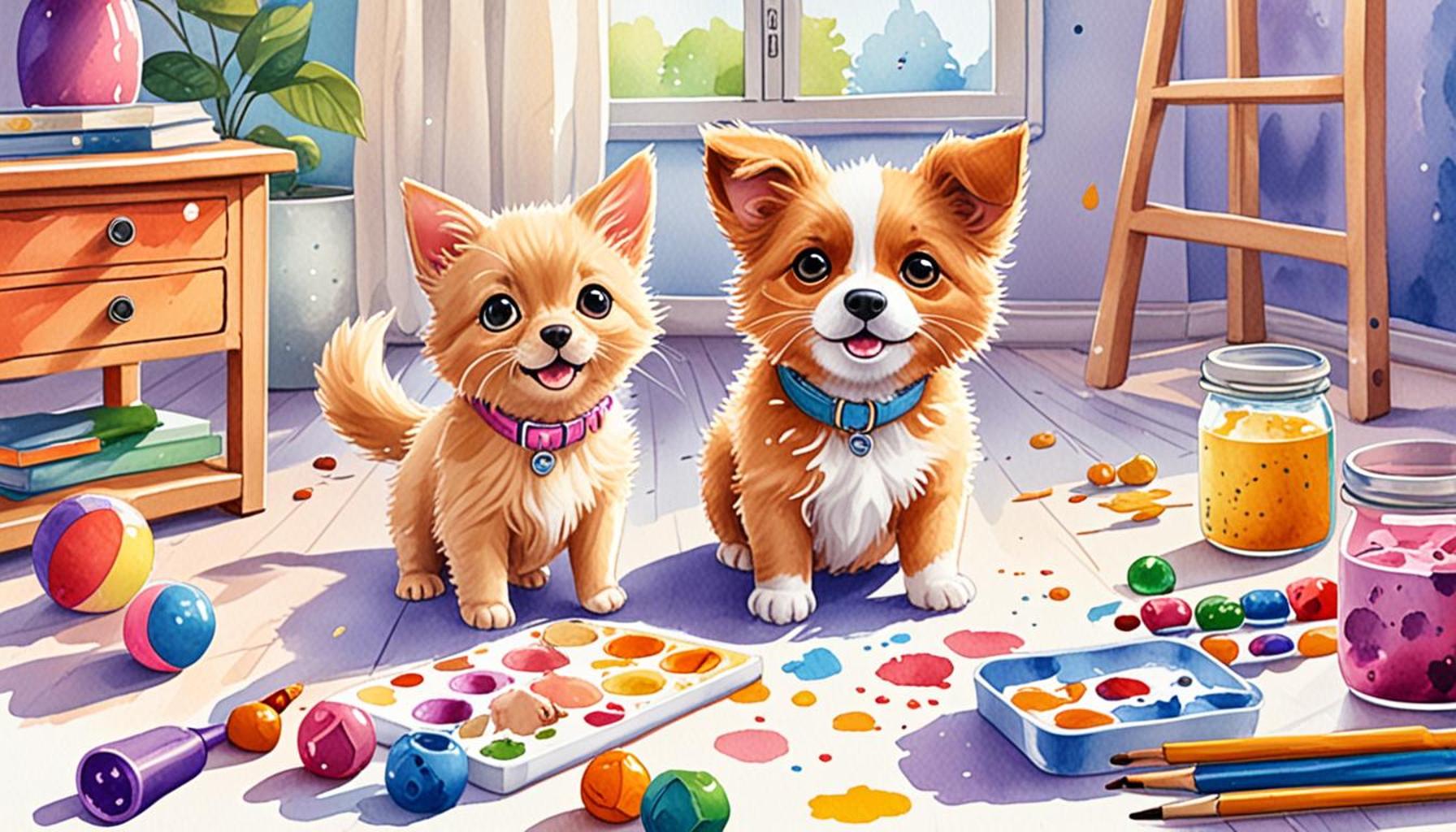
Discover the Joy of Training Your Pets
Training your pets doesn’t have to be a tedious task—it’s an opportunity for fun and bonding. Engaging games not only teach new tricks, but also enhance your pet’s mental stimulation and foster a deeper connection between you and your furry friend. When training feels more like play than a chore, both you and your pet are more likely to participate actively, leading to successful learning outcomes.
Consider this: regular play can turn training sessions into enjoyable experiences. Here are some compelling reasons to explore playful training methods:
- Enhanced Learning: Research shows that pets retain information better when they are relaxed and enjoying the moment. By incorporating fun and games into training, such as using colorful paw print mats or treat-dispensing puzzles, you can capture your pet’s attention and facilitate quicker learning. For example, teaching your dog to roll over while playing with their favorite ball can accelerate the learning curve.
- Increased Bonding: Games like hide and seek or fetch not only teach commands but also strengthen the emotional bond between you and your pet. Every time you successfully complete a training session, your pet associates you with joy and positivity, which can lead to a more trusting relationship. Picture your dog waiting excitedly as you hide a treat, only to follow their nose to you—the delight on their face is a reward in itself.
- Physical Exercise: Combining play with training helps maintain your pet’s physical health. Activities like agility training or obstacle courses not only enhance your pet’s coordination but also ensure they stay fit and healthy. A well-exercised pet is generally happier and more obedient, translating into effective training sessions.
By incorporating fun into pet training, you can create a positive environment where learning happens naturally. Imagine your pup eagerly performing a trick while wagging their tail with excitement, or your cat proudly showing off for treats at the end of a successful laser pointer chase. Such vivid interactions not only create lasting memories but also instill crucial skills in your pets.
As we dive deeper into this article, you’ll discover various engaging games to teach your pets. From simple commands to advanced tricks, the possibilities are endless, making training an enjoyable journey. For instance, you might explore interactive toys designed to challenge your pet while ensuring they have a blast, or even utilize apps that provide training guides and tricks tailored for your pet’s specific needs.
Remember, effective training is all about patience, play, and practice. With the right approach, you and your pet can embark on this delightful adventure together, transforming standard training sessions into cherished moments of joy.

DIVE DEEPER: Click here to discover the importance of nutrition for your pet’s health
Exciting Games to Enhance Training
One of the most effective ways to teach your pets new tricks is to blend training with engaging games. These interactive activities not only make learning enjoyable for your furry friends but also ensure that lessons stick. Whether you are working with a playful puppy or a curious kitten, incorporating games into your training routine can ignite enthusiasm and creativity.
Here are some imaginative games that can transform the traditional training experience into a lively adventure for both you and your pet:
- Clicker Training: This classic training method uses a small device that emits a clicking sound to mark desired behaviors. Pairing the click with a reward helps your pet associate the sound with positive reinforcement. Start by playing fetch with a clicker while your dog retrieves the toy. Increase the challenge by asking your dog to sit or stay before they are allowed to pursue the toy again.
- Treasure Hunt: Hide treats or favorite toys around your home or yard and encourage your pet to find them. For dogs, use command cues like “find it!” and reward them when they successfully uncover the treasure. Cats can join the fun by searching for hidden kibble or toys among their scratching posts or hiding spots, providing them with mental stimulation.
- Obstacle Course: Set up a fun obstacle course using household items such as chairs, hoops, or boxes. Start with simple commands like “jump” or “crawl” and gradually increase the complexity of the course. This not only reinforces commands but also encourages your pet to think critically and navigate challenges.
- Musical Chairs: This entertaining game can work wonders for both dogs and cats. Set up a circle of chairs and play music while you and your pet walk around them. When the music stops, your pet must find a place to sit. Incorporate commands like “sit” or “down” before they claim their spot. It’s a fun way to teach obedience while incorporating an exciting twist to the session!
- Target Training: Using a target stick or even your hand, teach your pet to touch or follow the target. This method is particularly effective for training tricks like spin or weave. As your pet becomes comfortable with the target, you can introduce new tricks by guiding them with the stick, rewarding them when they succeed.
Engaging in these interactive games keeps your pet stimulated both physically and mentally while reinforcing their training. It’s vital to remember that patience, consistency, and positivity are key to reinforcing these skills. Your enthusiasm during these training sessions will set the tone for how your pet engages with learning, making it a delightful experience for everyone involved.
As you explore these exhilarating games, you’ll find that the joy of training your pets extends far beyond simple commands. They thrive on your attention and encouragement, and every successful trick they learn adds to the fun. So gather those treats, set your playtime, and let the adventure of training begin!
| Activity Type | Benefits |
|---|---|
| Interactive Games | Enhances Mental Stimulation |
| Obstacle Courses | Builds Physical Agility |
| Fetch Variations | Improves Bonding |
| Hide and Seek | Enhances Problem-Solving Skills |
Engaging your pets in interactive games not only serves to entertain but also enhances their mental stimulation. Activities like fetch variations increase physical engagement while reinforcing your bond with your furry companions. Implementing obstacle courses encourages your pets to showcase their physical agility, ensuring they remain active and healthy.Moreover, games such as hide and seek are excellent for improving your pet’s problem-solving skills. As they learn to navigate through challenges, they develop a sense of awareness and adaptability. These activities promote an enjoyable learning environment for both you and your pet, making training a fun and rewarding experience. Creating diverse and engaging games allows for continuous learning and growth, ensuring that pet training evolves into a delightful adventure rather than a chore.
LEARN MORE: Click here for insights on proper pet nutrition
Creating a Bond Through Playful Learning
Training your pet doesn’t just revolve around learning commands; it’s an opportunity to forge a stronger bond between you and your animal companion. Engaging in playful training sessions can lead to deeper trust and understanding, making your pet more receptive to learning. As you play together, you not only teach them commands but also create cherished memories that deepen your relationship.
Here are some additional ways to leverage games to enhance the training process while strengthening your bond:
- Hide and Seek: This classic game works wonders for dogs and is an enjoyable way to practice recall commands. Begin by asking your pet to stay in one location while you hide nearby. Call them to come find you. This game fosters a genuine sense of trust that your pet will always seek you out. Plus, it can be a thrilling experience for them when they successfully locate you!
- Simon Says: A fun twist on the traditional training routine can be found by playing “Simon Says”. Give commands that your pet must follow only when you begin with “Simon says.” This game can help refine their listening skills while adding a playful element to the training. You can adjust the complexity based on your pet’s progress, keeping their attention engaged and entertained.
- Paw Painting: Combining art and training can be a delightful experience. Using non-toxic pet-friendly paint, let your pet create a masterpiece while you teach them to step on the canvas. Over time, you can incorporate commands like “gentle” or “step” to refine their movements. The end result will be a beautiful art piece that serves as a fun memory of your training session!
- Balloon Keep-Up: For dogs who love to chase, float a balloon in the air and encourage them to keep it from touching the ground. While doing this, you can integrate commands like “jump” or “stay” to increase the challenge level. This game not only provides physical exercise but also encourages sharp reflexes and focus.
- Interactive Puzzle Toys: Invest in puzzle toys that challenge your pet’s mind while also rewarding them with treats. These toys encourage problem-solving and can be used as a form of training by guiding your pet through the process of obtaining the treat inside. As they learn to navigate their way around the puzzle, you reinforce their cognitive abilities while keeping the experience enjoyable.
Incorporating these interactive games into training sessions allows for a variety of learning experiences that are both stimulating and enjoyable. They provide opportunities for your pet to think independently and creatively. Science has shown that mental stimulation is just as crucial as physical exercise for your pet’s overall happiness and well-being; hence, these games serve a dual purpose in enhancing their quality of life.
The ultimate goal of these playful approaches is to develop a comprehensive training regimen that benefits your pet’s behavior and enriches your relationship. In turn, as your pet begins to anticipate and enjoy training sessions, their willingness to learn new tricks will only increase, leading to a fulfilling, rewarding experience for both of you.
By embracing the fun elements of training, you’ll transform the way your pet views learning. Each game not only teaches a trick but also serves as an avenue to nurture companionship, trust, and joy in your everyday interactions. As you embark on this playful journey, you open the door to endless possibilities for education and connection.
DISCOVER MORE: Click here for expert tips
Conclusion: Playful Paths to Training Success
Incorporating engaging games into your pet’s training not only enhances their learning experience but also ushers in a new dimension of companionship between you and your furry friend. By stepping away from traditional methods and embracing the exciting realm of play, you make training a joyful activity rather than a chore. The games outlined, such as Hide and Seek, Simon Says, and Paw Painting, serve not only as avenues for teaching new tricks but also as ways to develop trust and communication.
As your pet grows more responsive and eager to learn, you will notice a shift in their behavior and engagement during training sessions. They will look forward to these fun interactions, which ultimately enrich your relationship. This approach aligns with the growing understanding in pet care that mental stimulation is as important as physical exercise for overall well-being. In fact, engaging a pet’s mind can lead to reduced behavioral issues and a happier life.
Moreover, the memories you create through these playful training sessions will be cherished for years to come. As you embark on this playful journey, consider not only the tricks your pet will learn but also the deeper connections you will forge. The joy of watching your pet master a new skill or engage with you in a new way is a reward in itself. So, unleash your creativity, dig deep into the treasure trove of fun training games, and set out on an adventure filled with learning, laughter, and love for you and your pet.
Related posts:
Unlock Effective Dog Training The Power of Positive Reinforcement
The Role of Consistency in Verbal Cues: How Words Shape Your Pet's Training Success
Overcoming Common Behavioral Issues in Adult Dogs Through Training
Master Puppy Training Effective Techniques for New Puppy Owners
Creative Techniques for Training Multiple Pets at Once
Training Techniques for Senior Pets: Adapting Methods for Older Animals

Linda Carter is a writer and pet care expert specializing in pet health, grooming, and wellness. With extensive experience helping pet owners create safe, loving, and enriching environments for their animals, Linda shares her knowledge on our platform. Her goal is to empower readers with practical advice and strategies to ensure their pets thrive and lead joyful, healthy lives.